
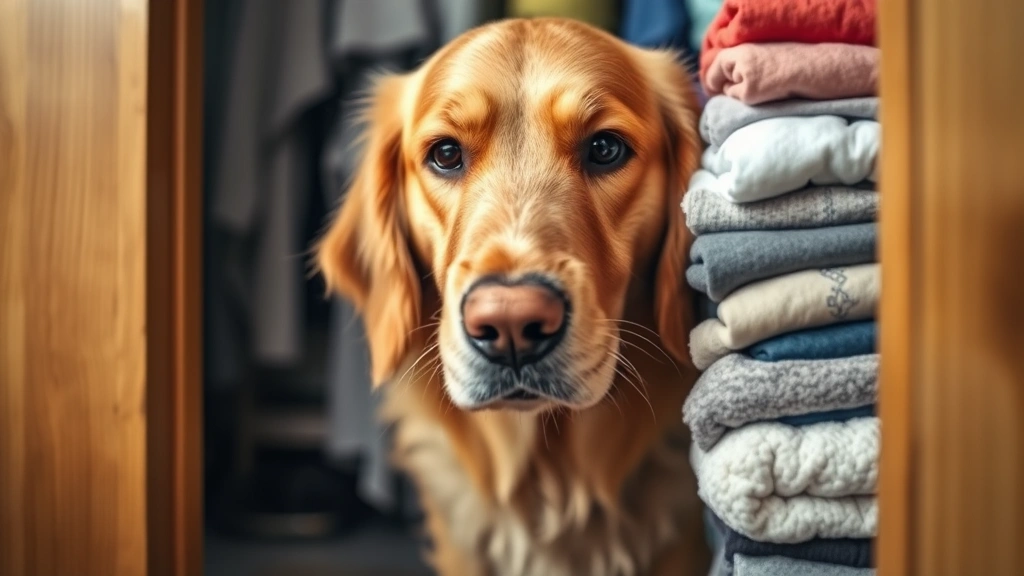
Are Mothballs Toxic to Dogs? Safety Insights Every Pet Owner Should Know
If you’ve ever opened a closet and caught that distinctive pungent smell of mothballs, you know how powerful these little chemical pellets can be. But what about your furry friend? Many dog owners don’t realize that the same substance keeping moths away from their winter wardrobe could pose a serious health risk to their beloved pets. Understanding whether mothballs are toxic to dogs is essential for keeping your four-legged companion safe.
Mothballs have been a household staple for generations, trusted by families to protect clothing from insect damage. However, their effectiveness comes at a cost—they contain potent chemicals that can be harmful if ingested or even inhaled in large quantities by dogs. As a responsible pet owner, it’s crucial to understand the dangers and know what steps to take if your dog has come into contact with mothballs.
In this comprehensive guide, we’ll explore the toxicity of mothballs, the symptoms of poisoning, what to do if your dog ingests them, and how to keep your home safe for your canine companion.
Are Mothballs Really Toxic to Dogs?
Yes, mothballs are definitively toxic to dogs. The answer is straightforward: mothballs pose a genuine health risk to your canine companion. Both the ASPCA Animal Poison Control Center and veterinary professionals consistently warn pet owners about the dangers of mothballs in homes with dogs.
The level of toxicity depends on several factors, including the size of your dog, the amount of mothballs ingested, and the specific chemical composition of the product. Even small dogs who consume a single mothball can experience adverse effects, though larger dogs may require ingestion of multiple mothballs to show severe symptoms. The concerning part is that dogs are naturally curious creatures, and a mothball might look like an interesting toy or treat to investigate.
Beyond direct ingestion, dogs can also be affected by inhaling fumes from mothballs, particularly in poorly ventilated spaces. This is why storing mothballs in accessible areas or using them in enclosed spaces where your dog spends time is particularly dangerous.
Understanding the Active Ingredients
Most modern mothballs contain one of two primary active ingredients: naphthalene or paradichlorobenzene (PDB). Some older mothballs may contain naphthalene exclusively, while newer formulations often use PDB as it’s considered less toxic than naphthalene. However, both chemicals present risks to dogs.
Naphthalene is particularly concerning because it’s a volatile organic compound that readily vaporizes at room temperature. When dogs inhale these vapors or ingest naphthalene-based mothballs, it can cause significant damage to red blood cells, leading to a condition called hemolytic anemia. This is especially dangerous for dogs with genetic predispositions to blood disorders.
Paradichlorobenzene (PDB), while somewhat less volatile, can still cause serious health issues including gastrointestinal upset, liver damage, and neurological problems. Dogs that ingest PDB-containing mothballs may experience symptoms ranging from mild digestive issues to severe organ damage depending on the amount consumed.

Some older or imported mothballs might contain camphor or other essential oils. While these may seem more natural, they can still be toxic to dogs and cause similar poisoning symptoms. It’s important to check the label of any mothballs in your home to understand exactly what chemicals they contain.
Symptoms of Mothball Poisoning in Dogs
Recognizing the signs of mothball poisoning is critical for getting your dog prompt medical attention. Symptoms can appear within hours of ingestion or inhalation, though some may develop more gradually depending on exposure.
Common symptoms of mothball toxicity in dogs include:
- Vomiting and gastrointestinal distress
- Loss of appetite or refusal to eat
- Lethargy or unusual tiredness
- Pale gums or yellowing of the gums and eyes (indicating anemia or liver damage)
- Difficulty breathing or rapid breathing
- Abdominal pain or distension
- Diarrhea, sometimes with blood
- Tremors or seizures in severe cases
- Unusual behavior or disorientation
- Persistent coughing or wheezing
The severity and timing of symptoms depend on the amount of mothball material your dog was exposed to and which chemical compound is involved. Naphthalene poisoning typically causes more acute symptoms, while PDB exposure might result in slower-developing problems that become apparent over several days.

How Much Is Dangerous?
One of the most important questions pet owners ask is: how much mothball exposure is actually dangerous? The answer is more nuanced than a simple amount, as it depends on your dog’s weight, age, and overall health status.
General guidelines from veterinary toxicologists suggest:
- For small dogs (under 10 lbs): Even a single mothball can cause symptoms, particularly if it’s naphthalene-based
- For medium dogs (10-50 lbs): Two to three mothballs may cause mild to moderate symptoms
- For large dogs (over 50 lbs): Several mothballs might be needed to cause acute symptoms, though chronic exposure to fumes is still dangerous
It’s important to understand that there’s no truly “safe” amount of mothballs for dogs. Even exposure to mothball fumes in a poorly ventilated closet can accumulate in a dog’s system over time, causing subclinical damage that might not be immediately apparent. Puppies and senior dogs are at higher risk due to their compromised immune systems and developing or aging organs.
Dogs with pre-existing health conditions, particularly those affecting the liver or blood, should be considered especially vulnerable to mothball toxicity.
What to Do if Your Dog Ingests Mothballs
If you suspect your dog has ingested a mothball or been exposed to significant mothball fumes, immediate action is necessary. Time is critical in poisoning cases, and quick response can mean the difference between a full recovery and serious complications.
Immediate steps to take:
- Remove your dog from the source: If mothballs are still present, move your dog away from the area immediately to prevent further exposure or ingestion
- Do not panic: Stay calm so you can think clearly and provide accurate information to your veterinarian
- Contact your veterinarian or poison control immediately: Call ASPCA Poison Control at (888) 426-4435 or your emergency veterinary clinic right away. Have the mothball packaging available to tell them the exact chemical composition
- Do not induce vomiting without professional guidance: While inducing vomiting in dogs is sometimes appropriate for certain toxins, mothballs require specific veterinary assessment first, as vomiting can sometimes cause additional damage
- Bring the mothball packaging: Take the container or packaging with you to the vet so they know exactly which chemical is involved
Your veterinarian will perform a physical examination and may recommend blood work, urinalysis, or other diagnostic tests to assess your dog’s condition. Treatment typically focuses on supportive care, including IV fluids, medications to manage symptoms, and monitoring for complications like hemolytic anemia.
Prevention Strategies for Your Home
The best approach to mothball toxicity is prevention. Keeping mothballs away from your dog eliminates the risk entirely. Here are practical strategies for maintaining a safe home:
Storage best practices:
- Use sealed containers: Store mothballs in airtight containers that your dog cannot access, such as locked cabinets or closets with secure doors
- Keep them elevated: Store mothballs on high shelves where curious dogs cannot reach them
- Separate storage areas: Consider storing mothballs in a room your dog never enters, such as a guest bedroom with a closed door
- Use pet-proof storage: Invest in storage solutions specifically designed to be pet-proof, with child-resistant locks
Usage considerations:
- Limit quantity: Only store the amount of mothballs you actually need
- Ensure ventilation: If using mothballs in a closet, ensure the closet door is always closed and the room is well-ventilated
- Never use in living spaces: Avoid using mothballs in areas where your dog spends significant time
- Regular inspection: Check storage areas regularly to ensure mothballs haven’t been disturbed or scattered
Safe Alternatives to Mothballs
If you’re concerned about mothball toxicity, numerous safer alternatives exist for protecting your clothing from moths and insects. These alternatives eliminate the risk to your dog while still providing effective moth protection.
Natural and safer options include:
- Cedar blocks and chips: Cedar is a natural moth repellent and is non-toxic to dogs. The aroma is pleasant and repels moths effectively
- Lavender sachets: Dried lavender in small cloth bags repels moths naturally and smells wonderful. Ensure your dog can’t chew through the bags
- Essential oil-soaked cotton balls: Eucalyptus, peppermint, or rosemary oils can repel moths. Place them in sealed containers within storage areas
- Vacuum-sealed storage: Removing air from storage containers makes the environment inhospitable for moths
- Temperature control: Moths thrive in warm environments; keeping storage areas cool naturally deters them
- Regular inspection and cleaning: Washing clothes before storage and regularly checking items prevents moth infestations
These alternatives provide peace of mind for pet owners who want to protect their clothing without risking their dog’s health. Cedar, in particular, is highly effective and completely safe for dogs, making it an excellent choice for pet-owning households.
Other Common Household Toxins to Protect Your Dog From
While mothballs are a significant concern, your home contains many other potential toxins that can harm your dog. Understanding these dangers helps you create a truly safe environment for your pet.
Common household plants that are toxic include: lilies toxic to dogs, which are particularly dangerous and can cause kidney failure. Additionally, azaleas poisonous to dogs contain toxins that cause gastrointestinal upset and can affect the heart. Even decorative plants like hostas poisonous to dogs can cause vomiting and diarrhea.
Other dangerous substances include:
- Chocolate: If your dog accidentally consumes chocolate, understanding what to do if dog eats chocolate is critical, as chocolate toxicity can be life-threatening
- Medications: Common human medications can be extremely dangerous to dogs
- Cleaning products: Many household cleaners contain toxic chemicals
- Antifreeze: This sweet-tasting liquid is highly toxic even in small amounts
- Pesticides and herbicides: Garden chemicals can cause serious poisoning
Understanding what smells do dogs hate can also help you avoid using products that contain toxic aromatics around your pet. Some scents that repel dogs are actually toxic when concentrated in products like air fresheners or cleaning supplies.
Frequently Asked Questions
Can a dog die from eating mothballs?
Yes, in severe cases, mothball ingestion can be fatal to dogs, particularly small breeds or puppies. Death typically results from complications like severe hemolytic anemia, liver failure, or neurological damage. However, most dogs that receive prompt veterinary treatment recover well. The key is recognizing symptoms early and seeking immediate veterinary care.
How long does it take for mothball poisoning symptoms to appear?
Symptoms can appear within 1-2 hours of ingestion in some cases, though they may take up to 24-48 hours to become apparent. Inhalation of mothball fumes may cause symptoms more gradually. This is why monitoring your dog closely after potential exposure is crucial, and why seeking veterinary attention immediately upon discovering ingestion is important.
Are old mothballs more dangerous than new ones?
Older mothballs containing naphthalene are generally considered more toxic than newer PDB-based formulations. However, both pose risks to dogs. If you have old mothballs in your home, replacing them with safer alternatives is highly recommended.
What if my dog only licked a mothball?
Even licking a mothball can expose your dog to toxic chemicals. While the exposure may be less than swallowing an entire mothball, it’s still worth contacting your veterinarian or poison control for guidance. Don’t assume minor exposure is harmless—it’s better to err on the side of caution.
Can mothball fumes harm dogs through inhalation alone?
Yes, mothball fumes can definitely harm dogs through inhalation, especially in poorly ventilated areas. Chronic exposure to mothball fumes can cause respiratory issues and systemic toxicity. This is why proper storage and ventilation are so important in homes with dogs.
Is there a specific treatment for mothball poisoning?
There is no specific antidote for mothball poisoning. Treatment is supportive and symptomatic, focusing on managing the dog’s symptoms, supporting organ function, and monitoring for complications. Veterinarians may use activated charcoal to bind remaining toxins, IV fluids to support kidney function, and medications to manage specific symptoms.
How can I tell if my dog has hemolytic anemia from naphthalene exposure?
Signs of hemolytic anemia include pale gums and mucous membranes, yellowing of the gums and whites of the eyes (icterus), lethargy, and dark-colored urine. Blood work will show low red blood cell counts and elevated bilirubin levels. Your veterinarian can confirm this diagnosis through laboratory tests.
Are there any dog breeds more susceptible to mothball toxicity?
Small dog breeds are generally more susceptible due to their lower body weight, meaning less mothball material is needed to cause toxic effects. Additionally, breeds with genetic predispositions to blood disorders may be at higher risk for complications from naphthalene exposure. However, all dogs are potentially vulnerable to mothball toxicity.





