

Are Mums Poisonous to Dogs? Safety Tips for Pet Owners
As a dog owner, you want your home and garden to be a safe haven for your furry best friend. But when it comes to decorative plants, especially during fall and holiday seasons, it’s easy to overlook potential dangers. Chrysanthemums, commonly known as mums, are beloved autumn flowers that brighten up porches and gardens across the country. However, if your dog has a habit of nibbling on plants, you might be wondering: are mums poisonous to dogs?
The short answer is yes—mums are toxic to dogs. While they’re not typically fatal, ingestion can cause uncomfortable symptoms that warrant immediate attention. Understanding which plants pose risks to your canine companion is crucial for preventing accidental poisoning and keeping your dog healthy and happy year-round.
In this comprehensive guide, we’ll explore everything you need to know about mum toxicity in dogs, including what makes them dangerous, signs of poisoning, and practical steps you can take to protect your pet from harm.
Why Are Mums Toxic to Dogs?
Chrysanthemums contain compounds called pyrethrins and pyrethroid esters, which are natural insecticides found in the plant’s leaves, stems, and flower heads. These compounds are actually used in many commercial flea and tick treatments for pets, but when ingested directly from the plant, they can cause gastrointestinal upset and other adverse reactions.
According to the ASPCA Animal Poison Control Center, mums are classified as mildly toxic to dogs. The concentration of these harmful compounds varies depending on the plant’s variety, growing conditions, and which parts of the plant are consumed. The flowers tend to be less toxic than the leaves and stems, but all parts should be considered potentially harmful.
Dogs are naturally curious creatures, and some breeds are more prone to plant-chewing behavior than others. Puppies, in particular, are notorious for exploring their environment with their mouths, making them especially vulnerable to accidental plant poisoning.

Signs Your Dog Has Eaten Mums
If your dog has ingested mums, symptoms typically appear within a few hours to a day. Being able to recognize these warning signs is essential for getting your pet prompt veterinary care. The most common symptoms include:
- Vomiting – Often the first sign of mum ingestion
- Diarrhea – May be mild to moderate in severity
- Loss of appetite – Your dog may refuse food or treats
- Drooling – Excessive salivation can indicate gastrointestinal distress
- Lethargy – Your dog may seem unusually tired or uninterested in activities
- Skin irritation – Dermatitis may develop if the plant material contacts the skin
- Abdominal pain – Your dog may appear uncomfortable or adopt a hunched posture
In more severe cases, dogs may experience tremors or become depressed. However, it’s important to note that serious complications are rare with mum ingestion, especially if treatment is initiated promptly.
Severity and Risk Factors
The severity of mum poisoning depends on several factors, including the amount of plant material consumed, which parts were ingested, and your individual dog’s size and health status. A small Chihuahua who eats a few mum petals will likely have a different experience than a large Golden Retriever who consumes an entire plant.
Small dogs are at higher risk for more severe symptoms due to their lower body weight, meaning the concentration of toxins is higher relative to their size. Senior dogs and those with pre-existing health conditions may also experience more pronounced effects. Additionally, dogs with sensitive stomachs are more prone to gastrointestinal upset from plant ingestion.
The good news is that mum toxicity is rarely life-threatening. Most cases resolve with supportive care and time. However, this doesn’t mean you should take the risk lightly—prevention is always preferable to treatment.
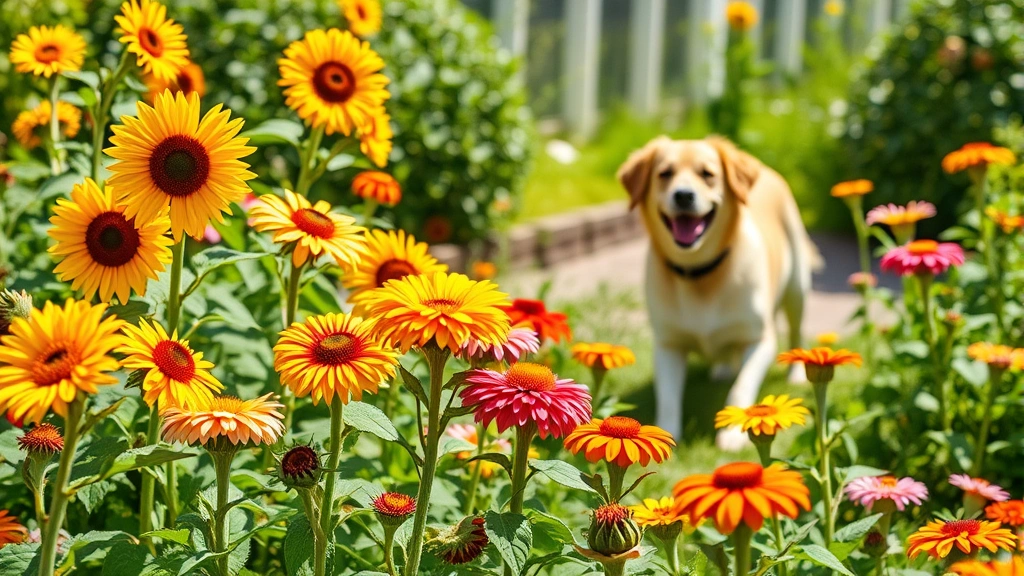
What to Do If Your Dog Eats Mums
If you suspect your dog has eaten mums, don’t panic. Follow these steps to ensure your pet receives appropriate care:
- Identify what was eaten – Try to determine how much of the plant your dog consumed and which parts. This information will be valuable for your veterinarian.
- Contact your veterinarian immediately – Call your vet right away, even if symptoms haven’t appeared yet. They may recommend bringing your dog in for an examination.
- Call the ASPCA Animal Poison Control Center – You can reach them at 888-426-4435 for professional guidance specific to your situation.
- Do not induce vomiting without professional guidance – While inducing vomiting in dogs can be helpful in some poisoning cases, it’s not always appropriate for plant ingestion. Your vet will advise whether this is necessary.
- Monitor your dog closely – Watch for the symptoms listed above and report any changes to your veterinarian.
Your veterinarian may recommend supportive care such as IV fluids, anti-nausea medication, or activated charcoal to help bind toxins in the digestive system. In most cases, dogs recover fully within 24-72 hours with appropriate treatment.
Prevention Strategies
The best approach to keeping your dog safe from mum poisoning is prevention. Here are practical strategies to protect your furry friend:
In Your Home:
- Avoid bringing mums indoors as decorations, especially during fall when they’re widely available
- If you do display cut mums, place them in a location your dog cannot access, such as a high shelf or closed room
- Consider using dog-safe alternatives for autumn decorating, such as gourds, corn stalks, or artificial decorations
- Teach your dog the “leave it” command to discourage plant exploration
In Your Garden:
- Remove mums from areas where your dog has outdoor access
- Create a designated dog-friendly zone in your yard, free from toxic plants
- Supervise outdoor playtime, especially with young or curious dogs
- Fence off garden beds where mums or other toxic plants are growing
- Consider using barriers or plant covers to prevent access
For additional plant safety information, learn about other common toxic plants like lilies toxic to dogs, azaleas poisonous to dogs, and hostas poisonous to dogs to create a comprehensive safety plan.
Other Toxic Plants to Avoid
While mums are a concern, they’re just one of many household and garden plants that can be dangerous to dogs. Understanding the broader landscape of plant toxicity helps you create a safer environment for your pet.
Common Toxic Plants Include:
- Lilies – Extremely toxic, especially to cats, but also dangerous for dogs
- Azaleas and Rhododendrons – Contain grayanotoxins that affect the heart and digestive system
- Sago Palm – One of the most toxic plants for dogs; even small amounts can cause severe liver damage
- Oleander – Highly toxic with cardiac effects
- Foxglove – Can cause heart problems and gastrointestinal issues
- Daffodils and Narcissus – Bulbs are particularly toxic
- Chocolate-containing plants – If your dog eats other toxic substances, review our guide on what to do if your dog eats chocolate for comparison on emergency response
The American Kennel Club (AKC) provides a comprehensive list of toxic plants that’s worth bookmarking for future reference. Additionally, understanding what smells dogs hate can help you use natural deterrents to keep your dog away from dangerous plants.
Creating a Dog-Safe Garden:
Instead of toxic plants, consider these dog-safe alternatives for your garden and home:
- Sunflowers (non-toxic and cheerful)
- Roses (non-toxic, though thorns require supervision)
- Boston ferns
- Spider plants
- African violets
- Zinnias
- Marigolds
Many veterinarians recommend consulting with a landscaper who has experience with pet-safe gardens if you’re planning significant outdoor renovations.
Frequently Asked Questions
Can dogs die from eating mums?
Death from mum ingestion is extremely rare. While mums are toxic to dogs, they’re classified as mildly toxic, and serious complications are uncommon. Most dogs recover fully with supportive veterinary care. However, you should still treat any ingestion seriously and contact your veterinarian promptly.
How much of a mum plant is dangerous to a dog?
There isn’t a specific “safe” amount. Even small quantities of mums can cause symptoms in some dogs, particularly small breeds or dogs with sensitive stomachs. To be safe, assume that any ingestion warrants veterinary attention, especially if your dog shows symptoms.
Are all types of mums equally toxic?
Most chrysanthemum varieties contain similar levels of pyrethrins, so they’re generally considered equally toxic. However, potted mums used as decorations may have pesticides applied to them, which could increase toxicity. Always ask florists whether plants have been treated with chemicals.
What should I do if my dog ate mum flowers but no leaves?
While flowers are generally less toxic than leaves and stems, they still contain pyrethrins. Monitor your dog closely for symptoms and contact your veterinarian if any signs of distress appear. It’s better to err on the side of caution with any plant ingestion.
Can mums cause long-term damage to dogs?
In the vast majority of cases, mum ingestion causes only temporary gastrointestinal upset with no lasting effects. Once symptoms resolve, your dog should return to normal health without complications. However, repeated exposures could theoretically increase risk, so prevention remains important.
Are mums toxic if they’re dried?
Yes, dried mums retain their toxic compounds. While the concentration may be different than fresh flowers, dried mums should still be kept away from dogs. This includes dried flower arrangements and potpourri that may contain mum petals.
How quickly do symptoms appear after eating mums?
Symptoms typically appear within 1-24 hours of ingestion, though some dogs may show signs more quickly. The timing depends on the amount consumed, the dog’s metabolism, and individual sensitivity. Don’t wait for symptoms to develop—contact your vet immediately if you know your dog ate mums.
Can I use mums as decorations if I keep my dog away from them?
Technically yes, but it requires vigilance. If you choose to display mums, ensure they’re in a completely inaccessible location where your dog cannot reach them, even if unsupervised. Many pet owners find it simpler to avoid mums altogether during fall and holiday seasons.





