
Are Wiener Dogs Hypoallergenic? What Experts Say
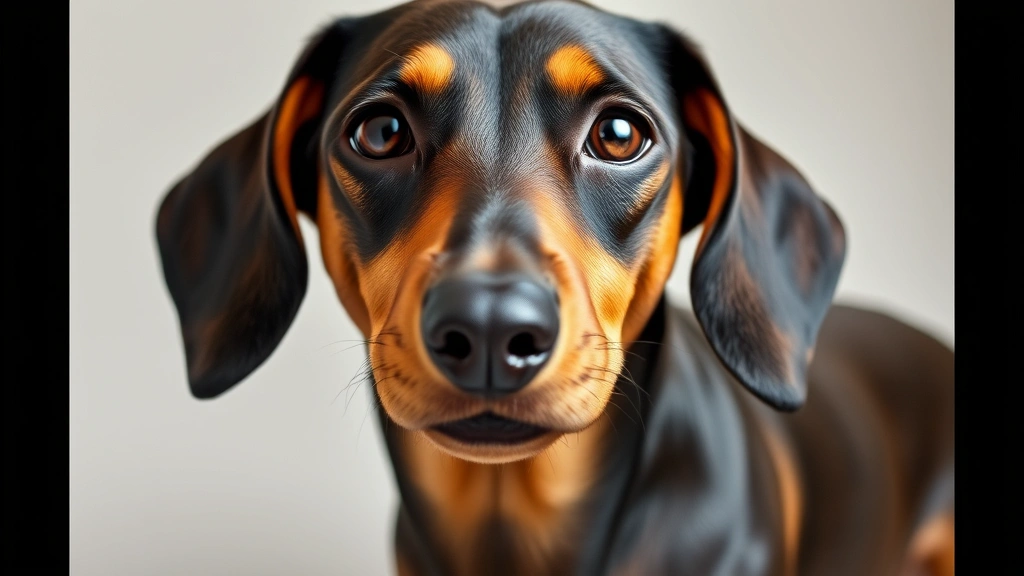
If you’re considering adding a dachshund to your family but worried about allergies, you’ve probably wondered: are wiener dogs hypoallergenic? It’s a common question among prospective pet parents, especially those with sensitive immune systems. The short answer is no—dachshunds are not hypoallergenic dogs. However, the full story is more nuanced, and understanding what makes certain breeds trigger allergies can help you make an informed decision.
Wiener dogs, with their adorable long bodies and charming personalities, are beloved by many dog enthusiasts. But if you or a family member suffers from dog allergies, it’s crucial to know what you’re getting into before bringing one home. This guide will explore everything you need to know about dachshunds and allergies, including what causes dog allergies, how dachshunds compare to other breeds, and practical solutions for allergy sufferers who want a canine companion.
What Actually Causes Dog Allergies
Before we can determine whether wiener dogs are hypoallergenic, we need to understand what actually triggers dog allergies in humans. Contrary to popular belief, it’s not the dog’s fur itself that causes allergic reactions. Instead, allergies stem from proteins found in dog saliva, urine, and most significantly, dead skin cells called dander.
When a dog sheds, these microscopic dander particles become airborne and settle on surfaces throughout your home. They can also be inhaled directly, triggering allergic responses in sensitive individuals. The American Kennel Club explains that no dog breed is truly 100% hypoallergenic, though some produce fewer allergens than others.
The severity of allergic reactions varies from person to person and can depend on several factors: the individual’s immune sensitivity, the dog’s grooming habits, your home’s ventilation, and how frequently you’re exposed to the dog. Some people with mild allergies might tolerate certain breeds better than others, while those with severe allergies may struggle with any dog.
Understanding the Dachshund Coat
Dachshunds come in three coat varieties: smooth, wirehaired, and longhaired. Each type has different shedding patterns and allergen production levels. Understanding your specific wiener dog’s coat type is essential when considering allergies.
Smooth-Coated Dachshunds: These dogs have short, sleek coats that shed consistently year-round. They’re moderate to heavy shedders, especially during seasonal changes when they “blow their coat.”
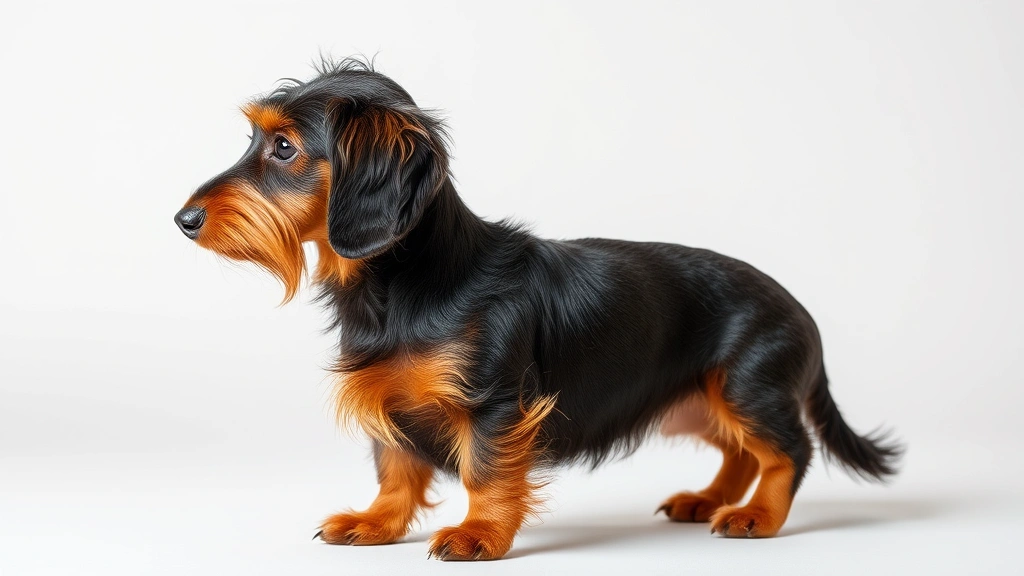
Wirehaired Dachshunds: With their distinctive rough, dense coats, wirehaired dachshunds actually shed less noticeably than their smooth-coated cousins. However, they still produce significant dander.
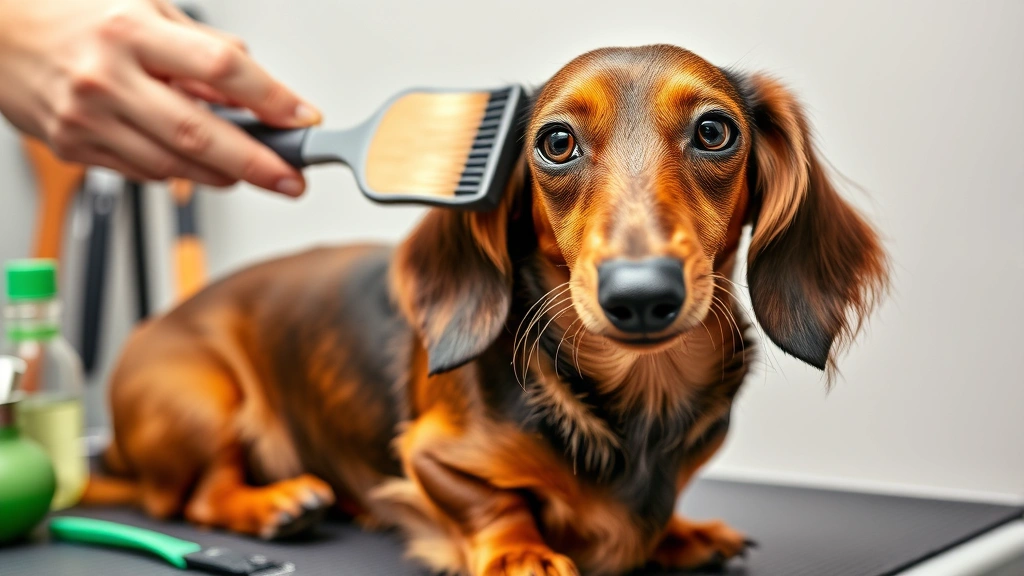
Longhaired Dachshunds: Despite their longer fur, longhaired dachshunds aren’t necessarily heavier shedders than smooth-coated varieties. The longer hair can trap some dander, but it’s still released during grooming and natural shedding cycles.
None of these coat types makes dachshunds hypoallergenic or even particularly allergy-friendly. The allergen issue isn’t about hair length or texture—it’s about the dander production that accompanies all three coat varieties.
The Hypoallergenic Dog Myth
The term “hypoallergenic dog” has become increasingly popular in pet marketing, but it’s largely a myth. The ASPCA clarifies that hypoallergenic dogs don’t truly exist, though some breeds produce fewer allergens than others.
Breeds marketed as hypoallergenic—like Poodles, Portuguese Water Dogs, and Bichon Frises—typically have hair rather than fur and shed minimally. However, they still produce dander, saliva proteins, and urine proteins that trigger allergies. They’re simply lower in allergen production compared to heavy-shedding breeds like dachshunds.
Wiener dogs fall firmly into the category of dogs that are not hypoallergenic. Their consistent shedding and dander production make them a poor choice for allergy sufferers looking for a truly allergy-friendly companion. If you’re considering a dachshund despite allergies, it’s important to have realistic expectations about what you’ll face.
How Much Dander Do Wiener Dogs Produce
Dachshunds produce a moderate to high amount of dander relative to their small size. Because they’re compact dogs, you might think their allergen output would be minimal, but this isn’t necessarily true. A small dog shedding heavily can produce just as much allergen per square inch of skin as a larger breed.
Seasonal shedding intensifies the allergen problem. During spring and fall, when dachshunds shed their undercoats, allergen levels in your home can spike significantly. This is when allergy sufferers typically experience the worst symptoms around their wiener dogs.
Interestingly, factors beyond genetics affect allergen production. A dog’s diet, stress level, skin health, and overall wellness can influence how much dander they shed. Dogs with skin conditions or dandruff issues produce even more allergens. If your dachshund develops skin problems, the allergic response could worsen significantly.
Research from veterinary dermatologists shows that individual dogs of the same breed can vary considerably in allergen production. Some dachshunds might trigger fewer symptoms than others, but this is unpredictable and shouldn’t be relied upon when making your decision.
Managing Allergies With a Dachshund
If you’re determined to have a wiener dog despite allergies, several strategies can help minimize your allergic reactions. While these won’t eliminate the problem entirely, they can make cohabitation more manageable.
Regular Grooming: Bathing your dachshund weekly and brushing them several times weekly can significantly reduce dander. Regular grooming removes loose hair and dead skin cells before they become airborne allergens. Professional grooming every 4-6 weeks provides additional allergen reduction.
Home Environment Control: Invest in a high-efficiency particulate air (HEPA) filter for your home’s HVAC system. HEPA vacuum cleaners designed to trap allergens are also essential. Consider keeping your dachshund out of bedrooms and off furniture where you spend extended time.
Medication and Immunotherapy: Talk to your allergist about antihistamines, nasal sprays, or immunotherapy options. Some people find that managing their allergies medically makes dog ownership feasible. Your doctor might recommend treatments that help with allergic responses, though remember these treat your symptoms, not the dog’s allergen production.
Dietary Supplements: Some evidence suggests that omega-3 fatty acids in your dachshund’s diet can improve skin health and reduce shedding. Discuss supplements with your veterinarian before adding them to your dog’s routine.
Washing Hands and Clothes: After petting or playing with your dachshund, wash your hands immediately. Change clothes and shower if symptoms are severe. This prevents allergens from accumulating on your skin and in your hair.
Air Purifiers: Standalone HEPA air purifiers in frequently used rooms can trap airborne allergens. Running them continuously, especially during shedding season, helps maintain lower allergen levels.
More Hypoallergenic Alternatives
If you’re looking for a small companion dog but concerned about allergies, several breeds might be better choices than dachshunds. While no dog is truly hypoallergenic, these alternatives produce fewer allergens:
- Poodles (Toy and Miniature): These intelligent dogs have hair rather than fur and shed minimally. They require regular professional grooming but produce significantly fewer allergens than dachshunds.
- Bichon Frises: With their curly, non-shedding coats, Bichon Frises are among the better options for allergy sufferers. They’re also small and affectionate, similar in temperament to dachshunds.
- Maltese Dogs: These tiny, white dogs have long hair but minimal shedding. They’re gentle and make excellent companion animals.
- Yorkshire Terriers: Yorkies have hair similar to human hair and shed very little. They’re small, spirited, and often recommended for allergy sufferers.
- Schnauzers (Miniature): While not completely non-shedding, Miniature Schnauzers shed less than dachshunds and can be good alternatives for those with mild allergies.
If you have your heart set on a dachshund despite allergies, be honest with yourself about your symptoms’ severity. Mild allergies might be manageable with the strategies mentioned above, but severe allergies could make dachshund ownership miserable for both you and the dog.
Frequently Asked Questions
Are dachshunds good for people with allergies?
No, dachshunds are not a good choice for people with dog allergies. They’re moderate to heavy shedders that produce significant dander. If you have allergies, breeds specifically developed to minimize shedding would be much better options.
Do all dachshund coat types shed equally?
While all three coat types shed, smooth-coated dachshunds tend to shed the most noticeably. Wirehaired and longhaired varieties might shed slightly less visibly, but all produce considerable dander and allergens.
Can I become less allergic to my dachshund over time?
Some people develop a slight tolerance to their specific dog’s allergens over time, but this is not guaranteed and shouldn’t be relied upon. Additionally, during shedding seasons, even previously tolerated dogs can trigger worse symptoms.
What’s the difference between dog allergies and dog hair sensitivity?
Dog allergies are immune responses to proteins in dander, saliva, and urine. Hair sensitivity is different—some people are bothered by hair itself. Understanding which you have helps determine if a lower-shedding breed might work for you. Learn more about how allergies work in pets to better understand the mechanisms.
Should I get allergy tested before getting a dachshund?
Absolutely. If you suspect you have dog allergies, get tested before committing to any dog, especially a breed like dachshunds that shed significantly. Spend time around dachshunds before adoption to see how your body reacts.
Can grooming reduce allergens enough to make dachshunds manageable?
Regular grooming can reduce allergens, but it won’t eliminate them. For severely allergic individuals, even frequent grooming won’t make dachshund ownership comfortable. However, those with mild allergies might find that weekly baths and frequent brushing make a noticeable difference.
Are male or female dachshunds less allergenic?
There’s no significant difference in allergen production between male and female dachshunds. Both produce similar levels of dander and allergens regardless of sex.
What should I do if I already have a dachshund and developed allergies?
First, consult your doctor about allergy management options. Implement the home environment controls mentioned earlier: HEPA filters, frequent grooming, and keeping your dog out of bedrooms. Your veterinarian can also discuss options for improving your dog’s skin health, which may reduce shedding. Some people successfully manage their allergies this way, while others may need to make difficult decisions about rehoming.
Do dachshund mixes shed less than purebreds?
This depends entirely on what the dachshund is mixed with. A dachshund mixed with a low-shedding breed like a Poodle might produce fewer allergens than a purebred dachshund. However, there’s no guarantee, and you should research both parent breeds before assuming a mix will be more allergy-friendly.
Can supplements help reduce my dachshund’s shedding and allergen production?
Omega-3 and omega-6 fatty acid supplements may improve skin health and reduce excessive shedding in some dogs. However, they won’t eliminate allergen production. Discuss any supplements with your veterinarian before adding them to your dachshund’s diet, and maintain realistic expectations about their effectiveness.





