

Can Cats Eat Dog Treats? What Experts Say
If you’re a multi-pet household, you’ve probably wondered whether it’s safe for your feline friend to snack on dog treats. It’s a common scenario: your cat spots a tasty dog treat and suddenly becomes very interested in what Fido is munching on. While the occasional dog treat might not cause immediate harm, the question of whether cats can safely eat dog treats deserves a thorough examination. Understanding the nutritional differences between cats and dogs is essential for keeping both pets healthy and happy.
Cats and dogs have fundamentally different dietary requirements, and this distinction becomes crucial when considering cross-species snacking. Dogs are facultative omnivores, meaning they can thrive on a varied diet that includes both meat and plant-based ingredients. Cats, on the other hand, are obligate carnivores with very specific nutritional needs. This biological difference means that dog treats are formulated with dog nutrition in mind, not feline health. Before allowing your cat to indulge in dog treats, it’s important to understand the potential risks and what veterinarians recommend.
In this comprehensive guide, we’ll explore what experts say about cats eating dog treats, examine the nutritional differences, identify potential health risks, and provide practical advice for managing treats in a multi-pet home. Whether you’re concerned about your cat stealing from the dog’s treat jar or considering giving your cat a dog treat, this article will help you make informed decisions about your pets’ snacking habits.
Nutritional Differences Between Cats and Dogs
Understanding why cats and dogs have different nutritional requirements is fundamental to answering whether cats can eat dog treats. The biological differences between these species have evolved over thousands of years, resulting in distinct metabolic needs. Cats require specific amino acids, vitamins, and nutrients that dogs don’t necessarily need in the same quantities or forms.
One of the most critical differences is taurine, an essential amino acid that cats cannot synthesize on their own and must obtain through their diet. Dogs can produce taurine naturally, so dog food and treats don’t typically contain the high levels that cats require. Without adequate taurine, cats can develop serious health conditions, including dilated cardiomyopathy, a heart disease that can be life-threatening. This is just one reason why cat-specific nutrition is so important.
Additionally, cats require vitamin A in its preformed state (retinol), while dogs can convert beta-carotene into vitamin A. Cats also have different protein requirements than dogs, needing higher protein percentages in their diet to maintain muscle mass and support their metabolism. These nutritional nuances mean that dog treats, which are formulated to meet canine nutritional standards, may not provide the right nutritional profile for feline health.

Are Dog Treats Safe for Cats?
The short answer is: it depends. An occasional dog treat is unlikely to cause serious harm to most healthy adult cats, but it’s not ideal and shouldn’t become a regular practice. According to veterinary nutritionists, while a single dog treat won’t typically cause an emergency, making dog treats a regular part of a cat’s diet can lead to nutritional imbalances and health problems over time.
The American Animal Hospital Association (AAHA) and veterinary experts generally agree that cats should receive treats specifically formulated for feline nutrition. Dog treats may contain ingredients, additives, or nutrient ratios that aren’t appropriate for cats. Some dog treats might be high in sodium or fat, which could be problematic for cats with certain health conditions. Additionally, the size of dog treats is often inappropriate for cats, posing potential choking hazards.
If your cat has already eaten a dog treat, don’t panic. One incident is rarely cause for concern, especially if your cat is healthy. However, if your cat regularly consumes dog treats or shows signs of digestive upset, vomiting, or behavioral changes, contact your veterinarian. It’s also worth noting that the risk level varies depending on which specific dog treat your cat consumed and your cat’s individual health status.
Potential Health Risks
Several health risks are associated with cats regularly consuming dog treats. The most significant concern is nutritional imbalance. Since dog treats aren’t formulated to meet feline nutritional requirements, regular consumption could lead to deficiencies in essential nutrients like taurine, arachidonic acid, and certain vitamins.
Gastrointestinal upset is another common risk. Cats have more sensitive digestive systems than dogs, and the different ingredients in dog treats can cause vomiting, diarrhea, or constipation. If your cat suddenly has access to dog treats and experiences digestive issues, this could be the culprit. Some dog treats contain high levels of fiber or fat that cats may not tolerate well.
Obesity is a significant concern in multi-pet households where cats have access to dog treats. Many dog treats are calorie-dense, and since cats are typically smaller than dogs, a single treat can represent a much larger percentage of their daily caloric intake. Overweight cats face increased risks for diabetes, joint problems, and heart disease.
Allergic reactions and food sensitivities are also possible. While less common, some cats may react negatively to specific ingredients in dog treats. Additionally, certain dog treats may contain ingredients that differ from what cats typically consume, potentially triggering adverse reactions.
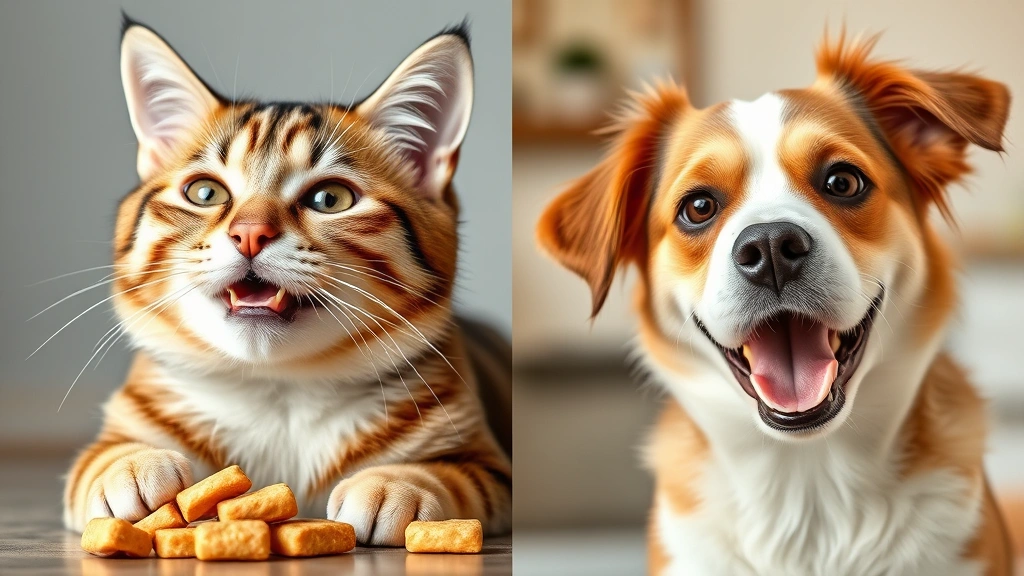
Problematic Ingredients in Dog Treats
Many commercial dog treats contain ingredients that are problematic for cats. Let’s examine some common culprits found in dog treats that you should be aware of.
Onions and Garlic: Some dog treats contain onion or garlic powder for flavoring. These ingredients are toxic to cats and can damage their red blood cells, leading to hemolytic anemia. Even small amounts can be harmful, so this is a serious concern when considering whether your cat should eat dog treats.
Xylitol: This artificial sweetener is increasingly common in dog treats marketed as low-sugar or sugar-free options. While xylitol is toxic to dogs, it’s also dangerous for cats, causing rapid insulin release and potentially leading to hypoglycemia and liver damage.
Excessive Sodium: Many dog treats are high in sodium, which can be problematic for cats, especially those with hypertension or kidney disease. Cats don’t require as much sodium as dogs, and excessive intake can contribute to health issues.
Artificial Preservatives and Colors: Some dog treats contain artificial preservatives like BHA, BHT, or ethoxyquin, as well as artificial food colorings. While these are approved for dog consumption, their long-term effects on cats are less well-studied and potentially concerning.
High Fat Content: Dog treats are often higher in fat than what’s appropriate for cats. This can contribute to pancreatitis and obesity, particularly in sedentary cats. Cats don’t require the same fat levels as dogs and may struggle to digest excessive amounts.
Corn and Soy: While not toxic, these fillers are common in lower-quality dog treats and provide little nutritional value for cats. Cats are obligate carnivores and don’t require plant-based fillers in their diet.
Safe Treat Alternatives for Cats
If you want to give your cat treats, the best approach is to choose options specifically formulated for feline nutrition. Cat treats are designed with your feline friend’s unique dietary requirements in mind and are much safer than dog treats.
Commercial Cat Treats: Look for high-quality cat treats that list meat as the primary ingredient and include taurine. Many reputable pet food manufacturers offer excellent cat treat options that are nutritionally balanced and delicious.
Freeze-Dried Meat: Plain freeze-dried chicken, turkey, or beef treats are excellent options for cats. These contain minimal ingredients and provide high-quality protein without additives or artificial preservatives.
Cooked Chicken: Plain, unseasoned cooked chicken is a safe and healthy treat for cats. Cut it into small, bite-sized pieces and offer it occasionally as a special reward.
Fish-Based Treats: Many cats love fish, and fish-based treats can be a wonderful option. Look for treats made from salmon or other fish that are specifically formulated for cats.
Pumpkin: Plain pumpkin puree (not pie filling) can be a healthy treat for cats, especially those with digestive issues. It’s low in calories and provides beneficial fiber.
Understanding the relationship between what dogs can eat from cat food sources helps illustrate why the reverse isn’t true either. Just as dog food isn’t ideal for cats, cat food isn’t ideal for dogs, though the risks are somewhat different. This bidirectional incompatibility reinforces the importance of species-appropriate nutrition.
Managing Treats in Multi-Pet Households
If you have both cats and dogs, managing treats becomes more complex. The key is creating a system that prevents your cat from accessing dog treats while ensuring your dog doesn’t eat cat treats. Learn more about why cat food poses risks for dogs to better understand the importance of separation.
Separate Feeding Areas: The most effective strategy is to feed your cats and dogs in different locations. Feed your dog treats in an area where your cat cannot access them, such as a separate room with a baby gate that allows dogs to pass but keeps cats out.
Elevated Feeding Stations: Cats can jump to elevated surfaces that dogs cannot reach. Consider placing your cat’s treats and food on a high shelf or elevated platform that’s inaccessible to your dog.
Individual Storage: Store dog treats and cat treats in clearly labeled, separate containers. Keep them in different locations to prevent accidental mix-ups and to make it easier to ensure each pet receives appropriate treats.
Timing and Supervision: Give treats at different times when you can supervise each pet. This prevents your cat from wandering over to the dog’s treat area while the dog is eating.
Training: Train your dog to eat treats only in designated areas or from your hand. This reduces the temptation for your cat to investigate and helps establish boundaries.
For households with multiple pets, it’s also helpful to understand behavioral dynamics. If you’re introducing a cat to a dog, establishing treat boundaries early can prevent problems later. Additionally, understanding cognitive differences between cats and dogs can help you anticipate which pet might be more likely to steal treats and plan accordingly.
Some pet owners also wonder about allergic reactions between species, which is another reason to maintain clear separation between pet supplies and feeding areas.
Frequently Asked Questions
What should I do if my cat ate a dog treat?
If your cat ate a single dog treat, there’s usually no need to panic. Most healthy adult cats will be fine after eating one dog treat. Monitor your cat for any signs of digestive upset, such as vomiting, diarrhea, or loss of appetite. If these symptoms develop or persist, or if your cat ate multiple dog treats or a treat containing toxic ingredients like xylitol, onion, or garlic, contact your veterinarian immediately.
Are all dog treats dangerous for cats?
Not all dog treats are equally dangerous for cats. Simple dog treats made from plain meat with minimal ingredients are less risky than treats containing artificial preservatives, sweeteners, or toxic ingredients. However, even safe-seeming dog treats aren’t nutritionally appropriate for cats and shouldn’t be given regularly. Cat-specific treats are always the better choice.
Can cats have dog biscuits?
Dog biscuits are generally not recommended for cats. They’re often high in carbohydrates and low in the protein and taurine that cats need. Additionally, the hard texture can be difficult for cats to chew, and the ingredients are formulated for canine nutrition, not feline. Stick with cat-specific biscuits or treats designed for feline dietary needs.
How often can cats have treats?
Treats should make up no more than 10% of a cat’s daily caloric intake, with the remaining 90% coming from complete and balanced cat food. This means if your cat needs 200 calories per day, only 20 calories should come from treats. For most cats, this translates to one or two small treats per day, or a few treats several times per week.
What are the signs that a cat has eaten something they shouldn’t?
Signs that a cat has eaten something inappropriate include vomiting, diarrhea, constipation, loss of appetite, lethargy, abdominal pain (indicated by hunching or sensitivity to touch), excessive drooling, or behavioral changes. If you notice any of these symptoms after your cat has eaten a dog treat or any other non-food item, contact your veterinarian.
Are there any dog treats that are safe for cats?
While some simple dog treats made from plain meat might not cause immediate harm, they’re still not ideal for cats because they’re not formulated to meet feline nutritional requirements. It’s always better to choose treats specifically made for cats. If you want to give your cat a simple meat-based treat, plain cooked chicken or freeze-dried meat treats designed for cats are much better options than dog treats.





