

Can Dogs Carry Bed Bugs? Expert Insights
If you’ve ever dealt with a bed bug infestation, you know how stressful and frustrating the experience can be. These tiny parasites seem to appear out of nowhere and spread like wildfire through your home. As a pet owner, you might be wondering: can my dog actually carry bed bugs? It’s a legitimate concern that many people overlook when addressing pest problems in their homes.
The short answer is yes—dogs can carry bed bugs, though they’re not the primary target or preferred host for these parasites. Understanding how bed bugs interact with our furry companions is crucial for effective pest management and protecting your entire household. This comprehensive guide will explore the relationship between dogs and bed bugs, helping you identify potential problems and take preventative action.
Whether you’re currently dealing with an infestation or simply want to protect your pet and home, this article will provide you with expert insights and practical solutions to keep your dog safe from bed bugs.
Do Dogs Actually Carry Bed Bugs?
Bed bugs are opportunistic parasites that feed on the blood of warm-blooded animals, including humans and dogs. However, dogs are not their preferred hosts. Bed bugs have evolved to thrive in human environments, particularly in bedding, mattresses, and furniture where they can easily access sleeping humans. That said, bed bugs can and will bite dogs if the opportunity presents itself, especially if there’s an active infestation in your home.
The key distinction is that while dogs can carry bed bugs on their fur and skin, they’re unlikely to be the source of a primary infestation. Instead, dogs typically pick up bed bugs from infested environments—your home, hotel rooms, or other locations where bed bugs are present. Once on your dog, bed bugs may travel with your pet from room to room, potentially spreading the infestation further throughout your house.
According to pet health experts, bed bugs prefer to remain close to their human hosts during the day, hiding in cracks and crevices near sleeping areas. However, if your dog sleeps in your bed or on furniture with bed bugs, they could pick up these parasites and transport them to other locations in your home.
How Bed Bugs Transmit Between Hosts
Understanding transmission is essential for preventing bed bug spread in your household. Bed bugs move from host to host in several ways, and knowing these methods helps you take appropriate preventative measures.
Direct Contact: If your dog comes into contact with bed bugs in infested furniture or bedding, the parasites can crawl onto their fur. Bed bugs are surprisingly mobile and can move quickly across surfaces to find a host. Once on your dog, they may stay for a feeding or simply use your pet as temporary transportation to reach other areas of your home.
Environmental Transfer: Bed bugs can fall off infested hosts and hide in your dog’s bedding, toys, or favorite resting spots. Your pet might then carry these bugs to your bedroom or other areas where you spend time, potentially reintroducing them to human hosts.
Traveling with Infested Items: If you bring home contaminated luggage, furniture, or clothing from an infested location, your dog could pick up bed bugs from these items. This is particularly common after hotel stays or visits to homes with active infestations.
It’s important to note that bed bugs don’t live permanently on dogs the way dogs can get fleas. Instead, they treat your dog as a temporary host or vehicle for transportation. This distinction is crucial for treatment and prevention strategies.
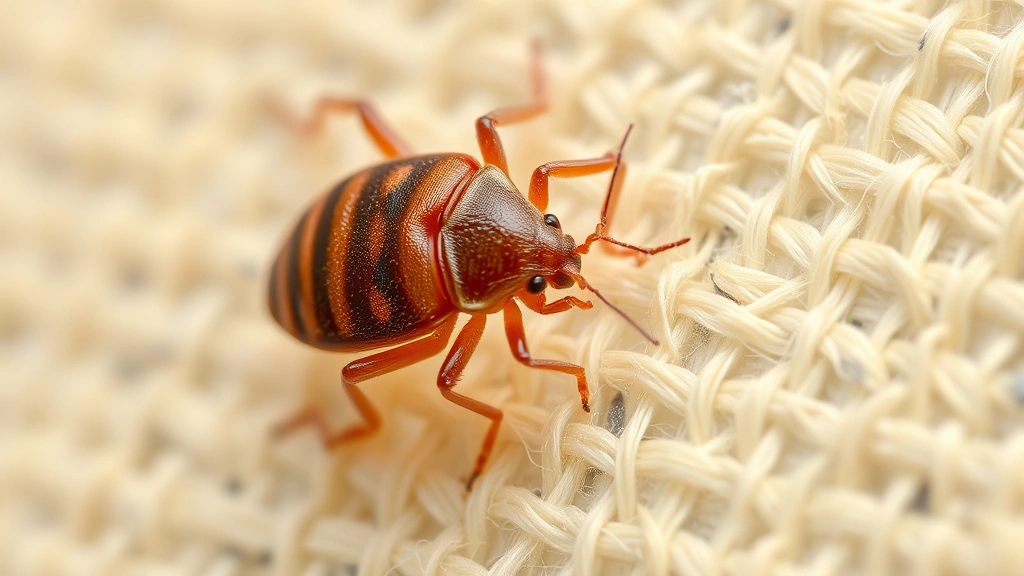
Signs Your Dog May Have Bed Bugs
Detecting bed bugs on your dog requires careful observation. Unlike fleas, which are often more visible and cause noticeable scratching, bed bug infestations on dogs can be subtle. Here are the warning signs to watch for:
- Unexplained bites or welts: Small, red, itchy bumps on your dog’s skin, particularly on exposed areas or where they rest against furniture
- Excessive scratching or licking: If your dog suddenly becomes more itchy than usual, investigate the cause beyond typical what causes hot spots on dogs
- Restlessness at night: Bed bugs are most active during nighttime hours, so your dog may seem agitated or unable to settle down for sleep
- Dark specks in bedding: Look for small black or dark brown spots in your dog’s bed, which could be bed bug droppings or the bugs themselves
- Visible bed bugs: You might occasionally spot actual bed bugs on your dog’s fur, though this is less common than finding them in your home’s furniture
- Allergic reactions: Some dogs develop allergic responses to bed bug bites, resulting in more pronounced swelling and irritation
The challenge with identifying bed bugs on dogs is that dogs don’t provide the ideal feeding environment for these parasites. Bed bugs prefer hairless or sparsely haired areas, so they’re more likely to bite exposed skin. Additionally, your dog’s natural grooming behavior may remove some bed bugs before they can establish themselves.
Prevention Strategies for Pet Owners
Preventing bed bug infestations is far easier than treating them. As a dog owner, you have several strategies at your disposal to keep both your pet and your home protected.
Regular Home Inspections: Check your mattress, box spring, and bed frame regularly for signs of bed bugs. Look in the seams, folds, and dark crevices where these parasites hide. Extend your inspection to furniture where your dog rests, including dog beds, couches, and chairs.
Protect Your Dog’s Sleeping Area: Use protective covers on dog beds and wash them frequently in hot water. Consider keeping your dog’s bed in a location away from your bedroom if you suspect any infestation risk. Elevated dog beds can be easier to inspect and less likely to harbor bed bugs than floor-level options.
Maintain Cleanliness: Wash your dog’s bedding, blankets, and toys weekly in hot water. Regular vacuuming of areas where your dog spends time can help remove bed bugs and their eggs before an infestation takes hold.
Be Cautious When Traveling: When staying in hotels or visiting homes, inspect sleeping areas before bringing your dog into the room. Keep your dog’s bedding separate from hotel furnishings, and inspect your luggage before bringing it home. Upon returning from travel, wash all items that came into contact with potentially infested environments.
Monitor for Other Parasites: While addressing bed bug concerns, don’t neglect other common parasites. Understanding how dogs get fleas and maintaining regular flea prevention is essential for overall pet health. Some dogs may confuse symptoms of different parasitic infections, so comprehensive prevention is important.

Treatment Options and Solutions
If you discover bed bugs in your home or on your dog, immediate action is necessary. Treatment typically involves both professional pest control and home remediation.
Professional Pest Control: Contact a licensed pest control professional who specializes in bed bug treatment. They have access to effective pesticides and heat treatment methods that can eliminate bed bugs from your home. When using pest control services, ensure the products are safe for pets and follow all safety guidelines provided by the professional.
Home Treatment: Wash all bedding, dog beds, and fabrics in hot water (at least 113°F) and dry on high heat. Vacuum thoroughly and dispose of vacuum bags immediately in sealed containers. Declutter your home to reduce hiding spots for bed bugs. According to ASPCA guidelines, maintaining a clean environment is crucial for successful treatment.
Dog-Specific Considerations: Unlike treatment for dog fleas that can live on humans, bed bug treatment on dogs is less common because bed bugs don’t establish permanent colonies on pets. However, if your veterinarian suspects bed bugs on your dog, they may recommend bathing your dog with a medicated shampoo or applying a topical treatment. Never apply pesticides to your dog without veterinary guidance.
Follow-up Inspections: After initial treatment, continue inspecting your home and dog regularly for several weeks. Bed bugs can hide in difficult-to-reach places and may require multiple treatment rounds for complete elimination.
Other Parasites: Fleas vs. Bed Bugs
Pet owners often confuse bed bug infestations with flea problems, but these are distinct issues requiring different approaches. Understanding the differences helps ensure you’re addressing the right problem.
Flea Infestations: Fleas are external parasites that live permanently on dogs and reproduce on their skin. If you suspect your dog has fleas, learning what do fleas look like on dogs is essential. Fleas are typically visible to the naked eye and cause more intense itching and scratching in most dogs. They’re also more likely to establish a primary infestation on your pet.
Bed Bug Infestations: Bed bugs don’t live on dogs permanently. Instead, they visit to feed and hide in your home’s environment. They’re smaller and harder to spot, and they primarily target humans. Bed bug bites may appear similar to flea bites, but the pattern and location differ.
Prevention Overlap: While how to clean dog ears focuses on specific grooming needs, both flea and bed bug prevention benefit from regular home cleaning and maintenance. Keeping your dog’s environment clean and checking regularly for parasites helps prevent multiple pest problems simultaneously.
If you’re unsure which parasite is affecting your dog, consult your veterinarian. They can perform diagnostic tests to identify the specific pest and recommend appropriate treatment. The American Association of Feed Control Officials provides resources for understanding pet parasites and proper treatment protocols.
Frequently Asked Questions
Can bed bugs live permanently on my dog?
No, bed bugs cannot live permanently on dogs. Unlike fleas, which establish colonies on a dog’s skin and fur, bed bugs are temporary visitors. They may feed on your dog but will quickly return to hide in your home’s environment, particularly near human sleeping areas. Bed bugs prefer the relatively hairless human skin and the stable environment of bedding and furniture.
Will my dog get sick from bed bug bites?
Most dogs handle bed bug bites well without developing serious illness. However, some dogs may experience allergic reactions, resulting in increased itching, swelling, and potential skin infections from excessive scratching. If you notice severe reactions or signs of infection, contact your veterinarian immediately. Additionally, while rare, bed bugs can theoretically transmit certain pathogens, though this is uncommon in dogs.
How do I know if my dog has bed bugs versus fleas?
Bed bugs are typically smaller (about 4-5mm) compared to fleas (2-3mm), though both are small. Bed bugs are flat and brownish, while fleas are darker and more elongated. Flea infestations usually result in more visible parasites and intense scratching. Bed bug bites may appear in clusters or lines, often on exposed skin areas. Your veterinarian can help differentiate between the two if you’re unsure.
Can I use the same treatment for bed bugs and fleas on my dog?
No, you should not use the same treatments. Flea treatments are designed to kill fleas living on your dog’s skin. Since bed bugs don’t establish permanent residence on dogs, flea treatments won’t effectively address bed bugs. Moreover, using inappropriate treatments can harm your dog. Always consult your veterinarian before applying any pest control product to your pet.
What should I do if I find bed bugs in my home?
Contact a professional pest control company immediately. While waiting for professional treatment, wash all bedding and dog items in hot water, vacuum thoroughly, and reduce clutter. Keep your dog in a designated area if possible to minimize movement between rooms. Follow all safety guidelines provided by pest control professionals, especially regarding your pet’s safety during treatment.
Are bed bugs more likely to infest certain dog breeds?
Bed bugs don’t discriminate based on breed. However, dogs with longer, thicker coats may be slightly less attractive to bed bugs since these parasites prefer easier access to skin. Regardless of breed, all dogs can potentially carry bed bugs if exposed to infested environments. Regular inspections and preventative measures are important for every dog.
Can bed bugs transmit diseases to my dog?
While bed bugs can theoretically carry pathogens, disease transmission to dogs is extremely rare. Bed bugs primarily feed on blood and don’t inject saliva or other substances the way disease-carrying ticks do. The main concern with bed bugs on dogs is the potential for skin irritation, allergic reactions, and the spread of infestation throughout your home rather than disease transmission.





