

Can Dogs Drink Orange Juice? Vet-Approved Insights
As a dog owner, you’ve probably wondered about sharing your favorite beverages with your furry best friend. Orange juice is a staple in many households, packed with vitamin C and a refreshing taste that appeals to humans. But when it comes to your canine companion, the question becomes more complicated: can dogs drink orange juice?
The short answer is no—dogs should not drink orange juice. While oranges themselves can be safe in moderation, orange juice presents several concerns that veterinarians consistently advise against. This comprehensive guide will explore why orange juice isn’t suitable for dogs, what happens if your dog accidentally consumes it, and what safer alternatives you can offer instead.
Understanding your dog’s nutritional needs and dietary restrictions is crucial for their long-term health and wellbeing. Let’s dive into the science behind why this popular citrus beverage doesn’t belong in your dog’s bowl.
Why Dogs Shouldn’t Drink Orange Juice
Orange juice might seem like a healthy treat for humans, but it’s fundamentally different from what dogs’ digestive systems evolved to process. Dogs are facultative carnivores, meaning their bodies are optimized for a meat-based diet with minimal fruit intake. When we look at orange juice specifically, several red flags emerge for veterinarians.
The primary concerns include high sugar content, concentrated citric acid, and artificial additives in many commercial brands. Unlike whole fruits where fiber helps slow sugar absorption, juice concentrates all the sugars while removing beneficial fiber. This creates a rapid spike in blood glucose levels that can stress your dog’s pancreas and potentially contribute to obesity and diabetes over time.
Additionally, the concentration of acids in juice is significantly higher than in whole fruit. Dogs have a more neutral stomach pH compared to humans, making them more susceptible to acid-related irritation. Many veterinarians also note that dogs have no nutritional requirement for citrus fruits, making orange juice an unnecessary and potentially harmful addition to their diet.
If you’re curious about other juice options, you might wonder about whether dogs can drink apple juice, which shares similar concerns with orange juice regarding sugar content and acidity.
Citric Acid and Digestive Issues
Citric acid is the primary component that makes orange juice problematic for canine consumption. While small amounts of citric acid aren’t inherently toxic to dogs, concentrated juice contains levels that can trigger gastrointestinal distress.
When dogs consume acidic beverages, several digestive issues can occur:
- Stomach upset and nausea – The high acidity can irritate the stomach lining
- Vomiting and diarrhea – Common reactions to sudden acid exposure
- Tooth enamel erosion – Repeated exposure can damage dental health
- Oral irritation – Some dogs experience mouth soreness after citrus contact
- Pancreatitis risk – In severe cases, the digestive stress can trigger inflammation
The ASPCA notes that while oranges in moderation aren’t toxic, the concentrated acid in juice creates unnecessary digestive stress. Each dog’s sensitivity varies based on age, size, and existing health conditions, but the general consensus among veterinary professionals is that orange juice offers no benefit while carrying real risk.

The Sugar Problem
One eight-ounce glass of orange juice contains approximately 21 grams of sugar—more than a can of soda in some cases. For a medium-sized dog weighing 50 pounds, this represents an enormous sugar load relative to their body weight and daily caloric needs.
The sugar concentration in juice is particularly problematic because:
- No fiber buffer – Whole oranges contain fiber that slows sugar absorption; juice does not
- Rapid blood sugar spikes – This can overwhelm your dog’s insulin response
- Increased obesity risk – Regular consumption contributes to weight gain and metabolic issues
- Dental problems – Sugar feeds harmful bacteria in the mouth
- Diabetes development – Chronic high sugar intake increases diabetes risk significantly
Dogs don’t need added sugars in their diet at all. Their nutritional requirements are met through balanced commercial dog food or appropriate whole foods. If you’re concerned about providing variety, exploring whether dogs can drink cranberry juice might seem appealing, but similar sugar concerns apply to that beverage as well.
According to the American Kennel Club, treats including sugary beverages should comprise no more than 10% of a dog’s daily caloric intake. A single serving of orange juice would exceed this threshold for most dogs.
What to Do If Your Dog Drinks Orange Juice
If your dog has accidentally consumed orange juice, don’t panic. Small amounts typically won’t cause serious harm, though symptoms may develop depending on the quantity and your dog’s individual sensitivity.
Immediate steps to take:
- Note the amount consumed and time of ingestion
- Monitor your dog for signs of digestive upset over the next 4-6 hours
- Provide fresh water to help dilute the juice and support hydration
- Avoid giving additional food for 2-3 hours to let their stomach settle
- Watch for vomiting, diarrhea, lethargy, or abdominal discomfort
Common symptoms of orange juice ingestion include mild vomiting, loose stools, decreased appetite, and temporary lethargy. These symptoms typically resolve within 24 hours without intervention. However, if your dog shows severe symptoms, persistent vomiting, or signs of abdominal pain, contact your veterinarian immediately.
This situation differs from emergencies like what to do if your dog eats chocolate, which requires immediate veterinary attention. Orange juice toxicity is generally dose-dependent and self-limiting.
Safe Beverage Alternatives for Dogs
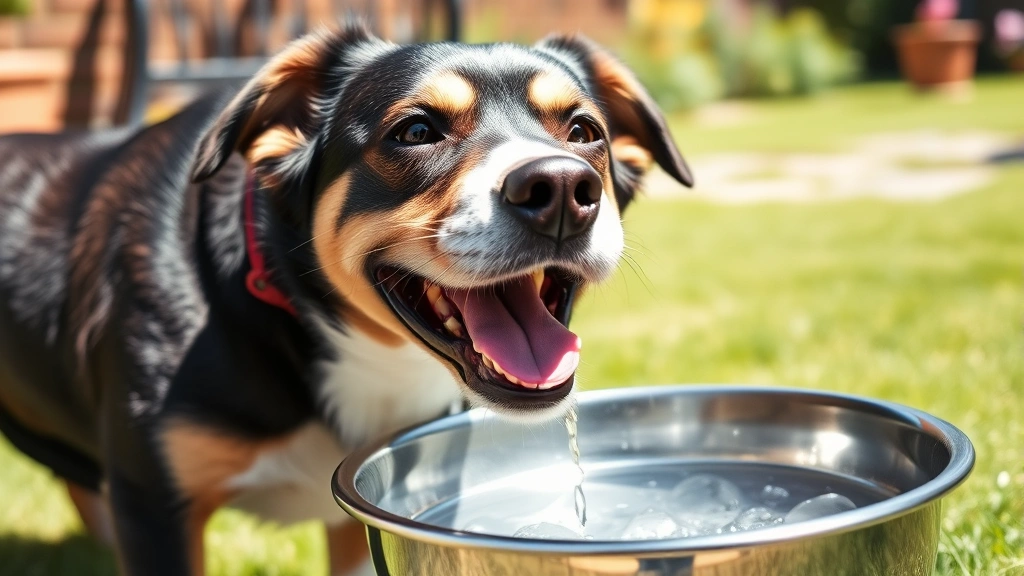
The good news is that you have plenty of safe options to offer your dog instead of orange juice. Dogs’ primary beverage should always be fresh, clean water. But if you want to provide occasional variety, several alternatives are much safer choices.
Best beverage options for dogs:
- Plain water – Always the safest and most important option
- Dog-specific broths – Low-sodium chicken or beef broth without onions or garlic
- Coconut water – Unsweetened and in small quantities only
- Watermelon juice – Diluted, seedless, and given sparingly
- Pumpkin puree mixed with water – Adds flavor and supports digestion
- Bone broth – Provides nutrients and supports joint health
If you’re wondering about other dairy-based options, you might consider whether dogs can drink milk, though most adult dogs are lactose intolerant and should avoid it.
The key principle is moderation and safety. Any beverage alternative to water should be given in small amounts and should contain no added sugars, artificial sweeteners, caffeine, or harmful ingredients. When introducing any new beverage, start with a small amount to monitor for adverse reactions.
Regarding hydration specifically, understanding how much water your dog should drink daily is essential for their overall health. Most dogs need approximately 1 ounce of water per pound of body weight daily, though this varies based on activity level and diet.
Can Dogs Eat Whole Oranges
While orange juice is off-limits, you might wonder about the whole fruit itself. The good news is that dogs can have mandarin oranges and regular oranges in very limited quantities, though there are important guidelines to follow.
Guidelines for feeding oranges to dogs:
- Remove all seeds – Orange seeds contain compounds that can be harmful in large quantities
- Peel completely – The peel is difficult to digest and may cause blockages
- Offer only segments – Give small pieces of the fruit flesh itself
- Limit frequency – Only occasional treats, not regular snacks
- Watch portion size – A few small segments for a medium dog maximum
- Monitor for reactions – Some dogs have individual sensitivity to citrus
The fiber and vitamin C in whole oranges are more beneficial than juice because the fiber content slows sugar absorption and promotes digestive health. However, oranges still aren’t a necessary part of a dog’s diet. If your dog enjoys the taste, offering an occasional small segment as a treat is generally safe for most healthy adult dogs.
Puppies, senior dogs, and dogs with existing digestive issues should avoid oranges entirely. Additionally, dogs with diabetes or obesity should not receive citrus fruits due to their natural sugar content.
Frequently Asked Questions
Is orange juice toxic to dogs?
Orange juice isn’t toxic in the clinical sense, but it’s harmful due to high sugar and acid content. Small amounts typically cause temporary digestive upset, but regular consumption can contribute to serious health issues like obesity, diabetes, and dental disease. It’s best avoided completely.
What if my dog only had a tiny sip of orange juice?
A single small sip is unlikely to cause harm. Monitor your dog for mild digestive symptoms over the next few hours. If no symptoms develop within 24 hours, your dog is likely fine. Always provide fresh water and avoid giving more.
Can dogs have orange-flavored treats?
Commercial dog treats labeled as orange-flavored vary in safety depending on ingredients. Many contain artificial flavoring rather than actual orange juice, which is safer. Always check the ingredient list and sugar content. When possible, stick with plain, natural dog treats without added flavors.
Are there health benefits to giving dogs orange juice?
No. Dogs don’t require vitamin C supplementation like humans do—they synthesize it naturally. The potential harms of orange juice (high sugar, acidity, digestive upset) far outweigh any potential benefits. A balanced dog food provides all necessary nutrients.
What about fresh-squeezed orange juice without added sugar?
Even unsweetened, freshly-squeezed orange juice is problematic for dogs. The natural sugars are still concentrated and acidic without the fiber buffer of whole fruit. The lack of added sugar doesn’t make it safe for canine consumption.
Can puppies have orange juice?
Absolutely not. Puppies have more sensitive digestive systems than adult dogs and are more susceptible to upset from acidic beverages. Their developing systems need consistent, balanced nutrition—not added sugars or acids that can disrupt their health foundation.
Should I be concerned if my dog regularly drinks small amounts of diluted orange juice?
Yes. Even diluted juice consumed regularly poses cumulative risks to your dog’s health. Over time, regular sugar consumption increases obesity and diabetes risk, while repeated acid exposure can damage teeth and digestive health. It’s better to establish a habit of water as the primary beverage from the start.
What signs indicate my dog is having a serious reaction to orange juice?
Seek veterinary attention if your dog shows persistent vomiting (more than 2-3 times), severe diarrhea lasting over 24 hours, abdominal pain (whining, hunched posture), lethargy that doesn’t improve, or loss of appetite lasting more than a few hours. These could indicate more serious complications requiring professional evaluation.





