
Can Dogs Eat Artichoke Hearts? What Experts Say
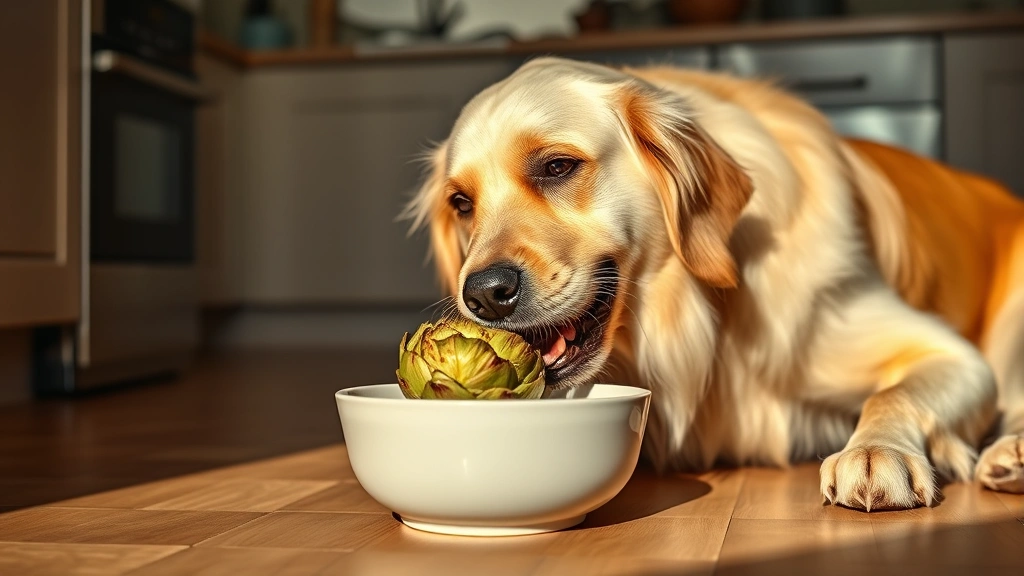
As a dog owner, you’ve probably wondered whether it’s safe to share your vegetables with your furry friend. Artichoke hearts are a nutritious vegetable for humans, but the question remains: can dogs eat artichoke hearts? The good news is that artichoke hearts are generally safe for dogs when prepared properly and given in moderation. This guide will help you understand everything you need to know about feeding artichoke hearts to your canine companion, including the benefits, potential risks, and best practices for serving this unique vegetable.
Many pet owners are increasingly interested in adding whole foods to their dog’s diet, and vegetables like artichokes can be a healthy addition when handled correctly. However, not all vegetables are created equal when it comes to canine nutrition, and it’s important to understand how to introduce new foods safely. Whether you’re looking to add variety to your dog’s meals or simply curious about what human foods are dog-friendly, understanding the specifics about artichoke hearts will help you make informed decisions about your pet’s diet.
Before we dive into the details, it’s worth noting that while artichoke hearts are safe for most dogs, preparation and portion size are crucial factors. Throughout this article, we’ll explore the nutritional benefits, potential concerns, and practical tips for feeding artichoke hearts to your dog safely.
Nutritional Benefits of Artichoke Hearts for Dogs
Artichoke hearts are packed with nutrients that can benefit your dog’s health when incorporated into their diet appropriately. These tender vegetables contain fiber, which supports digestive health and can help maintain healthy bowel movements. The fiber content in artichoke hearts is particularly beneficial for dogs that need digestive support, though you should always consult with your veterinarian if your dog experiences digestive issues like diarrhea.
Beyond fiber, artichoke hearts are rich in antioxidants, including polyphenols and anthocyanins, which help protect cells from oxidative stress and may support overall wellness. These vegetables also contain vitamins and minerals such as vitamin C, vitamin K, folate, and potassium—all of which play important roles in maintaining your dog’s immune system, bone health, and cardiovascular function. According to the American Kennel Club, incorporating nutrient-dense vegetables into a dog’s diet can complement their primary nutrition when done thoughtfully.
The low calorie content of artichoke hearts makes them an excellent choice for dogs that need to maintain a healthy weight. A typical serving contains very few calories while providing substantial nutritional value, making them a guilt-free treat option. This is particularly important when considering how much food you should feed your dog daily to maintain optimal weight and health.
Safety Considerations and Potential Risks
While artichoke hearts are generally safe for dogs, there are several important safety considerations to keep in mind before offering them to your pet. The most significant concern involves the fuzzy choke (the hairy, thistle-like center portion of the artichoke), which should never be given to dogs as it poses a choking hazard and can potentially cause digestive blockages. When preparing artichoke hearts, ensure you’ve completely removed all potentially problematic parts and are offering only the tender, edible heart portion.
Some dogs may experience mild gastrointestinal upset when introduced to artichoke hearts for the first time, particularly if they have sensitive stomachs. Symptoms might include mild bloating, gas, or loose stools. These reactions are usually temporary as your dog’s digestive system adjusts to the new food. However, if symptoms persist beyond a day or two, or if your dog shows signs of severe distress, discontinue feeding artichoke hearts and contact your veterinarian.
Dogs with certain health conditions should avoid artichoke hearts or consume them only under veterinary supervision. For instance, artichokes contain compounds called inulins, which are a type of prebiotic fiber that, while generally beneficial, might not be suitable for dogs with certain digestive conditions. Additionally, dogs prone to pancreatitis or those with specific dietary restrictions should have artichoke hearts approved by their veterinarian before consumption.
It’s also important to note that artichoke hearts purchased from grocery stores or restaurants are sometimes prepared with added salt, garlic, or other seasonings that can be harmful to dogs. Always ensure that any artichoke hearts you offer are plain, unseasoned, and prepared specifically for your dog without any potentially toxic ingredients.
How to Prepare Artichoke Hearts for Dogs
Proper preparation is essential when serving artichoke hearts to your dog. The safest and most recommended method is to steam or boil plain artichoke hearts until they’re tender, then allow them to cool completely before serving. Steaming is often preferred over boiling because it preserves more nutrients, though both methods are acceptable. Avoid using any salt, seasonings, oil, or other additives during the cooking process.
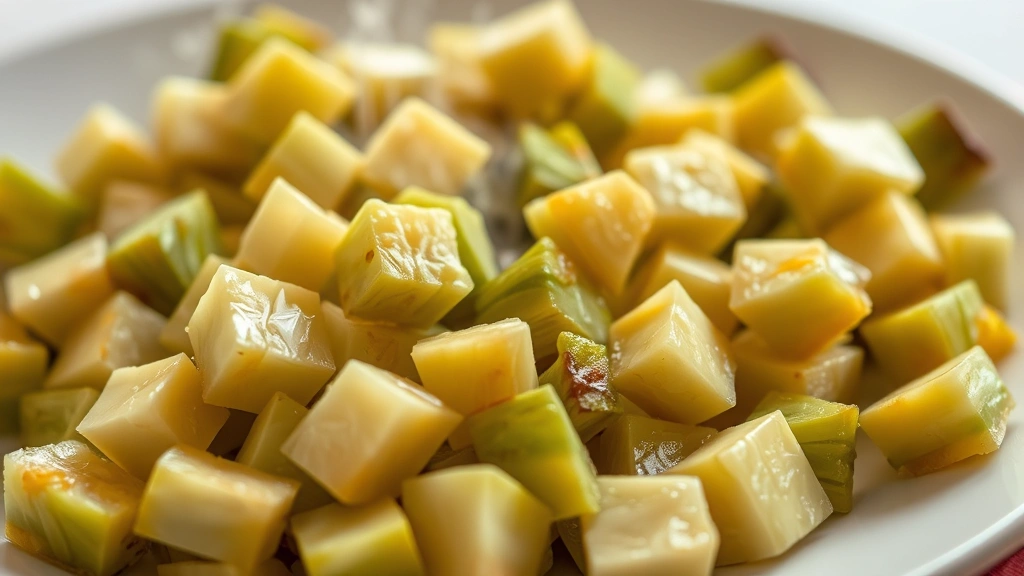
To prepare artichoke hearts at home, follow these steps: First, rinse the artichoke thoroughly under running water to remove any dirt or debris. Next, cut the artichoke in half lengthwise and use a spoon to scoop out the fuzzy choke in the center, being careful to remove all of it. You can then cut the remaining heart into small, bite-sized pieces appropriate for your dog’s size. Steam these pieces for about 15-20 minutes until they’re soft enough for your dog to chew easily.
Raw artichoke hearts are technically safe for dogs, but they’re quite tough and difficult to chew, which makes them less practical as a treat. Cooking them not only makes them easier to eat but also makes the nutrients more bioavailable for your dog’s digestive system. Never serve artichoke hearts that have been prepared with garlic, onions, or other seasonings, as these can be toxic to dogs.
When you’re learning about whether dogs can have artichokes, it’s important to understand that the entire artichoke plant isn’t equally safe. The leaves and stems contain the same beneficial compounds as the hearts but are tougher and pose greater choking hazards. Stick to the tender hearts for maximum safety and ease of consumption.
Proper Serving Guidelines and Portion Sizes
When introducing artichoke hearts to your dog’s diet, start with small portions to assess tolerance. A good starting point is offering just a few small pieces as a treat, then observing your dog for any adverse reactions over the next 24-48 hours. Once you’ve confirmed that your dog tolerates artichoke hearts well, you can gradually increase the portion size.
The appropriate portion size depends on your dog’s weight and overall diet. As a general rule, treats—including vegetable treats like artichoke hearts—should comprise no more than 10% of your dog’s daily caloric intake, with the remaining 90% coming from their regular balanced diet. For a small dog weighing 10-15 pounds, offering 2-3 small pieces of cooked artichoke heart a few times per week is appropriate. Medium-sized dogs (25-50 pounds) can have 4-6 pieces, while larger dogs (over 50 pounds) can have up to a small handful.
It’s crucial to remember that artichoke hearts should be treated as supplements to your dog’s regular diet, not replacements for it. While they’re nutritious, they don’t provide complete and balanced nutrition on their own. Your dog’s primary nutrition should come from a high-quality commercial dog food or a veterinarian-approved homemade diet.
If you’re looking to add more vegetables to your dog’s diet, consider exploring other dog-friendly options. Dogs can eat broccoli, which offers similar nutritional benefits to artichoke hearts. You might also want to explore whether dogs can eat Brussels sprouts and other cruciferous vegetables. Another nutritious option is pumpkin for dogs, which is particularly beneficial for digestive health.
Other Dog-Friendly Vegetables to Consider
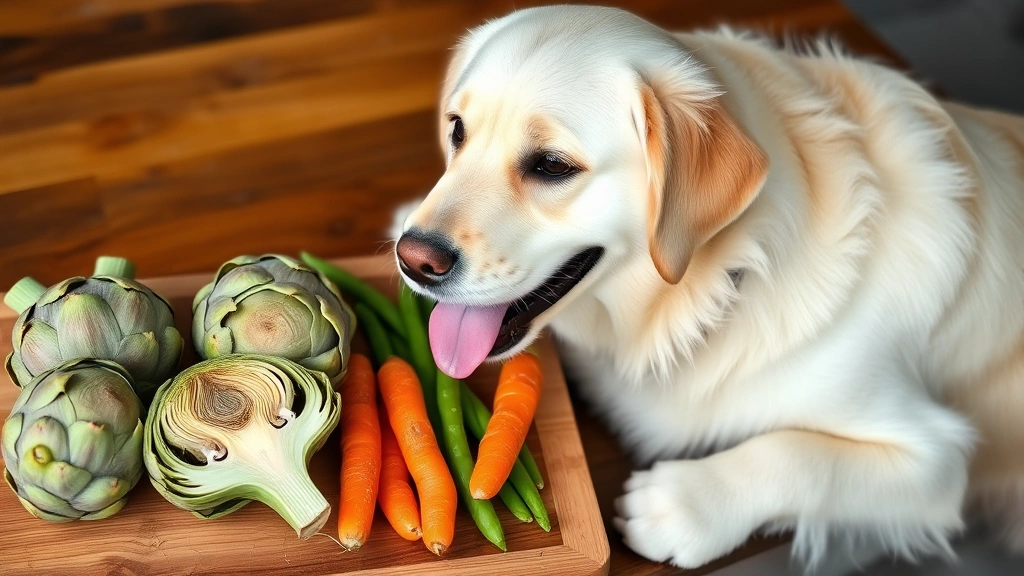
If your dog enjoys artichoke hearts, there are many other vegetables that can provide variety and additional nutritional benefits. Carrots are an excellent choice, offering dental benefits as your dog chews on them while providing vitamins and minerals. Green beans are another safe option that many dogs enjoy, with a similar nutritional profile to artichoke hearts but with a different texture that some dogs prefer.
Sweet potatoes are highly nutritious and dog-friendly, containing beta-carotene and fiber that support digestive and immune health. Cucumbers are low-calorie options perfect for dogs that need weight management support. Spinach and other leafy greens can be beneficial in moderation, though they should be given occasionally rather than regularly due to their oxalic acid content.
When introducing any new vegetable to your dog’s diet, follow the same careful approach you would with artichoke hearts: start with small portions, monitor for adverse reactions, and gradually increase the amount if well-tolerated. Always prepare vegetables in a dog-safe manner, removing any potentially toxic parts and avoiding seasonings or additives.
According to the ASPCA Animal Poison Control Center, while many vegetables are safe for dogs, some—like onions, garlic, and avocado—are toxic and should never be offered. Always verify that a vegetable is safe before introducing it to your dog’s diet.
Frequently Asked Questions
Are artichoke hearts toxic to dogs?
No, artichoke hearts are not toxic to dogs when prepared properly. The tender heart portion of the artichoke is safe for canine consumption. However, the fuzzy choke in the center should always be removed as it poses a choking hazard. Additionally, artichoke hearts prepared with garlic, onions, salt, or other seasonings should never be given to dogs, as these additives can be harmful.
How often can I give my dog artichoke hearts?
Artichoke hearts can be offered to your dog a few times per week as part of a balanced diet. They should never comprise more than 10% of your dog’s daily caloric intake. Most dogs do well with artichoke heart treats offered 2-3 times per week in appropriate portion sizes.
Can puppies eat artichoke hearts?
Puppies can eat artichoke hearts once they’re eating solid food, typically around 8-12 weeks of age. However, introduce them gradually and in very small portions. Puppies have developing digestive systems and may be more sensitive to new foods than adult dogs. Always consult with your veterinarian before introducing new foods to puppies.
What should I do if my dog eats too much artichoke?
If your dog consumes a large quantity of artichoke hearts, monitor them closely for signs of digestive upset such as vomiting, diarrhea, or abdominal discomfort. In most cases, mild gastrointestinal upset will resolve on its own within 24-48 hours. However, if symptoms are severe or persist, contact your veterinarian. If your dog has consumed the fuzzy choke portion or has a blockage, seek immediate veterinary attention.
Can dogs eat canned artichoke hearts?
Canned artichoke hearts are generally safe for dogs, but you must rinse them thoroughly to remove excess salt and any preservatives or additives. Fresh artichoke hearts that you prepare at home are the preferred option, as you have complete control over preparation methods and ingredients. Always check the label of canned artichokes to ensure no harmful additives are present.
Are there any breeds that shouldn’t eat artichoke hearts?
Artichoke hearts are generally safe for all dog breeds when prepared properly and given in appropriate portions. However, individual dogs with specific health conditions, food sensitivities, or digestive issues may need to avoid them. Dogs with pancreatitis, severe food allergies, or those on restricted diets should have artichoke hearts approved by their veterinarian before consumption.
What are the signs that my dog has a food intolerance to artichoke hearts?
Signs of food intolerance may include mild vomiting, diarrhea, constipation, gas, bloating, or itching. These symptoms typically appear within a few hours to 24 hours of consumption. If your dog shows any of these signs after eating artichoke hearts, discontinue offering them and consult with your veterinarian. Keep in mind that some mild digestive upset is normal when introducing new foods, so monitor your dog’s response carefully.





