

Can Dogs Eat Biscuits? Safe Treats Explained
As a dog owner, you’ve probably wondered whether it’s safe to share your snacks with your furry best friend. Biscuits are a staple in many households, and it’s natural to want to give your pup a taste. But before you toss that treat across the room, let’s talk about what you really need to know about dogs and biscuits. The answer isn’t as straightforward as a simple yes or no—it depends on the type of biscuit, the ingredients, and how often your dog enjoys them.
Understanding what’s safe for your dog to eat is one of the most important responsibilities of pet ownership. While many human foods can be dangerous for dogs, some biscuits are perfectly fine in moderation. The key is knowing which ones to avoid and which ones might be acceptable as occasional treats. In this comprehensive guide, we’ll explore everything you need to know about feeding biscuits to your canine companion.
Whether you’re curious about store-bought dog biscuits, homemade treats, or human snacks, we’ve got you covered. We’ll break down the nutritional concerns, highlight dangerous ingredients, and help you make informed decisions about your dog’s diet.
Can Dogs Eat Biscuits?
The short answer is: it depends. Dogs can eat certain types of biscuits in moderation, but many common human biscuits aren’t ideal for canine health. Most traditional biscuits designed for human consumption contain ingredients that aren’t necessarily harmful in tiny amounts but offer little nutritional value to dogs. Some may even contain ingredients that pose serious health risks.
When we talk about biscuits, we’re referring to a broad category of baked goods. This includes everything from buttery shortbread cookies to savory crackers. Similar to how dogs can eat certain types of crackers, the safety of biscuits depends heavily on their composition. Plain, unseasoned biscuits made with simple ingredients are generally safer than flavored varieties loaded with additives and preservatives.
The American Kennel Club emphasizes that while occasional treats are fine, they should make up no more than 10% of your dog’s daily caloric intake. This means if your dog needs 1,000 calories per day, treats should account for only about 100 calories. Most biscuits are calorie-dense and nutritionally incomplete, making them poor choices as regular snacks.
Dogs have different nutritional requirements than humans. They need protein, healthy fats, and specific vitamins and minerals to thrive. Most human biscuits don’t meet these requirements and can contribute to obesity, dental problems, and nutritional imbalances if given too frequently.
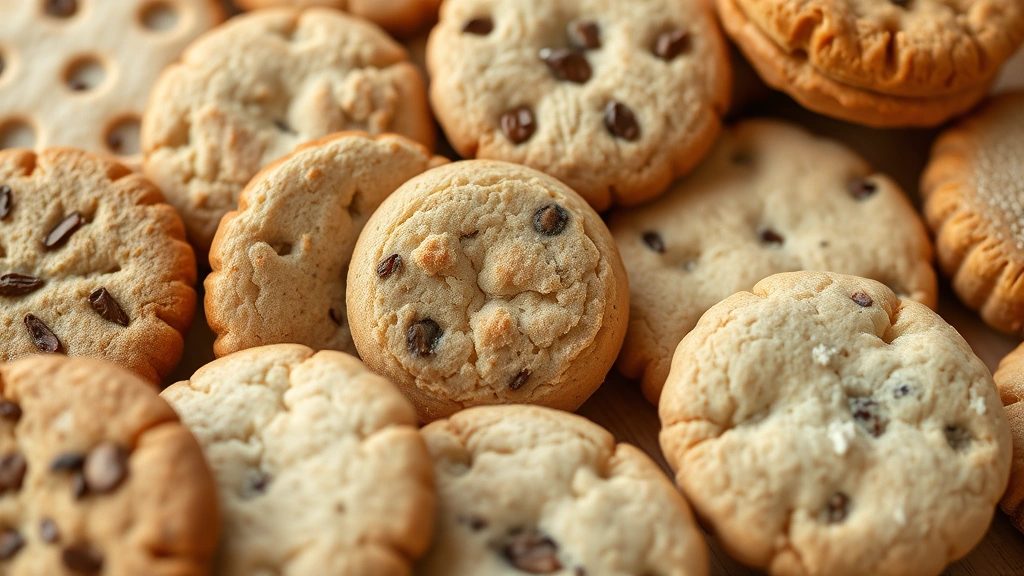
Types of Biscuits and Safety
Plain Dog Biscuits
Dog biscuits specifically formulated for canine consumption are your safest bet. These products are created with dogs’ nutritional needs in mind and typically contain appropriate ingredients like whole grains, meat meal, and added vitamins. Brands specifically designed for dogs are tested for safety and digestibility. Look for products that list meat as the first ingredient and avoid those with excessive fillers or artificial colors.
Human Digestive Biscuits
Plain digestive biscuits without chocolate or excessive sugar can be given to dogs occasionally in very small amounts. However, they’re not recommended as regular treats because they offer minimal nutritional benefit and are often high in salt and fat. If you choose to share a small piece, ensure it contains no chocolate, raisins, or artificial sweeteners.
Buttery or Sweet Biscuits
Butter-based biscuits are problematic for dogs. Excessive fat can lead to pancreatitis, a serious and potentially life-threatening condition. Sweet biscuits containing sugar or artificial sweeteners like xylitol are dangerous and should never be given to dogs. Xylitol is particularly toxic and can cause rapid insulin release, leading to hypoglycemia and liver damage.
Savory and Seasoned Biscuits
Biscuits seasoned with garlic, onion, salt, or spices are unsafe for dogs. Garlic and onions are toxic to canines and can damage their red blood cells. High salt content can lead to sodium ion poisoning and increased thirst and urination. Always check the ingredient list before sharing any seasoned treats.
Whole Grain Biscuits
Whole grain biscuits are generally safer than refined flour varieties, as they contain more fiber and nutrients. However, they should still be given sparingly. Just like the considerations around dogs eating bread, whole grain biscuits are acceptable occasionally but shouldn’t become a dietary staple.

Dangerous Ingredients to Avoid
When examining whether your dog can have a biscuit, always check the ingredient list for these harmful substances:
- Xylitol: This artificial sweetener is extremely toxic to dogs and can cause severe hypoglycemia, seizures, liver failure, and death. Even small amounts are dangerous.
- Chocolate: Toxic to dogs in all forms, chocolate contains theobromine which dogs cannot metabolize efficiently. Dark chocolate and baking chocolate are particularly dangerous.
- Raisins and Grapes: These ingredients can cause kidney failure in dogs, even in small quantities. The toxic compound hasn’t been fully identified, but the risk is well-documented.
- Macadamia Nuts: Can cause weakness, tremors, hyperthermia, and vomiting in dogs.
- Garlic and Onions: Both contain compounds that damage dogs’ red blood cells and can lead to hemolytic anemia.
- Excessive Salt: High sodium content can cause sodium ion poisoning, leading to vomiting, diarrhea, tremors, and seizures.
- High Fat Content: Can trigger pancreatitis, a serious inflammatory condition of the pancreas.
- Artificial Colors and Preservatives: While not always immediately toxic, these additives offer no nutritional benefit and may cause sensitivities in some dogs.
Safe Dog Biscuit Options
If you want to give your dog biscuits, focus on options specifically formulated for canine consumption. Look for products that meet AAFCO (Association of American Feed Control Officials) standards, which ensure the product is nutritionally complete and safe for dogs.
Commercially Available Dog Biscuits
Quality dog biscuit brands include options with natural ingredients, no artificial preservatives, and appropriate caloric content. Some brands offer dental biscuits designed to help clean teeth as dogs chew. Others cater to specific dietary needs like grain-free options or limited ingredient formulas for dogs with sensitivities.
Plain Biscuits in Moderation
If you’re sharing human biscuits, plain varieties without added ingredients are safest. A plain digestive biscuit or a simple soda cracker given occasionally won’t harm most dogs, but they shouldn’t become a regular treat. Remember that just because something won’t cause immediate harm doesn’t mean it’s beneficial for your dog’s health.
Similar to how dogs can eat Cheerios as an occasional treat, plain biscuits should be viewed as rare indulgences rather than nutritional staples.
Peanut Butter Biscuits
If you’re looking for flavored options, peanut butter is a dog-friendly ingredient—provided the biscuits don’t contain xylitol. Dogs can have peanut butter safely when it’s xylitol-free. Some dog biscuits incorporate peanut butter as a primary ingredient, making them more appealing and nutritionally sound than plain varieties.
Portion Control and Feeding Guidelines
Even safe biscuits should be given in appropriate portions. The 10% rule is your best guide: treats should comprise no more than 10% of your dog’s daily caloric intake. For a medium-sized dog consuming 1,500 calories daily, that means only 150 calories from treats.
Most dog biscuits contain between 10-50 calories each, depending on size and ingredients. This means a medium dog could have anywhere from 3-15 biscuits per day while staying within the 10% guideline, but that would leave little room for other treats or nutritional variety.
Consider your dog’s daily food requirements and overall caloric needs when determining treat portions. Puppies, senior dogs, and those with health conditions may need different guidelines. Always consult with your veterinarian about appropriate treat portions for your individual dog.
Frequency matters too. Rather than giving biscuits daily, consider them occasional treats—a few times per week at most. This approach ensures your dog’s primary nutrition comes from their regular dog food, which is formulated to meet all their nutritional requirements.
Making Homemade Dog Biscuits
One of the best ways to ensure your dog gets safe, nutritious biscuits is to make them at home. Homemade dog biscuits allow you to control every ingredient and avoid anything potentially harmful.
Simple Homemade Recipe
A basic dog biscuit recipe might include whole wheat flour, peanut butter (xylitol-free), eggs, and a small amount of honey. Mix these ingredients, roll out the dough, cut into shapes, and bake at 350°F for about 15-20 minutes until golden brown. These biscuits are safe, affordable, and your dog will love them.
Ingredient Guidelines
When making homemade biscuits, stick to dog-safe ingredients like whole wheat flour, oats, sweet potato, carrots, and unsalted peanut butter. Avoid anything you wouldn’t trust in your dog’s regular diet. Always use xylitol-free peanut butter and never add salt or sugar.
Storage and Shelf Life
Homemade biscuits can be stored in an airtight container for up to a week at room temperature or frozen for up to three months. This makes batch-making convenient for busy dog owners.
Digestive Concerns and Allergies
Some dogs have sensitive digestive systems or food allergies that make biscuits problematic. If your dog experiences digestive issues after consuming biscuits, it’s worth investigating the cause.
Common Digestive Issues
Biscuits high in fat can cause vomiting or diarrhea, especially in dogs prone to pancreatitis. If your dog has diarrhea or other digestive problems, avoid biscuits until the issue is resolved. Wheat-based biscuits may cause problems for dogs with grain sensitivities.
Allergies and Sensitivities
Dogs can develop allergies to common biscuit ingredients like wheat, soy, or eggs. Signs include itching, skin problems, ear infections, or gastrointestinal upset. If you suspect your dog has a food allergy, consult your veterinarian before introducing any new treats.
Dental Considerations
While some biscuits are marketed as dental treats, most human biscuits don’t provide significant dental benefits. Soft biscuits especially don’t help clean teeth. If dental health is a concern, discuss appropriate options with your vet.
Frequently Asked Questions
Are store-bought dog biscuits safe for all dogs?
Most quality, commercially available dog biscuits are safe for healthy adult dogs when given in appropriate portions. However, puppies, senior dogs, and those with health conditions should follow veterinarian-recommended guidelines. Always read ingredient lists and choose brands that meet AAFCO standards.
Can puppies eat biscuits?
Puppies have different nutritional needs than adult dogs and should focus on puppy-formulated food for proper growth and development. Occasional plain dog biscuits designed for puppies are fine, but they shouldn’t replace proper nutrition. Consult your vet before introducing treats to puppies.
What should I do if my dog eats a biscuit containing chocolate or xylitol?
Contact your veterinarian or ASPCA Animal Poison Control immediately. These ingredients are toxic to dogs, and prompt medical attention may be necessary depending on the amount consumed and your dog’s size.
Are grain-free dog biscuits better than regular ones?
Not necessarily. Grain-free biscuits aren’t inherently healthier unless your dog has a specific grain allergy. Some dogs thrive on grain-inclusive diets. Focus on quality ingredients and nutritional completeness rather than grain-free labels. Consult your vet about the best option for your dog.
How often can I give my dog biscuits?
Safe biscuits can be given a few times per week as part of the 10% treat allocation. Daily biscuits would leave insufficient room for other nutritional variety. Most dogs do well with biscuits as occasional treats rather than daily snacks.
Can senior dogs eat biscuits?
Senior dogs can enjoy safe biscuits in appropriate portions, though they may have specific dietary needs. Softer biscuits work better for dogs with dental problems. Discuss treat options with your vet, as senior dogs often benefit from lower-calorie treats and may have health conditions requiring dietary restrictions.
Are homemade dog biscuits better than commercial ones?
Homemade biscuits offer the advantage of ingredient control, but commercial dog biscuits formulated to AAFCO standards are nutritionally balanced. The best option depends on your dog’s needs and your time availability. Both can be appropriate when made with quality ingredients.
What’s the difference between dog biscuits and human biscuits?
Dog biscuits are formulated with canine nutritional needs in mind, while human biscuits are designed for people. Human biscuits often contain ingredients inappropriate for dogs, such as excessive salt, sugar, or toxic substances. Even plain human biscuits lack the nutritional profile dogs need.





