
Can Dogs Eat Cheesecake? A Vet-Approved Guide
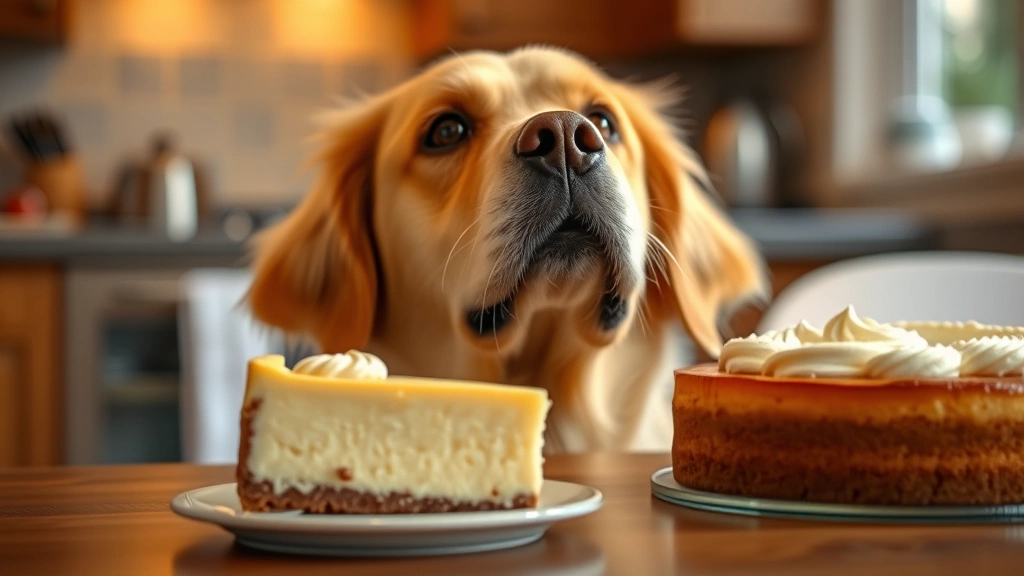
Picture this: you’re enjoying a slice of delicious cheesecake at your favorite bakery, and your furry best friend gives you those irresistible puppy-dog eyes from under the table. It’s a moment we’ve all experienced, and naturally, you wonder—can dogs eat cheesecake? The short answer is no, dogs should not eat cheesecake, but the reasons why are more nuanced than you might think. While a tiny taste probably won’t send your pup to the emergency vet, cheesecake contains several ingredients that make it less-than-ideal for canine consumption.
As a responsible pet parent, understanding what your dog can and cannot eat is crucial for their long-term health and happiness. Cheesecake might seem like a harmless human treat, but it’s actually a combination of ingredients that can cause digestive upset, weight gain, and other health complications in dogs. In this comprehensive guide, we’ll break down exactly why cheesecake isn’t suitable for your four-legged friend, what happens if they accidentally consume some, and what safe alternatives you can offer instead.
Let’s dive into the sweet (but not-so-sweet-for-dogs) world of cheesecake and canine nutrition!
Why Dogs Shouldn’t Eat Cheesecake
Cheesecake is essentially a triple threat when it comes to canine nutrition. It combines three problematic elements: high fat content, excessive sugar, and dairy products that many dogs struggle to digest. Unlike humans, dogs haven’t evolved to process rich, sweet desserts. Their digestive systems are optimized for proteins and whole foods, not the processed, sugar-laden treats we enjoy.
The primary concern with cheesecake is its richness. A typical slice contains anywhere from 20-40 grams of fat, which is an enormous amount for a dog’s daily diet. Most veterinarians recommend that fat makes up only 5-15% of a dog’s daily caloric intake, depending on their age, size, and activity level. Consuming even a small portion of cheesecake can quickly exceed these guidelines.
Additionally, dogs and cheese have a complicated relationship. While plain cheese in moderation might be okay for some dogs, the cream cheese base in cheesecake is particularly problematic. It’s highly concentrated and often contains additives that aren’t suitable for canine consumption. The combination of cream cheese with other ingredients amplifies the digestive concerns.
Breaking Down the Ingredients
To truly understand why cheesecake is off-limits for your pup, let’s examine each component of this dessert. Understanding individual ingredients helps you make informed decisions about other foods too.
Cream Cheese: The foundation of any cheesecake, cream cheese is high in fat and lactose. While cream cheese considerations for dogs vary by individual dog, most veterinarians suggest avoiding it. Dogs lack sufficient lactase enzymes to properly digest dairy products, leading to potential stomach upset.
Sugar and Sweeteners: Cheesecake is loaded with sugar—sometimes up to 30-40 grams per slice. This excessive sugar can cause blood sugar spikes in dogs, leading to hyperactivity, energy crashes, and long-term metabolic issues. Even worse, some cheesecakes use artificial sweeteners like xylitol, which is extremely toxic to dogs and can cause liver failure and hypoglycemia.
Graham Cracker Crust: The buttery, sugary base adds even more calories and processed ingredients. If you’re curious about individual components, learn more about graham crackers for dogs, but the bottom line is they’re not recommended as dog treats.
Eggs: While eggs themselves are generally safe for dogs, they’re often used raw in no-bake cheesecake recipes, which poses salmonella risks.
Toppings and Flavorings: Many cheesecakes feature chocolate, fruit syrups, or other toppings. Chocolate is particularly dangerous, as it contains theobromine, a compound toxic to dogs. If your dog consumes chocolate cheesecake, know what to do if your dog eats chocolate immediately.

Health Risks and Side Effects
The consequences of cheesecake consumption in dogs range from minor digestive discomfort to serious medical emergencies, depending on the amount consumed and the individual dog’s health status.
Digestive Issues: The most common side effect is gastrointestinal upset. Dogs eating cheesecake often experience vomiting, diarrhea, or constipation within a few hours. The high fat content can trigger pancreatitis, a painful inflammation of the pancreas that requires veterinary intervention.
Obesity and Weight Management: Regular consumption of high-calorie treats like cheesecake contributes to obesity in dogs. This is especially concerning for breeds predisposed to weight issues. Overweight dogs face increased risk of joint problems, diabetes, and heart disease. If you’re concerned about your dog’s weight, understanding how much food you should feed your dog is essential.
Dental Problems: The sugar in cheesecake feeds harmful bacteria in your dog’s mouth, leading to plaque buildup, tooth decay, and gum disease. Unlike humans, dogs rarely receive dental care, making this a particularly serious concern.
Lactose Intolerance: Many dogs are lactose intolerant, especially as they age. The dairy content in cheesecake can trigger severe digestive reactions, including bloating, gas, and diarrhea.
Pancreatitis: This is the most serious potential consequence. High-fat foods are a known trigger for pancreatitis in dogs. Acute pancreatitis causes severe abdominal pain, vomiting, and lethargy. Chronic pancreatitis can develop from repeated exposure to fatty foods.
Toxic Ingredient Risks: If the cheesecake contains chocolate, xylitol, or other toxic ingredients, your dog faces immediate danger requiring emergency veterinary care.
What If Your Dog Eats Cheesecake?
Despite our best efforts to keep tempting treats away from our furry friends, accidents happen. If your dog manages to sneak a bite of cheesecake, here’s what you should do.
Assess the Situation: First, determine how much cheesecake your dog consumed and what type it was. A single small bite of plain cheesecake is different from your dog eating an entire slice of chocolate cheesecake with xylitol sweetener.
Check the Ingredients: If possible, find out exactly what’s in the cheesecake. This information is crucial for your veterinarian. Look specifically for chocolate, xylitol, macadamia nuts, or other known toxins.
Monitor Your Dog: Watch for signs of distress over the next 24-48 hours. These include vomiting, diarrhea, excessive drooling, lethargy, loss of appetite, abdominal pain, or difficulty breathing. Keep a log of any symptoms.
Contact Your Veterinarian: When in doubt, call your vet. They can assess your dog’s individual risk factors and recommend appropriate monitoring or treatment. This is especially important if your dog has pre-existing health conditions like pancreatitis or diabetes.
When to Seek Emergency Care: Seek immediate emergency veterinary care if your dog shows signs of severe distress, difficulty breathing, collapse, or seizures. If the cheesecake contained chocolate or xylitol, contact your vet right away regardless of symptoms.
Treatment Options: Depending on the situation, your vet might recommend induced vomiting, activated charcoal, IV fluids, or monitoring at an animal hospital. Never induce vomiting at home without professional guidance.
Safe Treat Alternatives
Just because cheesecake is off the menu doesn’t mean your dog has to miss out on special treats. There are plenty of delicious, dog-safe alternatives that satisfy the treat-giving impulse without compromising your pup’s health.
Frozen Treats: Make homemade frozen treats using dog-safe ingredients. Freeze plain yogurt (without xylitol) with mashed banana, or create popsicles from beef broth. These are refreshing and safe.
Peanut Butter Delights: Mix xylitol-free peanut butter with oats and freeze in ice cube trays. Most dogs absolutely love peanut butter, and it’s a protein-rich treat.
Fruit and Vegetable Options: Many dogs enjoy fresh fruits and vegetables like apples (without seeds), carrots, watermelon, and blueberries. These provide nutrients and natural sweetness without added sugars.
Commercial Dog Treats: Look for high-quality, dog-specific treats from reputable manufacturers. These are formulated to meet canine nutritional needs and are much safer than human desserts.
Cheese in Moderation: If your dog tolerates dairy well, small amounts of plain cheddar or mozzarella cheese can be occasional treats. Keep portions tiny—think pea-sized pieces.
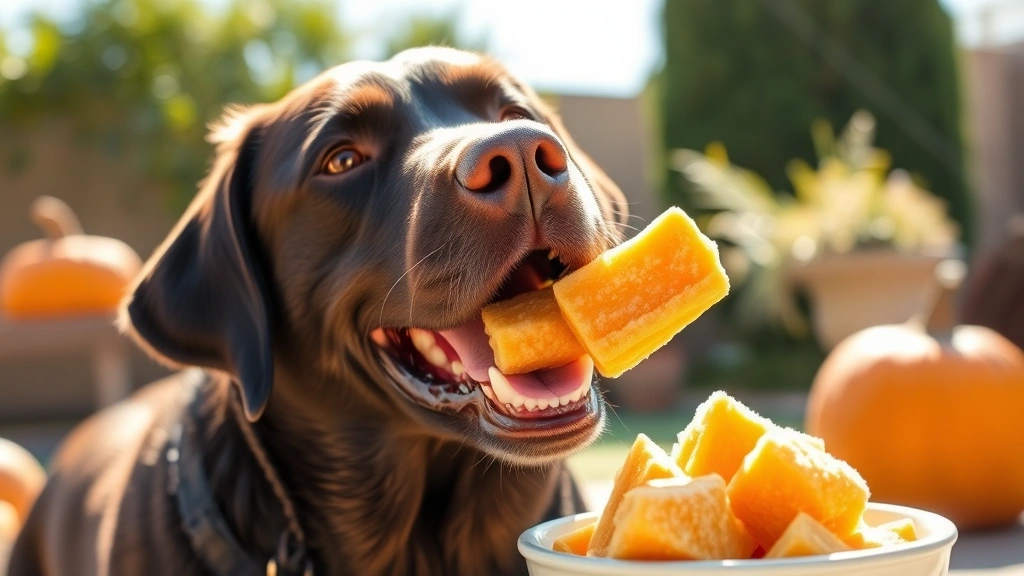
Pumpkin Puree: Plain pumpkin (not pie filling) is an excellent treat that aids digestion. Many dogs find it delicious, and it’s incredibly healthy.
Homemade Dog Cakes: Bake dog-safe cakes using dog flour, applesauce, and pumpkin. These satisfy the “cake” craving without the harmful ingredients. Search for “dog-safe cake recipes” to find numerous options.
Frequently Asked Questions
Is a tiny piece of cheesecake dangerous for dogs?
A single small bite of plain cheesecake is unlikely to cause serious harm to most dogs, but it’s still not recommended. Even small amounts can trigger digestive upset in sensitive dogs. The risk increases significantly if the cheesecake contains chocolate, xylitol, or other toxic ingredients. When in doubt, avoid giving any to your dog.
What about New York style versus no-bake cheesecake?
Both varieties are problematic for dogs. New York-style cheesecake is baked and contains eggs, but the high fat and dairy content remains problematic. No-bake versions often use raw eggs and condensed milk, presenting additional food safety concerns. Neither variety is suitable for canine consumption.
Can dogs eat cheesecake if they’re lactose tolerant?
Even if your dog tolerates dairy well, cheesecake remains unsuitable due to its high fat and sugar content. The other problematic ingredients don’t change based on lactose tolerance. Lactose tolerance is just one factor among many making cheesecake inappropriate for dogs.
Are there any health benefits to cheesecake for dogs?
No. Cheesecake offers no nutritional benefits that justify its risks. While it contains some protein from cheese and eggs, the fat, sugar, and processed ingredients far outweigh any minimal nutritional value. There are far better protein sources for dogs.
What if my dog has already eaten cheesecake multiple times?
If your dog has consumed cheesecake on multiple occasions, monitor them closely for signs of pancreatitis or other digestive issues. Schedule a veterinary checkup to assess their overall health. Your vet might recommend bloodwork to check pancreatic enzymes and liver function. Going forward, prevent access to cheesecake entirely.
Can puppies eat cheesecake?
Absolutely not. Puppies have even more sensitive digestive systems than adult dogs and are more susceptible to the harmful effects of high-fat, high-sugar foods. Additionally, puppies are more likely to overeat if given access to tempting human foods. Keep all cheesecake away from puppies.
Is sugar-free cheesecake safer for dogs?
Not necessarily. Sugar-free cheesecake often uses artificial sweeteners, and some—particularly xylitol—are extremely toxic to dogs. Always check the ingredient list carefully. If it contains xylitol, keep it far away from your dog. Even without xylitol, sugar-free cheesecake still contains problematic fat and dairy.
What’s the difference between cheesecake and regular cake for dogs?
While dogs eating cake is generally not recommended, cheesecake is particularly problematic due to its high fat content from cream cheese. Regular cake is often high in sugar but typically lower in fat. That said, both should be avoided. Neither offers nutritional value for dogs, and both can cause health problems.
Should I feel guilty if my dog ate some cheesecake?
No! Accidents happen, and a single small exposure to cheesecake isn’t a sign of poor pet parenting. What matters is your response going forward. Learn from the experience, monitor your dog for any symptoms, and take steps to prevent future access to cheesecake. Pet parenthood is about doing your best, and your concern shows you care deeply about your dog’s wellbeing.





