

Can Dogs Eat Jackfruit? A Vet’s Perspective
If you’ve ever wondered whether your furry friend can enjoy the exotic sweetness of jackfruit, you’re not alone. As pet parents increasingly explore human foods for their dogs, understanding what’s safe becomes crucial. Jackfruit has gained popularity as a trendy tropical fruit, and naturally, dog owners are curious: can dogs eat jackfruit safely?
The short answer is yes, dogs can eat jackfruit in moderation, but there are important caveats and preparation guidelines you need to follow. This comprehensive guide breaks down everything you need to know about feeding jackfruit to your canine companion, from nutritional benefits to potential risks.
Whether you’re looking to add variety to your dog’s diet or simply want to share a healthy snack, understanding the ins and outs of jackfruit for dogs will help you make informed decisions about your pet’s nutrition.
What Is Jackfruit?
Jackfruit is a large, tropical fruit native to South Asia, particularly India, Bangladesh, and Thailand. It’s known for its impressive size—some jackfruits can weigh up to 80 pounds—and its bumpy, spiky exterior. Inside, you’ll find sweet, fibrous flesh that’s become increasingly popular in vegan and vegetarian cuisine as a meat substitute.
The fruit has a mild, slightly sweet flavor with a texture somewhat similar to pulled pork when cooked. It contains numerous seeds surrounded by the edible arils (the fleshy part). For dogs, understanding which parts are safe and which should be avoided is essential.
Jackfruit belongs to the mulberry family and has been cultivated for thousands of years. Its rising popularity in Western markets means more dog owners are encountering this fruit and wondering if their pets can share in the experience.
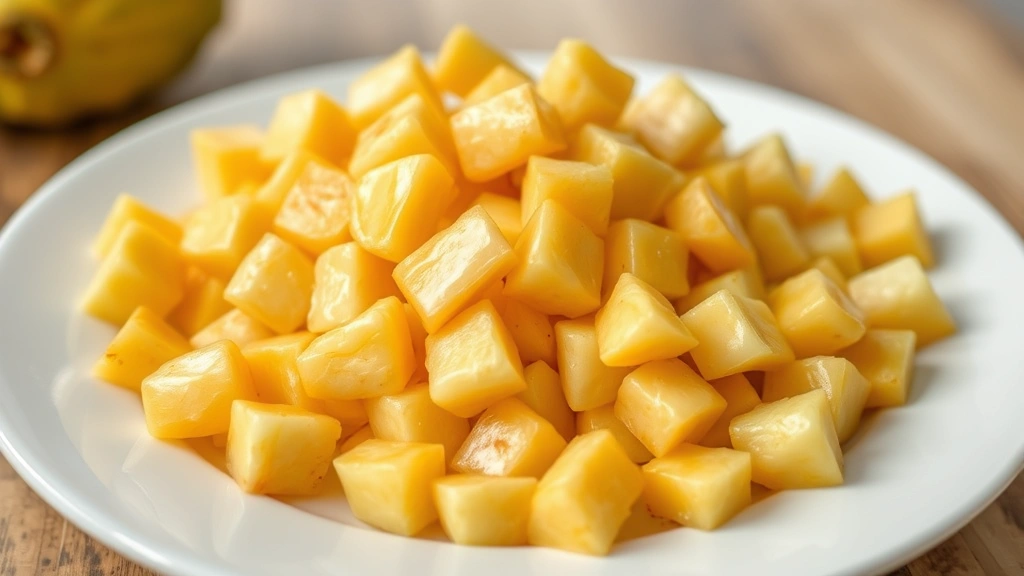
Nutritional Content and Benefits
Jackfruit offers several nutritional benefits that make it potentially valuable for dogs when given appropriately. The fruit is rich in vitamin C, which supports immune function, and contains dietary fiber that aids digestive health. It also provides vitamin B6, manganese, and magnesium—all minerals that contribute to overall wellness.
The natural sugars in jackfruit provide quick energy, though this is something to monitor carefully in dogs, especially those prone to weight gain or diabetes. Jackfruit is approximately 94% water, making it a hydrating treat on warm days. The fiber content can be beneficial for dogs experiencing occasional constipation, though too much can have the opposite effect.
When comparing jackfruit to other tropical fruits, it stacks up reasonably well nutritionally. Like dogs eating papaya, jackfruit offers digestive enzymes and beneficial nutrients. However, portion control remains paramount, as with any human food introduced to your dog’s diet.
According to ASPCA guidelines on pet nutrition, fruits should comprise no more than 10% of a dog’s daily caloric intake, ensuring balanced nutrition from their primary dog food.
Is Jackfruit Safe for Dogs?
Yes, jackfruit is generally safe for dogs when prepared correctly and given in appropriate quantities. However, “safe” doesn’t mean risk-free or suitable for every dog. Several factors determine whether jackfruit is appropriate for your specific pet.
The flesh of ripe jackfruit is safe for dogs and contains no toxic compounds. Unlike some fruits that pose serious health risks, jackfruit doesn’t contain substances that are inherently poisonous to canines. This puts it in a favorable category compared to grapes, raisins, or avocados, which are genuinely dangerous.
Your dog’s age, size, health status, and existing diet all influence whether jackfruit is a good addition. Puppies, senior dogs, and dogs with specific health conditions may have different tolerance levels. Dogs with diabetes or weight management issues should consume jackfruit sparingly due to its sugar content.

The seeds present another consideration. While jackfruit seeds aren’t toxic, they pose a choking hazard and can cause intestinal blockages, particularly in smaller breeds. Always remove all seeds before offering jackfruit to your dog.
How to Prepare Jackfruit for Dogs
Proper preparation is absolutely critical when feeding jackfruit to your dog. Following these steps ensures maximum safety and nutritional benefit:
- Select ripe fruit: Choose a jackfruit that yields slightly to pressure. Unripe jackfruit is harder to digest and less palatable.
- Remove the spiky skin: Cut away the thick, bumpy exterior completely. Wear gloves as the sticky latex inside can be messy.
- Extract the arils: Remove the individual seed pods with attached flesh. This is the edible portion.
- Remove ALL seeds: This is non-negotiable. Extract every seed from the flesh to prevent choking and blockages.
- Cut into appropriate sizes: Dice the flesh into bite-sized pieces appropriate for your dog’s size. Larger dogs can handle bigger chunks, while small breeds need smaller pieces.
- Avoid added sugars: Never offer canned jackfruit in syrup or jackfruit products with added sweeteners like xylitol, which is toxic to dogs.
- Start small: Introduce jackfruit gradually, offering just a small amount initially to assess your dog’s tolerance.
Fresh, raw jackfruit is the best option for dogs. Cooked jackfruit, while not inherently harmful, loses some nutritional value and may have added seasonings unsuitable for pets.
Potential Risks and Concerns
While jackfruit is generally safe, several potential risks warrant consideration:
- High sugar content: Jackfruit contains natural sugars that can contribute to weight gain and dental problems. Dogs with diabetes should avoid it entirely.
- Seed hazards: Seeds can cause choking, intestinal blockages, and require emergency veterinary intervention if ingested.
- Digestive upset: The high fiber content may cause loose stools or diarrhea in dogs unaccustomed to it.
- Allergic reactions: Though rare, individual dogs may have sensitivities to jackfruit.
- Latex sensitivity: Dogs with latex allergies should avoid jackfruit due to the latex present in the plant.
- Overfeeding: Even safe foods become problematic in excessive quantities, potentially unbalancing your dog’s diet.
If your dog accidentally ingests jackfruit seeds, monitor closely for signs of blockage including vomiting, lethargy, constipation, or abdominal pain. If you notice your dog throwing up after eating jackfruit, contact your veterinarian immediately.
In emergency situations where you’re concerned about ingestion of unsafe substances, knowing how to make your dog throw up may be important, though always consult a vet first. Similarly, understanding what to do if your dog eats chocolate or other toxic foods helps prepare you for emergencies.
Tropical Fruit Alternatives
If you’re interested in offering your dog tropical fruits, several alternatives to jackfruit are worth considering:
Papaya: Like dogs eating papaya, this fruit offers digestive enzymes and is rich in vitamin C. Remove seeds and offer in small quantities.
Mango: Dogs can enjoy mango flesh, though you’ll want to know about mango skin safety. The pit must always be removed to prevent choking.
Pineapple: Fresh pineapple in small amounts is safe and contains bromelain, an enzyme that aids digestion. Avoid canned varieties with added sugar.
Coconut: The flesh is safe in moderation, though coconut oil should be introduced gradually to prevent digestive upset.
Bananas: High in potassium and vitamin B6, bananas are safe but calorie-dense. Offer sparingly.
Before introducing any new fruit, research thoroughly or consult your veterinarian. The American Kennel Club provides comprehensive guidance on fruits for dogs, offering detailed information about safe options.
Remember that treats, including fruits, should never exceed 10% of your dog’s daily calories. The remaining 90% should come from a balanced, complete dog food that meets AAFCO standards for nutritional adequacy.
Frequently Asked Questions
Can puppies eat jackfruit?
Puppies can technically eat small amounts of prepared jackfruit, but it’s generally best to avoid it. Puppies have sensitive digestive systems and require carefully balanced nutrition for proper development. The high fiber content could cause digestive upset. Always consult your veterinarian before introducing any new foods to a puppy’s diet.
Is jackfruit toxic to dogs?
No, jackfruit itself is not toxic to dogs. The flesh contains no compounds that are poisonous to canines. However, the seeds present choking hazards and potential blockage risks, which is why thorough preparation is essential.
How much jackfruit can I give my dog?
For most dogs, a small amount of jackfruit as an occasional treat is appropriate. A few small pieces once or twice a week is reasonable for a medium-sized dog. Smaller breeds should receive proportionally less. Never make jackfruit a regular part of your dog’s diet, and always prioritize their complete dog food as the primary nutrition source.
What should I do if my dog eats jackfruit seeds?
If your dog ingests jackfruit seeds, monitor them closely for 24-48 hours. Watch for vomiting, lethargy, loss of appetite, constipation, or abdominal pain—all signs of potential blockage. If any symptoms develop, contact your veterinarian immediately. In some cases, seeds may pass through without issue, but blockages can require emergency surgery.
Can dogs eat canned jackfruit?
Canned jackfruit in syrup is not recommended for dogs due to added sugars. Some canned products contain xylitol, an artificial sweetener that’s toxic to dogs. If offering any processed jackfruit product, check the ingredient list carefully and avoid anything with added sugars, preservatives, or xylitol.
Are there dogs that shouldn’t eat jackfruit?
Yes. Dogs with diabetes should avoid jackfruit due to sugar content. Dogs with weight management issues, sensitive digestive systems, or latex allergies should skip it. Senior dogs and those with existing health conditions should only eat jackfruit with veterinary approval. Additionally, dogs that have previously had issues with foods like gummy bears containing xylitol should be monitored carefully with any new foods.
What are signs my dog doesn’t tolerate jackfruit well?
Watch for loose stools, diarrhea, vomiting, decreased appetite, or abdominal discomfort within a few hours of consumption. If these symptoms appear, discontinue jackfruit and contact your vet if symptoms persist beyond 24 hours or worsen.
Can jackfruit replace my dog’s regular food?
Absolutely not. Jackfruit lacks the complete nutritional profile dogs need. It’s deficient in protein, essential amino acids, and many vital micronutrients. Jackfruit should only supplement a complete, balanced commercial dog food or a veterinarian-approved home-prepared diet.
Consulting with board-certified veterinary nutritionists can provide personalized guidance for your dog’s specific dietary needs.
Final Thoughts
Can dogs eat jackfruit? Yes, but with important caveats. This exotic fruit can be a safe, occasional treat when properly prepared—meaning all seeds are removed, portions are small, and it’s offered infrequently. The nutritional benefits of jackfruit are modest for dogs, making it more of a novelty treat than a nutritional necessity.
Your dog’s health and safety should always come first. When in doubt about introducing any new food, consult your veterinarian. They understand your individual dog’s health status, dietary needs, and can provide personalized recommendations.
Remember that the best treats for dogs are those specifically formulated for their nutritional needs or whole foods that have been thoroughly vetted as safe. Jackfruit can be part of a varied treat rotation, but it should never become a dietary staple or replace the complete nutrition your dog receives from their primary food.
By following the preparation guidelines outlined here and monitoring your dog’s response, you can safely share the occasional jackfruit treat with your furry friend while maintaining their optimal health and nutrition.





