
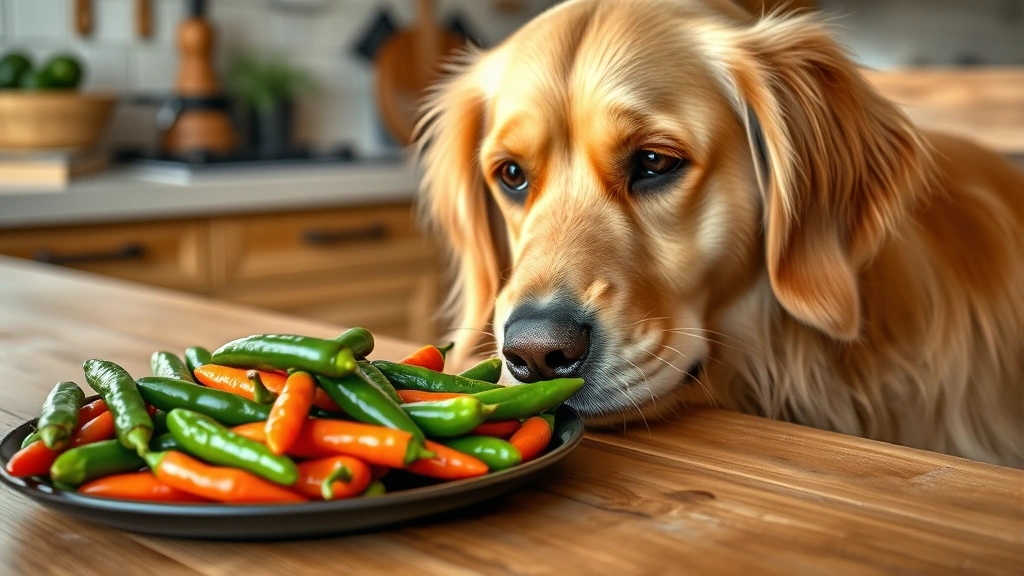
Can Dogs Eat Jalapeno Peppers? Safety Tips Every Dog Owner Should Know
If you’re a dog parent who loves spicy food, you’ve probably wondered whether your furry best friend can join in on the culinary fun. That innocent-looking jalapeno pepper sitting on your plate might seem harmless, but before you toss a piece to your pup, we need to have a serious chat about canine nutrition and what’s actually safe for our four-legged companions.
The short answer? Dogs shouldn’t eat jalapeno peppers, and we’re here to explain exactly why. While jalapenos aren’t technically toxic to dogs in the same way that certain foods are, they pose several risks that make them a no-go in your dog’s diet. Let’s dive into what you need to know to keep your precious pooch safe and healthy.
As a responsible pet owner, understanding which human foods are off-limits is crucial. The good news is that once you know the facts about jalapenos and spicy foods, you’ll be equipped to make smart choices for your furry friend—and maybe even discover some delicious alternatives they’ll actually enjoy.
Why Jalapeno Peppers Aren’t Safe for Dogs
Here’s the thing about jalapenos: they’re packed with a compound called capsaicin, which gives them their signature kick and heat. While humans have developed a taste for spicy foods and our digestive systems can handle the burn, dogs are an entirely different story. Their digestive systems are far more sensitive, and what might be a pleasant tingle for us is genuinely unpleasant—and potentially harmful—for them.
When you’re thinking about whether dogs can eat peppers, it’s important to distinguish between different varieties. While some mild peppers might be tolerable in very small amounts, jalapenos are specifically problematic because of their heat level. Dogs lack the taste receptors that make spicy foods appealing to humans, so there’s literally no benefit to them eating something that causes discomfort.
Beyond the capsaicin issue, jalapenos often come prepared in ways that are downright dangerous for dogs. Many jalapeno preparations include garlic, onions, or salt—ingredients that can cause serious health problems. If your dog gets into foods containing onions, you’re looking at potential damage to their red blood cells. That’s a risk we definitely want to avoid.
The bottom line is simple: jalapeno peppers don’t offer any nutritional benefits to dogs, and the risks far outweigh any potential rewards. Your dog’s digestive system evolved to process meat, some vegetables, and grains—not spicy peppers designed to make human taste buds sing.
Understanding Capsaicin and Your Dog’s Stomach
Let’s get a bit scientific for a moment. Capsaicin is an alkaloid compound found in peppers, and it’s what creates that burning sensation when you eat something spicy. In humans, capsaicin binds to pain receptors in our mouth and throat, creating the sensation of heat. We’ve learned to enjoy this sensation, but for dogs, it’s purely negative.
Dogs have fewer taste buds than humans, and their palates aren’t designed to appreciate (or tolerate) spicy flavors. When a dog ingests capsaicin, it irritates the mucous membranes in their mouth, throat, and digestive tract. This isn’t just uncomfortable—it can cause genuine inflammation and distress. Their stomach acid is also more powerful than ours, which means the irritation can persist throughout their digestive system.
When considering spicy foods and dogs, remember that dogs experience capsaicin differently than we do. What might be a mild tingle for you could be a significant irritant for your pup. Their digestive systems are optimized for processing natural dog food and certain human foods that align with their nutritional needs—spicy peppers are definitely not on that list.
The sensitivity varies somewhat based on the individual dog’s size, age, and overall health. Smaller dogs and puppies are particularly vulnerable to the effects of capsaicin. Senior dogs with existing digestive issues should absolutely stay away from jalapenos and similar irritants.
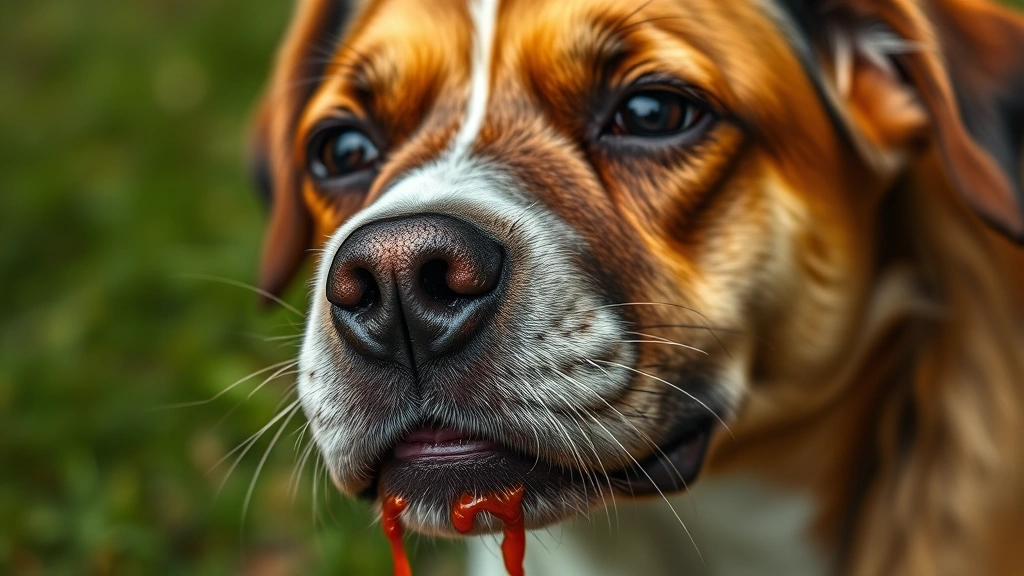
Symptoms of Jalapeno Pepper Ingestion
So your dog managed to snag a jalapeno from the counter or you accidentally left one within reach. What signs should you watch for? Knowing the symptoms of jalapeno ingestion can help you respond quickly if your pup gets into these spicy peppers.
The most common signs appear within a few hours of ingestion and include:
- Excessive drooling – Your dog might seem to be producing more saliva than usual as their mouth reacts to the capsaicin
- Vomiting – This is a classic sign that something irritating has reached their stomach
- Diarrhea – Digestive upset is almost guaranteed with jalapeno consumption
- Abdominal pain – Your dog might whimper, pace, or assume a play-bow position (front legs stretched out, rear end up)
- Loss of appetite – The discomfort might cause your dog to refuse their regular meals
- Excessive thirst – Dogs often drink more water when experiencing digestive distress
- Restlessness or agitation – The discomfort can make them anxious or unable to settle
In more severe cases, particularly if your dog has consumed a large quantity or if they’re a small breed, you might notice more pronounced symptoms. If your dog exhibits persistent vomiting or other concerning signs, don’t wait—contact your veterinarian immediately.
The severity of symptoms depends on several factors: how much jalapeno was consumed, whether it was raw or cooked, if it was prepared with other dangerous ingredients like garlic or onions, and your individual dog’s sensitivity level. Some dogs might experience mild discomfort that resolves on its own, while others could have more serious reactions.
What to Do If Your Dog Eats Jalapenos
First things first: don’t panic. If your dog has eaten a small amount of plain jalapeno, they’ll likely be uncomfortable but should recover without major intervention. However, you should still take action to monitor their condition and provide appropriate care.
Immediate steps to take:
- Remove any remaining jalapenos from your dog’s reach to prevent further consumption
- Note the time of ingestion and the approximate amount consumed
- Observe your dog closely for the next 24-48 hours for any symptoms
- Offer plenty of fresh water to help flush their system
- Skip their next meal or offer a bland diet (plain boiled chicken and white rice) if they seem interested in eating
- Call your veterinarian if symptoms develop or if your dog consumed a large quantity
If the jalapenos were prepared with garlic, onions, or excessive salt, this becomes more serious. These ingredients can cause additional harm beyond the capsaicin irritation. In this case, contact your vet immediately—don’t wait to see if symptoms develop.
When you call your veterinarian, have the following information ready:
- Approximate amount of jalapeno consumed
- Time of ingestion
- Whether the peppers were raw, cooked, or prepared with other ingredients
- Your dog’s weight and age
- Any symptoms currently present
Your vet might recommend bringing your dog in for an examination, especially if they’ve consumed a large quantity or if symptoms are severe. They may provide supportive care like IV fluids or anti-nausea medication to help your dog feel better.

Safe Pepper Alternatives for Dogs
Now that we’ve established that jalapenos are off the menu, let’s talk about what your dog can safely enjoy. If you’re looking to add some variety to your pup’s treats or let them participate in your snack time, there are actually several pepper options that are much safer.
When exploring what peppers dogs can safely eat, you’ll find that mild, non-spicy varieties are generally fine in moderation. Bell peppers, for instance, are actually quite healthy for dogs. They’re low in calories, packed with vitamin C, and contain beneficial antioxidants. Red, yellow, and orange bell peppers are sweeter than green ones, making them more appealing to most dogs.
Safe pepper options include:
- Bell peppers (red, yellow, orange) – Remove seeds and stem, offer in small pieces
- Poblano peppers – Mild and safe when raw, remove seeds first
- Banana peppers – Mild flavor and safe in small quantities
- Sweet piquante peppers – Gentle heat level, much safer than jalapenos
When introducing any new food to your dog’s diet, start with a tiny amount to ensure they don’t have an adverse reaction. Even safe foods can cause digestive upset if introduced too quickly or in large quantities.
Beyond peppers, there are plenty of other healthy treats your dog will love. Carrots, green beans, apples (without seeds), and pumpkin are all excellent options that provide nutritional benefits without the risks associated with spicy foods.
Prevention Tips and Best Practices
The best way to keep your dog safe from jalapeno peppers is prevention. Since you can’t always control what your dog might get into, especially if you have guests over or live in a multi-pet household, here are some practical strategies to minimize risk.
In your kitchen:
- Store jalapenos in a sealed container on a high shelf or in the refrigerator crisper drawer
- Don’t leave prepared foods containing jalapenos unattended on counters or tables
- Be especially vigilant during meal preparation when ingredients are more accessible
- Remind family members and guests not to feed your dog table scraps, particularly spicy foods
- Consider using baby gates to keep your dog out of the kitchen during food prep
General safety practices:
- Educate everyone in your household about foods that are dangerous for dogs
- Keep a list of toxic foods posted on your refrigerator as a reminder
- When ordering takeout with spicy ingredients, keep containers sealed and out of reach
- Be cautious at social gatherings where food is abundant and supervision might be lax
- Know your dog’s personality—some are food-motivated scavengers, others are less interested
If you’re concerned about accidental ingestion of harmful foods, consider keeping the number for ASPCA Animal Poison Control easily accessible. They can provide immediate guidance if your dog ingests something potentially harmful.
Remember that prevention is always easier than treatment. Taking a few extra precautions now can save you from a stressful veterinary emergency later. Your dog depends on you to make smart choices about what they have access to, and avoiding jalapenos is definitely one of those smart choices.
Frequently Asked Questions
Are jalapeno poppers safe for dogs?
Absolutely not. Jalapeno poppers are even worse than plain jalapenos because they typically contain cream cheese, breading, and often bacon or other fatty ingredients. The combination of capsaicin from the pepper plus high fat content makes them particularly dangerous for dogs. The risk of pancreatitis and severe digestive upset is significantly higher with prepared jalapeno poppers.
What if my dog ate just one small piece of jalapeno?
A tiny piece of plain jalapeno will likely cause mild discomfort but shouldn’t result in serious complications. Monitor your dog for symptoms like drooling, vomiting, or diarrhea over the next 24 hours. Offer plenty of water and consider feeding bland food if they seem interested. Contact your vet if symptoms develop or worsen.
Can dogs eat jalapeno seeds?
The seeds contain concentrated capsaicin, making them even more irritating than the pepper flesh itself. If your dog specifically ate jalapeno seeds, watch closely for symptoms and call your vet if they appear unwell. Seeds also pose a choking hazard, so they should definitely be removed from any peppers before offering them to dogs.
Is there anything in jalapenos that’s actually healthy for dogs?
While jalapenos do contain some vitamins and minerals, the risks associated with capsaicin far outweigh any potential nutritional benefits. There are many other vegetables that provide similar nutrients without the irritating spice. Your dog won’t miss out nutritionally by avoiding jalapenos.
Can spicy food give dogs the same enjoyment humans get from it?
No. Dogs don’t have the taste receptors that make spicy food enjoyable to humans, and their brains don’t process the “burn” as a pleasurable sensation. What feels exciting to us is genuinely uncomfortable for them. There’s no upside to feeding your dog spicy foods—only potential downsides.
What should I do if my dog ate jalapenos prepared with garlic or onions?
This is more serious and requires immediate veterinary attention. Both garlic and onions are toxic to dogs and can damage their red blood cells. Call your vet right away or visit an emergency veterinary clinic if it’s after hours. Be prepared to tell them exactly what your dog consumed and how much.
Are cooked jalapenos safer than raw ones for dogs?
No. Whether raw or cooked, jalapenos contain capsaicin that irritates your dog’s digestive system. If anything, cooked jalapenos might be slightly more dangerous because cooking can concentrate the oils and make them more irritating. Raw or cooked, the answer is the same: keep them away from your pup.
How can I tell if my dog’s digestive upset is from jalapenos or something else?
Jalapeno-related symptoms typically appear within a few hours of consumption and resolve within 24-48 hours with supportive care. However, if symptoms persist longer or are severe, there might be an underlying issue or your dog might have consumed something more dangerous. When in doubt, consult your veterinarian.





