
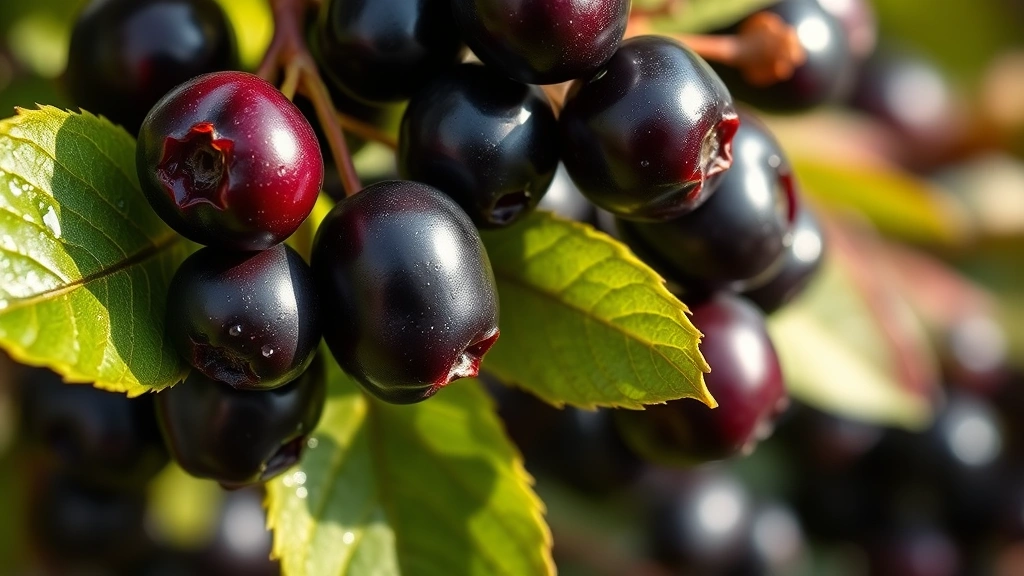
Can Dogs Eat Mulberries? What Experts Recommend
If you’ve got a mulberry tree in your backyard or you’re foraging for these delicious berries at your local farmer’s market, you might be wondering whether your furry best friend can join in on the fruity fun. The good news? Yes, dogs can eat mulberries! These sweet, juicy berries are generally safe for canines and can even offer some nutritional benefits when given in moderation.
But before you start tossing handfuls of mulberries to your pup, there are some important details you need to know. Not all berries are created equal, and mulberries come with their own set of considerations when it comes to canine nutrition. Whether your dog is a curious nibbler or a enthusiastic fruit fanatic, understanding how to safely incorporate mulberries into their diet is essential for keeping them happy and healthy.
In this comprehensive guide, we’ll explore everything you need to know about mulberries and dogs, from nutritional benefits to portion sizes and potential risks. Let’s dig into the details so you can make informed decisions about what treats your pup can safely enjoy.
Are Mulberries Safe for Dogs?
The short answer is yes—mulberries are safe for dogs to eat. Unlike some fruits that contain compounds toxic to canines, mulberries don’t contain any harmful substances that would make them dangerous for your pooch. The ASPCA and most veterinary nutritionists agree that mulberries are a non-toxic treat option for dogs of all sizes and ages.
However, “safe” doesn’t automatically mean “beneficial in large quantities.” While mulberries won’t poison your dog, they should still be treated as an occasional treat rather than a dietary staple. The key to safely feeding your dog mulberries—or any human food—is understanding portion control and your individual dog’s dietary needs.
One important thing to note: the safety of mulberries extends only to the berries themselves. If your dog eats mulberry leaves or branches, that’s a different story. While the berries are fine, other parts of the mulberry plant aren’t designed for canine consumption and could cause digestive upset.

Nutritional Benefits of Mulberries
Mulberries pack quite a nutritional punch for such small fruits. They’re rich in vitamins, minerals, and antioxidants that can provide some genuine health benefits for your dog when given as part of a balanced diet.
Vitamin C and Immune Support: Mulberries contain decent amounts of vitamin C, which supports your dog’s immune system and helps fight off free radicals. While dogs produce their own vitamin C, supplemental amounts from food sources can be beneficial, especially for aging dogs or those with compromised immune systems.
Antioxidants: These berries are loaded with powerful antioxidants like anthocyanins and resveratrol. These compounds help protect cells from damage and may reduce inflammation in your dog’s body, making mulberries potentially beneficial for dogs with joint issues or arthritis.
Fiber Content: Mulberries contain dietary fiber, which can support healthy digestion. This is particularly useful if you’re looking for natural ways to keep your dog’s digestive system functioning optimally. However, too much fiber can cause the opposite effect, so moderation is crucial.
Low Calorie Treat: With only about 43 calories per 100 grams, mulberries are a relatively low-calorie option compared to many commercial dog treats. This makes them an excellent choice if you’re trying to maintain your dog’s weight while still offering something special.
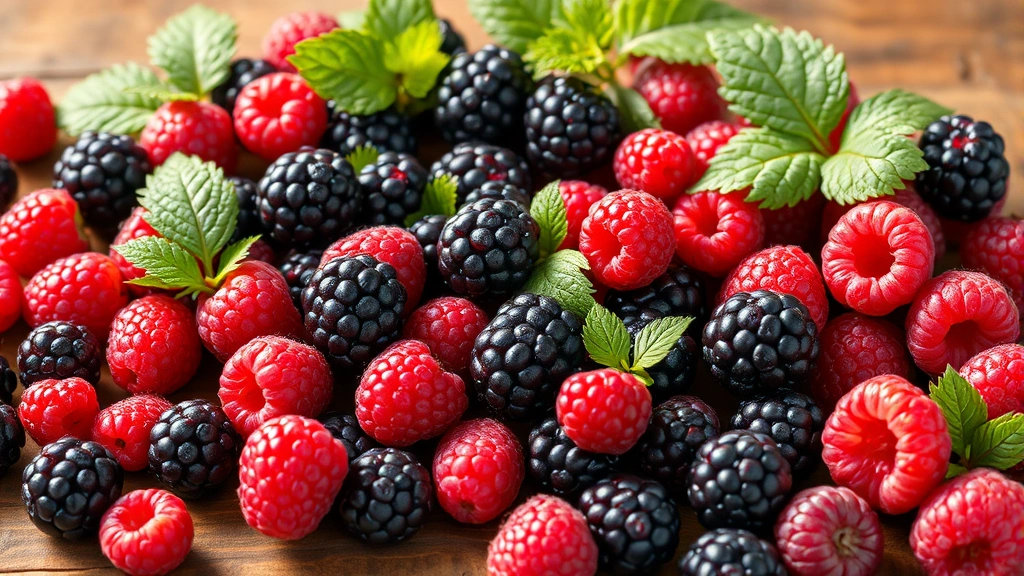
When comparing mulberries to other berry options, they hold their own quite well. If you’re curious about how they stack up, you might also want to explore whether dogs can eat blackberries or the benefits of raspberries for dogs. Each berry offers unique nutritional profiles worth exploring.
Proper Portion Sizes and Frequency
Now that we’ve established that mulberries are safe, the question becomes: how many can your dog actually have? The answer depends on several factors, including your dog’s size, age, overall health, and current diet.
General Guidelines: A good rule of thumb is that treats—including fruit—should make up no more than 10% of your dog’s daily caloric intake. The remaining 90% should come from their regular, nutritionally complete dog food. This ensures your pup gets all the essential nutrients they need.
Small Dogs: For small breeds weighing under 20 pounds, offering 3-5 mulberries a few times per week is appropriate. These little pups have smaller stomachs and caloric needs, so even a small handful can represent a significant portion of their daily treat allowance.
Medium Dogs: Medium-sized dogs (20-60 pounds) can handle about 8-12 mulberries a few times per week. You might offer them as a special treat during training sessions or as a cool snack on a hot day.
Large Dogs: Larger breeds (over 60 pounds) can safely enjoy up to 15-20 mulberries a few times weekly. However, this doesn’t mean you should give them all at once—spread them out or mix them into their regular food.
If you’re unsure about your dog’s specific caloric needs, consult your veterinarian about how much food you should feed your dog. Your vet can provide personalized recommendations based on your pet’s unique health profile.
Potential Risks and Considerations
While mulberries are generally safe, there are several considerations and potential risks you should be aware of before offering them to your canine companion.
Choking Hazard: For small dogs or dogs who tend to gulp their food without chewing, whole mulberries could present a minor choking risk. If this describes your pup, consider cutting the berries in half or mashing them slightly before serving.
Sugar Content: Although mulberries aren’t particularly high in sugar compared to some fruits, they do contain natural sugars. Dogs with diabetes or those prone to weight gain should have limited mulberry intake. Always discuss treat options with your vet if your dog has any metabolic conditions.
Digestive Upset: The fiber in mulberries can cause digestive issues if given in excessive quantities. Signs of too many mulberries might include loose stools or diarrhea. If your dog experiences these symptoms, reduce the amount or discontinue mulberry treats. You might find our guide on what to feed a dog with diarrhea helpful if this occurs.
Pesticide Residue: If you’re picking mulberries from a tree or purchasing them from a farmer’s market, be mindful of potential pesticide exposure. Always wash berries thoroughly before offering them to your dog. Organic mulberries are preferable if available.
Allergic Reactions: While rare, some dogs may have allergies to mulberries. If you’re introducing them for the first time, start with just one or two berries and monitor your dog for any adverse reactions like itching, vomiting, or swelling.
How to Serve Mulberries to Your Dog
There are several creative and safe ways to incorporate mulberries into your dog’s treat routine. Here are some ideas to get you started:
- Fresh and Whole: For most dogs, simply offering a few fresh, washed mulberries is perfectly fine. Make sure they’re ripe and free from mold or damage.
- Frozen Treats: Freeze mulberries on a baking sheet and offer them as a refreshing summer treat. This is especially great for teething puppies or dogs who enjoy a cooling sensation.
- Mashed in Food: Mix mashed mulberries into your dog’s regular kibble to add variety and nutrition without dramatically changing their meal.
- Homemade Dog Treats: Incorporate mulberries into homemade dog treat recipes. Combine them with dog-safe ingredients like peanut butter (though understanding why dogs like peanut butter can help you use it wisely) or plain yogurt for tasty frozen bites.
- Training Rewards: Use individual mulberries as high-value training rewards. Their small size makes them perfect for positive reinforcement during obedience sessions.
- Smoothie Bowls: For a special occasion, blend mulberries with dog-safe ingredients like plain yogurt and freeze in ice cube trays for portion-controlled treats.
Remember to always introduce new foods gradually, allowing your dog’s digestive system to adjust. Start with just a few berries and observe your pup for any negative reactions over the next 24-48 hours.
Comparing Mulberries to Other Dog-Friendly Berries
Mulberries aren’t the only berries that are safe for dogs. Let’s see how they compare to other popular options.
Mulberries vs. Blackberries: Both are safe for dogs, but when it comes to dogs eating blackberries, you’ll find they have slightly different nutritional profiles. Blackberries tend to be higher in fiber and vitamin K, while mulberries offer more iron. Both are excellent choices for occasional treats.
Mulberries vs. Raspberries: Raspberries are another safe option, and there are benefits to explore when considering whether raspberries are good for dogs. Raspberries are particularly high in antioxidants and may have anti-inflammatory properties. They’re also lower in sugar than mulberries, making them a good option for weight-conscious pups.
Mulberries vs. Blueberries: Blueberries are often touted as a superfood for dogs and are extremely popular. However, be cautious about commercial blueberry products—if you’re wondering whether dogs can eat blueberry muffins, the answer is typically no due to added sugars and ingredients. Fresh blueberries are better, though mulberries offer comparable antioxidant benefits with potentially better digestive support from their fiber content.
Mulberries vs. Strawberries: Strawberries are safe and beloved by many dogs. They’re higher in vitamin C than mulberries but also contain more natural sugars. Both are good occasional treats depending on your dog’s specific dietary needs.
The bottom line? Mulberries are an excellent choice in the berry family, offering unique benefits while being safe and relatively low in calories. Variety is always good, so rotating between different safe berries keeps your dog’s diet interesting.
When to Avoid Giving Mulberries
While mulberries are generally safe, there are specific situations where you should avoid offering them to your dog.
Dogs with Diabetes: If your dog has been diagnosed with diabetes, you’ll want to limit fruit intake, including mulberries. The natural sugars can affect blood glucose levels. Always consult your veterinarian before introducing any new foods.
Dogs with Sensitive Digestive Systems: Some dogs have naturally sensitive stomachs or have been diagnosed with conditions like inflammatory bowel disease (IBD). For these pups, introducing any new food—including mulberries—should be done cautiously and under veterinary guidance.
Dogs with Kidney Disease: Certain kidney conditions may require dietary restrictions. While mulberries aren’t inherently problematic for kidney disease, you should check with your vet before offering them.
Overweight Dogs: If your dog is overweight or on a weight management program, even low-calorie treats should be carefully portioned. Mulberries can be part of the plan, but only if they fit within the daily caloric allowance.
Post-Surgical Dogs: If your dog has recently had surgery or is recovering from illness, stick to their prescribed diet unless your vet gives the green light for treats.
Puppies Under 6 Months: While mulberries aren’t toxic to puppies, their digestive systems are still developing. It’s best to wait until puppies are at least 6 months old before introducing new fruits as treats.
Frequently Asked Questions
Can dogs eat mulberry jam or mulberry juice?
While plain mulberries are safe, processed mulberry products like jam or juice are not recommended. These products often contain added sugars, preservatives, and other ingredients that aren’t appropriate for dogs. Stick to fresh, whole mulberries when possible. If you want to offer mulberry juice, it should be diluted significantly with water and given only occasionally in very small amounts—though whole berries are always the better choice.
What should I do if my dog eats a large amount of mulberries?
If your dog accidentally consumes a large quantity of mulberries, don’t panic. Mulberries aren’t toxic, so poisoning isn’t a concern. However, your dog may experience digestive upset including loose stools or diarrhea due to the high fiber content. Monitor your pup closely, ensure they have access to fresh water, and contact your veterinarian if symptoms persist beyond 24 hours or if your dog shows signs of distress.
Are mulberry leaves safe for dogs?
No, mulberry leaves should not be given to dogs. While the berries are safe, leaves can cause digestive upset and aren’t nutritionally beneficial for canines. If your dog has access to a mulberry tree, try to prevent them from nibbling on the branches and leaves. Stick exclusively to the berries themselves.
Can puppies eat mulberries?
Puppies over 6 months old can have small amounts of mulberries under supervision. However, puppies have delicate digestive systems that are still developing, so it’s best to introduce any new foods gradually and in tiny portions. Always consult your veterinarian before offering treats to young puppies, especially if they have any underlying health concerns.
How do mulberries compare nutritionally to commercial dog treats?
Mulberries offer whole-food nutrition with no artificial additives, which many commercial dog treats contain. They’re lower in calories and higher in natural antioxidants than many processed treats. However, they’re not nutritionally complete like formulated dog food should be. Think of mulberries as a supplement to a balanced diet, not a replacement for quality dog food or even most commercial treats designed specifically for canine nutrition.
Can I grow mulberries specifically for my dog?
Absolutely! Growing your own mulberry tree is a wonderful way to provide fresh, pesticide-free treats for your dog. Mulberry trees are relatively low-maintenance and can produce abundant fruit. Just make sure to keep your dog from eating the leaves and branches, and harvest ripe berries for your pup to enjoy. It’s a great way to ensure quality and safety.
What are signs that my dog has eaten too many mulberries?
The primary sign of mulberry overconsumption is digestive upset, typically manifesting as loose stools or diarrhea. You might also notice your dog acting lethargic or showing decreased appetite. If these symptoms persist for more than 24 hours or if your dog seems uncomfortable, contact your veterinarian. Prevention is easier than treatment, so stick to the recommended portion sizes.





