
Can Dogs Eat Nuts and Seeds? Safety Tips Every Pet Parent Should Know
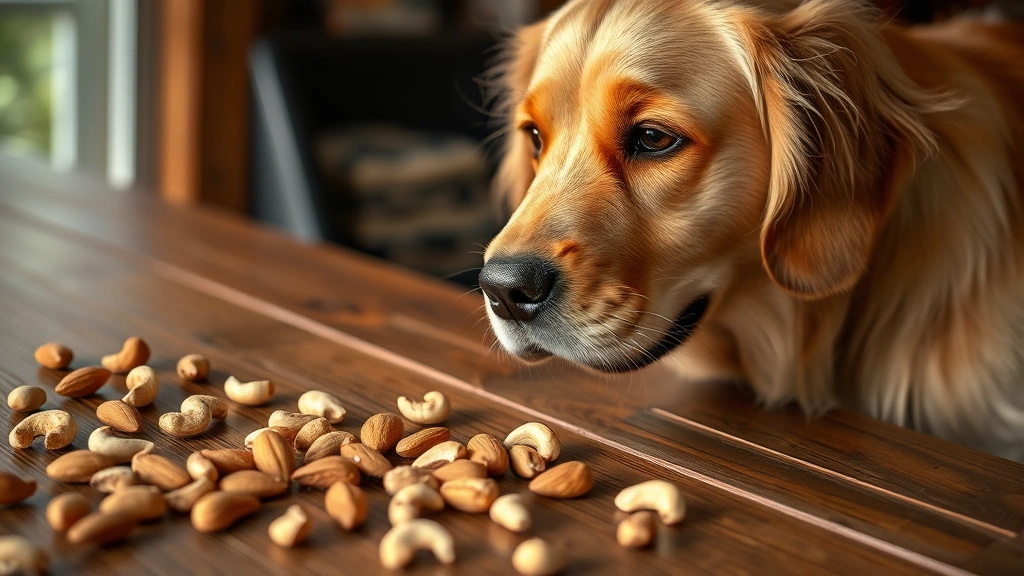
Picture this: you’re enjoying a handful of almonds while scrolling through your phone, and your pup gives you that irresistible puppy-dog eye. Before you toss them a snack, pump the brakes! The question of whether can dogs eat nuts and seeds isn’t as straightforward as a simple yes or no. Some nuts and seeds are perfectly safe for your furry friend, while others can range from mildly problematic to downright dangerous.
As a dog owner, understanding which treats are safe and which ones to avoid is crucial for keeping your four-legged companion healthy and happy. We’ve all been there—wanting to share our snacks with our beloved pets—but the truth is, our dogs’ digestive systems work differently than ours. What’s a harmless snack for you might cause serious health issues for Fido.
In this comprehensive guide, we’ll break down everything you need to know about nuts, seeds, and your dog’s diet. We’ll explore which varieties are safe, which ones to absolutely avoid, portion sizes, and practical tips for keeping your pup out of trouble when you’re snacking. Let’s dig in!
Safe Nuts for Dogs
The good news? Several nuts are actually safe for dogs in moderation. However, “safe” doesn’t mean unlimited—portion control is absolutely essential. Let’s explore the nuts that can occasionally make an appearance in your dog’s diet.
Peanuts are technically legumes, not true nuts, and they’re generally safe for dogs when given plain and unsalted. Many dog owners incorporate peanuts into their pup’s diet, and many commercial dog treats contain peanut flavor. If you’re wondering about the creamy spread version, check out our detailed guide on can dogs have peanut butter to ensure you’re choosing the right product.
Cashews are another reasonably safe option when offered plain and unsalted. They’re lower in fat compared to some other nuts, making them a slightly better choice for weight-conscious pups. That said, they should still be given sparingly as an occasional treat.
Almonds can be given to dogs, but with significant caveats. They’re harder to digest and pose a choking hazard, especially for smaller breeds. If you do offer almonds, ensure they’re unsalted and given one at a time under supervision.
For a comprehensive breakdown of which nuts fit into your dog’s diet, our article on what nuts can dogs eat provides an in-depth comparison of various options.
Nuts to Absolutely Avoid
Now, let’s talk about the serious stuff—nuts that can genuinely harm your dog. These should never, ever make it into your pup’s food bowl.
Macadamia nuts are the villain in this story. These nuts contain an unknown toxin that can cause severe reactions in dogs, including weakness, vomiting, hyperthermia, and tremors. Even small quantities can trigger symptoms within 12 hours of ingestion. If your dog accidentally consumes macadamia nuts, contact your veterinarian immediately.
Walnuts are problematic for multiple reasons. They can cause gastrointestinal upset, and black walnuts specifically contain juglone, a toxin that can lead to neurological issues. Additionally, walnuts are prone to mold contamination, which produces aflatoxins—dangerous compounds that damage the liver.
Pecans share similar concerns with walnuts, particularly regarding mold contamination. They’re also high in fat, which can trigger pancreatitis in susceptible dogs.
Pistachios should be avoided due to their high fat content and potential for mold contamination. Plus, the shells pose a choking and intestinal blockage risk.
The safest approach? If you’re unsure about a specific nut, don’t risk it. Your vet is always the best resource for questions about your dog’s diet.
Seeds: What’s Safe and What Isn’t
Seeds are often overlooked in the nuts-and-seeds conversation, but they deserve just as much attention. Some seeds are nutritious additions to your dog’s diet, while others can cause problems.
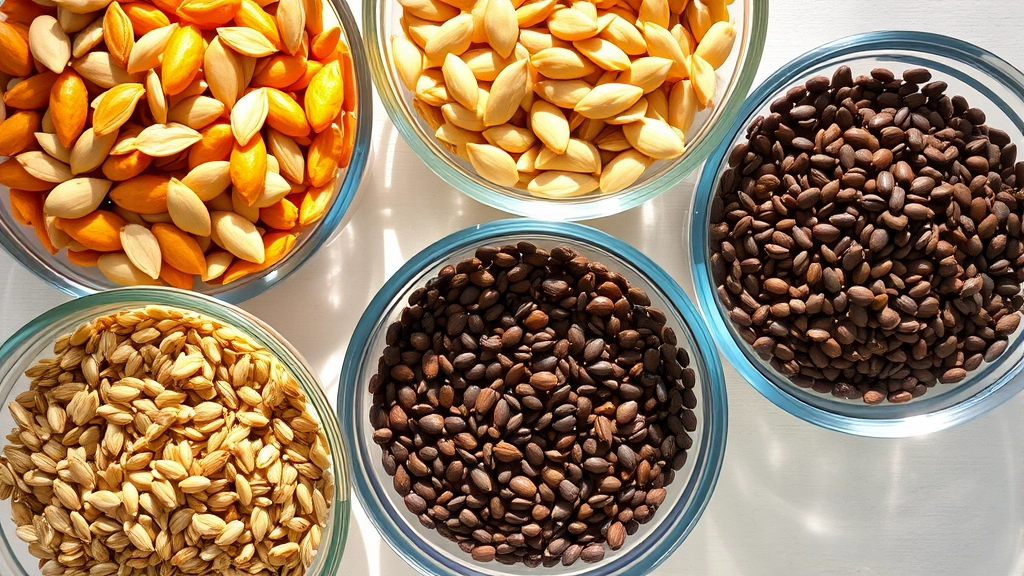
Pumpkin seeds are nutritional powerhouses for dogs. Packed with magnesium, manganese, and omega-3 fatty acids, they support urinary health and can help with digestive issues. Our detailed article on can dogs eat pumpkin seeds explains exactly how to incorporate them safely into your pup’s routine. These seeds can be given raw, roasted (unsalted), or as part of your dog’s meal.
Sunflower seeds are another excellent option. They’re high in vitamin E and selenium, supporting immune function and coat health. Like pumpkin seeds, they should be unsalted and given in moderation.
Sesame seeds are safe for dogs and offer similar nutritional benefits to sunflower seeds. However, they’re tiny, so ensure you’re not offering them in quantities that could cause choking. For more information, check out our guide on can dogs eat sesame seeds.
Flax seeds are beneficial for dogs’ coat and skin health due to their omega-3 content. They should be ground rather than whole to improve digestibility.
Chia seeds are safe and nutritious, offering fiber, protein, and omega-3 fatty acids. A small sprinkle on their food is sufficient.
Seeds to avoid include apple seeds and cherry pits, which contain cyanogenic compounds. While a few apple seeds won’t cause harm, it’s best to remove them entirely. Avocado seeds are toxic and should never be offered. Additionally, any moldy or rancid seeds should be discarded immediately.
Portion Control and Serving Guidelines
Here’s where many well-intentioned dog owners go wrong: portion sizes. Even safe nuts and seeds can cause problems if given in excessive amounts.
The general rule of thumb is that treats should comprise no more than 10% of your dog’s daily caloric intake. For most dogs, this means just a small handful of nuts or seeds per day, if any at all.
For small breeds (under 20 lbs), offer no more than 2-3 nuts or seeds per day. These tiny pups have little room in their caloric budget for extras.
For medium breeds (20-60 lbs), you can offer up to a small handful (about 5-7 nuts) a few times per week.
For large breeds (over 60 lbs), a small handful of nuts or seeds a few times weekly is appropriate, though they should still not be regular treats.
Always ensure nuts and seeds are:
- Completely unsalted and unsweetened
- Free from added oils or coatings
- Raw or roasted (not candied or chocolate-covered)
- Chopped or crushed for small breeds to prevent choking
- Fresh and not moldy or rancid
When introducing any new food, start with a tiny amount and monitor your dog for 24-48 hours for any adverse reactions.
Health Risks and Warning Signs
Understanding potential health risks helps you make informed decisions and recognize problems early. Nuts and seeds can cause various issues depending on the type and quantity consumed.
Pancreatitis is perhaps the most serious concern. High-fat foods like nuts can trigger inflammation of the pancreas, causing severe pain, vomiting, and potentially life-threatening complications. Dogs with a history of pancreatitis should avoid nuts entirely.
Gastrointestinal upset is common when dogs eat nuts or seeds in excessive amounts. Symptoms include diarrhea, vomiting, and abdominal discomfort. If your dog experiences these issues, consult our article on what to feed a dog with diarrhea for recovery nutrition strategies.
Choking and intestinal blockages are physical hazards, especially for enthusiastic eaters who don’t chew properly. Shells and whole seeds can lodge in the throat or digestive tract, requiring emergency veterinary intervention.
Allergic reactions can occur, though they’re relatively rare. Signs include itching, swelling of the face or throat, difficulty breathing, or hives. Like other potential allergies, if you suspect a nut or seed allergy, read our information on can dogs be allergic to chicken for insights into recognizing and managing food allergies in dogs.
Toxicity from mold contamination is an often-overlooked risk. Nuts stored improperly or for extended periods can develop mold that produces aflatoxins, which are carcinogenic and hepatotoxic. Always check that nuts look fresh and smell normal before offering them to your dog.
Warning signs your dog has eaten something problematic:
- Vomiting or retching
- Diarrhea or constipation
- Loss of appetite
- Lethargy or unusual behavior
- Abdominal pain or distension
- Difficulty swallowing or drooling excessively
- Tremors or weakness
- Difficulty breathing
If you notice any of these symptoms, contact your veterinarian immediately. When in doubt, it’s always better to err on the side of caution.
Storage and Home Safety Tips
Prevention is the best medicine when it comes to accidental nut and seed consumption. Since many dogs are opportunistic eaters who’ll snatch anything that looks remotely edible, smart storage is essential.
Store nuts and seeds securely:
- Keep them in airtight containers on high shelves or in cabinets your dog can’t access
- Use child-proof locks on low cabinets if your pup is particularly clever
- Never leave nuts or seeds on countertops or tables where curious noses can reach
- Be especially vigilant during holidays when nut-heavy snacks are abundant
- Clean up immediately after eating—don’t leave shells or pieces lying around
Educate family members and guests:
- Make sure everyone in your household knows which nuts are toxic
- Ask guests not to feed your dog treats without permission
- Keep a list of dangerous foods on your refrigerator as a reminder
- Explain to children why they shouldn’t share their snacks with the family dog
Be cautious with processed foods:
- Many commercial baked goods contain nuts and aren’t suitable for dogs
- Check labels on granola bars, trail mix, and other snacks
- Be aware of nut butters that contain xylitol, a sweetener toxic to dogs
Monitor outdoor areas:
- If you have nut trees in your yard, regularly clean up fallen nuts
- Walnut and pecan trees require particular attention due to mold concerns
- Watch your dog during walks in parks where nuts might be scattered
Frequently Asked Questions
Can dogs eat raw nuts versus roasted nuts?
Both raw and roasted nuts are generally safe for dogs, provided they’re unsalted. Roasted nuts are slightly easier to digest, but raw nuts are fine in moderation. Avoid any nuts coated with salt, sugar, chocolate, or spices, as these additions aren’t appropriate for dogs.
What should I do if my dog eats macadamia nuts?
Macadamia nut toxicity requires immediate veterinary attention. Contact your vet or an animal poison control center (like the ASPCA Animal Poison Control Center at 888-426-4435) right away. Provide information about the number of nuts consumed and the time of ingestion. Your vet may induce vomiting or provide supportive care depending on the quantity and your dog’s condition.
Are there any health benefits to giving dogs nuts and seeds?
Yes! When given appropriately, nuts and seeds offer nutritional benefits. Pumpkin and sunflower seeds provide valuable minerals and omega-3 fatty acids. However, these benefits don’t justify regular consumption—your dog gets complete nutrition from a balanced commercial or home-prepared diet. Nuts and seeds should be occasional treats only.
Can dogs eat nut butters safely?
Some nut butters are safe, while others contain dangerous ingredients. Our comprehensive guide on can dogs have peanut butter covers this topic in detail, but the key is ensuring the product contains no xylitol, added sugar, or salt.
How can I tell if nuts have gone bad or moldy?
Inspect nuts for visible mold, discoloration, or an off smell. If nuts have been stored improperly or for extended periods, assume they may be contaminated. When in doubt, throw them out. Your dog’s health isn’t worth the risk.
What’s the difference between nut allergies and nut toxicity in dogs?
Toxicity is a chemical reaction caused by naturally occurring compounds in certain nuts (like macadamia nuts). Allergies are immune responses to proteins in nuts. While allergies are relatively rare in dogs, toxicity from specific nuts is a real concern regardless of your dog’s individual sensitivity.
Can I give my dog trail mix or mixed nuts?
Trail mix is a no-go for dogs. It typically contains multiple types of nuts, dried fruits, chocolate, and added salt or sugar—a combination that’s problematic on multiple levels. Stick to offering individual, safe nuts in controlled portions instead.
Are there alternatives to nuts and seeds for healthy dog treats?
Absolutely! Consider carrots, green beans, apples (without seeds), blueberries, sweet potatoes, and plain cooked chicken. These alternatives offer nutritional benefits without the risks associated with nuts and seeds.





