
Can Dogs Eat Nuts and Seeds? Safety Tips for Pet Parents
Your furry best friend gives you those irresistible puppy dog eyes while you’re snacking on a handful of almonds, and suddenly you’re wondering: is it safe to share? The question of whether can dogs eat nuts and seeds is more nuanced than a simple yes or no. While some nuts and seeds offer nutritional benefits for our canine companions, others can pose serious health risks that every responsible dog owner should know about.
The truth is, your dog’s digestive system works differently than yours. What’s perfectly safe for you might cause anything from mild digestive upset to life-threatening toxicity in your pup. Before you toss Fido a handful of trail mix, let’s dive deep into the world of nuts and seeds to help you make informed decisions about your dog’s snacking habits.
As pet parents, we all want to treat our dogs to special snacks and human foods occasionally. But when it comes to nuts and seeds, understanding which ones are safe and which are dangerous is absolutely crucial for your dog’s wellbeing. This comprehensive guide will walk you through everything you need to know.
Safe Nuts for Dogs: The Green Light List
Not all nuts are created equal when it comes to canine nutrition. Some nuts are actually quite safe and can even provide health benefits to your four-legged friend. When we talk about what nuts can dogs eat, peanuts top the list as one of the safest options available.
Peanuts are technically legumes, not true nuts, but they’re widely available and generally safe for dogs in moderation. They’re packed with protein and healthy fats that support your dog’s coat and skin health. However, it’s essential to choose unsalted, unflavored peanuts without xylitol (an artificial sweetener that’s toxic to dogs). This is why many pet owners wonder about can dogs have peanut butter, and the answer is yes—but only the safe kind without additives.
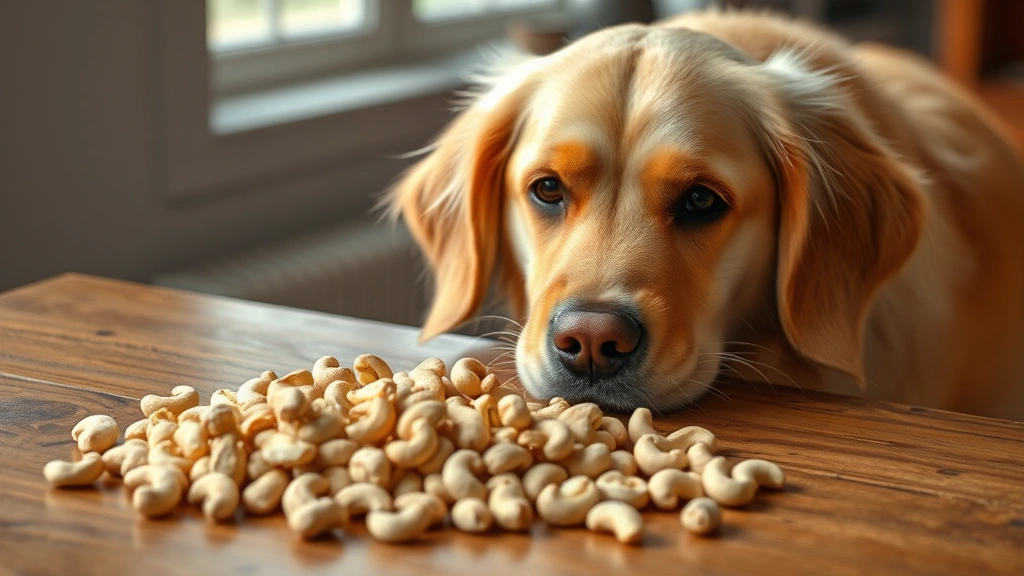
Cashews are another reasonably safe option for dogs when given occasionally and in small quantities. They’re rich in copper and magnesium, which support bone health and immune function. Just remember that cashews are high in fat, so they should be an occasional treat rather than a dietary staple.
Almonds can be given to dogs, though they’re not recommended as a primary treat. While not toxic, almonds are difficult for dogs to digest and can sometimes cause gastrointestinal issues. Additionally, they pose a choking hazard, especially for smaller breeds. If you do offer almonds, ensure they’re unsalted and given one at a time under supervision.
Macadamia nuts and walnuts, while sometimes appearing on “safe” lists, are actually better avoided. Macadamia nuts can cause weakness, tremors, and hyperthermia in dogs, while walnuts may contain mold that produces aflatoxins, a carcinogenic compound dangerous for canines.
Nuts to Avoid Completely: The Danger Zone
Understanding which nuts are toxic to dogs is just as important as knowing which ones are safe. Some nuts can cause severe reactions ranging from mild gastrointestinal distress to organ damage and even death. This is where your knowledge becomes your dog’s best defense.
Macadamia nuts are one of the most dangerous nuts for dogs. Even small quantities can cause toxicity, leading to symptoms like weakness, vomiting, tremors, and fever. The exact toxic compound in macadamia nuts hasn’t been fully identified, but veterinarians strongly advise against giving them to dogs under any circumstances.
Black walnuts are particularly hazardous because they often contain mold that produces aflatoxins and juglone, both of which are toxic to dogs. Regular English walnuts are slightly safer but still pose risks due to their high fat content and potential mold contamination. It’s best to keep all walnuts away from your pup.
Hickory nuts should be avoided as they can cause gastrointestinal upset and potentially more serious complications. Pecans are also problematic, particularly if they’re moldy, as they can cause similar issues to walnuts.
The key takeaway: when in doubt, leave it out. If a nut isn’t explicitly confirmed as safe by your veterinarian, it’s better to err on the side of caution and keep it away from your furry friend.
Seeds: What’s Safe and What’s Not
Seeds present their own unique set of considerations for dog owners. While some seeds offer nutritional benefits, others can cause problems ranging from choking hazards to toxicity. Let’s break down the seed situation so you can make confident choices.
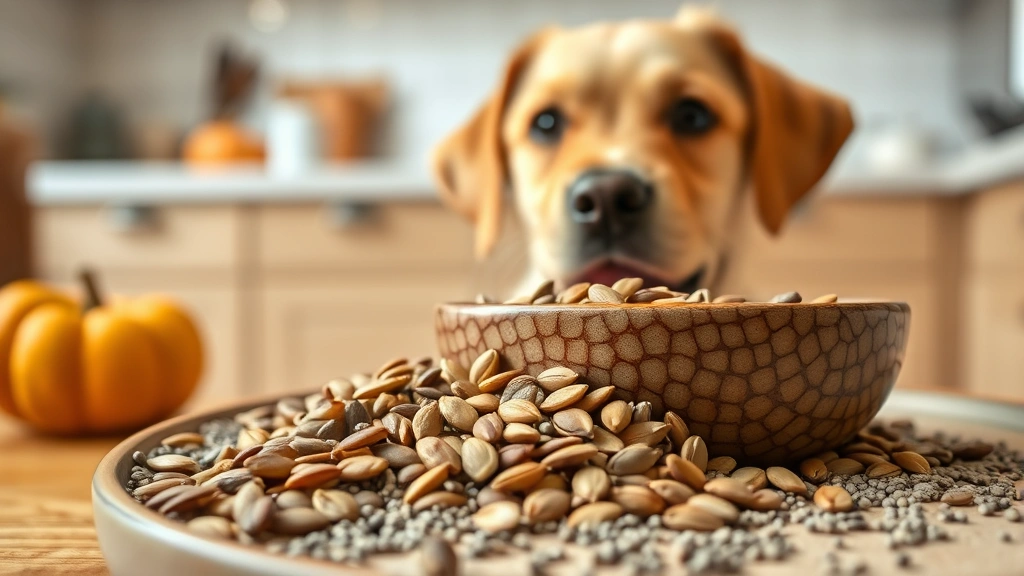
Can dogs eat pumpkin seeds? The answer is yes! Pumpkin seeds are actually excellent for dogs and are often recommended by veterinarians. They’re rich in magnesium, manganese, and copper, and they contain compounds that may help with urinary and digestive health. You can serve them raw or roasted (unsalted), and they make a nutritious addition to your dog’s diet.
Can dogs eat sesame seeds? While sesame seeds aren’t toxic to dogs, they’re not particularly beneficial either. They can be given occasionally in tiny amounts, but they’re not recommended as a regular treat. Some dogs may experience digestive upset, and the small size makes them a potential choking hazard.
Can dogs eat chia seeds? Yes, chia seeds are safe and actually quite nutritious for dogs! They’re packed with omega-3 fatty acids, fiber, and antioxidants. Chia seeds can support heart health and coat quality. Start with small amounts to ensure your dog tolerates them well, as they absorb water and can expand in the digestive tract.
Sunflower seeds are generally safe for dogs in moderation. They’re high in vitamin E and selenium, which support immune function. Remove the shells first, as they can pose a choking hazard and are difficult to digest.
Apple seeds should be avoided entirely, as they contain cyanogenic glycosides that can convert to cyanide in your dog’s stomach. Similarly, apricot pits, peach pits, and cherry pits all contain compounds that break down into cyanide and should never be given to dogs.
Health Benefits and Nutritional Value
When given appropriately, nuts and seeds can contribute positively to your dog’s nutrition. Understanding these benefits helps you make informed decisions about which treats to offer your pup.
Safe nuts and seeds provide several nutritional advantages:
- Protein and amino acids: Essential for muscle development and maintenance, helping your dog stay strong and active
- Healthy fats: Support brain function, coat health, and reduce inflammation in the body
- Vitamins and minerals: Including vitamin E, magnesium, and manganese that support immune function and bone health
- Antioxidants: Help combat free radicals and may reduce the risk of certain diseases
- Fiber: Supports digestive health and can help with weight management
However, it’s important to remember that these benefits only apply when nuts and seeds are given in appropriate quantities. Overfeeding can lead to obesity, pancreatitis, and other health issues. Dogs don’t require nuts and seeds in their diet—they’re supplementary treats, not nutritional necessities.
For dogs with specific health conditions, certain nuts and seeds might be particularly beneficial. For instance, pumpkin seeds have been studied for their potential benefits in supporting urinary health, while omega-3 rich seeds like chia and flax may help dogs with inflammatory conditions. Always consult your veterinarian before using nuts or seeds as therapeutic treats for medical conditions.
Feeding Guidelines and Portion Control
Knowing which nuts and seeds are safe is only half the battle. Understanding proper portions is equally crucial for maintaining your dog’s health and preventing weight gain.
The 10% Rule: A general guideline in dog nutrition is that treats should comprise no more than 10% of your dog’s daily caloric intake. The remaining 90% should come from a balanced, complete dog food formulated to meet your pup’s nutritional needs.
Size matters: Larger dogs can tolerate slightly more nuts and seeds than smaller breeds, but even large dogs should only receive these treats in moderation. A large dog might have a small handful of peanuts a few times per week, while a small dog should receive only a few nuts as an occasional treat.
Preparation tips:
- Always choose unsalted, unflavored nuts and seeds to avoid excessive sodium intake
- Remove shells to prevent choking hazards and digestive blockages
- Avoid any nuts or seeds coated with chocolate, candy, or other additives
- Never give your dog moldy nuts or seeds, as mold can produce toxic compounds
- Introduce new nuts or seeds gradually to monitor for adverse reactions
- Store nuts and seeds securely to prevent your dog from accessing them unsupervised
For puppies and senior dogs, extra caution is warranted. Puppies have developing digestive systems and may struggle to process nuts and seeds, while senior dogs often have dental issues that make cracking and chewing nuts difficult. In both cases, softer treats may be more appropriate.
Signs of Nut or Seed Toxicity: When to Call the Vet
Despite your best efforts to keep dangerous nuts away from your dog, accidents happen. Knowing the signs of nut or seed toxicity can help you respond quickly if your pup accidentally ingests something harmful.
Immediate signs to watch for:
- Vomiting or retching
- Diarrhea or loose stools
- Abdominal pain or distension
- Loss of appetite
- Lethargy or unusual tiredness
- Tremors or muscle weakness
- Excessive drooling
- Difficulty swallowing
More serious symptoms requiring emergency care:
- Seizures or convulsions
- Severe vomiting that won’t stop
- Inability to urinate or defecate
- Collapse or loss of consciousness
- Rapid or irregular heartbeat
- Fever or elevated body temperature
If you suspect your dog has eaten toxic nuts or seeds, don’t wait for symptoms to develop. Contact your veterinarian or an ASPCA Animal Poison Control Center immediately. Have information ready about what your dog ate, approximately how much, and when the ingestion occurred. This information helps your vet determine the appropriate course of action.
Keep in mind that choking hazards aren’t limited to toxicity concerns. Even safe nuts can cause blockages if swallowed whole or in large pieces. If your dog is coughing, gagging, drooling excessively, or showing signs of distress while eating, seek veterinary attention immediately.
Prevention is always better than treatment. Store all nuts and seeds securely in sealed containers kept in cabinets or pantries where your dog cannot access them. Be vigilant about cleaning up after snacking, and remind family members and guests about the importance of not feeding your dog unauthorized treats.
Frequently Asked Questions
Can dogs eat peanuts?
Yes, dogs can eat peanuts in moderation. Choose unsalted, unflavored peanuts without xylitol. Peanuts are technically legumes and are generally safe for dogs, offering protein and healthy fats. However, limit portions to occasional treats, as peanuts are high in fat and calories.
What should I do if my dog eats macadamia nuts?
Macadamia nuts are toxic to dogs. If your dog ingests them, contact your veterinarian or poison control immediately. Symptoms can include weakness, vomiting, tremors, and fever. The severity depends on the amount consumed and your dog’s size. Don’t wait for symptoms—seek help right away.
Are all seeds safe for dogs?
No, not all seeds are safe. While pumpkin seeds, chia seeds, and sunflower seeds are generally safe, apple seeds, apricot pits, and cherry pits contain cyanogenic compounds and should be avoided. Always research specific seeds before offering them to your dog.
Can I give my dog nuts as a meal replacement?
Absolutely not. Nuts and seeds should never replace your dog’s regular, balanced diet. They’re supplementary treats only and should comprise no more than 10% of your dog’s daily caloric intake. Dogs require complete, balanced nutrition formulated specifically for their species.
How can I tell if my dog has eaten something toxic?
Signs of toxicity vary depending on what was ingested but commonly include vomiting, diarrhea, lethargy, tremors, and abdominal pain. More serious symptoms include seizures, inability to move, and collapse. If you suspect toxicity, contact your vet or poison control immediately rather than waiting for symptoms.
Are there any nuts that are completely safe for dogs?
While no nut is 100% risk-free for every dog, peanuts and cashews are among the safest options when given unsalted and in small quantities. However, individual dogs may have allergies or sensitivities. Always introduce new foods gradually and monitor your dog’s response.
Can puppies eat nuts and seeds?
Puppies have developing digestive systems and should generally avoid nuts and seeds. Their stomachs are more sensitive, and the choking hazard is greater. Stick to age-appropriate puppy treats and consult your veterinarian before introducing any new foods.
What’s the best way to serve safe nuts to my dog?
Remove all shells, ensure nuts are unsalted and unflavored, and serve in small quantities. You can crush them slightly to reduce choking hazard, or mix them into your dog’s regular food. Always supervise your dog while eating and ensure they chew properly before swallowing.





