
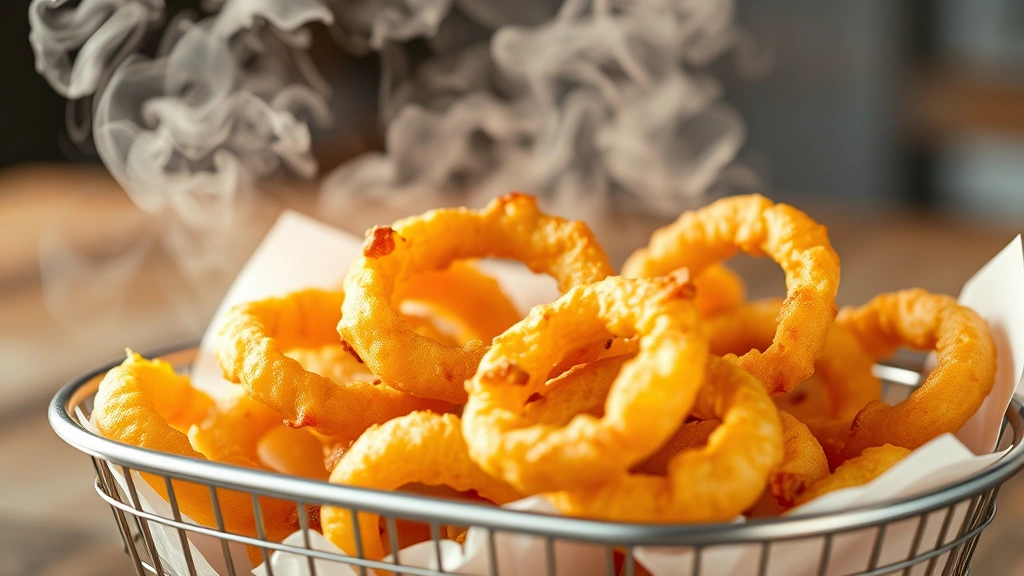
Can Dogs Eat Onion Rings? Important Safety Info for Pet Owners
Picture this: You’re enjoying a basket of crispy, golden onion rings at your favorite restaurant, and your furry best friend gives you those irresistible puppy dog eyes. It’s a moment every dog owner knows well. But before you share even a tiny piece with your pup, we need to have an important conversation about what’s actually safe for your four-legged companion.
The short answer is a resounding no—dogs should not eat onion rings, and we’re here to tell you exactly why. While they might smell absolutely delicious to your canine buddy, onion rings pose serious health risks that every responsible dog owner should understand. Let’s dig into the details of why this seemingly harmless human snack is actually dangerous for dogs.
Whether you’re a first-time dog parent or a seasoned pet veteran, understanding which foods are off-limits for your pup is crucial. Today, we’re breaking down everything you need to know about onion rings, onions, and keeping your beloved dog safe from toxic foods.
Why Onion Rings Are Dangerous for Dogs
Onion rings combine two major problems: onions themselves and the deep-frying preparation method. This one-two punch makes them particularly hazardous for your furry friend. The primary culprit is the onion component, which contains compounds called thiosulfates. These naturally occurring substances are toxic to dogs and can cause serious damage to their red blood cells.
When you understand what goes into a typical onion ring, the danger becomes crystal clear. A standard onion ring is an onion slice coated in batter, then deep-fried in oil until it’s golden and crispy. For dogs, this means they’re getting a concentrated dose of a toxic ingredient wrapped in high-fat, high-calorie coating. Even though onion rings might only contain a portion of an onion, the toxicity can still accumulate in your dog’s system, especially with repeated exposure.
The toxicity isn’t just about raw onions either. Cooking doesn’t eliminate the harmful thiosulfates—in fact, the compounds remain stable even after being fried. This means that cooked onion rings are just as dangerous as raw onions. Your dog’s digestive system cannot break down these compounds safely, leading to potential poisoning.

Understanding Onion Toxicity
To truly grasp why dogs cannot eat onions, we need to understand the science behind it. Onions belong to the Allium family, which also includes garlic, leeks, and chives. All members of this plant family contain thiosulfates, which are toxic to canines and felines alike.
Here’s what happens when a dog ingests onions: The thiosulfates damage the cell membranes of red blood cells, a condition called hemolytic anemia. This damage causes the red blood cells to break down prematurely, reducing the dog’s ability to carry oxygen throughout their body. The severity of the reaction depends on several factors, including the dog’s size, age, and overall health status.
According to the ASPCA Animal Poison Control Center, even small amounts of onions can be problematic for dogs. The toxic dose is approximately 0.5 ounces of onion per pound of body weight. This means that a small dog could experience poisoning from just a couple of onion rings, while a larger dog might need to consume more before showing severe symptoms.
The concentration of thiosulfates varies depending on the type of onion. Red onions and yellow onions tend to have higher concentrations of these toxic compounds compared to white onions. However, all varieties should be considered unsafe for your canine companion.
Symptoms of Onion Poisoning in Dogs
Knowing the warning signs of onion poisoning is essential for every dog owner. Symptoms typically appear within 24 to 72 hours of ingestion, though some dogs may show signs sooner. Being vigilant about your dog’s behavior and health after any accidental ingestion could be lifesaving.
Common symptoms of onion poisoning include:
- Lethargy and weakness – Your dog may seem unusually tired or reluctant to play
- Vomiting and diarrhea – Gastrointestinal upset is often the first sign
- Loss of appetite – Your pup may refuse their regular meals
- Pale gums – This indicates reduced red blood cells and oxygen circulation
- Shortness of breath – Your dog may pant excessively or have difficulty breathing
- Abdominal pain – Signs include whining, restlessness, or a hunched posture
- Dark-colored urine – This is a telltale sign of hemolytic anemia
- Jaundice – Yellowing of the eyes, gums, and skin in severe cases
If you notice any of these symptoms after your dog has consumed onion rings or any onion-containing food, contact your veterinarian immediately. Time is of the essence in poisoning cases, and prompt treatment can make a significant difference in your dog’s recovery.
The Fried Food Problem: Beyond Just Onions
Even if onions weren’t toxic to dogs, fried foods pose their own health risks to your beloved pet. The deep-frying process creates a food that’s extremely high in fat and calories, which can lead to serious health complications in dogs.
Pancreatitis is one of the most common issues associated with fried food consumption in dogs. This condition involves inflammation of the pancreas and can range from mild to life-threatening. Dogs that consume high-fat foods like onion rings are at increased risk, especially if they have a history of pancreatitis or digestive sensitivity.
Additionally, fried foods often contain excessive salt and various seasonings that aren’t suitable for dogs. Many onion ring recipes include garlic powder, which is also toxic to dogs. Some restaurants use seasoning blends that may contain other harmful ingredients. The combination of onions, high fat content, excessive salt, and potentially toxic seasonings makes onion rings a triple threat to canine health.
Obesity is another concern with regular fried food consumption. While one onion ring won’t cause immediate weight gain, dogs that regularly consume human fried foods are more likely to develop obesity, which leads to joint problems, diabetes, and heart disease.
Safe Treat Alternatives for Your Dog
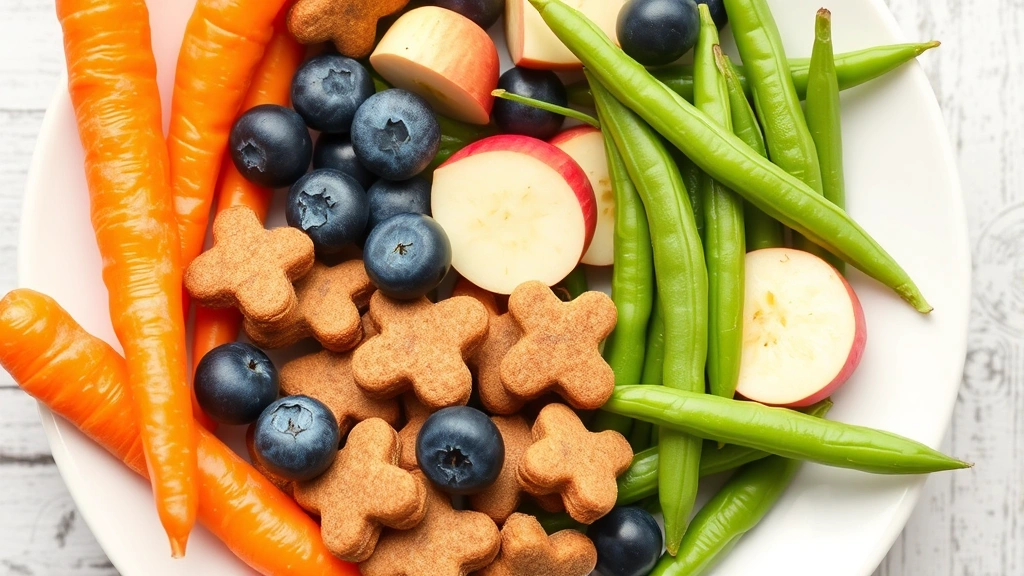
Just because your dog can’t have onion rings doesn’t mean they have to miss out on tasty treats! There are plenty of delicious, safe options that your pup will absolutely love. Understanding what foods are safe allows you to share snack time with your furry friend without worry.
Here are some fantastic alternatives to onion rings:
- Carrot sticks – Low in calories, great for teeth cleaning, and many dogs love the crunch
- Apple slices – Sweet and refreshing, though always remove seeds first
- Peanut butter treats – Make sure the peanut butter is xylitol-free
- Green beans – Steamed or raw, they’re packed with nutrients
- Blueberries – Antioxidant-rich and bite-sized
- Plain popcorn – Air-popped without butter or salt
- Plain cooked chicken – A lean protein that dogs adore
- Sweet potato chews – Naturally sweet and nutritious
When considering treats, remember that they should make up no more than 10% of your dog’s daily caloric intake. The remaining 90% should come from their regular, balanced dog food. This guideline helps ensure your pup maintains optimal nutrition and weight.
If you’re looking for more information about which vegetables are safe, you might want to check out our guide on whether dogs can eat peppers. It covers many other vegetables and their safety profiles for your furry friend.
What to Do If Your Dog Eats Onion Rings
Accidents happen. If your dog manages to snag an onion ring from your plate or the counter, don’t panic—but do take action. The steps you take in the first few hours can significantly impact your dog’s health outcome.
Here’s your emergency action plan:
- Stay calm – Your dog can sense your anxiety, and panicking won’t help the situation
- Determine the amount consumed – Try to figure out how many onion rings your dog ate, if possible
- Note the time – When did the ingestion occur? This information helps your veterinarian
- Contact your veterinarian immediately – Even if symptoms haven’t appeared yet, call for guidance
- Have your dog’s weight ready – Vets use this to assess toxicity risk
- Don’t induce vomiting without professional guidance – While you might think making your dog throw up is helpful, this should only be done under veterinary direction
- Monitor your dog closely – Watch for any symptoms over the next 72 hours
- Follow veterinary recommendations – Your vet may recommend bloodwork, activated charcoal, or other treatments
In some cases, your veterinarian might recommend bringing your dog in for observation and treatment. For larger dogs that consumed only one or two onion rings, the risk may be lower, but for smaller dogs or those who ate several rings, professional evaluation is crucial.
Remember that certain dog breeds and individual dogs may be more susceptible to toxin sensitivity. Senior dogs, puppies, and dogs with pre-existing health conditions should receive extra cautious treatment if they’ve ingested onion rings.
Understanding the Broader Picture of Toxic Foods
Onion rings are just one example of human foods that can harm our canine companions. Understanding which human foods are toxic to dogs is part of responsible pet ownership. Many common household foods can cause serious health issues or even death in dogs.
Some other toxic foods to avoid include chocolate, grapes, raisins, avocado, and foods containing xylitol (an artificial sweetener). Additionally, foods like macadamia nuts, salt, and certain medications can cause poisoning. Keeping these items securely stored and away from curious noses is essential.
The American Kennel Club provides a comprehensive list of foods to avoid, which is an excellent resource for any dog owner. Familiarizing yourself with this information helps you make informed decisions about what your dog can safely consume.
Just as understanding what to do if your dog eats chocolate is important, knowing the protocol for other toxic foods empowers you to respond quickly in emergencies.
Prevention Tips for Keeping Your Dog Safe
The best approach to keeping your dog safe from onion rings and other toxic foods is prevention. Creating a dog-safe environment means thinking ahead and being proactive about what your pup can access.
Here are some practical prevention strategies:
- Keep human food out of reach – Store leftovers securely and don’t leave plates unattended
- Educate family members – Make sure everyone knows which foods are dangerous for your dog
- Be cautious at restaurants and gatherings – Other people might not realize onion rings are harmful and may offer them to your dog
- Use baby gates or crates – These can keep your dog away from food preparation areas
- Train the “leave it” command – This can be lifesaving if your dog encounters dropped food
- Keep a list of emergency contacts – Have your vet’s number and the Pet Poison Helpline readily available
- Provide appropriate alternatives – Offer safe treats so your dog doesn’t feel left out during snack time
Creating a preventative mindset helps you anticipate potential hazards before they become problems. Regular discussions with your veterinarian about safe foods can also help you make better choices for your dog’s diet.
Frequently Asked Questions
Can my dog have just one onion ring as a treat?
No, not even one. The toxicity of onions doesn’t depend on quantity in a safe way—even a small amount can potentially cause harm, especially for smaller dogs. The risk simply isn’t worth it when there are so many safe alternatives available.
Are homemade onion rings safer than restaurant ones?
No. Whether onion rings are homemade or from a restaurant, they still contain the toxic thiosulfates from the onions. The preparation method doesn’t eliminate the toxin. Homemade versions might have less salt and fewer seasonings, but the onion toxicity remains unchanged.
What if my dog ate onion rings hours ago and seems fine?
Don’t be reassured by the lack of immediate symptoms. Onion poisoning symptoms can take 24 to 72 hours to appear. Contact your veterinarian anyway—they may recommend preventative treatment or monitoring. It’s always better to be cautious with potential poisoning cases.
Is garlic powder in onion ring seasoning also dangerous?
Yes, absolutely. Garlic is also toxic to dogs and contains similar compounds to onions. Many onion ring seasonings include garlic powder, making the rings doubly dangerous. This is another reason to keep them completely away from your pup.
Can I give my dog onion rings if they’re plain with no seasoning?
No. The problem isn’t the seasoning—it’s the onion itself. Even plain onion rings contain the toxic thiosulfates that harm dogs. The lack of seasoning doesn’t make them safe.
What should I do if my dog shows symptoms of onion poisoning?
Contact your veterinarian or emergency animal clinic immediately. Bring information about what your dog ate, when they ate it, and how much. Your vet may perform blood tests to check for anemia and recommend treatment options. In severe cases, dogs may need hospitalization and supportive care.
Are there any breeds that can tolerate onions better than others?
No. All dog breeds are susceptible to onion toxicity. However, smaller breeds and dogs with pre-existing health conditions may show symptoms more severely. Age also matters—puppies and senior dogs are more vulnerable.
Can I give my dog sweet potato fries instead of onion rings?
Yes! Plain, unsalted sweet potato fries are a much healthier alternative. Sweet potatoes are nutritious and safe for dogs. Just make sure they’re prepared without added salt, butter, or seasonings. Baked versions are better than fried when possible.





