

Can Dogs Eat Parsnips? What Pet Experts Say
If you’re a dog parent who loves sharing healthy snacks with your furry best friend, you’ve probably wondered about parsnips. These creamy, slightly sweet root vegetables are a staple in many kitchens, and it’s natural to ask: can dogs eat parsnips? The short answer is yes, but there’s more to the story than a simple affirmation. Understanding how to safely prepare parsnips for your pup, proper portion sizes, and potential health benefits will help you make the best decision for your canine companion.
Parsnips are often overshadowed by their more popular cousin, the carrot, but they pack their own nutritional punch. Many pet owners are surprised to learn that parsnips can actually be a wonderful addition to a dog’s diet when prepared correctly. However, like any human food, there are important guidelines to follow to ensure your dog stays healthy and happy.
In this comprehensive guide, we’ll explore everything you need to know about feeding parsnips to your dog. We’ll cover the nutritional benefits, potential risks, preparation methods, and how parsnips compare to other root vegetables your dog might already enjoy.
Are Parsnips Safe for Dogs?
Yes, parsnips are generally safe for dogs to eat, and most veterinarians agree that they can be a healthy treat for your canine companion. Unlike some vegetables that contain compounds toxic to dogs, parsnips don’t pose inherent toxicity risks. According to the ASPCA Animal Poison Control Center, parsnips are not listed among toxic foods for dogs.
The key to safely feeding parsnips to your dog lies in preparation and moderation. Raw parsnips are safe, but they can be a choking hazard for smaller breeds or dogs who gulp their food without chewing. Cooked parsnips are often the better choice for most dogs, as they’re softer and easier to digest. When introducing any new food to your dog’s diet, it’s important to do so gradually to monitor for any adverse reactions.
If your dog has a sensitive stomach or existing digestive issues, you may want to consult with your veterinarian before adding parsnips to their diet. Additionally, dogs with certain health conditions may need to avoid parsnips or have their intake carefully monitored.
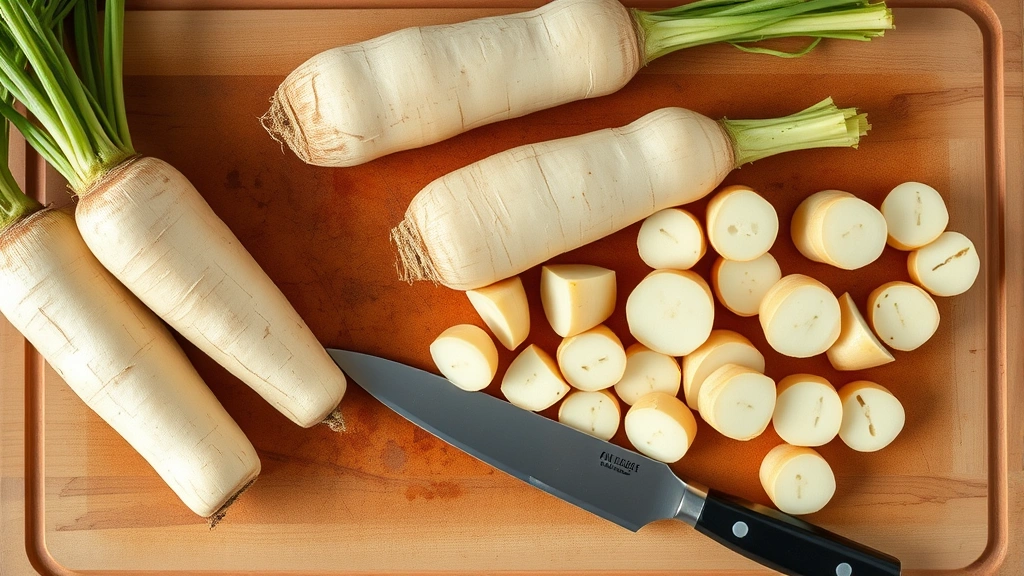
Nutritional Benefits of Parsnips
Parsnips offer several nutritional benefits that make them a worthwhile addition to your dog’s occasional treats. These root vegetables are rich in fiber, which supports digestive health and can help maintain healthy bowel movements. A 100-gram serving of cooked parsnips contains approximately 4.9 grams of dietary fiber, making them beneficial for dogs that need digestive support.
One of the standout nutrients in parsnips is their vitamin C content. This antioxidant supports your dog’s immune system and helps protect against cellular damage. Parsnips also contain folate (vitamin B9), which is essential for cell division and DNA synthesis in your dog’s body. Additionally, they provide potassium, a mineral crucial for heart health and muscle function.
The carbohydrate content in parsnips is higher than in carrots, which are often recommended for dogs, so they should be given more sparingly to dogs on calorie-restricted diets. However, the natural sugars in parsnips are still relatively moderate and won’t cause blood sugar spikes in healthy dogs when given appropriately.
Parsnips also contain phytonutrients and antioxidants that may help reduce inflammation in your dog’s body. While research on dogs specifically is limited, studies on human nutrition suggest that the compounds found in parsnips have anti-inflammatory properties that could benefit aging dogs or those with joint issues.
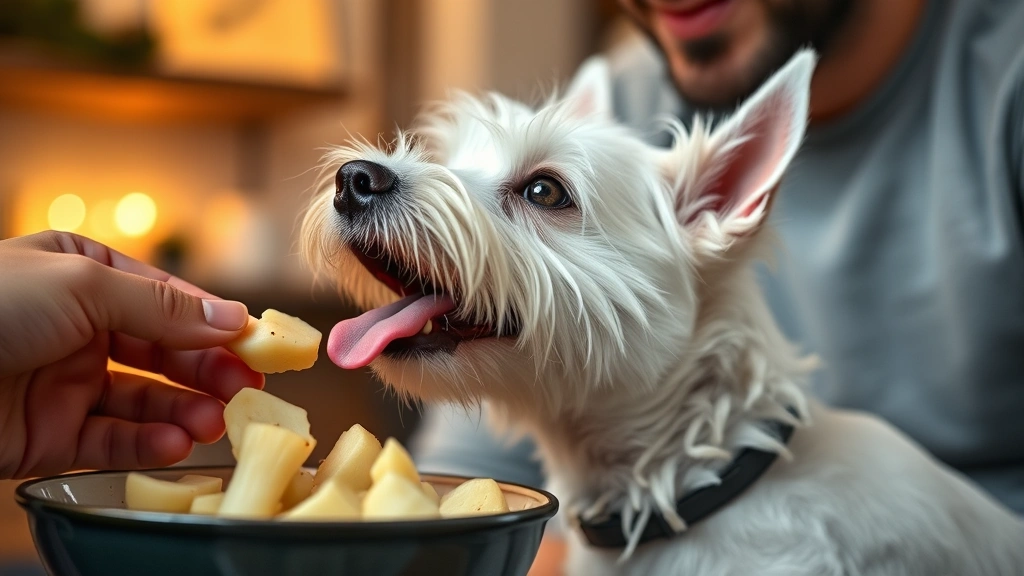
How to Prepare Parsnips for Your Dog
Preparation is absolutely crucial when feeding parsnips to your dog. The method you choose will affect both the safety and digestibility of this vegetable for your furry friend.
Cooked Parsnips: Boiling or steaming parsnips is the safest preparation method for most dogs. Simply wash the parsnips thoroughly, peel them if desired (the skin is safe but can be tough), and cut them into appropriate sizes for your dog. Boil them in plain water without any added salt, spices, or seasonings until they’re soft enough to easily pierce with a fork. This typically takes 15-20 minutes depending on the size of your pieces. Once cooled to room temperature, serve them to your dog in bite-sized chunks.
Raw Parsnips: While raw parsnips are safe, they’re harder and can pose a choking hazard. If you choose to offer raw parsnips, cut them into thin sticks or small pieces appropriate for your dog’s size and chewing ability. Never give a raw parsnip whole to any dog, as this creates a serious choking risk.
Roasted Parsnips: Roasting parsnips without oil, salt, or seasonings is another safe option. Toss plain parsnip pieces with a tiny amount of water and roast at 400°F for about 25-30 minutes until tender. Allow them to cool completely before offering to your dog.
What to Avoid: Never prepare parsnips with garlic, onions, salt, spices, or oils. These additions can upset your dog’s stomach or, in the case of garlic and onions, be potentially toxic. Similarly, avoid parsnips prepared with any kind of butter, cream, or seasoning sauces.
Proper Portion Sizes
When it comes to feeding parsnips to your dog, moderation is key. Parsnips should be treated as an occasional treat, not a dietary staple. The appropriate portion size depends on your dog’s size, age, and overall health.
Small Dogs (under 25 lbs): Offer no more than 1-2 tablespoons of cooked parsnips, 2-3 times per week maximum.
Medium Dogs (25-50 lbs): A quarter cup of cooked parsnips, 2-3 times per week is appropriate.
Large Dogs (50+ lbs): Up to half a cup of cooked parsnips, 2-3 times per week.
Remember that treats, including vegetables, should make up no more than 10% of your dog’s daily caloric intake. The remaining 90% should come from a balanced, complete dog food. If you’re giving your dog parsnips along with other treats, adjust portions accordingly to stay within this guideline.
When determining your dog’s daily food portions, factor in any treats you’re offering. This helps prevent overfeeding and maintains a healthy weight for your pup.
Parsnips vs. Other Root Vegetables
Understanding how parsnips compare to other root vegetables can help you decide which options are best for your dog. Many dog owners are already familiar with feeding carrots to their dogs, so this comparison is particularly useful.
Parsnips vs. Carrots: Both are safe for dogs, but carrots have less sugar and fewer calories, making them ideal for weight management. Carrots also have a harder texture that naturally cleans teeth, while parsnips are softer. Carrots are good for dogs in that they’re lower in carbohydrates than parsnips. However, parsnips offer unique nutrients like folate and slightly more fiber.
Parsnips vs. Sweet Potatoes: Sweet potatoes are another popular choice for dogs, offering similar fiber content but with higher natural sugar levels. Sweet potatoes are rich in beta-carotene and vitamin A, making them excellent for vision and skin health. Both parsnips and sweet potatoes should be offered in moderation due to their carbohydrate and sugar content.
Parsnips vs. Regular Potatoes: Cooked potatoes are safe for dogs and have a lower carbohydrate profile than parsnips. However, regular potatoes lack some of the micronutrients found in parsnips. Never feed your dog raw potatoes or potato plants, as they contain solanine, a potentially toxic compound.
Parsnips vs. Beets: Both parsnips and beets are safe for dogs and offer nutritional benefits. Beets are particularly high in betalains, powerful antioxidants. However, beets can stain your dog’s mouth and urine due to their natural pigments, which is harmless but can be surprising for dog owners.
Potential Risks and Concerns
While parsnips are generally safe for dogs, there are several potential risks and concerns you should be aware of before adding them to your dog’s diet.
Choking Hazard: The primary risk with parsnips is choking, especially for smaller breeds, puppies, or dogs who don’t chew their food thoroughly. Always cut parsnips into appropriately sized pieces and supervise your dog while eating.
Digestive Upset: Introducing too much fiber too quickly can cause digestive issues like diarrhea or constipation. If your dog experiences diarrhea after eating new foods, discontinue parsnips and consult your veterinarian.
Weight Gain: Parsnips contain more carbohydrates and natural sugars than some other vegetables. Dogs prone to obesity or those with diabetes should have their parsnip intake carefully monitored or avoided altogether.
Pesticide Residue: If you’re using non-organic parsnips, wash them thoroughly under running water to remove any potential pesticide residue. Consider peeling them as an extra precaution, though the skin is edible.
Pancreatitis Risk: Dogs with a history of pancreatitis should avoid parsnips due to their carbohydrate and fat content. Discuss this with your veterinarian before introducing any new foods.
Allergic Reactions: Though rare, some dogs may have allergies to parsnips. Watch for signs like itching, vomiting, or swelling after introducing them. If you notice any of these symptoms, stop feeding parsnips immediately and contact your vet.
According to the American Kennel Club, it’s always wise to introduce new foods gradually and monitor your dog’s response before making them a regular part of their diet.
Frequently Asked Questions
Can puppies eat parsnips?
Yes, puppies can eat parsnips, but in even smaller portions than adult dogs. Since puppies have developing digestive systems, introduce parsnips very gradually and in tiny amounts. Stick to cooked, soft pieces to minimize choking risk. Always consult your veterinarian before introducing new foods to puppies.
Can senior dogs eat parsnips?
Senior dogs can absolutely enjoy parsnips, and the fiber content may actually benefit older dogs with digestive issues. However, if your senior dog has dental problems, ensure parsnips are cooked until very soft. Monitor portion sizes if your senior dog is less active and prone to weight gain.
Are parsnip greens safe for dogs?
Parsnip greens are safe for dogs in small quantities. They contain similar nutrients to the root vegetable itself and can be offered as an occasional treat. However, ensure they’re thoroughly washed to remove any pesticides or dirt. Serve them finely chopped to prevent choking.
Can dogs eat parsnips if they have kidney disease?
Dogs with kidney disease should have their diet carefully managed. While parsnips aren’t specifically contraindicated for kidney disease, their potassium content may need to be monitored. Always consult your veterinarian before introducing any new foods to a dog with kidney disease.
How often can I feed my dog parsnips?
Parsnips should be offered as an occasional treat, no more than 2-3 times per week for most dogs. They should never replace regular meals or become a significant part of your dog’s diet. Always ensure treats comprise no more than 10% of your dog’s daily caloric intake.
What are the signs my dog shouldn’t eat parsnips?
Signs that parsnips aren’t right for your dog include vomiting, diarrhea, constipation, excessive gas, or loss of appetite. Additionally, if your dog has pancreatitis, diabetes, obesity, or kidney disease, consult your veterinarian before offering parsnips.
Can I give my dog parsnip juice?
It’s best to avoid parsnip juice for dogs. Juice lacks the beneficial fiber found in whole parsnips and concentrates the natural sugars, which could lead to digestive upset or blood sugar spikes. Stick to small pieces of whole cooked parsnips instead.
Are canned parsnips safe for dogs?
Most canned vegetables contain added sodium and preservatives that aren’t ideal for dogs. Fresh or frozen parsnips that you cook yourself are much better options. If using frozen parsnips, ensure they don’t contain any added seasonings or salt.





