
Can Dogs Eat Pepitas? A Safe Snacking Guide
If you’ve ever munched on a handful of pepitas while watching your furry friend’s eyes light up with interest, you’ve probably wondered: can dogs eat pepitas? The short answer is yes—but with some important caveats. Pepitas, those delicious green pumpkin seeds without the white shell, can be a nutritious treat for your pup when prepared correctly. However, not all pepitas are created equal when it comes to canine consumption, and portion control is absolutely essential.
As a devoted dog parent, you want to make sure every snack you offer contributes positively to your furry companion’s health and happiness. Pepitas can actually be quite beneficial for dogs when given in moderation, offering protein, healthy fats, and various minerals. But before you start tossing these tasty morsels to your four-legged friend, let’s dive into what you really need to know about this particular snack.
In this comprehensive guide, we’ll explore everything from the nutritional benefits of pepitas to potential risks, serving sizes, and delicious ways to incorporate them into your dog’s diet safely. Whether you’re looking to add variety to your dog’s treats or simply curious about this particular snack, you’ll find all the answers you need right here.
What Are Pepitas?
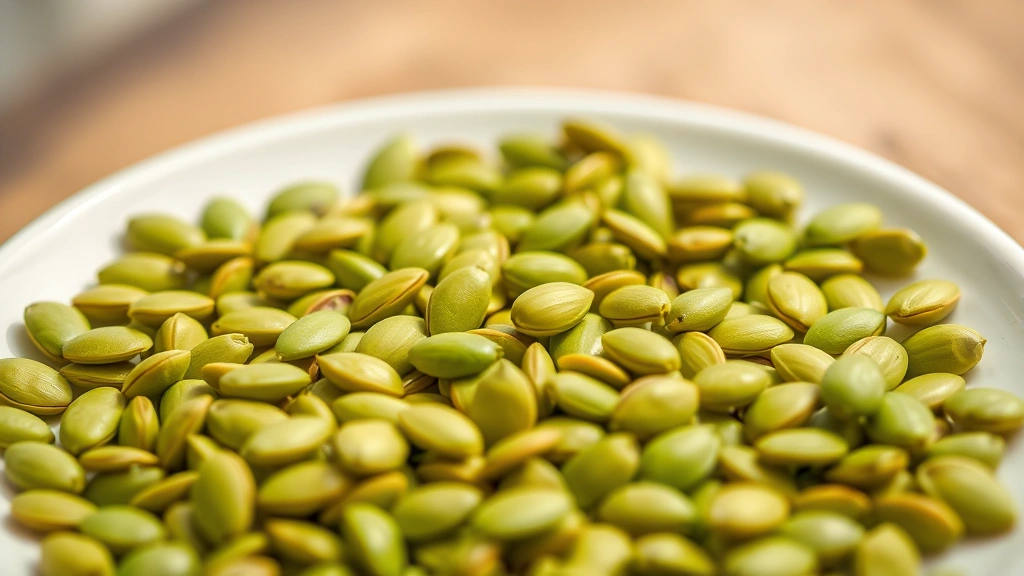
Pepitas are pumpkin seeds that have had their white shell removed, leaving behind the green kernel that many people enjoy as a snack. Unlike regular pumpkin seeds, which still have their outer shell intact, pepitas are the edible inner seed. They’re packed with flavor and have become increasingly popular in human diets as a nutritious snacking option.
The term “pepita” actually comes from the Spanish word “pepitoria,” and these seeds have been enjoyed for centuries. They’re naturally occurring in certain pumpkin varieties and are now widely cultivated for both human and, increasingly, pet consumption. If you’re curious about the broader category of seeds, you might want to explore our guide on can dogs eat seeds to understand how different seeds compare nutritionally.
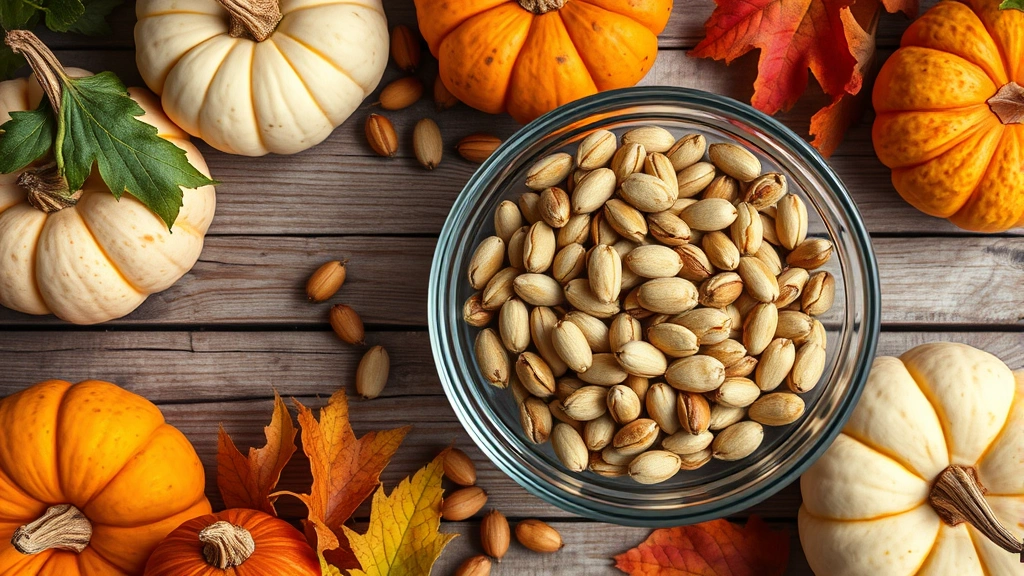
Pepitas are distinct from the whole pumpkin seeds you might scoop out when carving jack-o’-lanterns. The absence of the hard shell makes them easier to digest for dogs and eliminates one potential choking hazard. This distinction is important when determining whether they’re appropriate for your specific pup.
Nutritional Benefits for Dogs
When prepared correctly, pepitas can offer several nutritional advantages for your canine companion. These little green seeds are surprisingly nutrient-dense, containing beneficial compounds that support various aspects of canine health. Understanding what makes pepitas valuable will help you appreciate why they can be a smart treat choice.
Protein and Healthy Fats: Pepitas are an excellent source of plant-based protein, containing all nine essential amino acids. They’re also rich in omega-3 and omega-6 fatty acids, which support healthy skin and coat condition. A shiny, healthy coat is often a sign of good nutrition, and these seeds can contribute to that lustrous appearance your dog deserves.
Essential Minerals: These seeds contain magnesium, zinc, and iron—minerals that play crucial roles in bone health, immune function, and oxygen transport. Zinc, in particular, supports skin health and immune response, making pepitas a multi-functional snack. The mineral profile of pepitas rivals many commercial dog treats, making them a whole-food alternative worth considering.
Fiber Content: Pepitas contain dietary fiber that can support digestive health. For dogs experiencing occasional digestive slowness, a small amount of pepitas might help promote regularity. However, if your dog is dealing with what to feed dog with diarrhea issues, you’ll want to consult your veterinarian before adding seeds to their diet.
It’s worth noting that pepitas also contain phytosterols, compounds that have been associated with immune system support and inflammation reduction in various studies. While research on dogs specifically is limited, the overall nutritional profile suggests these seeds can be a beneficial addition to a balanced diet.
Safety Considerations
While pepitas can be safe for dogs, there are several important safety considerations you must keep in mind before offering them to your furry friend. Being aware of potential risks ensures you can make an informed decision about whether this snack is right for your specific dog.
Salt Content: The most significant concern with pepitas is sodium content. Many commercially available pepitas are heavily salted, which can be problematic for dogs. Excessive salt intake can lead to increased thirst, urination, and potentially more serious issues like hypernatremia in severe cases. Always choose unsalted pepitas if you’re going to share them with your pup. If you purchase salted pepitas, rinse them thoroughly under water to remove as much salt as possible.
Choking Hazards: While pepitas are smaller than whole pumpkin seeds, they can still present a choking risk, especially for small breeds or dogs who don’t chew thoroughly. Always supervise your dog when offering any new food item, and consider crushing pepitas for very small dogs or those prone to gulping treats without proper mastication.
Digestive Upset: Some dogs may experience gastrointestinal upset when introduced to pepitas, particularly if given in large quantities. The fat content, while beneficial in moderation, can cause diarrhea or vomiting if your dog consumes too many. This is why gradual introduction and portion control are essential. If your dog has a sensitive stomach, start with just one or two pepitas and monitor for any adverse reactions.
Potential Allergies: Though rare, some dogs may have allergic reactions to pepitas. Symptoms might include itching, hives, or gastrointestinal distress. If you notice any unusual symptoms after offering pepitas, discontinue immediately and contact your veterinarian.
Dogs with certain health conditions should avoid pepitas or consume them only under veterinary guidance. If your dog has pancreatitis, obesity issues, or kidney disease, the fat and mineral content might not be appropriate without professional medical input.
Serving Guidelines and Portions
The golden rule for any treat, including pepitas, is that it should comprise no more than 10% of your dog’s daily caloric intake. The remaining 90% should come from a complete and balanced diet. Understanding proper portions ensures your dog gets the benefits without nutritional imbalance.
For most dogs, a safe serving of pepitas would be:
- Small dogs (under 10 lbs): 2-3 pepitas per day, a few times per week
- Medium dogs (10-50 lbs): 5-10 pepitas per day, a few times per week
- Large dogs (over 50 lbs): 10-15 pepitas per day, a few times per week
These portions are guidelines based on the caloric content of pepitas (approximately 5.5 calories per seed) and the recommended treat allowance. However, your specific dog’s needs may vary based on age, activity level, and overall health. Consult your veterinarian about how much food should I feed my dog if you’re making significant dietary changes.
Start with smaller portions than recommended and gradually increase if your dog tolerates them well. This allows their digestive system to adjust and helps you identify any potential sensitivities. Never offer pepitas as a meal replacement; they should always be supplementary to your dog’s regular diet.
Consider the other treats your dog receives throughout the week. If your pup enjoys multiple snack options, pepitas should be rotated in rather than given daily. This variety approach also prevents boredom and ensures a more diverse nutrient intake.
How to Prepare Pepitas for Dogs
Preparation is absolutely critical when offering pepitas to your dog. The way you prepare these seeds can make the difference between a healthy treat and a potential health hazard.
Raw vs. Roasted: Raw pepitas are generally safer for dogs than roasted ones, especially commercially roasted varieties that often contain added salt and seasonings. If you choose roasted pepitas, ensure they’re unsalted and free from any spices or additives. Plain roasted pepitas can be offered, but raw is the preferred option for maximum safety.
Washing and Rinsing: Whether you choose raw or roasted, always rinse pepitas thoroughly under cool running water. This removes any dust, debris, and excess salt. For roasted pepitas, you might need to rinse them multiple times to adequately reduce sodium content.
Crushing for Small Dogs: For toy breeds or dogs with dental issues, consider crushing pepitas into smaller pieces. You can do this with a mortar and pestle or by placing them in a sealed bag and gently crushing with a mallet. This reduces choking risk and aids digestion. Some owners prefer grinding pepitas into a powder to sprinkle over regular food—this method works wonderfully for picky eaters.
Portion Control Methods: Pre-portion pepitas into small containers or bags for easy access and consistent serving sizes. This prevents overfeeding and makes it simple to track how many treats your dog has consumed throughout the week. Some owners freeze individual pepitas in ice cube trays with a bit of water for a refreshing summer treat.
Storage Tips: Keep pepitas in an airtight container in a cool, dry place. Proper storage prevents rancidity and maintains nutritional quality. If you’ve prepared pepitas for your dog, use them within a reasonable timeframe rather than storing them for extended periods.
Never offer pepitas that show signs of mold, discoloration, or off-smells. Like any food item, spoiled pepitas can cause serious gastrointestinal issues. When in doubt, discard and start fresh with a new batch.
Healthy Alternatives to Pepitas
If pepitas don’t seem like the right fit for your dog, several equally nutritious alternatives can provide similar benefits. Understanding these options helps you find the perfect treat for your specific pup.
If you’re interested in other seed options, our comprehensive guide on can dogs eat pumpkin seeds explores whole pumpkin seeds in detail. You might also investigate what nuts can dogs eat to discover other crunchy treat options that offer similar nutritional profiles.
Pumpkin: Rather than seeds alone, consider offering plain cooked pumpkin. Learn more about this option in our guide on can dogs eat pumpkin. Pumpkin is lower in fat than pepitas and offers excellent fiber content, making it ideal for dogs with sensitive digestive systems.
Carrots: Raw or lightly cooked carrots provide crunch, fiber, and beta-carotene. They’re naturally low in calories and excellent for dental health as the chewing action helps clean teeth.
Apples: Remove seeds and offer thin apple slices for a refreshing, hydrating treat. Apples contain fiber and vitamins while being naturally low in calories.
Sweet Potatoes: Cooked and cooled sweet potato chunks offer complex carbohydrates, vitamins, and minerals without the fat content of pepitas. They’re particularly good for dogs with sensitive stomachs.
Blueberries: These little powerhouses are packed with antioxidants and can be offered fresh or frozen. They’re perfect for dogs of all sizes and rarely cause digestive upset.
The key is variety. Rotating between different healthy treats ensures your dog receives diverse nutrients and prevents the boredom that can come from offering the same snack repeatedly.
Frequently Asked Questions
Are pepitas safe for puppies?
Pepitas can be safe for puppies, but they should be offered in very small quantities, if at all, until the puppy is at least six months old. Young puppies have developing digestive systems and may struggle with the fat content in pepitas. When introducing pepitas to a puppy, start with just a single seed and monitor carefully for any digestive upset. Always consult your veterinarian before offering new foods to puppies.
Can dogs eat pepitas with shells?
While the white shell of whole pumpkin seeds is technically edible for dogs, pepitas (which have the shell removed) are the safer option. The shell can be a choking hazard and is harder to digest. If your dog accidentally consumes a whole pumpkin seed with its shell, don’t panic—it will likely pass through their system without issue, but pepitas are definitely the preferred choice.
What should I do if my dog eats too many pepitas?
If your dog consumes more pepitas than recommended, monitor them closely for signs of gastrointestinal upset, including vomiting, diarrhea, or excessive gas. Most dogs who eat a few extra pepitas will be fine, but if your dog consumed a large quantity, contact your veterinarian. Provide plenty of fresh water and observe their normal eating and elimination patterns. If symptoms develop or persist, seek veterinary care.
Can I give my dog pepitas every day?
While pepitas are safe, they shouldn’t be given daily. Rotating treats ensures nutritional balance and prevents potential issues from overconsumption of any single ingredient. Offering pepitas a few times per week is ideal. This approach also helps prevent your dog from becoming bored with the treat and maintains the novelty factor that makes treats special.
Are seasoned pepitas safe for dogs?
No, seasoned pepitas are not safe for dogs. Many seasonings, including garlic powder, onion powder, and excessive salt, can be toxic or harmful to canines. Stick exclusively to plain, unsalted pepitas. Even seemingly harmless seasonings like paprika or chili powder can upset sensitive dog stomachs. Always read ingredient labels carefully before offering any human food to your pup.
Can pepitas help with my dog’s urinary health?
Pepitas have been associated with urinary health support in humans, and some believe they offer similar benefits for dogs. However, scientific evidence specifically supporting this claim in canines is limited. If your dog has urinary issues, consult your veterinarian about appropriate dietary modifications rather than relying solely on pepitas for treatment.
Do pepitas have any side effects for dogs?
For most dogs, properly prepared pepitas have minimal side effects. However, some dogs may experience mild gastrointestinal upset, particularly if introduced too quickly or given in large quantities. The high fat content can cause loose stools in sensitive dogs. Always introduce pepitas gradually and monitor your dog’s response. If your dog has pancreatitis or obesity issues, consult your vet before offering pepitas.
Can I use pepitas as a training treat?
Absolutely! Pepitas can work wonderfully as training treats due to their small size and palatability. However, factor them into your dog’s daily treat allowance to avoid overfeeding. Consider breaking pepitas in half for training sessions to make portions even smaller and extend your treat supply. Always ensure you’re not exceeding the recommended 10% of daily calories from treats.
Now that you understand the ins and outs of pepitas for dogs, you can make an informed decision about whether this treat is right for your furry friend. When offered responsibly and in appropriate portions, pepitas can be a nutritious and delicious addition to your dog’s treat rotation. Remember, every dog is unique, so pay attention to your individual pup’s response and adjust accordingly. When in doubt, your veterinarian is always your best resource for dietary decisions.





