

Can Dogs Eat Potato Peels? Safety Tips and Advice
If you’re a dog parent who loves to cook, you’ve probably wondered what to do with those potato peels left over from dinner prep. Your pup is giving you those irresistible puppy-dog eyes, and you’re asking yourself: can dogs eat potato peels? The answer isn’t as straightforward as a simple yes or no, and there are some important safety considerations you need to know before tossing any scraps to your furry friend.
Potatoes themselves can be part of a balanced diet for dogs when prepared correctly, but potato peels are a different story. They contain compounds that can be potentially harmful to your canine companion, especially in certain conditions. Let’s dig into what you need to know to keep your dog safe and healthy.
In this comprehensive guide, we’ll explore the risks associated with potato peels, explain why they’re problematic, and give you practical tips for safe feeding practices. Whether you’re dealing with raw peels from your cutting board or crispy skin from baked potatoes, we’ve got all the answers you need.
Why Are Potato Peels Dangerous for Dogs?
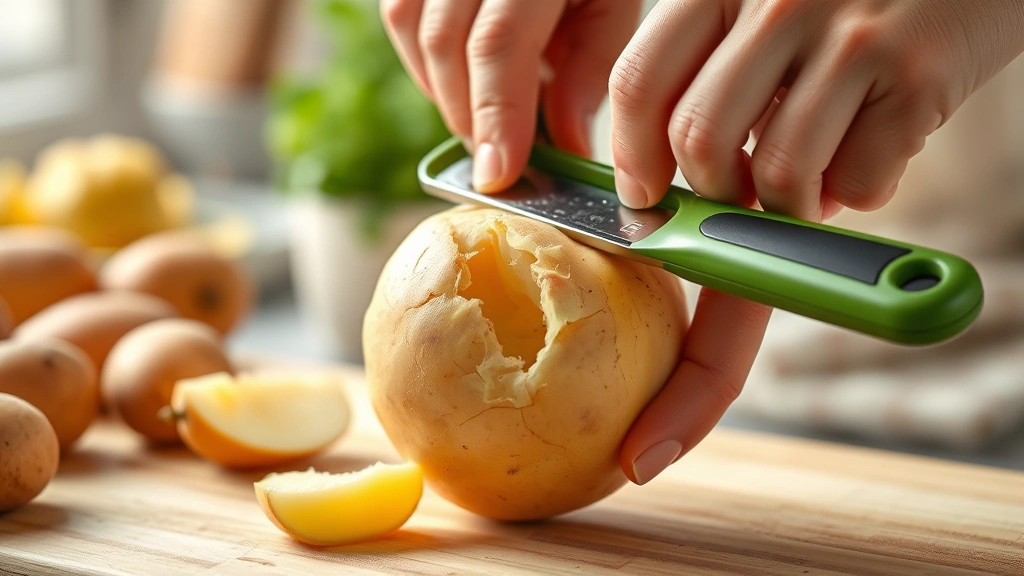
Potato peels contain a toxic alkaloid compound called solanine, which is the plant’s natural defense mechanism against insects and disease. While mature, cooked potatoes contain minimal amounts of solanine, the peels—especially from green or sprouting potatoes—concentrate this harmful substance in significantly higher quantities. This is why cooked potatoes can be safer than raw ones for your pup, but the peels remain problematic regardless of preparation method.
The concentration of solanine varies depending on several factors, including potato variety, growing conditions, storage methods, and exposure to light. Potatoes that have turned green or have sprouted contain substantially more solanine than fresh, properly stored potatoes. This is why it’s crucial to understand exactly what you’re feeding your dog and where those potato peels came from.
Beyond solanine, potato peels can also present choking hazards and may cause gastrointestinal blockages, particularly in smaller breeds or dogs who don’t chew thoroughly. The tough, fibrous nature of raw peels makes them difficult to digest, and they can accumulate in your dog’s digestive system.
Understanding Solanine Toxicity
Solanine is a glycoalkaloid compound found in nightshade plants, including potatoes, tomatoes, and eggplants. In dogs, solanine toxicity can cause gastrointestinal upset, neurological symptoms, and in severe cases, more serious complications. The toxic dose varies based on your dog’s size, overall health, and the amount of solanine consumed.
According to research from veterinary toxicology resources, solanine levels in potato peels can range from 80-280 mg per 100 grams of peel, depending on the factors mentioned above. For a 50-pound dog, consuming a significant amount of green potato peels could potentially cause symptoms. However, the exact threshold for toxicity in dogs hasn’t been precisely established through controlled studies.
The good news is that most accidental exposures to small amounts of potato peels don’t result in serious poisoning. Many dogs can tolerate minimal solanine exposure without developing noticeable symptoms. However, the risk increases with larger quantities, and it’s simply not worth testing your luck when safer alternatives exist. Learning about potatoes and dog nutrition helps you make informed choices about what your pup can safely consume.
Raw vs. Cooked Potato Peels
You might assume that cooking potato peels would make them safe for dogs, but unfortunately, that’s not entirely accurate. While cooking does reduce solanine levels somewhat—particularly through the boiling process—it doesn’t eliminate the compound entirely. Additionally, cooking can concentrate other problematic elements and doesn’t address the fundamental digestive issues that potato peels present.
Raw potato peels contain the highest concentration of solanine and pose the greatest risk. These should absolutely never be given to your dog intentionally. If your dog manages to snatch raw potato peels from your kitchen counter or compost bin, monitor them closely for symptoms of toxicity.
Cooked potato peels, such as crispy skin from baked or roasted potatoes, are slightly less hazardous in terms of solanine content, but they’re still not recommended. They’re high in calories, low in nutritional value for dogs, and can cause digestive upset. The crispy texture also presents a choking hazard. If you’re looking for safe potato options, understanding why potato chips are problematic for dogs can help you avoid similar pitfalls.
The bottom line: neither raw nor cooked potato peels should be intentionally fed to your dog. Plain, cooked potato flesh in moderation is a different story, but the peels should always be discarded safely where your dog can’t access them.
Signs of Potato Peel Poisoning
If your dog has consumed potato peels and you’re concerned about potential toxicity, knowing the warning signs is essential. Symptoms of solanine poisoning typically appear within a few hours of ingestion, though they can sometimes be delayed.
Common symptoms include:
- Vomiting or retching
- Diarrhea or loose stools
- Abdominal pain or cramping (your dog may appear uncomfortable or restless)
- Excessive drooling
- Loss of appetite
- Lethargy or weakness
- Tremors or muscle weakness
- Burning sensation in the mouth or throat
- Dilated pupils
- Rapid heart rate
In severe cases, more serious neurological symptoms can develop, including seizures, paralysis, or cardiac arrhythmias. However, these severe symptoms are rare and typically only occur with significant quantities of high-solanine potato peels.
If you notice any of these symptoms after your dog has consumed potato peels, contact your veterinarian immediately. Bring information about what your dog ate, when they ate it, and how much they consumed. This information will help your vet determine the appropriate course of action. If you’re unsure whether your dog’s symptoms are related to potato peel consumption, err on the side of caution and seek professional guidance.
Safe Potato Alternatives for Your Dog
The good news is that there are plenty of safe, nutritious alternatives to potato peels that your dog will love just as much. If you’re looking to incorporate potatoes into your dog’s diet, there are better options available.
Plain cooked potato flesh (without peels, seasoning, or butter) can be given to dogs in moderation as an occasional treat. It provides some carbohydrates and certain vitamins. However, it shouldn’t constitute a major part of your dog’s diet. Serve it plain and in small quantities.
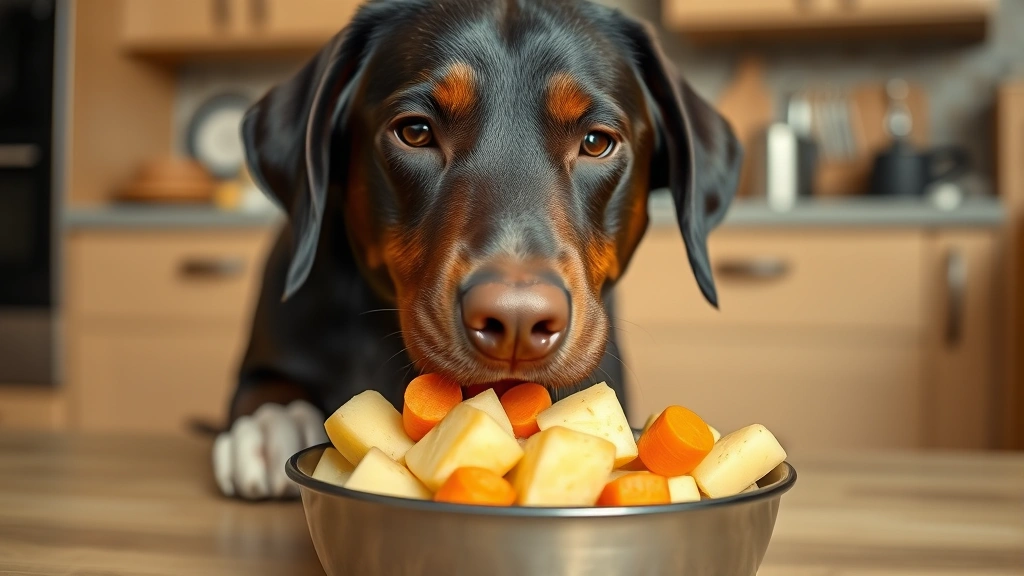
For vegetable treats, carrots are excellent for dogs and provide similar crunchy satisfaction without any toxicity concerns. Carrots are low in calories, high in fiber, and beneficial for dental health.
Other safe vegetable options include:
- Sweet potatoes (cooked, plain, in moderation)
- Green beans
- Pumpkin
- Peas
- Cucumbers
- Zucchini
If your dog experiences digestive issues from treats, learning what to feed a dog with diarrhea can help you choose appropriate foods. Always introduce new foods gradually and in small amounts to monitor for adverse reactions.
Prevention Tips and Best Practices
The best approach to keeping your dog safe from potato peel toxicity is prevention. Here are practical strategies to implement in your kitchen and home:
Storage and Disposal: Store potato peels in a secure container that your dog cannot access. Don’t leave them on the counter or in an open trash bin. Consider composting them in a location your dog can’t reach, or dispose of them in a sealed outdoor trash container. If you have a kitchen compost bin, keep it behind a closed door or baby gate.
Awareness During Food Prep: When preparing meals, keep your dog out of the kitchen or away from your prep area. Pups can move surprisingly fast when they catch a whiff of food scraps. Even a distracted moment can result in your dog snatching a handful of potato peels.
Training and Commands: Teach your dog a strong “leave it” command. This can be invaluable in preventing accidental ingestion of harmful foods. Consistently practice this command with safe treats to reinforce the behavior.
Educate Family Members: Make sure everyone in your household understands the risks of potato peels and other harmful foods for dogs. Children especially may not realize that sharing table scraps with the family dog can be dangerous.
Monitor Your Dog: If your dog has a tendency to eat things they shouldn’t, supervise them more closely during meal preparation times. Consider using a crate or separate room during food prep if needed.
Green or Sprouted Potatoes: Be extra cautious with potatoes that have turned green or begun sprouting. These contain significantly higher solanine levels and should be discarded entirely, not fed to your dog in any form. Understanding what other foods are toxic alongside potato peels helps you create a comprehensive safe-food awareness plan for your household.
By implementing these prevention strategies, you’ll dramatically reduce the risk of your dog accidentally consuming potato peels or other harmful foods.
Frequently Asked Questions
What should I do if my dog eats potato peels?
If your dog has consumed potato peels, don’t panic. Monitor them closely for symptoms over the next few hours. Most dogs who consume small amounts of potato peels experience no serious effects. However, if you notice any symptoms like vomiting, diarrhea, or lethargy, contact your veterinarian. Have information ready about the amount consumed, the type of potatoes (especially if they were green or sprouted), and when the ingestion occurred. Your vet may recommend observation, induced vomiting, or other treatments depending on the situation.
Are green potato peels more dangerous than regular peels?
Yes, absolutely. Green potato peels contain significantly higher concentrations of solanine than regular peels. The green color indicates increased solanine production, which is the plant’s response to light exposure. If your dog consumes green potato peels, it’s more serious than if they ate peels from properly stored, fresh potatoes. Contact your veterinarian immediately if this occurs.
Can a small dog die from eating potato peels?
While severe solanine poisoning can potentially be life-threatening, death from potato peel consumption is rare in dogs. Small dogs are at higher risk for toxicity because the same amount of solanine represents a larger dose relative to their body weight. However, even small dogs typically need to consume a substantial quantity of high-solanine peels to experience severe, life-threatening symptoms. That said, any consumption should be taken seriously, and veterinary attention should be sought if symptoms develop.
Is it safe to give my dog the skin of a baked potato?
While some sources suggest that small amounts of plain, cooked potato skin might be tolerable in moderation, it’s not recommended. Even cooked potato peels can contain residual solanine and present digestive challenges. They’re also high in calories and low in nutritional value for dogs. There are so many better treat options available that there’s no compelling reason to risk it. Stick with plain cooked potato flesh without the skin, or choose other vegetables entirely.
What’s the difference between potato peels and potato chips?
Both are problematic, but for different reasons. Potato chips should be avoided because they’re high in salt, fat, and calories, and often contain seasonings that are toxic to dogs. Potato peels are dangerous primarily because of solanine content and digestive hazards. Potato chips are also highly processed and nutritionally empty for dogs. Neither should be intentionally fed to your pup.
Are there any health benefits to giving dogs potato peels?
No. Potato peels offer no meaningful nutritional benefits for dogs that outweigh the risks. Dogs don’t need the nutrients found in potato peels, and safer alternatives provide better nutritional profiles. The risks simply don’t justify any potential benefits, which are minimal to nonexistent.
How much potato peel is toxic to dogs?
There’s no precisely established toxic threshold for dogs, as toxicity depends on multiple variables including the dog’s size, health status, the specific solanine concentration in the peels, and individual sensitivity. Generally, small amounts of regular potato peels are unlikely to cause serious problems, but large quantities—especially from green or sprouted potatoes—pose a genuine risk. When in doubt, contact your veterinarian or an animal poison control center for guidance specific to your situation.
Should I induce vomiting if my dog eats potato peels?
Don’t induce vomiting without veterinary guidance. While vomiting might seem like a logical response, it can sometimes cause more harm than good depending on what was consumed and when. Call your veterinarian or an animal poison control center immediately. They can assess the situation and recommend whether induced vomiting is appropriate. The ASPCA Animal Poison Control Center is available 24/7 for guidance.





