
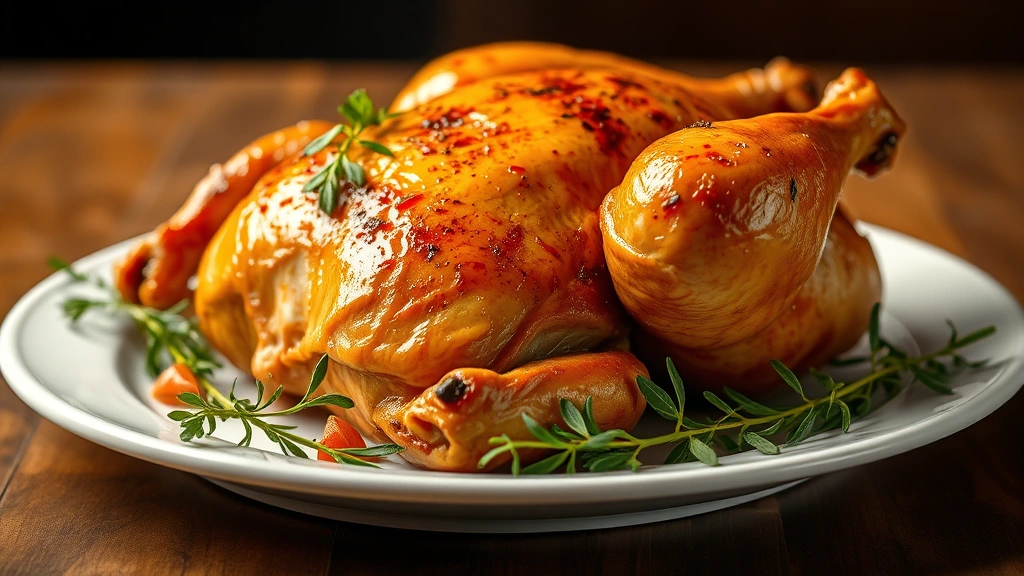
Can Dogs Eat Rotisserie Chicken? Safety Tips Every Pet Owner Should Know
Picture this: you’re bringing home that delicious, golden rotisserie chicken from the grocery store, and your pup’s nose goes into overdrive. Those puppy dog eyes are practically begging you for a piece of that savory goodness. But before you tear off a chunk and toss it to your furry friend, you might be wondering—is rotisserie chicken actually safe for dogs?
The short answer? Yes, dogs can eat rotisserie chicken! But here’s the thing: not all rotisserie chicken is created equal when it comes to your canine companion. While plain, unseasoned chicken breast is fantastic for dogs, rotisserie chicken from the grocery store often comes loaded with seasonings, salt, and garlic that can spell trouble for your four-legged friend. The good news is that with a little preparation and knowledge, you can safely share this protein-packed treat with your pup.
In this comprehensive guide, we’ll break down everything you need to know about feeding rotisserie chicken to your dog, including preparation tips, portion sizes, and potential health risks to watch out for. Let’s dig in!
Is Rotisserie Chicken Safe for Dogs?
Rotisserie chicken itself isn’t inherently dangerous for dogs, but the devil is definitely in the details. The primary concern with store-bought rotisserie chicken is the seasoning blend used during preparation. Most commercial rotisserie chickens are heavily seasoned with salt, garlic, onion powder, and various spice combinations—all ingredients that can cause serious health problems for your canine companion.
The American Kennel Club emphasizes that while chicken is good for dogs in its plain form, the additives commonly found in rotisserie chicken preparations are problematic. Garlic and onions, in particular, contain compounds called thiosulfates that can damage dogs’ red blood cells and lead to hemolytic anemia—a potentially life-threatening condition.
However, if you prepare the rotisserie chicken properly by removing the seasonings and skin, your dog can absolutely enjoy this protein-rich food. The key is understanding what makes it safe and what doesn’t.

Nutritional Benefits of Chicken for Dogs
Chicken is one of the most protein-rich foods you can offer your dog, making it an excellent addition to their diet when prepared appropriately. Let’s break down why chicken is such a nutritional powerhouse for your furry friend:
- High-quality protein: Chicken contains all nine essential amino acids that dogs need for muscle development, maintenance, and repair
- B vitamins: Particularly B6 and niacin, which support energy metabolism and nervous system function
- Selenium: A powerful antioxidant that helps protect cells from damage
- Phosphorus: Essential for bone health and energy production
- Low in fat: When you remove the skin, chicken breast becomes a lean protein option ideal for weight management
For dogs with digestive sensitivities or allergies to other protein sources, chicken often serves as an excellent alternative. Many prescription dog foods and limited-ingredient diets feature chicken as the primary protein source for exactly this reason.
When considering how much food to feed your dog, incorporating chicken as part of their balanced diet can provide significant nutritional benefits without excessive calories.
How to Prepare Rotisserie Chicken for Your Dog
Preparation is absolutely crucial when it comes to safely feeding rotisserie chicken to your dog. Follow these steps to ensure your pup gets all the benefits without any of the risks:
- Remove all skin: The skin contains most of the added seasonings and is extremely high in fat, which can cause pancreatitis in dogs
- Shred or dice the meat: Tear the chicken into appropriate-sized pieces based on your dog’s size to prevent choking hazards
- Check thoroughly for bones: Even small bone fragments can splinter and cause serious internal injuries. Run your fingers along the meat to detect any remaining pieces
- Rinse if possible: Gently rinsing the chicken meat under cool water can help remove some surface seasonings, though this won’t eliminate all salt content
- Cool completely: Always ensure the chicken has cooled to room temperature before serving to avoid burning your dog’s mouth
- Store properly: Keep any leftover prepared chicken in an airtight container in the refrigerator for up to three days
Pro tip: If you’re planning to regularly feed your dog chicken, consider buying plain, unseasoned chicken breasts and cooking them yourself. This gives you complete control over what goes into your dog’s food and eliminates all guesswork about harmful additives.

Proper Portion Sizes and Feeding Guidelines
Just because chicken is healthy doesn’t mean unlimited quantities are appropriate. Portion control is essential for maintaining your dog’s ideal weight and preventing digestive upset.
General Guidelines by Dog Size:
- Small dogs (under 25 lbs): 1-2 ounces per serving, 2-3 times per week maximum
- Medium dogs (25-50 lbs): 2-4 ounces per serving, 2-3 times per week maximum
- Large dogs (50+ lbs): 4-8 ounces per serving, 2-3 times per week maximum
Remember that chicken should never comprise more than 10% of your dog’s daily caloric intake. If you’re using chicken as a training treat or mixing it into their regular kibble, these portions should be adjusted accordingly to prevent overfeeding.
Puppies, senior dogs, and dogs with specific health conditions may have different requirements. Always consult with your veterinarian about appropriate portions for your individual dog, especially if they have existing health issues.
Potential Health Risks and What to Avoid
Understanding what makes rotisserie chicken potentially dangerous is just as important as knowing how to prepare it safely. Here are the primary health risks associated with store-bought rotisserie chicken:
Garlic and Onion Toxicity: Both garlic and onions contain thiosulfates that can damage dogs’ red blood cells. These seasonings are commonly found in rotisserie chicken seasoning blends and can cause symptoms including weakness, lethargy, pale gums, and dark-colored urine. According to ASPCA’s Animal Poison Control Center, even small amounts can be problematic for dogs.
Excessive Sodium: Rotisserie chicken typically contains 300-500mg of sodium per serving. Dogs don’t require much salt in their diet, and excessive sodium can lead to increased thirst, urination, and in severe cases, sodium ion toxicosis.
High Fat Content: The skin and fatty portions of rotisserie chicken are extremely high in fat. This can trigger pancreatitis, an inflammation of the pancreas that causes vomiting, abdominal pain, and potentially life-threatening complications.
Spices and Seasonings: Beyond garlic and onions, many rotisserie chickens include paprika, black pepper, and other spices that can cause gastrointestinal upset in sensitive dogs.
If your dog accidentally consumes rotisserie chicken with seasonings and develops symptoms like vomiting, diarrhea, lethargy, or loss of appetite, contact your veterinarian immediately.
The Bone Question: Safe or Dangerous?
One of the most common questions pet owners ask is whether dogs can eat chicken bones. When it comes to rotisserie chicken specifically, the answer is a definitive no.
Rotisserie chicken bones are cooked, which makes them significantly more brittle and prone to splintering compared to raw bones. These sharp fragments can:
- Splinter and puncture the esophagus, stomach, or intestines
- Cause choking or airway obstruction
- Create blockages that require emergency surgical intervention
- Lead to internal bleeding and peritonitis (infection in the abdominal cavity)
Even small bone fragments can be dangerous, which is why careful inspection and removal is absolutely critical. If you’re considering feeding your dog bones, raw meaty bones under veterinary supervision are a different story, but cooked rotisserie chicken bones should always be completely removed before serving.
The American Kennel Club recommends complete bone removal from any cooked poultry before feeding to dogs.
Healthier Alternatives and Comparisons
While rotisserie chicken can be safe with proper preparation, there are several alternatives that might be even better for your dog:
Plain Boiled or Baked Chicken: Cook chicken breasts at home without any seasonings. This gives you complete control over the ingredients and eliminates all concerns about harmful additives. You can even freeze portions for convenience.
Chicken Broth: Dogs can enjoy chicken broth made from plain ingredients without salt, onions, or garlic. This makes a great addition to their regular kibble and provides hydration.
Dog-Specific Chicken Products: Many commercial dog food brands offer chicken-based options specifically formulated for canine nutrition with appropriate salt and fat levels.
Comparison: Rotisserie vs. Alternatives
- Rotisserie Chicken: High sodium, high fat, potential seasonings—requires extensive preparation
- Home-Cooked Chicken: Complete control, no seasonings, ideal nutrition—requires cooking time
- Chicken Broth: Hydrating, flavorful, low risk—must be low-sodium
- Chicken Nuggets: While dogs can eat chicken nuggets, they’re heavily processed and contain breading that offers little nutritional value
For dogs with digestive issues, what to feed a dog with diarrhea often includes plain, easily digestible proteins like boiled chicken breast—making home-cooked options superior to store-bought rotisserie versions.
Frequently Asked Questions
Is it okay to give my dog rotisserie chicken skin?
No, you should always remove the skin before feeding rotisserie chicken to your dog. The skin contains most of the seasonings and is extremely high in fat, which can cause pancreatitis and other digestive issues. Even small pieces of skin should be avoided.
How often can I feed my dog rotisserie chicken?
If properly prepared (skin and bones removed, seasonings rinsed), rotisserie chicken can be offered 2-3 times per week as a treat or dietary supplement. It should never replace a complete, balanced commercial dog food and should comprise no more than 10% of daily caloric intake.
What should I do if my dog eats rotisserie chicken with seasoning?
Monitor your dog closely for symptoms including vomiting, diarrhea, lethargy, loss of appetite, weakness, or pale gums. If your dog ingested significant amounts or shows any concerning symptoms, contact your veterinarian or Pet Poison Helpline immediately. Time is critical with potential toxin exposure.
Can puppies eat rotisserie chicken?
Puppies can eat plain, properly prepared rotisserie chicken in very small amounts, but home-cooked chicken is preferable. Their developing digestive systems are more sensitive to high fat and sodium content. Always consult your veterinarian before introducing new foods to puppies.
Is rotisserie chicken good for dogs with upset stomachs?
Plain boiled chicken is excellent for dogs with upset stomachs, but rotisserie chicken is not recommended. The high fat and salt content can actually worsen gastrointestinal issues. Stick with plain, boiled chicken breast when your dog has digestive upset.
Can I give my dog the rotisserie chicken drippings or broth?
The drippings from rotisserie chicken are extremely high in fat and salt and should be avoided entirely. They can cause pancreatitis and gastrointestinal upset. However, a homemade, low-sodium chicken broth without seasonings makes an excellent alternative.
Are there any dog breeds that shouldn’t eat chicken?
Most dogs can safely eat plain chicken, but breeds prone to pancreatitis (like Schnauzers and certain small breeds) should consume it in moderation and always without skin or high-fat portions. Dogs with chicken allergies, though uncommon, obviously should avoid it. Consult your vet about your specific dog’s dietary needs.
How do I know if my dog is allergic to chicken?
Chicken allergies in dogs are relatively rare but can cause symptoms including itching, skin rashes, ear infections, vomiting, diarrhea, and chronic gas. If you suspect a chicken allergy, eliminate it from the diet for 6-8 weeks and observe whether symptoms improve. Your veterinarian can perform allergy testing to confirm.





