
Can Dogs Have Sleep Apnea? What Experts Say
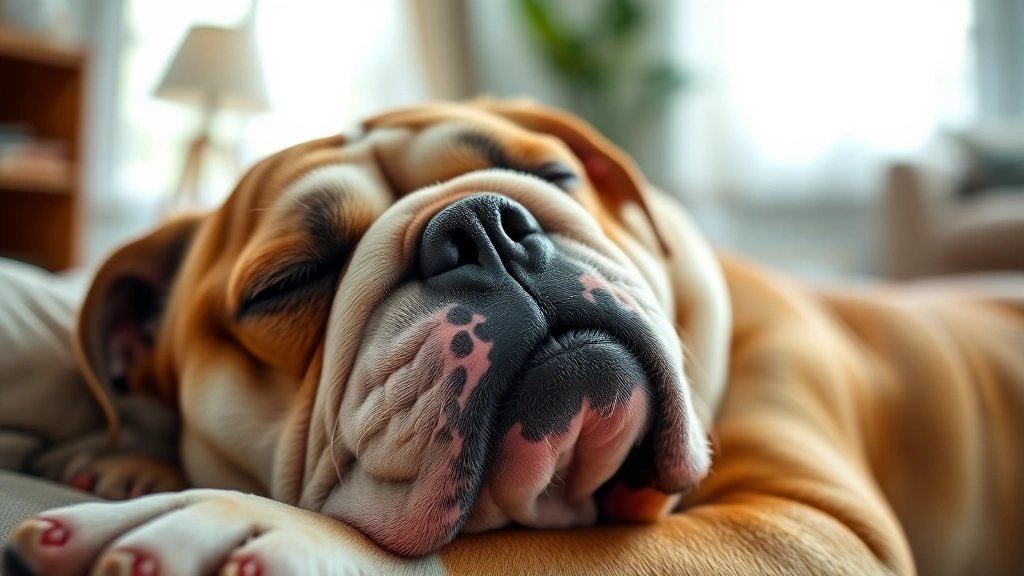
If your furry best friend sounds like a chainsaw during naptime, you’re not alone in wondering what’s going on. Many dog owners notice their pets snoring, gasping, or seeming to hold their breath while sleeping, which naturally raises the question: can dogs get sleep apnoea? The answer might surprise you—yes, they absolutely can. Sleep apnea in dogs is a real medical condition that deserves attention, though it’s less common than in humans.
Sleep apnea occurs when a dog’s airway becomes partially or completely blocked during sleep, causing breathing to pause momentarily. These interruptions can happen dozens of times per hour, disrupting your pup’s rest and potentially affecting their overall health. While some breeds are more predisposed to this condition than others, any dog can develop sleep apnea under the right circumstances.
Understanding whether your dog might have sleep apnea is crucial for their wellbeing. In this comprehensive guide, we’ll explore everything you need to know about this condition, including signs to watch for, which breeds are at higher risk, and what you can do to help your beloved companion sleep soundly through the night.
What Is Sleep Apnea in Dogs?
Sleep apnea is a sleep disorder characterized by repeated interruptions in breathing during sleep. When your dog has sleep apnea, their airway collapses or becomes obstructed, causing them to stop breathing for several seconds to a minute. Their brain eventually signals them to wake up enough to restore normal breathing, but these micro-awakenings prevent them from getting restorative sleep.
There are different types of sleep apnea that can affect dogs. Obstructive sleep apnea is the most common form and occurs when soft tissue in the throat blocks the airway. Central sleep apnea is less common and happens when the brain fails to send proper signals to the muscles controlling breathing. Some dogs experience a combination of both types.
When you notice your dog is snoring heavily, it’s often a sign that airflow is being partially obstructed. While not all snoring dogs have sleep apnea, chronic snoring combined with other symptoms warrants veterinary evaluation. The condition can significantly impact your dog’s quality of life if left untreated, leading to daytime lethargy, behavioral issues, and even cardiovascular problems.
According to the American Kennel Club, understanding breed-specific health conditions is essential for responsible dog ownership. Sleep apnea is one condition that often correlates with certain physical characteristics, particularly in brachycephalic breeds—those with shortened muzzles and flattened faces.
Signs and Symptoms to Watch For
Recognizing the symptoms of sleep apnea in your dog is the first step toward getting them proper care. The most obvious sign is excessive snoring, especially if your dog never snored before or if the snoring has become increasingly loud and frequent. However, snoring alone doesn’t necessarily mean sleep apnea; it’s important to look for additional indicators.
Watch for these key warning signs:
- Gasping or choking during sleep—Your dog suddenly wakes up gasping for air or making choking sounds
- Pauses in breathing—You notice your dog stops breathing for several seconds, then suddenly resumes
- Restless sleep—Your pup frequently changes positions or seems unable to get comfortable
- Daytime sleepiness—Despite sleeping all night, your dog is unusually tired and lethargic during the day
- Difficulty concentrating—Your normally focused pup seems confused or has trouble following commands
- Behavioral changes—Increased irritability, anxiety, or aggression, particularly after poor sleep
- Weight gain—Unexplained weight increases due to reduced activity and metabolic changes
If you’re wondering whether your dog is breathing heavy due to sleep apnea or another condition, keep a sleep diary. Note when episodes occur, how long they last, and what your dog is doing when they happen. This information will be invaluable when discussing concerns with your veterinarian.
Breeds Most Prone to Sleep Apnea
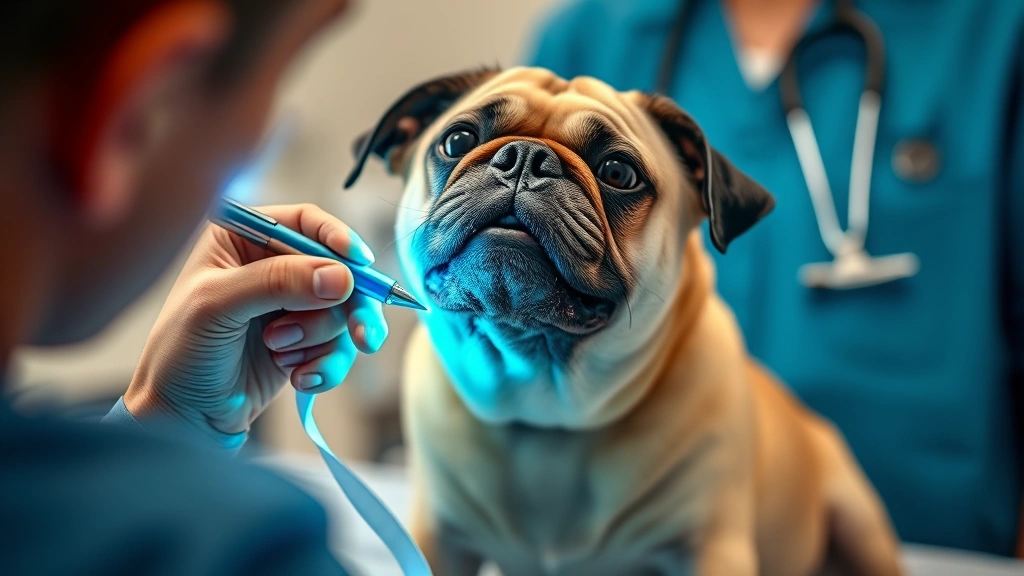
Certain dog breeds are significantly more predisposed to sleep apnea than others, primarily due to their physical structure. Brachycephalic breeds—those with shortened muzzles and compressed airways—face the highest risk. These breeds have genetic traits that make them more susceptible to airway obstruction during sleep.
Breeds with elevated risk include:
- Bulldogs (English and French)
- Pugs
- Boston Terriers
- Shih Tzus
- Pekingese
- Boxers
- Rottweilers
- Cocker Spaniels
- Cavalier King Charles Spaniels
- Chow Chows
However, it’s important to note that any dog breed can develop sleep apnea, particularly as they age or if they develop obesity. Larger breeds sometimes experience central sleep apnea, and older dogs of any breed may develop the condition due to weakened throat muscles or neurological changes.
The ASPCA emphasizes that breed predisposition doesn’t mean your dog will definitely develop sleep apnea, but it does mean you should be more vigilant about monitoring their sleep patterns and breathing.
Common Causes and Risk Factors
Understanding what causes sleep apnea in dogs helps you identify whether your pet might be at risk. While breed structure is a primary factor, several other conditions and circumstances can contribute to the development of this sleep disorder.
Obesity is one of the most significant modifiable risk factors. Excess weight increases pressure on the airways and narrows the space available for air to pass through. Dogs that are overweight are significantly more likely to experience obstructive sleep apnea than their lean counterparts.
Allergies and inflammation can cause swelling in the throat and nasal passages, restricting airflow during sleep. If your dog is dealing with cold-like symptoms or chronic allergies, these could contribute to sleep apnea development.
Other contributing factors include:
- Hypothyroidism—reduces metabolic function and can lead to weight gain and tissue swelling
- Laryngeal paralysis—affects the ability of throat muscles to open properly
- Tumors or growths in the throat or nasal passages
- Dental problems—misaligned teeth can affect airway structure
- Medications—certain sedatives or muscle relaxants can worsen symptoms
- Age-related changes—older dogs experience weakening of throat muscles
- Neurological conditions—affect the brain’s signaling to respiratory muscles

Environmental factors also play a role. Dogs sleeping in rooms with poor air quality, high humidity, or irritants like smoke may experience worsened symptoms. Temperature extremes can also affect breathing patterns during sleep.
How Vets Diagnose Sleep Apnea
If you suspect your dog has sleep apnea, your veterinarian will conduct a thorough evaluation. The diagnostic process begins with a detailed history of your dog’s symptoms, including when the snoring started, how frequent it is, and any other behavioral or health changes you’ve noticed.
Your vet will perform a complete physical examination, paying special attention to your dog’s airway, throat, and overall body condition. They’ll assess your pup’s weight and check for any obvious obstructions or abnormalities. If your dog is showing signs of fever or other acute symptoms, these will be evaluated as well.
Advanced diagnostic tools may include:
- Radiography (X-rays)—Reveals structural abnormalities in the throat and airway
- CT or MRI scans—Provides detailed imaging of soft tissue structures
- Endoscopy—Allows direct visualization of the airway while your dog is sedated
- Canine sleep study (polysomnography)—Records brain waves, heart rate, oxygen levels, and breathing patterns during sleep; this is the gold standard for diagnosis
According to VCA Animal Hospitals, sleep studies in dogs typically involve placing sensors on your pet to monitor various physiological parameters throughout the night. While not all veterinary clinics offer this service, referral to a specialist may be recommended for confirmed cases.
Your veterinarian may also recommend blood work to rule out underlying conditions like hypothyroidism or other metabolic disorders that could contribute to sleep apnea.
Treatment Options Available
The good news is that sleep apnea in dogs is manageable with proper treatment. Your veterinarian will recommend a treatment plan based on the underlying cause, severity of symptoms, and your dog’s overall health.
Weight management is often the first line of treatment, especially for overweight dogs. Even modest weight loss can significantly improve sleep apnea symptoms by reducing pressure on the airways. Your vet can recommend an appropriate diet and exercise plan tailored to your dog’s needs.
For dogs with allergies or inflammation contributing to airway obstruction, anti-inflammatory medications or allergy management strategies may help. If an underlying condition like hypothyroidism is diagnosed, treating that condition often improves sleep apnea symptoms.
In some cases, surgical intervention may be necessary. Procedures like soft palate resection can help dogs with obstructive sleep apnea by removing excess tissue that blocks the airway. Your vet will discuss whether surgery is appropriate for your dog’s specific situation.
Medical management options include:
- Oxygen therapy—Supplemental oxygen during sleep for severe cases
- Positive airway pressure (PAP) devices—Similar to CPAP machines used in humans, though less commonly used in veterinary medicine
- Medications—Certain drugs may help stimulate breathing or reduce inflammation
- Positional therapy—Encouraging your dog to sleep in positions that keep airways open
If your dog is panting excessively, this might indicate your current treatment approach needs adjustment, and you should contact your veterinarian.
Environmental modifications can also help. Maintain a cool, humid sleeping environment, and consider elevating your dog’s head while sleeping to promote better airflow. Avoid exposing your dog to smoke and other respiratory irritants.
Prevention and Management Tips
While you can’t change your dog’s breed or genetics, you can take proactive steps to prevent or minimize sleep apnea symptoms. Prevention is always easier than treatment, and these management strategies benefit your dog’s overall health.
Maintain a healthy weight through proper nutrition and regular exercise. Obesity is one of the most controllable risk factors for sleep apnea. Work with your veterinarian to establish an appropriate weight for your dog and develop a sustainable plan to reach and maintain it.
Regular veterinary check-ups allow your vet to monitor your dog’s health and catch potential issues early. Annual exams are important for all dogs, but especially for breeds predisposed to sleep apnea.
Address underlying health conditions promptly. If your dog develops allergies, respiratory infections, or other health issues, seek treatment quickly. These conditions can worsen or contribute to sleep apnea development.
Create an optimal sleep environment by keeping your dog’s sleeping area clean, well-ventilated, and free from irritants. Use a raised bed that promotes good airway positioning, and keep humidity levels moderate.
Monitor your dog’s sleep patterns regularly. If you notice changes in snoring intensity, new breathing difficulties, or increased daytime sleepiness, contact your veterinarian promptly.
Avoid triggers and stressors that might exacerbate symptoms. Keep your dog’s routine consistent, provide adequate exercise during the day, and minimize anxiety.
For dogs already diagnosed with sleep apnea, consistent management is key. Follow your veterinarian’s recommendations closely, attend follow-up appointments, and report any changes in symptoms.
The American Animal Hospital Association recommends that dogs with sleep apnea receive regular monitoring to ensure treatment effectiveness and adjust interventions as needed.
Frequently Asked Questions
Is sleep apnea in dogs dangerous?
Yes, untreated sleep apnea can be serious. Repeated breathing interruptions reduce oxygen levels in your dog’s blood, which can strain the heart and lead to cardiovascular problems. Chronic sleep deprivation also affects cognitive function, immune system strength, and overall quality of life. However, with proper diagnosis and treatment, most dogs with sleep apnea live normal, healthy lives.
Can sleep apnea in dogs be cured?
This depends on the underlying cause. If sleep apnea is secondary to obesity or allergies, treating these conditions may resolve the apnea. However, if it’s due to breed structure or neurological factors, it typically requires ongoing management rather than a cure. Many dogs do very well with appropriate treatment and lifestyle modifications.
What should I do if I suspect my dog has sleep apnea?
Schedule an appointment with your veterinarian as soon as possible. Describe your dog’s symptoms in detail, including when they started and how frequently they occur. Bring any notes or videos you’ve recorded of your dog’s sleep patterns. Your vet can perform an initial evaluation and recommend further testing if needed.
Are there home remedies for dog sleep apnea?
While home remedies alone cannot cure sleep apnea, certain environmental modifications can help manage symptoms. These include maintaining a healthy weight, creating an optimal sleep environment, elevating your dog’s head while sleeping, and keeping the air clean and humidified. However, these should complement, not replace, veterinary treatment.
How much does sleep apnea testing cost for dogs?
Costs vary depending on the tests required and your location. A basic veterinary exam might cost $100-300, while advanced imaging like CT scans can range from $500-2,000. A full sleep study (polysomnography) can cost $1,000-3,000 or more. Many veterinary clinics offer payment plans to help manage these expenses.
Can puppies have sleep apnea?
Sleep apnea is less common in puppies than in adult or senior dogs, but it can occur, particularly in brachycephalic breeds. If you notice unusual breathing patterns or excessive snoring in your puppy, consult your veterinarian to rule out sleep apnea or other respiratory conditions.
Does sleep apnea worsen with age?
Yes, sleep apnea often becomes more pronounced as dogs age. Aging causes natural weakening of throat muscles and changes in neurological function, which can exacerbate sleep apnea symptoms. Senior dogs with pre-existing sleep apnea may require adjusted treatment plans as they age.





