

Can Dogs Catch the Common Cold? What Vets Say
If you’ve ever wondered whether your sniffling pup caught your nasty cold, you’re not alone. It’s one of those questions that keeps pet parents up at night, especially when Fido starts coughing right after you’ve been battling the sniffles. The short answer? Not exactly—but it’s a bit more complicated than a simple yes or no. Dogs can develop respiratory illnesses, but they typically won’t catch the same cold virus that’s been making you miserable.
The relationship between human colds and canine health is fascinating, and understanding it can help you be a better pet parent. While your furry friend might not contract your specific rhinovirus, they’re certainly susceptible to their own suite of respiratory infections. Let’s dive into what veterinarians actually say about this common concern and explore the nuances of canine respiratory health.
Whether you’re worried about sharing germs with your four-legged companion or simply curious about how dog health works, this comprehensive guide will help you understand the facts, separate myth from reality, and know when it’s time to call the vet.
Can Dogs Actually Get the Common Cold?
Here’s the truth that might surprise you: dogs cannot catch the human common cold. The viruses responsible for human colds—primarily rhinoviruses, coronaviruses, and adenoviruses—are species-specific. This means they’ve evolved to infect human cells, not canine cells. Your pup’s immune system is remarkably different from yours, and those human cold viruses simply don’t have the biological tools to infiltrate and replicate in dog cells.
However, this doesn’t mean your dog can’t get sick. In fact, dogs can get colds caused by different pathogens altogether. Dogs have their own collection of viruses and bacteria that cause respiratory infections that look and feel similar to human colds. These canine-specific illnesses can produce sneezing, coughing, congestion, and lethargy—symptoms that might look identical to what you’re experiencing.
The key distinction is this: while you and your dog might both be sneezing and coughing at the same time, you’re likely dealing with completely different infections caused by entirely different microorganisms. It’s one of nature’s fascinating quirks that species-specific viruses keep us relatively safe from each other’s bugs.
The Science Behind Viral Transmission
Understanding why dogs can’t catch human colds requires a basic grasp of virology. Viruses are incredibly specialized parasites. They’ve spent millions of years evolving to exploit specific host species by targeting particular cell receptors. Think of it like a lock-and-key system: a human cold virus has the key for human cells, but dog cells have completely different locks.
When you sneeze or cough, you’re expelling viral particles into the air. If your dog inhales these particles, their immune system typically recognizes them as foreign and neutralizes them before they can establish infection. The virus simply cannot attach to canine respiratory cells because those cells lack the specific receptors the virus needs to enter and replicate.
Research in comparative immunology has shown that while some viruses can jump between species (zoonotic diseases), the common human cold viruses are not among them. This is actually good news for your pet. Your dog won’t catch your rhinovirus, and you won’t catch whatever canine respiratory virus might be circulating at the dog park.
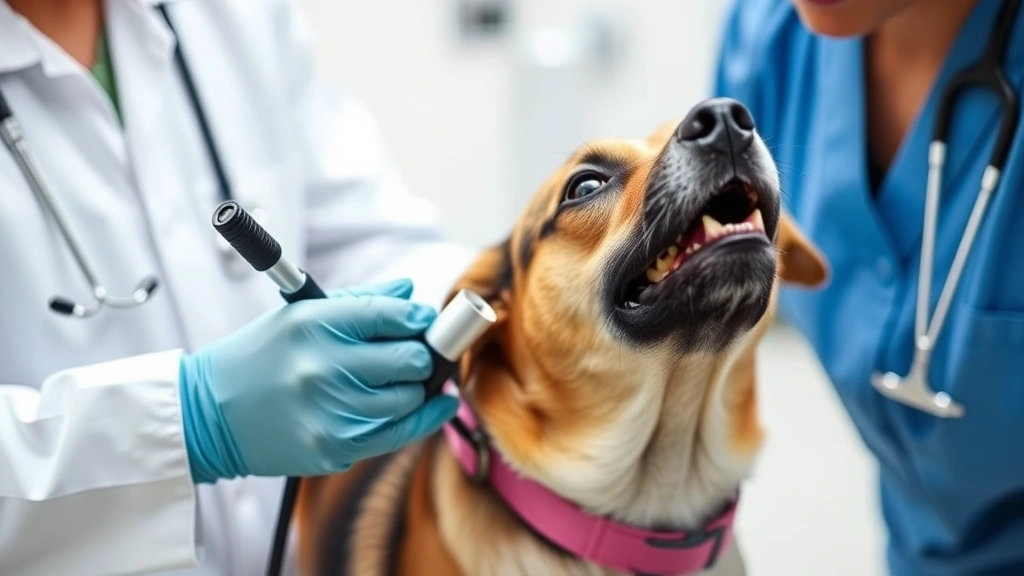
What Respiratory Illnesses Can Dogs Get?
While your dog won’t catch your cold, they certainly can develop respiratory infections. The most common culprits include:
- Canine Infectious Tracheobronchitis (Kennel Cough): This highly contagious infection is caused by bacteria like Bordetella bronchiseptica or viruses like parainfluenza. It produces a distinctive dry, hacking cough that sounds like a honking goose.
- Canine Influenza Virus: Often confused with the common cold, dogs can get the flu, and it’s typically more severe than human colds. There are two strains: H3N8 and H3N2.
- Canine Parainfluenza: This virus causes respiratory symptoms similar to kennel cough but is usually less severe.
- Respiratory Syncytial Virus (RSV): Dogs can develop respiratory infections from RSV, though this is less common than other viral causes.
- Canine Coronavirus: Different from the human coronavirus, canine coronavirus primarily affects the gastrointestinal system but can have respiratory manifestations.
The American Veterinary Medical Association notes that these conditions are particularly common in dogs that spend time in group settings like boarding facilities, dog parks, or shelters. Young puppies, senior dogs, and immunocompromised pets are especially vulnerable to developing serious complications from these infections.

Signs Your Dog Might Be Sick
Recognizing the symptoms of canine respiratory illness is crucial for timely intervention. Watch for these warning signs:
- Persistent Coughing: A dry, hacking cough that lasts more than a few days warrants veterinary attention.
- Sneezing: While occasional sneezing is normal, frequent sneezing episodes might indicate infection. Learn more about why your dog is sneezing so much.
- Nasal Discharge: Clear discharge is usually minor, but yellow, green, or bloody discharge suggests infection.
- Lethargy and Loss of Appetite: If your normally energetic pup seems sluggish and won’t eat, illness is likely.
- Fever: A normal dog temperature is 101-102.5°F. Anything higher indicates fever.
- Difficulty Breathing: Labored breathing or wheezing is a red flag requiring immediate veterinary care.
- Watery Eyes: Conjunctivitis often accompanies respiratory infections.
Understanding why your dog is coughing is important because cough can indicate various conditions ranging from minor to serious. Some coughs are simply clearing irritants, while others signal infection or underlying health issues.
How to Protect Your Dog’s Respiratory Health
Prevention is always better than treatment. Here are evidence-based strategies to keep your dog’s respiratory system healthy:
- Vaccination: The bordetella vaccine and canine influenza vaccine can prevent or reduce severity of common respiratory infections. Discuss vaccination protocols with your veterinarian.
- Limit Exposure: During cold and flu season, minimize your dog’s exposure to other dogs showing respiratory symptoms. Avoid crowded dog parks if illness is circulating.
- Maintain Good Hygiene: Wash your hands after being around sick dogs, and keep your dog’s food and water bowls clean.
- Provide Quality Nutrition: A balanced diet rich in antioxidants supports immune function. Ask your vet about the best food for your dog’s age and health status.
- Reduce Environmental Stressors: Stress weakens the immune system. Provide a calm environment and regular exercise appropriate for your dog’s age.
- Minimize Smoke and Air Pollutants: Secondhand smoke and poor air quality irritate respiratory passages and increase infection risk.
- Keep Your Dog Warm and Dry: Cold, wet conditions stress the immune system and make respiratory infections more likely.
The ASPCA recommends consulting with your veterinarian about an individualized wellness plan tailored to your dog’s age, breed, and lifestyle.
When to Call the Veterinarian
While mild respiratory symptoms sometimes resolve on their own, certain situations absolutely warrant professional veterinary care. Contact your vet if your dog experiences:
- Coughing that persists beyond one week
- Fever lasting more than 24 hours
- Difficulty breathing or labored breathing
- Loss of appetite lasting more than two meals
- Severe lethargy or depression
- Bloody or thick nasal discharge
- Symptoms in very young puppies (under 8 weeks), senior dogs (over 7 years), or immunocompromised pets
Your veterinarian might recommend supportive care, medication, or diagnostic testing like X-rays or cultures. Some dogs benefit from antihistamines like Benadryl, though this should only be given under veterinary guidance with proper dosing.
Remember, respiratory infections can sometimes develop into more serious conditions like pneumonia. Early intervention often prevents complications and gets your pup feeling better faster.
Frequently Asked Questions
Is it safe to be around my dog if I have a cold?
Yes, it’s perfectly safe. Your dog cannot catch your cold virus because human cold viruses don’t infect canine cells. However, basic hygiene practices like handwashing are always good, and you might want to minimize close contact if you’re concerned about spreading other germs.
Can I catch my dog’s respiratory illness?
Generally, no. Canine-specific respiratory viruses are adapted to infect dogs and won’t establish infection in humans. However, good hygiene practices are always wise when caring for a sick pet.
What’s the difference between kennel cough and a cold?
Kennel cough (infectious tracheobronchitis) is a specific contagious infection caused by bacteria or viruses. It produces a distinctive dry, hacking cough. A “cold” in dogs is less specific and might refer to various mild respiratory infections with similar symptoms like sneezing and coughing.
How long does it take for a dog’s respiratory infection to resolve?
Mild infections often improve within 7-10 days with supportive care. However, some conditions like kennel cough can persist for weeks. Your veterinarian can provide a more specific timeline based on your dog’s specific illness.
Do dogs need the flu vaccine?
Dogs in high-risk situations—those frequently in group settings, boarding facilities, or shelters—often benefit from canine influenza vaccination. Discuss your dog’s individual risk factors with your veterinarian to determine if vaccination is appropriate.
Can stress cause respiratory symptoms in dogs?
Yes, stress weakens the immune system and can make dogs more susceptible to respiratory infections. Stress can also exacerbate existing respiratory conditions. Providing a calm, stable environment supports respiratory health.
Are certain dog breeds more prone to respiratory problems?
Brachycephalic breeds (flat-faced dogs like Bulldogs and Pugs) are inherently more prone to respiratory issues due to their anatomy. These breeds should be monitored especially carefully for respiratory symptoms and protected from extreme temperatures.





