
Can Dogs Get Warts? What You Need to Know
If you’ve noticed a small, bumpy growth on your furry friend’s skin, you might be wondering: can dogs actually get warts? The short answer is yes—but dog warts aren’t quite the same as the ones you might remember from your childhood. While they can look alarming, understanding what they are and how to handle them will help you keep your pup’s skin healthy and wart-free.
Dog warts are surprisingly common, especially in older dogs and those with weakened immune systems. The good news? Most warts are benign and nothing to lose sleep over. However, knowing the difference between a harmless wart and something that needs veterinary attention is crucial for responsible pet ownership. Let’s dig into everything you need to know about canine warts, from identification to treatment options.
Whether your dog is prone to skin issues or you’re just curious about potential health concerns, this comprehensive guide will walk you through the facts, myths, and practical solutions for dealing with warts on your four-legged companion.
What Are Dog Warts?
Dog warts are small, benign tumors caused by papillomavirus infections. Unlike human warts, which are typically caused by the human papillomavirus (HPV), dog warts stem from canine-specific papillomaviruses. This means your dog cannot catch warts from you, and you cannot catch them from your dog—they’re species-specific, which is reassuring for the whole household.
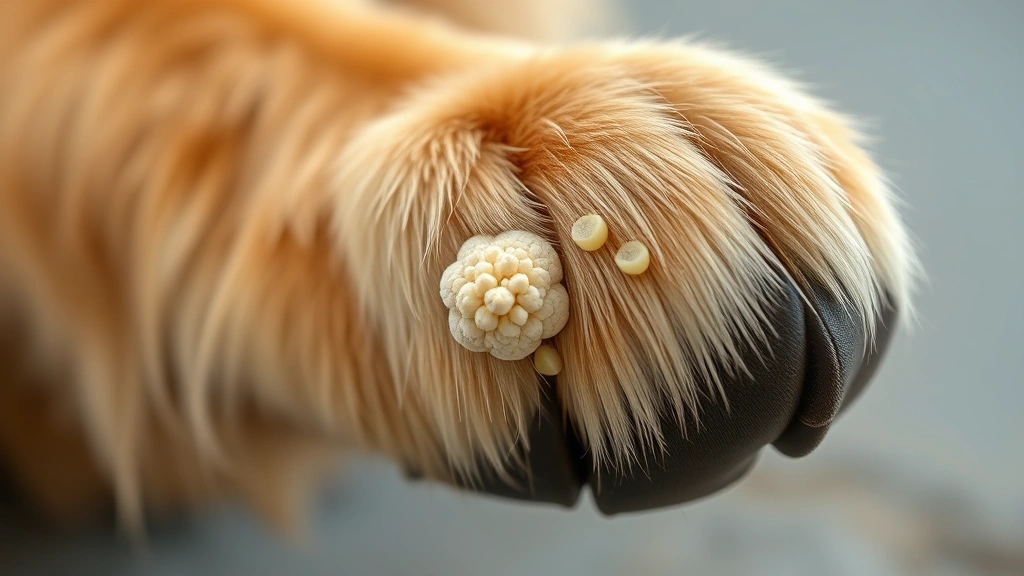
These growths usually appear as small, cauliflower-like bumps on the skin’s surface. They’re typically flesh-colored or slightly pink and can range from barely noticeable to quite prominent. Most dog warts are solitary, though some dogs develop multiple warts over time. The good news is that canine warts differ from skin tags, which are a different type of growth entirely.
According to the American Kennel Club’s guide to dog skin conditions, most canine warts are self-limiting, meaning they often disappear on their own as the dog’s immune system fights off the virus. This natural resolution process can take anywhere from weeks to months, depending on the individual dog’s immune response.

Types of Warts Dogs Get
Not all dog warts are created equal. Understanding the different types can help you better assess your dog’s situation and communicate more effectively with your veterinarian.
Oral Papillomatosis: This is the most common type of wart in dogs and typically affects younger animals under five years old. These warts appear inside the mouth, on the gums, tongue, or lips. Puppies often contract this form through contact with infected dogs, as it spreads through saliva. While concerning to see, oral warts usually regress naturally without treatment.
Cutaneous Papillomatosis: These are the warts you’ll typically find on your dog’s skin, paws, or face. They’re more common in older dogs and those with compromised immune systems. Cutaneous warts are generally slower to develop and may persist longer than oral varieties.
Pigmented Papillomas: These darker-colored warts can be particularly worrisome for owners because they might resemble melanoma or other serious skin conditions. It’s essential to have your vet examine any unusual pigmented growths to rule out malignancy. This is where distinguishing between pimples and other skin issues becomes important for proper diagnosis.
Inverted Papillomas: Less common but still notable, these warts grow inward rather than outward. They can occasionally cause irritation or bleeding if your dog licks or scratches at them excessively.
What Causes Warts in Dogs?
Understanding the root cause of dog warts helps explain why some dogs are more prone to developing them than others. The primary culprit is exposure to canine papillomavirus, but several factors influence whether a dog will actually develop warts.
Viral Exposure: Dogs contract papillomavirus through direct contact with infected dogs or contaminated surfaces. The virus is typically spread through saliva, making areas where dogs congregate—like dog parks, shelters, and grooming facilities—common transmission sites. Interestingly, not every dog exposed to the virus develops warts, suggesting that individual immune response plays a significant role.
Immune System Function: A dog’s immune system is the primary defense against papillomavirus. Young puppies with developing immune systems and senior dogs with declining immune function are both at higher risk. Similarly, dogs with conditions that compromise immunity are more susceptible to developing warts. This is why you might notice hot spots and other skin issues occurring alongside warts in immunocompromised dogs.
Age Factors: Oral warts typically appear in puppies and young dogs, while cutaneous warts are more common in senior dogs. This age-related pattern suggests that both viral exposure patterns and immune system maturity play important roles in wart development.
Environmental Stress: Stress can suppress immune function, potentially making dogs more susceptible to developing warts. Dogs in high-stress situations or those experiencing major life changes may be more prone to viral infections.
How to Identify Warts on Your Dog
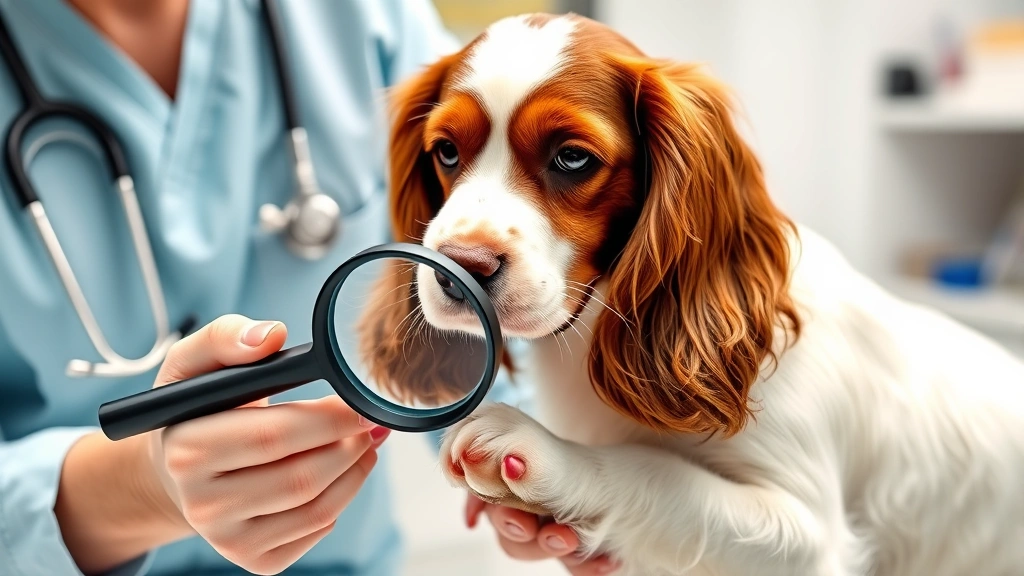
Early identification of warts allows you to monitor them and catch any complications before they become serious. Here’s what to look for:
- Visible Bumps: Small, raised growths that appear suddenly on the skin, typically flesh-colored or slightly pink
- Cauliflower-Like Texture: A distinctive bumpy or warty surface that feels rough to the touch
- Location Patterns: Warts commonly appear on the face, lips, paws, and inside the mouth, though they can develop anywhere
- Multiple Growths: Some dogs develop clusters of warts in the same area or scattered across different body parts
- Gradual Growth: Unlike injuries or sudden infections, warts typically develop slowly over weeks or months
- No Pain or Discharge: Most warts don’t cause discomfort unless your dog licks or scratches at them excessively
It’s important to distinguish warts from other skin conditions. If your dog has other skin concerns, you might want to learn about dandruff and other common conditions to ensure proper identification. Additionally, conditions like lice infestations and ringworm infections can sometimes be confused with warts by untrained eyes.
Treatment Options for Dog Warts
The approach to treating dog warts depends on several factors, including the type of wart, its location, whether it’s causing discomfort, and your dog’s overall health. Fortunately, you have several options.
Watchful Waiting: Since most dog warts are benign and often resolve on their own, your veterinarian might recommend simply monitoring them. This approach is especially common for oral warts in young dogs, which frequently regress naturally. Keep detailed photos and notes about size and appearance to track any changes.
Topical Treatments: Various topical solutions can help stimulate the immune system to fight off the wart. These include apple cider vinegar applications, specialized wart removal creams designed for dogs, and other over-the-counter options. However, effectiveness varies, and you should always consult your veterinarian before applying anything to your dog’s skin.
Surgical Removal: If a wart is causing irritation, bleeding, or cosmetic concerns, your vet might recommend surgical removal. This is typically a straightforward procedure performed under local or general anesthesia, depending on the wart’s size and location. Surgical removal provides immediate results but doesn’t prevent new warts from developing if your dog is exposed to the virus again.
Cryotherapy: This freezing technique destroys the wart tissue. It’s less invasive than surgery and often effective, though it may require multiple treatments. Some warts respond better to cryotherapy than others.
Immunotherapy: In cases where dogs develop numerous warts or experience recurrent infections, veterinarians might recommend immunotherapy to boost the dog’s natural immune response. This can include vaccines specifically designed to stimulate the immune system against papillomavirus.
Laser Therapy: Some veterinary clinics offer laser removal for persistent warts. This precise method can be effective, particularly for warts in sensitive areas, though it’s not universally available.
According to the ASPCA’s information on common pet conditions, most dog warts don’t require treatment unless they’re causing problems. Your veterinarian will help determine the best approach for your specific situation.
Prevention and Care Tips
While you can’t completely prevent papillomavirus exposure, you can reduce your dog’s risk of developing warts and support their immune health.
- Limit Exposure to Infected Dogs: If you know a dog has warts, particularly oral papillomatosis, minimize contact until the warts have resolved. While the virus isn’t life-threatening, why take unnecessary risks?
- Maintain Good Hygiene: Regular cleaning of toys, bedding, and food bowls reduces the risk of viral transmission. Wash your hands after petting dogs with visible warts.
- Support Immune Function: Feed your dog a high-quality, balanced diet rich in antioxidants and essential nutrients. A strong immune system is your dog’s best defense against papillomavirus.
- Manage Stress: Keep your dog’s environment calm and provide regular exercise. Stress reduction supports overall immune function.
- Regular Veterinary Checkups: Routine exams allow your vet to catch warts early and monitor their progression.
- Avoid Excessive Licking: If your dog is obsessively licking a wart, consider using an Elizabethan collar to prevent irritation and potential secondary infections.
- Monitor for Changes: Keep track of wart size, appearance, and any changes in your dog’s behavior or health.
When to See a Veterinarian
While most dog warts are harmless, certain situations warrant professional veterinary evaluation:
- Rapid Growth: If a wart grows quickly or changes dramatically, have it examined immediately.
- Bleeding or Discharge: Warts that bleed, ooze, or develop discharge need veterinary attention to rule out infection or malignancy.
- Behavioral Changes: If your dog seems to be in pain or is excessively licking or scratching at the wart, see your vet.
- Multiple Warts: Numerous warts developing simultaneously might indicate an immune system issue worth investigating.
- Uncertainty About Diagnosis: When in doubt, have your vet examine any unusual skin growth. It’s better to be safe than sorry.
- Warts Interfering with Function: Warts in the mouth that affect eating or on the paws that affect walking should be evaluated.
- Pigmented or Darkly Colored Growths: These require professional evaluation to rule out more serious conditions.
Your veterinarian can perform a simple visual examination or, if necessary, take a small sample for laboratory analysis to confirm the diagnosis. According to Merck’s veterinary manual, most skin growths in dogs can be accurately diagnosed through straightforward examination techniques.
Frequently Asked Questions
Can my dog catch warts from other dogs?
Yes, dogs can catch papillomavirus from infected dogs through saliva and direct contact. However, not all exposed dogs will develop warts, as individual immune response varies significantly.
Are dog warts contagious to humans?
No, dog warts are caused by canine-specific papillomavirus and cannot be transmitted to humans. You’re safe to pet and cuddle your warty pup without worry!
How long do dog warts typically last?
Most dog warts resolve within two to five months as the immune system fights off the virus. However, some may persist longer, and new warts can develop if the dog remains exposed to the virus.
Can I remove a dog wart at home?
While some people attempt home removal using various methods, it’s best to consult your veterinarian first. Improper removal can lead to infection or incomplete removal. Professional veterinary treatment is safer and more effective.
Are older dogs more prone to warts?
Yes, senior dogs are more susceptible to cutaneous warts due to declining immune function. However, puppies are more prone to oral papillomatosis. Both age groups benefit from immune support.
Do dog warts ever turn cancerous?
Dog warts are benign and very rarely become cancerous. However, any rapidly growing or changing growth should be evaluated by a veterinarian to rule out other conditions.
What’s the difference between warts and skin tags?
While both are benign growths, warts are caused by viral infection and have a bumpy texture, while skin tags are soft, smooth growths that develop from skin overgrowth rather than viral infection.
Can diet help prevent or treat warts?
A healthy diet rich in antioxidants and immune-supporting nutrients can help your dog’s immune system fight off papillomavirus more effectively. Consult your vet about adding supplements if appropriate.
Should I be concerned about my dog’s warts spreading?
While warts can spread to other dogs through contact, they’re generally not a serious health threat. Focus on minimizing exposure to other dogs during active infection and maintaining good hygiene practices.
What immune-boosting supplements might help?
Consult your veterinarian about appropriate supplements. Options might include omega-3 fatty acids, probiotics, and antioxidants like vitamin E and selenium, though individual recommendations vary based on your dog’s health status.





