
Can Dogs Eat Baked Beans? A Safety Guide for Pet Parents
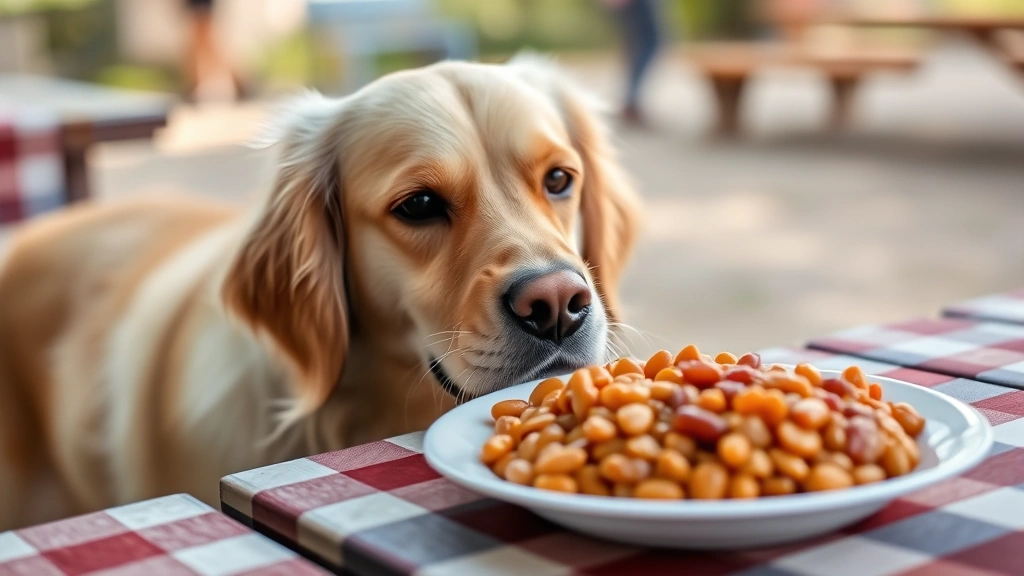
We’ve all been there—sitting at a backyard barbecue with a plate of delicious baked beans, and your furry best friend gives you those irresistible puppy-dog eyes. Before you share a spoonful, though, it’s crucial to understand whether baked beans are safe for your canine companion. The short answer? It’s complicated, and the devil is definitely in the details.
Baked beans are a beloved side dish at picnics, family gatherings, and weekend cookouts across America. Dogs, being natural scavengers with an incredible sense of smell, are often drawn to whatever their humans are eating. But just because something tastes good to us doesn’t mean it’s safe for our four-legged friends. In this comprehensive guide, we’ll explore everything you need to know about feeding baked beans to your dog, including potential risks, safer alternatives, and what to do if your pup accidentally sneaks a bite.
Whether you’re a first-time dog owner or a seasoned pet parent, understanding proper canine nutrition is essential for keeping your dog healthy and happy. Let’s dig into the beans and get you all the answers you need.
Are Plain Baked Beans Safe for Dogs?
Here’s where things get tricky. Plain baked beans—meaning beans with absolutely nothing added—are technically not toxic to dogs. However, “plain” is the operative word here. Most commercial baked beans and homemade recipes contain ingredients that can pose serious health risks to your furry friend. When we talk about the typical baked beans you’d find at a summer cookout, we’re usually discussing a mixture loaded with sugar, sodium, and various seasonings that your dog’s digestive system simply isn’t designed to handle.
The beans themselves, when completely unseasoned and cooked, contain protein and fiber that could theoretically be beneficial. However, the preparation method and accompanying ingredients are what make store-bought or restaurant baked beans problematic. If you’re interested in learning more about what beans are generally safe, our guide on what beans dogs can eat provides deeper insights into different bean varieties and their safety profiles.
Even if you prepare beans at home without the typical seasonings, you’ll want to serve them in moderation and ensure they’re cooked thoroughly. Raw or undercooked beans can contain compounds that are difficult for dogs to digest and may cause gastrointestinal upset.
The Problematic Ingredients in Baked Beans
Now let’s talk about why most baked beans are a no-go for dogs. The typical baked bean recipe includes several ingredients that range from merely unhealthy to downright dangerous for your canine companion.
Sugar and Sweeteners: Commercial baked beans are often loaded with brown sugar, molasses, or other sweetening agents. Dogs don’t need sugar in their diet, and excessive consumption can lead to obesity, dental problems, and even diabetes. Some manufacturers use artificial sweeteners like xylitol, which is extremely toxic to dogs and can cause rapid insulin release, leading to hypoglycemia, liver failure, and even death.
Sodium: The salt content in baked beans is another major concern. While dogs need some sodium, the amount in a typical serving of baked beans far exceeds their daily requirements. High sodium intake can lead to increased thirst, excessive urination, and in severe cases, sodium ion poisoning. This is particularly concerning for senior dogs or those with heart or kidney conditions.
Garlic and Onions: Many baked bean recipes include garlic and onions for flavoring. Both of these ingredients contain compounds called thiosulfates that damage dogs’ red blood cells and can cause hemolytic anemia. Even in small quantities, these ingredients should never be fed to dogs, whether raw, cooked, or powdered.

Spices and Seasonings: From cumin to paprika, the various spices used in baked beans can upset your dog’s stomach and potentially cause more serious issues depending on the specific seasonings used.
If you’re concerned about other common foods, we have detailed information about garbanzo beans and other legumes that might be safer options to explore.
Digestive Issues and Gas
Even if a baked bean recipe doesn’t contain any of the truly toxic ingredients mentioned above, beans themselves can cause digestive distress in dogs. Beans are high in fiber and complex carbohydrates, which can be challenging for a dog’s digestive system, especially if they’re not accustomed to eating them.
The result? Excessive gas, bloating, diarrhea, and general gastrointestinal discomfort. Your dog might experience abdominal pain, constipation, or loose stools for hours or even days after consuming baked beans. If your dog does experience digestive issues, you may want to consult our guide on what to feed a dog with diarrhea for dietary recommendations.
Dogs have a much shorter digestive tract than humans, and their stomachs are designed to process primarily protein and fat from meat, not complex carbohydrates from beans. When beans make their way through your dog’s digestive system, they can ferment, producing gas and potentially causing discomfort. This is especially true for dogs with sensitive stomachs or those prone to digestive issues.
Additionally, the lectins present in beans (which are reduced but not eliminated through cooking) can interfere with nutrient absorption and potentially cause inflammation in the gut lining. For dogs with existing gastrointestinal sensitivities, this could exacerbate symptoms.
Safer Bean Alternatives for Your Dog
If you want to give your dog a treat that includes beans, there are definitely safer options than commercial baked beans. The key is preparation: you control the ingredients and can eliminate the problematic additions.
Plain Cooked Beans: Plain black beans, kidney beans, or pinto beans that have been thoroughly cooked with absolutely no added salt, sugar, garlic, onions, or spices can be given to dogs in small quantities. Make sure they’re soft and easily digestible. These should only be an occasional treat, not a dietary staple, and should account for no more than 10% of your dog’s daily caloric intake.
Homemade Bean Treats: You can prepare dog-friendly bean treats at home by cooking beans with dog-safe ingredients like plain pumpkin (which we discuss in our article about whether dogs can eat pumpkin) or sweet potato. These additions provide fiber and nutrients without the harmful seasonings.
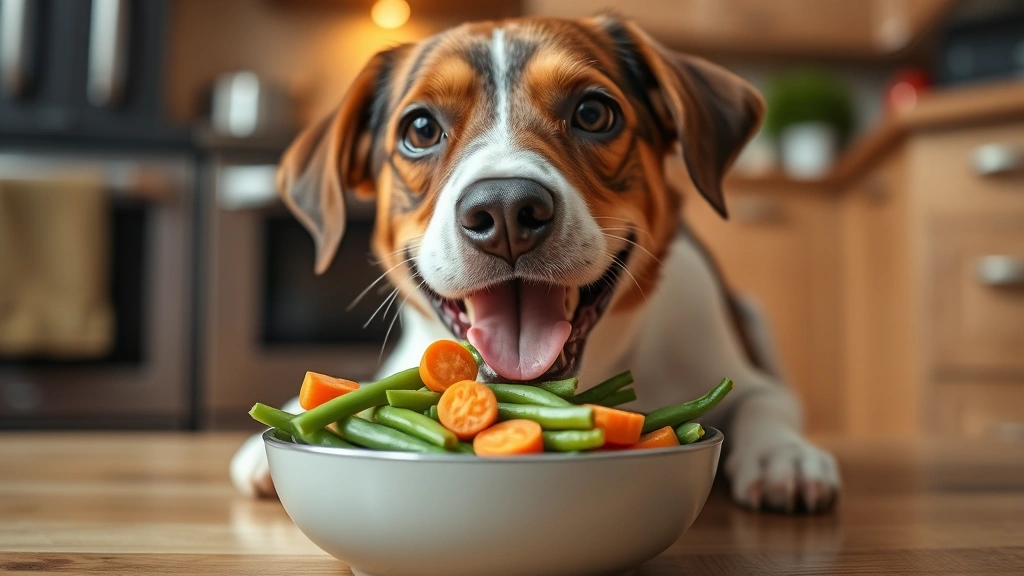
Other Vegetable Options: Rather than beans, consider offering your dog other vegetables that are safer and easier to digest. Cooked carrots are an excellent low-calorie treat that supports dental health. Green beans, peas, and squash are also great options that provide nutrition without the digestive challenges beans present.
According to the American Kennel Club, treats should make up no more than 10% of your dog’s daily caloric intake, with the remaining 90% coming from a complete and balanced commercial dog food or a veterinarian-approved homemade diet.
When introducing any new food to your dog’s diet, do so gradually and in small quantities. Monitor your dog for any signs of digestive upset or allergic reactions. If you’re unsure about how much food your dog should eat daily, consult with your veterinarian to determine appropriate treat portions based on your dog’s age, size, and activity level.
What to Do If Your Dog Eats Baked Beans
Despite your best efforts, accidents happen. Your dog might snag a spoonful of baked beans from a plate left on the coffee table or grab some that fell during a cookout. Here’s what you should do.
Stay Calm: First, don’t panic. A small amount of baked beans is unlikely to cause a serious emergency, though it could cause some digestive upset. The risk level depends on several factors: the amount consumed, the specific ingredients in the beans, and your individual dog’s sensitivity to new foods.
Assess the Situation: Try to determine exactly what was in the baked beans. Were they commercial, homemade, or restaurant-prepared? Do you know if they contained garlic, onions, or xylitol? The more information you have, the better you can assess the actual risk.
Monitor Your Dog: Watch your dog closely for the next 24-48 hours. Signs of concern include vomiting, severe diarrhea, lethargy, abdominal pain, difficulty breathing, or unusual behavior. If your dog consumed beans with garlic or onions, watch for signs of anemia such as pale gums, weakness, or yellowing of the eyes or gums.
Contact Your Veterinarian: If your dog ate a large quantity of baked beans, consumed beans with toxic ingredients like xylitol, garlic, or onions, or is showing any signs of illness, contact your veterinarian immediately. The ASPCA Animal Poison Control Center is also available 24/7 at (888) 426-4435 if you suspect poisoning.
Provide Supportive Care: If your dog is experiencing mild digestive upset, you might offer bland food like plain boiled chicken and rice, and ensure they have access to fresh water. However, don’t withhold food unless your veterinarian advises it.
Remember, prevention is always better than treatment. Keep baked beans and other human foods away from your dog’s reach, and educate family members and guests about what foods are safe for your furry friend.
Frequently Asked Questions
Can dogs eat baked beans from a can?
Canned baked beans are generally not recommended for dogs. Most commercial canned baked beans contain high levels of sodium, sugar, and often include garlic or onions as flavoring agents. If your dog accidentally eats a small amount, monitor them for digestive upset, but don’t make it a habit. Always check the ingredient list for xylitol, which is toxic to dogs.
Are white beans safe for dogs?
Plain, cooked white beans with no added seasonings can be given to dogs in very small quantities as an occasional treat. However, they should never replace regular dog food and should only account for a tiny portion of your dog’s daily caloric intake. The fiber content can cause digestive issues if given in large amounts.
What about Boston baked beans specifically?
Boston baked beans typically contain molasses, brown sugar, salt, and often bacon or other pork products. The sugar and sodium content alone makes them inappropriate for dogs, and the bacon fat can contribute to pancreatitis. These beans should definitely be kept away from your dog.
Can puppies eat baked beans?
Puppies should absolutely not eat baked beans. Their digestive systems are even more sensitive than adult dogs’, and the high sodium and sugar content can interfere with proper development. Puppies need a carefully balanced diet formulated for their specific nutritional needs.
What are signs my dog ate too many beans?
Signs of digestive distress from beans include excessive gas, bloating, diarrhea, constipation, vomiting, and abdominal discomfort. Your dog might seem uncomfortable, pace excessively, or have a hunched posture. If these symptoms persist for more than 24 hours or are severe, contact your veterinarian.
Are there any health benefits to feeding dogs beans?
While beans do contain protein and fiber, dogs can get these nutrients more easily from their regular dog food, which is formulated specifically for their nutritional needs. If you want to add variety to your dog’s diet, consult your veterinarian about appropriate options rather than introducing beans.
How can I tell if my dog has xylitol poisoning?
Xylitol poisoning symptoms can appear within 30 minutes and include vomiting, loss of coordination, lethargy, and seizures. In severe cases, it can cause liver failure and death. If you suspect your dog consumed a product containing xylitol, seek emergency veterinary care immediately. The Pet Poison Helpline is another excellent resource available 24/7 at (855) 764-7661.
What’s a safe amount of beans if my dog must eat them?
If you absolutely must give your dog plain, cooked beans with no added ingredients, limit it to no more than a tablespoon or two as an occasional treat for a medium-sized dog. Smaller dogs should get even less. However, there are safer treat options available, so beans shouldn’t be a regular part of your dog’s diet.





