
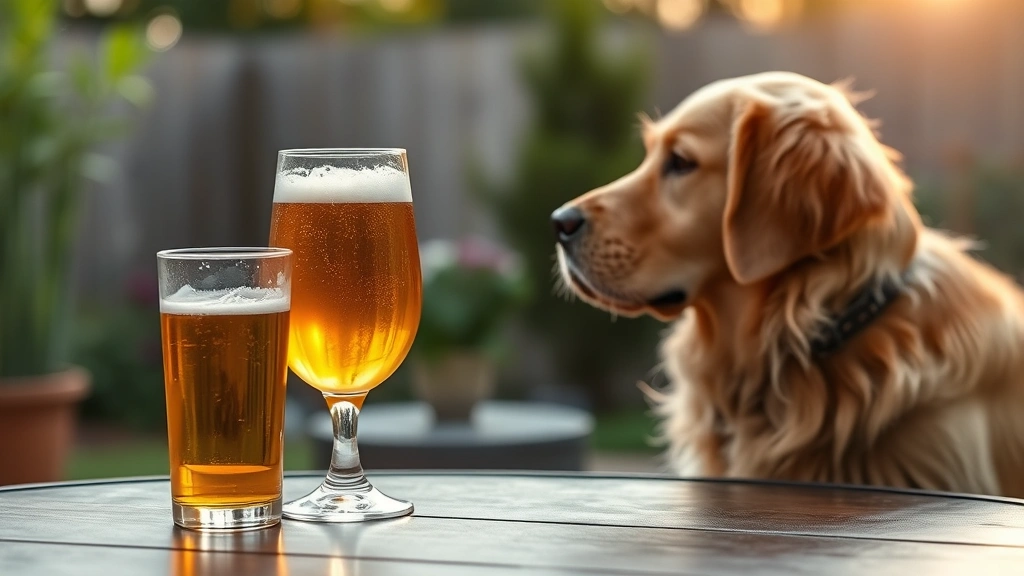
Can Dogs Have Beer? Safety Concerns Explained
Picture this: you’re hosting a backyard barbecue, cold beer in hand, and your furry best friend is giving you those irresistible puppy-dog eyes. It’s tempting to let them have just a tiny sip, right? Well, hold that thought! The short answer is a firm no—dogs absolutely should not have beer under any circumstances. But the reasons why go way beyond just being a party pooper.
Beer contains ethanol, the same intoxicating ingredient found in all alcoholic beverages, and our canine companions are far more susceptible to its toxic effects than humans are. Even small amounts can cause serious health problems, and larger quantities can be life-threatening. If you’re wondering whether your pup accidentally got into your drink or you’re simply curious about what makes beer so dangerous for dogs, you’ve come to the right place.
In this comprehensive guide, we’ll explore everything you need to know about beer and dogs, from the science behind why it’s toxic to what to do if your dog has already consumed some. Let’s dive in and keep your four-legged friend safe!
Why Is Beer Toxic to Dogs?
Understanding why beer is so dangerous for dogs requires a bit of biochemistry knowledge, but don’t worry—we’ll keep it simple. Beer contains two main culprits: ethanol (alcohol) and hops. Both of these ingredients can cause serious harm to your dog’s body in ways that differ significantly from how they affect humans.
The primary concern is the ethanol content. According to the ASPCA Animal Poison Control Center, ethanol is rapidly absorbed through the stomach and small intestine, entering the bloodstream quickly. Dogs metabolize alcohol much more slowly than humans do, meaning the toxic effects linger longer in their systems. Additionally, dogs are generally more sensitive to ethanol’s effects on a per-pound basis, making even small amounts potentially problematic.
Hops, the bitter plant used to flavor beer, are another serious concern. Research shows that hops can trigger malignant hyperthermia in dogs—a dangerous condition where body temperature rises uncontrollably. This is why beer poses a double threat to your pup’s health, and why we need to understand the full spectrum of dangers involved.
How Ethanol Affects Your Dog’s Body
When your dog consumes beer, the ethanol begins its journey through their digestive system immediately. Unlike humans, who have a relatively high tolerance for alcohol due to our liver’s enzyme production, dogs lack the necessary biological defenses. The ethanol crosses the blood-brain barrier, affecting the central nervous system and causing intoxication similar to what humans experience, but much more severe.
The effects cascade through multiple body systems. The ethanol depresses the nervous system, leading to loss of coordination, confusion, and behavioral changes. It also interferes with the liver’s ability to regulate blood glucose levels, potentially causing hypoglycemia (dangerously low blood sugar). Additionally, ethanol can cause respiratory depression, meaning your dog may have difficulty breathing properly.
The kidneys are also affected, as ethanol acts as a diuretic, causing increased urination and dehydration. This can lead to electrolyte imbalances, which are particularly dangerous for small dogs. Furthermore, ethanol can damage the pancreas, leading to pancreatitis—a painful and potentially life-threatening inflammation of the pancreas.
If you’re concerned about other beverages your dog might encounter, it’s worth noting that dogs shouldn’t drink alcohol in any form. Similarly, other common household drinks pose risks too—for instance, dogs shouldn’t have coffee due to caffeine content, and while some dogs can tolerate milk, it’s not ideal for most adult dogs.
Signs and Symptoms of Beer Poisoning
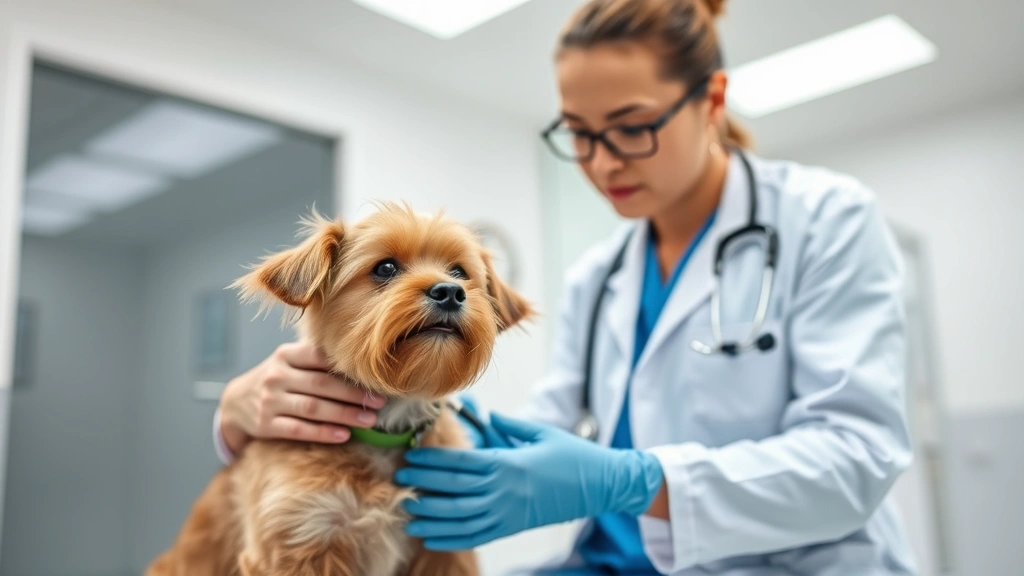
Knowing what to look for is crucial if you suspect your dog has consumed beer. The symptoms can appear within 30 minutes to several hours after ingestion, depending on the amount consumed and your dog’s size and metabolism. Early recognition could literally save your dog’s life.
Initial signs of ethanol toxicity include:
- Disorientation and confusion – Your dog may seem unusually confused or unable to focus
- Loss of coordination – Stumbling, difficulty walking, or bumping into objects
- Lethargy – Unusual tiredness or lack of interest in normal activities
- Tremors or seizures – Uncontrolled shaking or convulsions
- Vomiting – Often one of the first visible signs
- Difficulty breathing – Labored or shallow breathing patterns
- Hypothermia – An abnormally low body temperature
- Excessive drooling – More saliva than normal
More severe symptoms that indicate a medical emergency include:
- Coma or loss of consciousness
- Respiratory failure
- Severe acidosis
- Uncontrollable seizures
- Cardiac arrhythmias
The severity depends on several factors: your dog’s weight (smaller dogs are affected more severely by the same amount), the type of beer (stronger beers have higher ethanol content), and how much was consumed. A 10-pound dog drinking a full beer faces much greater danger than a 100-pound dog, but all dogs are at risk.
What to Do If Your Dog Drinks Beer
If you suspect your dog has consumed beer, don’t panic—but do act quickly. Time is of the essence in cases of alcohol poisoning, and your swift action could make all the difference.
Immediate Steps:
- Contact your veterinarian or emergency vet clinic immediately – Don’t wait to see if symptoms develop. Provide them with information about how much beer your dog consumed and when
- Try to determine the amount – Was it a few licks, a few ounces, or more? This information helps your vet assess the severity
- Note the time of ingestion – This helps your vet predict when symptoms will peak
- Keep your dog calm and comfortable – Minimize stress and keep them in a safe space
- Don’t induce vomiting at home – While it might seem like a good idea, inducing vomiting can sometimes cause more harm. Your vet will decide if this is appropriate, and if needed, they have the proper medications and training. However, if you need guidance on emergency response measures, understanding how to induce vomiting in dogs is something only a veterinarian should perform
- Monitor vital signs if possible – Check your dog’s breathing and heart rate if you know how
At the veterinary clinic, your vet may perform:
- Physical examination and vital signs assessment
- Blood tests to check glucose levels, electrolytes, and organ function
- Urinalysis
- Possibly gastric lavage (stomach pumping) if the ingestion was very recent
- IV fluids to maintain hydration and support organ function
- Supportive care such as oxygen therapy if needed
The prognosis depends on how much beer was consumed and how quickly treatment was received. Most dogs who receive prompt veterinary care recover well, but severe cases can result in permanent organ damage or death.
Prevention Tips for Pet Owners
The best medicine is prevention. Here are practical strategies to keep your dog safe from accidental beer consumption:
At Home:
- Store beer securely – Keep all alcoholic beverages in closed cabinets or the refrigerator where your dog can’t access them
- Never leave drinks unattended – Even for a moment, as curious dogs can quickly lap up a drink
- Educate family members – Make sure everyone in your household understands that beer is toxic to dogs
- Supervise outdoor activities – During barbecues and parties, keep your dog away from areas where guests might set down drinks
- Use baby gates – Create barriers in your home to keep your dog out of party areas if necessary
- Train the “leave it” command – This can be invaluable if your dog encounters something dangerous
During Social Gatherings:
- Alert guests – Let visitors know that your dog shouldn’t have any alcohol
- Provide a designated pet area – Keep your dog in a separate, comfortable space during parties
- Use a crate if needed – While it might seem harsh, crating your dog during events can prevent accidents
- Provide entertainment – Give your dog toys, chews, or puzzle feeders to keep them occupied
- Have a responsible pet watcher – Designate someone to keep an eye on your dog during gatherings
Understanding that why dogs pant in certain situations can also help you recognize stress signals during social events. Similarly, knowing about other toxic substances is important—for example, understanding what to do if your dog eats chocolate is another critical safety skill for pet owners.
Safe Alternatives for Your Pup
Your dog might enjoy being part of social occasions, and that’s wonderful! The key is providing safe alternatives that let them participate without the risks.
Dog-Friendly “Mocktails”:
- Pupsicles – Freeze dog-safe ingredients like peanut butter, pumpkin puree, or bone broth in ice cube trays
- Watermelon smoothies – Blend seedless watermelon with plain yogurt for a refreshing treat
- Carrot juice – Plain, unsweetened carrot juice is hydrating and safe
- Coconut water – Unsweetened and unsalted coconut water can be a special treat (in small amounts)
Special Treats:
- Long-lasting chews to keep them occupied
- Puzzle toys filled with treats
- Dog-safe ice cream made specifically for dogs
- Frozen broth cubes
- Special dog treats you reserve for occasions
The key is making your dog feel included and celebrated without compromising their health. Many pet owners find that their dogs are just as happy with special dog treats as they would be with human food and beverages.
According to the American Kennel Club, even small amounts of alcohol can be dangerous for dogs, so these safe alternatives are genuinely the best way to include your pup in celebrations.
Frequently Asked Questions
Can dogs have non-alcoholic beer?
While non-alcoholic beer contains significantly less ethanol (usually less than 0.5%), it’s still not recommended for dogs. Some non-alcoholic beers may contain trace amounts of alcohol, and the hops present in all beer varieties can still pose a risk. Additionally, beer often contains added sugars and other ingredients that aren’t ideal for dogs. It’s best to avoid it entirely and stick to dog-safe alternatives.
What if my dog only had a tiny taste?
Even a small taste can be concerning, depending on your dog’s size and the beer’s alcohol content. A 100-pound dog might tolerate a single lick better than a 10-pound dog, but that doesn’t mean it’s safe. Monitor your dog closely for any signs of intoxication over the next few hours. If you notice any symptoms or if you’re unsure about the amount, contact your veterinarian for guidance. It’s always better to err on the side of caution.
How long does it take for symptoms to appear?
Symptoms can appear as quickly as 30 minutes after ingestion, though it may take up to several hours depending on the amount consumed, your dog’s metabolism, and whether they had food in their stomach. The faster the ethanol is absorbed, the quicker symptoms will develop. This is why immediate veterinary attention is so important—don’t assume everything is fine just because your dog seems okay initially.
Can beer cause permanent damage to dogs?
Yes, severe alcohol poisoning can cause permanent organ damage, particularly to the liver, kidneys, and pancreas. Additionally, repeated exposure to alcohol (which hopefully won’t happen if you’re a responsible pet owner) can lead to chronic health issues. In the most severe cases, alcohol poisoning can be fatal. This is why prevention and prompt treatment are so critical.
Are some dog breeds more susceptible to beer toxicity?
While all dogs are susceptible to ethanol toxicity, smaller breeds are affected more severely by the same amount due to their lower body weight. Additionally, some breeds may have genetic predispositions to certain complications. For example, some breeds are more prone to pancreatitis, which alcohol can trigger. However, no breed is immune to alcohol poisoning, so all dogs should be protected equally.
What about beer-flavored dog treats?
Legitimate beer-flavored dog treats sold through reputable pet stores are formulated without actual alcohol and are safe for dogs. They’re designed to be completely non-toxic while providing a novelty treat. However, always check the ingredient list to confirm there’s no actual alcohol content. If you’re unsure, contact the manufacturer or your veterinarian before giving them to your dog.
Can I give my dog a beer batter-fried food?
Most beer batter used in cooking will have the alcohol cooked off during the frying process, as ethanol has a low boiling point. However, if the food is only lightly cooked or fried at low temperatures, some alcohol might remain. To be safe, it’s best to avoid giving your dog any beer-battered foods. Stick to plain, unseasoned proteins instead.
What’s the toxic dose of beer for dogs?
According to Merck Veterinary Manual, toxicity can occur at doses as low as 0.8 grams of ethanol per kilogram of body weight. For context, a standard 12-ounce beer contains about 14 grams of ethanol. This means even a small amount can be toxic for small dogs. For a 10-pound dog, just a couple of ounces of beer could potentially cause serious problems.
Should I induce vomiting if my dog drinks beer?
This is a decision only your veterinarian should make. While inducing vomiting can sometimes help if done very soon after ingestion (ideally within 2 hours), it’s not always the best course of action. In some cases, it can cause additional harm. Your vet will consider factors like how much was consumed, when it was consumed, and your dog’s current condition before deciding on the best treatment approach.





