
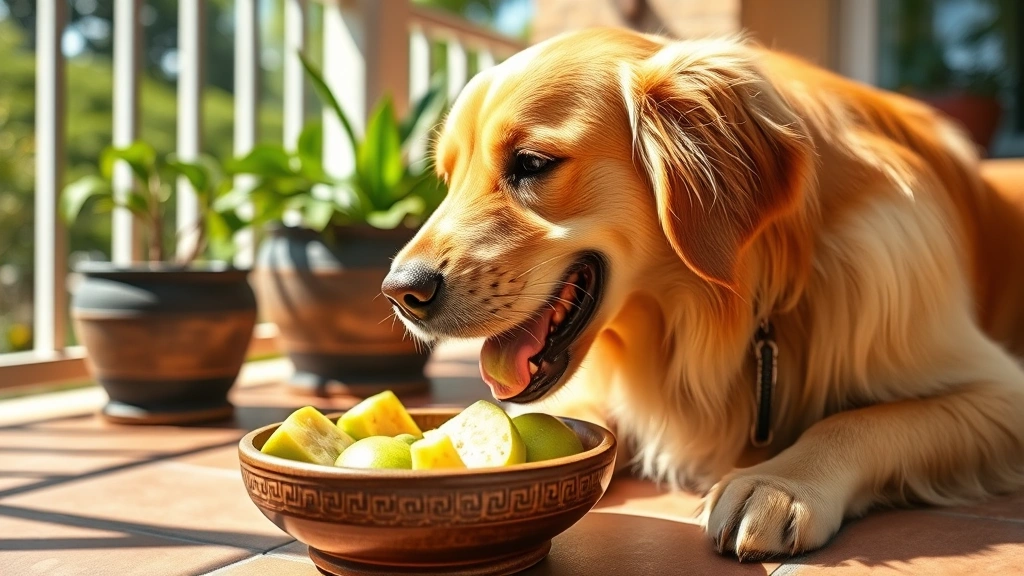
Can Dogs Have Guava? A Safety Guide for Pet Owners
If you’re a dog parent who loves tropical fruits, you’ve probably wondered whether your furry best friend can join in on the guava goodness. It’s a natural question—after all, we want to share the foods we enjoy with our pups, right? The good news is that yes, dogs can have guava, but like most things in pet nutrition, there are important guidelines to follow to keep your canine companion safe and healthy.
Guava is a nutrient-dense tropical fruit packed with vitamins, fiber, and antioxidants. For humans, it’s a superfood. But when it comes to our four-legged friends, moderation and proper preparation are key. In this comprehensive guide, we’ll explore everything you need to know about feeding guava to dogs, from nutritional benefits to potential risks and practical serving suggestions.
Whether you’re a seasoned dog owner or new to the pet parent lifestyle, understanding what fruits are safe for your dog is crucial for their long-term health and happiness. Let’s dive into the world of guava and discover how to safely incorporate this delicious fruit into your dog’s diet.
Is Guava Safe for Dogs?
The short answer is yes—guava is generally safe for dogs when prepared correctly and given in appropriate amounts. Unlike some fruits that are toxic to canines, guava doesn’t contain any compounds that are inherently poisonous to dogs. However, safety doesn’t mean unlimited access. The fruit’s high fiber content and seeds require careful consideration before offering it to your pup.
According to the American Kennel Club, many fruits can be safely incorporated into a dog’s diet as long as certain precautions are taken. Guava falls into this category of dog-friendly fruits, but preparation is everything. The key is removing the seeds, cutting the fruit into appropriate sizes, and limiting portions to prevent digestive upset.
Your dog’s individual health status also matters. Dogs with certain medical conditions, digestive sensitivities, or those taking specific medications may need to avoid guava altogether. When in doubt, consulting with your veterinarian before introducing any new food is always the wisest approach.
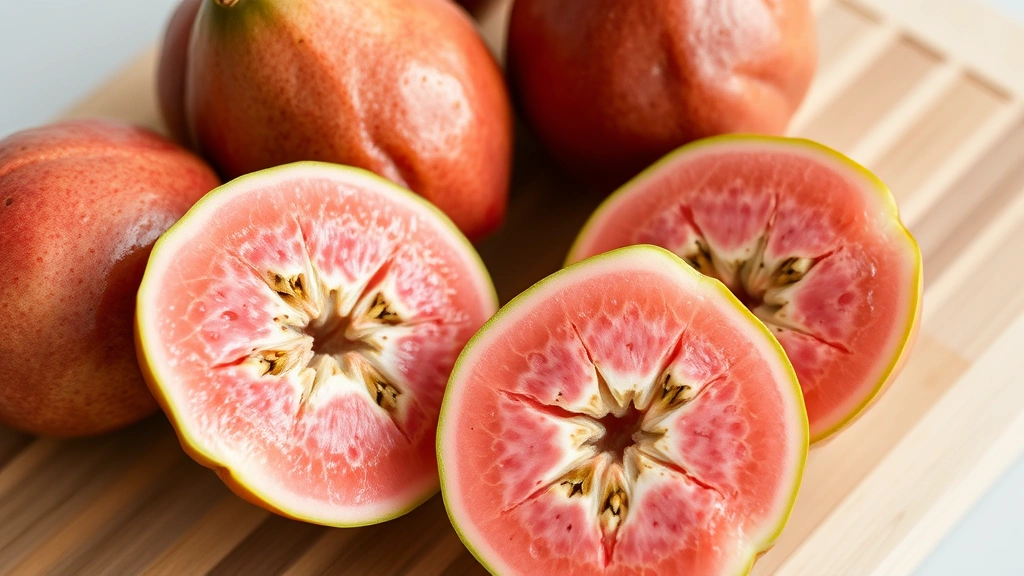
Nutritional Benefits of Guava
Guava is absolutely loaded with nutritional goodness that can benefit your dog’s health when offered appropriately. This tropical fruit is an excellent source of vitamin C, which supports immune function and acts as a powerful antioxidant. A single guava contains more vitamin C than an orange, making it a potent immune booster for your furry friend.
Beyond vitamin C, guava provides:
- Dietary Fiber: Supports digestive health and helps maintain regular bowel movements
- Vitamin A: Promotes eye health and supports skin condition
- Potassium: Essential for heart function and muscle contractions
- Antioxidants: Combat free radicals and may reduce inflammation
- Low Calorie Content: Approximately 37 calories per 100 grams, making it suitable for weight management
These nutrients can contribute to overall wellness, but remember that your dog’s primary nutrition should come from a balanced, complete dog food. Guava and other fruits should only supplement, never replace, their regular diet. If you’re looking to understand proper nutrition balance, our guide on how much food should I feed my dog provides excellent insights into maintaining dietary balance.
The antioxidants found in guava, particularly lycopene and beta-carotene, may help protect your dog’s cells from oxidative stress. This is especially beneficial for aging dogs or those prone to inflammatory conditions. However, these benefits are only realized through consistent, moderate consumption as part of a comprehensive wellness routine.

Potential Risks and Concerns
While guava is generally safe, several risks warrant careful attention. The most significant concern is the seeds. Guava seeds are hard and can pose a choking hazard, particularly for smaller breeds or dogs who don’t chew thoroughly before swallowing. Additionally, seeds contain small amounts of cyanogenic compounds, which in large quantities could be problematic.
The high fiber content in guava can be both beneficial and problematic. While moderate fiber supports digestive health, excessive amounts can cause diarrhea, constipation, or gastrointestinal discomfort. Dogs with sensitive stomachs or existing digestive issues may experience adverse reactions. If your dog struggles with digestive problems, check out our resource on what to feed dog with diarrhea before introducing new fruits.
Other concerns include:
- Sugar Content: While moderate, guava contains natural sugars that can contribute to weight gain if overfed, especially for dogs prone to obesity
- Allergic Reactions: Though rare, some dogs may have sensitivities to guava
- Pesticide Residue: Non-organic guavas may contain pesticide residues that accumulate in your dog’s system
- Unripe Guavas: Harder, unripe guavas are more difficult to digest and may cause blockages
According to the ASPCA, introducing any new food gradually and monitoring your dog for adverse reactions is essential. Watch for signs of gastrointestinal distress such as vomiting, loose stools, or abdominal discomfort within 24 hours of consumption.
How to Prepare Guava for Your Dog
Proper preparation is absolutely critical when offering guava to your dog. The process is straightforward but requires attention to detail to ensure maximum safety and enjoyment.
Step-by-Step Preparation Guide:
- Wash Thoroughly: Rinse the guava under clean running water to remove any dirt, bacteria, or pesticide residue
- Remove the Skin: Peel away the outer skin completely, as it can be difficult for dogs to digest
- Extract All Seeds: Cut the guava in half and scoop out all seeds using a spoon or knife. This is the most critical step—no seeds should remain
- Cut into Appropriate Sizes: Dice the fruit into small, bite-sized pieces appropriate for your dog’s size. Smaller dogs need smaller pieces to prevent choking
- Serve Fresh: Offer the prepared guava immediately, or store it in an airtight container in the refrigerator for up to two days
- Avoid Processed Forms: Never give your dog guava juice, guava paste, or any processed guava products, as these often contain added sugars and preservatives
Some pet parents enjoy freezing small guava pieces to create a refreshing treat during hot months. This can be an excellent way to provide enrichment while keeping your dog cool. Simply freeze the prepared pieces on a baking sheet, then transfer them to a freezer bag for convenient storage.
Serving Guidelines and Portion Sizes
The golden rule for feeding guava to dogs is moderation. Treats, including fruits, should comprise no more than 10 percent of your dog’s daily caloric intake, with the remaining 90 percent coming from their regular, balanced diet. This ensures your dog receives complete nutrition without nutritional imbalances.
General Serving Guidelines by Dog Size:
- Small Dogs (Under 10 lbs): 1-2 small cubes, once or twice weekly
- Medium Dogs (10-50 lbs): 3-4 small cubes, once or twice weekly
- Large Dogs (Over 50 lbs): 5-6 small cubes, once or twice weekly
Start with even smaller portions when introducing guava for the first time. This allows you to monitor your dog’s digestive response and identify any potential sensitivities. Wait at least 48 hours before introducing another new food to accurately identify which item, if any, causes issues.
Consider your dog’s overall diet when offering guava. If they’re already consuming papaya, dragon fruit, or other tropical fruits regularly, you might want to rotate fruits rather than offering multiple types simultaneously. This prevents excessive fiber intake and maintains nutritional balance.
Healthy Fruit Alternatives
If your dog doesn’t enjoy guava or you’re looking for variety, numerous other safe fruits can provide similar nutritional benefits. Each offers unique advantages and can be rotated throughout the week to keep your dog’s diet interesting and balanced.
Excellent Fruit Alternatives:
- Apples: Rich in fiber and vitamin C, but always remove seeds before serving
- Blueberries: Packed with antioxidants and easy to serve as training treats
- Watermelon: Hydrating and low in calories, perfect for warm weather
- Pumpkin: Excellent for digestive health, especially for dogs prone to constipation
- Carrots: Low in calories and great for dental health
- Bananas: High in potassium, but should be given sparingly due to sugar content
If you’re interested in expanding your dog’s tropical fruit options, dragon fruit is another excellent choice that offers similar nutritional profiles to guava. For berry lovers, blackberries provide exceptional antioxidant benefits, while cranberries can support urinary tract health.
The variety approach not only prevents boredom but also ensures your dog receives a broader spectrum of nutrients. Different fruits offer different phytonutrients and minerals, so rotating options creates a more comprehensive nutritional profile.
Frequently Asked Questions
Can puppies eat guava?
Puppies have more sensitive digestive systems than adult dogs, so introducing guava should be done even more cautiously. Wait until your puppy is at least 8-12 weeks old and has been on a stable diet for several weeks. Start with tiny portions and monitor closely for any digestive upset. Always consult your veterinarian before introducing new foods to puppies, as their nutritional needs are different from adult dogs.
What if my dog eats guava seeds?
If your dog accidentally consumes a few guava seeds, don’t panic. Small quantities are unlikely to cause serious harm. However, monitor your dog for signs of distress such as vomiting, difficulty breathing, or lethargy. If your dog consumed a large quantity of seeds or shows any concerning symptoms, contact your veterinarian or Pet Poison Helpline immediately. It’s always better to be cautious with your pet’s health.
Can dogs eat guava skin?
While guava skin isn’t toxic, it’s difficult for dogs to digest and can cause gastrointestinal upset. Always remove the skin completely before serving. The skin can also harbor bacteria and pesticide residues, making removal even more important for your dog’s safety.
Is guava juice safe for dogs?
No, guava juice is not recommended for dogs. Commercial guava juices typically contain added sugars, preservatives, and other ingredients that aren’t suitable for canines. Even freshly made guava juice concentrates the fruit’s natural sugars and removes beneficial fiber. Stick to fresh, whole guava prepared as described in this guide.
How often can I feed my dog guava?
Guava can be offered 1-2 times per week as part of a varied fruit rotation. This frequency ensures your dog receives the nutritional benefits without excessive fiber intake or sugar consumption. Consistency is key—establish a regular schedule rather than offering guava sporadically, which can help your dog’s digestive system adapt.
Are there any dogs that shouldn’t eat guava?
Yes, certain dogs should avoid guava entirely. This includes dogs with:
- Diabetes or obesity (due to natural sugar content)
- Inflammatory bowel disease or other chronic digestive conditions
- Known fruit allergies or sensitivities
- Those currently experiencing diarrhea or gastrointestinal upset
Always consult your veterinarian if your dog has any underlying health conditions before introducing new foods.
Can guava help with my dog’s digestion?
The fiber in guava can support healthy digestion when given in appropriate amounts. However, too much fiber can have the opposite effect. For dogs with digestive concerns, consult your veterinarian about appropriate dietary adjustments rather than relying on fruit to solve digestive issues.





