
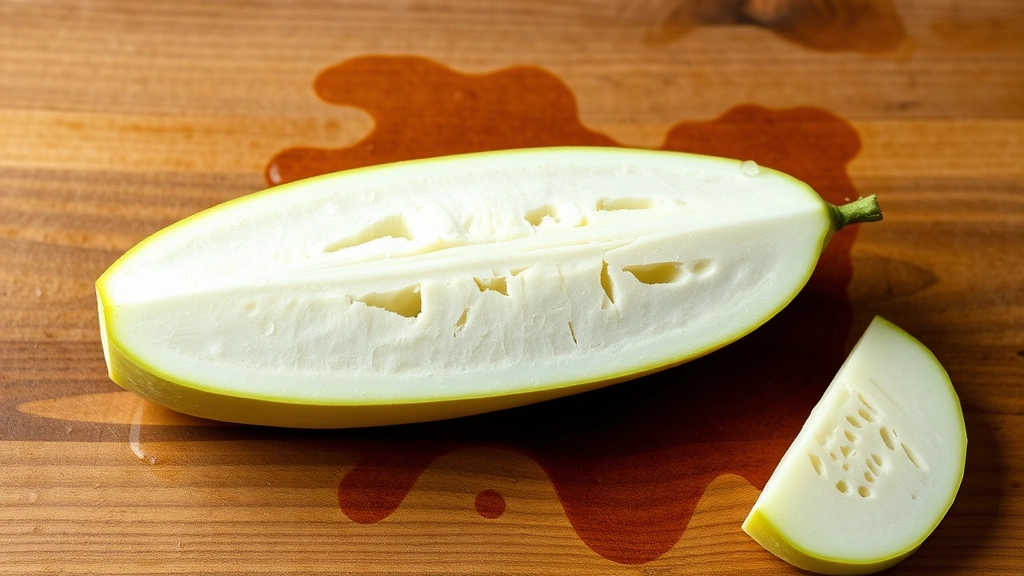
Can Dogs Eat Jicama? What Pet Experts Say
If you’ve ever wondered whether your furry friend can munch on jicama, you’re not alone! This crispy, slightly sweet root vegetable has been gaining popularity in kitchens across the country, and naturally, dog parents are curious about sharing it with their pups. The good news? Yes, dogs can eat jicama in moderation, and it might even become a crunchy favorite for your canine companion.
Jicama, also known as the Mexican yam bean or Mexican turnip, is a starchy root vegetable that’s packed with fiber, vitamins, and minerals. But before you start tossing jicama sticks to your pup like they’re gourmet treats, there’s plenty you should know about portion sizes, preparation methods, and potential health benefits. Let’s dig into what makes jicama safe—and sometimes questionable—for our four-legged friends.
In this comprehensive guide, we’ll explore everything from nutritional value to preparation tips, ensuring your dog can safely enjoy this crunchy vegetable without any tummy troubles.
Is Jicama Safe for Dogs?
The short answer is yes—jicama is generally safe for dogs to eat. Unlike some vegetables that can be toxic to our furry friends, jicama contains no known harmful compounds that would pose a threat to canine health. The ASPCA doesn’t list jicama as a toxic food for dogs, which is a solid starting point for any pet parent considering adding it to their dog’s diet.
However, “safe” doesn’t automatically mean “unlimited.” Like most human foods, jicama should be offered as an occasional treat rather than a dietary staple. The key to safely sharing jicama with your dog lies in understanding proper portions, preparation methods, and your individual dog’s digestive system. Some dogs handle new foods better than others, so introducing jicama gradually is essential.
When considering whether your dog can have jicama, it’s helpful to think about how it compares to other vegetables you might already be feeding. If you’re already comfortable with letting dogs eat vegetables, jicama fits into that same category as a healthy, low-calorie option.
Nutritional Benefits of Jicama
Jicama is surprisingly nutritious for both humans and dogs. This root vegetable is primarily composed of water and carbohydrates, making it incredibly low in calories—perfect for dogs watching their waistlines. Here’s what makes jicama nutritionally interesting:
- Fiber Content: Jicama is rich in dietary fiber, which supports healthy digestion and can help maintain regular bowel movements in dogs.
- Vitamin C: This root vegetable provides a decent dose of vitamin C, an antioxidant that supports immune function.
- Potassium: Essential for heart health and muscle function, potassium is present in jicama in meaningful quantities.
- Low Calorie: With only about 35-40 calories per 100 grams, jicama is an excellent low-calorie treat option.
- Inulin: A type of prebiotic fiber that may support beneficial gut bacteria growth.
The crunchy texture of jicama also provides a satisfying chewing experience, which can be beneficial for dental health and mental stimulation. Many dogs enjoy the texture and will happily munch on jicama sticks as a refreshing snack, especially during hot weather.

When comparing jicama to other root vegetables dogs can eat, it holds its own quite well. While carrots are often recommended for their dental benefits, jicama offers similar crunchy satisfaction with a slightly sweeter taste that some dogs prefer.
How to Prepare Jicama for Dogs
Preparation is absolutely critical when offering jicama to your dog. The good news? It’s incredibly simple. Follow these guidelines to ensure your pup gets a safe, delicious treat:
- Wash Thoroughly: Begin by rinsing the jicama under cool running water to remove any dirt or pesticide residue from the skin.
- Peel Completely: Remove the thick, brown outer skin entirely. The skin contains compounds that aren’t meant for canine consumption and can cause digestive upset. Use a vegetable peeler or knife to remove at least a quarter-inch of the outer layer.
- Remove the Core: Some jicama has a woody core in the center. Remove this completely, as it’s tough and poses a choking hazard.
- Cut into Appropriate Sizes: Chop the jicama into bite-sized pieces that match your dog’s size. Smaller dogs need smaller pieces, while larger breeds can handle bigger chunks.
- Serve Raw or Lightly Cooked: Dogs can enjoy jicama raw, which preserves all the nutrients and provides that satisfying crunch. You can also lightly steam it if your dog prefers softer vegetables, though this reduces some nutritional value.
- Never Add Seasonings: Serve plain jicama only. No salt, garlic, onions, or any other seasonings that could harm your dog.
Many pet parents find that frozen jicama sticks make excellent summer treats. Simply prepare the jicama as described above, cut into sticks, and freeze. These become refreshing popsicles that can help cool down an overheated pup during hot weather.
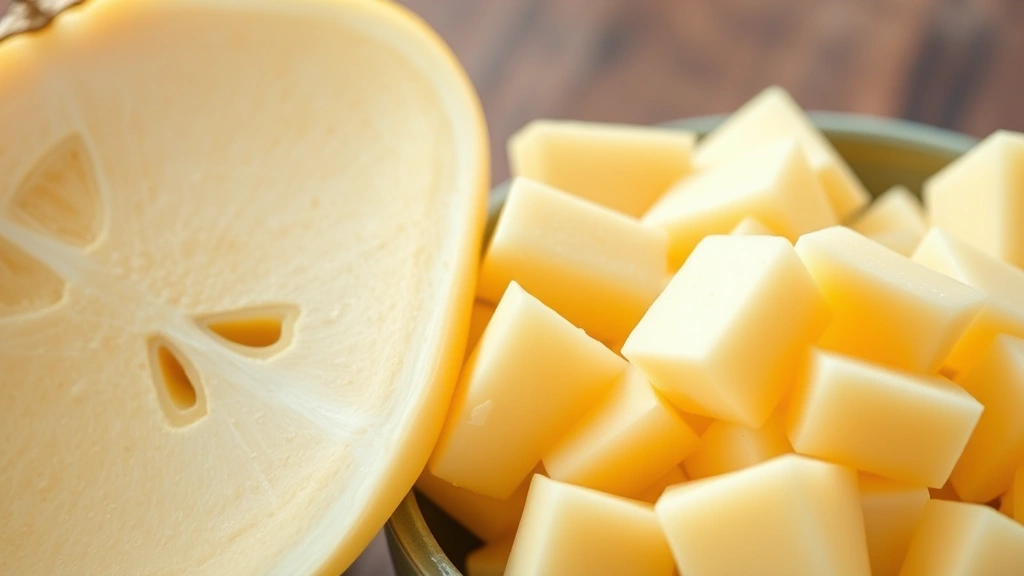
Recommended Portion Sizes
The appropriate amount of jicama depends on your dog’s size, age, and overall diet. Here’s a practical breakdown:
- Small Dogs (under 25 lbs): 1-2 small pieces or about 1 tablespoon of jicama, 2-3 times per week maximum.
- Medium Dogs (25-50 lbs): 2-3 small pieces or about 2-3 tablespoons, 2-3 times per week maximum.
- Large Dogs (50+ lbs): 3-4 pieces or about a quarter cup, 2-3 times per week maximum.
Remember that treats should never constitute more than 10% of your dog’s daily caloric intake. The remaining 90% should come from their regular, balanced dog food. If you’re giving your dog jicama regularly, you may need to adjust their regular food portions slightly to account for the extra calories.
When determining how much food to feed your dog, treats like jicama should be factored into the total daily caloric intake. This is especially important for dogs that are overweight or on a weight management program.
It’s wise to start with smaller portions when first introducing jicama to your dog’s diet. This allows their digestive system to adjust to the new food and helps you monitor for any adverse reactions.
Potential Health Concerns
While jicama is generally safe for dogs, there are several situations and considerations where caution is warranted:
Digestive Issues: Some dogs may experience mild gastrointestinal upset when first eating jicama, particularly if they have sensitive stomachs. Symptoms might include loose stools, gas, or mild diarrhea. This is usually temporary and resolves with limited portions and gradual introduction.
Choking Hazard: Large chunks of jicama can pose a choking risk, especially for enthusiastic eaters or dogs with a tendency to gulp their food without chewing. Always cut jicama into appropriately sized pieces for your individual dog.
High Carbohydrate Content: While not harmful for most dogs, jicama’s carbohydrate content means it shouldn’t be a primary vegetable source for diabetic dogs or those with blood sugar sensitivities. Consult your veterinarian if your dog has metabolic concerns.
Oxalates: Jicama contains oxalates, compounds that can interfere with calcium absorption in large quantities. For most dogs eating jicama occasionally, this isn’t a concern, but dogs with a history of kidney stones or calcium-related issues should avoid it.
If you notice your dog has an unusual interest in eating unusual items like dirt, understanding why dogs eat dirt might help you address underlying nutritional deficiencies before introducing new foods.
The leaves and vines of the jicama plant should never be given to dogs, as they contain toxic compounds that can cause serious illness. Only the root vegetable itself is safe for canine consumption.
Healthy Vegetable Alternatives
If your dog doesn’t seem interested in jicama or if you want to rotate treats for variety, there are plenty of other dog-safe vegetables to consider. Like sweet potatoes, which are safe for dogs, many vegetables offer excellent nutritional benefits.
Other safe vegetable options include:
- Carrots: The classic dog treat, carrots are crunchy, low-calorie, and naturally help clean teeth.
- Green Beans: Low in calories and high in fiber, green beans are excellent for weight management.
- Cucumbers: Hydrating and refreshing, cucumbers are perfect for hot days.
- Pumpkin: Rich in fiber and often recommended by veterinarians for digestive health.
- Broccoli: Nutritious but should be given in small amounts due to potential gas.
- Zucchini: Mild-flavored and easy to digest for most dogs.
- Watermelon: Hydrating summer treat (remove seeds and rind).
Variety is the spice of life, even for our canine companions! Rotating different vegetables keeps mealtime interesting and ensures your dog gets a diverse range of nutrients. The key is introducing any new food gradually and observing your dog’s response.
Frequently Asked Questions
Can puppies eat jicama?
Puppies can eat jicama in very small amounts, but it’s best to wait until they’re at least a few months old and have established a stable digestive system. Always consult your veterinarian before introducing new foods to puppies, as their nutritional needs are different from adult dogs.
Can senior dogs eat jicama?
Yes, senior dogs can enjoy jicama, and it may actually be beneficial for older pups. The low-calorie content makes it ideal for less active seniors, and the fiber can support digestive health. However, soften it slightly for seniors with dental issues or difficulty chewing.
What should I do if my dog eats jicama skin?
If your dog accidentally consumes jicama skin, don’t panic. While the skin isn’t ideal and contains compounds that may cause digestive upset, it’s not toxic. Monitor your dog for signs of gastrointestinal distress like vomiting or diarrhea. Contact your veterinarian if symptoms persist beyond 24 hours.
Can dogs eat cooked jicama?
Yes, dogs can eat cooked jicama, though cooking reduces some nutritional value. Lightly steaming jicama is fine, but avoid baking or frying it, especially with added oils or seasonings. Plain, cooked jicama is perfectly safe and may be easier for dogs with sensitive teeth.
How often can I give my dog jicama?
Jicama can be given 2-3 times per week as an occasional treat. Don’t make it a daily snack, as variety in treats is healthier and helps prevent digestive issues from too much of one food.
Are there any dog breeds that shouldn’t eat jicama?
Most dog breeds can safely eat jicama. However, dogs with specific health conditions—such as diabetes, kidney disease, or a history of digestive issues—should only have jicama under veterinary supervision. Always consult your vet if your dog has pre-existing health conditions.
Can jicama cause allergies in dogs?
True allergies to jicama are rare in dogs, but individual sensitivities can occur. If your dog shows signs of an allergic reaction—such as itching, swelling, or difficulty breathing—after eating jicama, discontinue immediately and contact your veterinarian. Most reactions are mild digestive upset rather than true allergies.
Is raw or cooked jicama better for dogs?
Raw jicama is generally better for dogs because it retains all nutrients and provides satisfying crunchiness. However, some dogs with sensitive digestive systems may tolerate lightly cooked jicama better. Start with raw and adjust based on your dog’s individual response.





