

Can Dogs Eat Peppercorn? The Complete Safety Guide
So you’re cooking dinner, and your golden retriever gives you those irresistible puppy-dog eyes while you’re reaching for the pepper grinder. We get it—sharing food with our furry friends feels like an act of love. But before you sprinkle that peppercorn seasoning onto Fido’s dinner bowl, let’s talk about whether this common kitchen staple is actually safe for your canine companion.
Peppercorns are a fundamental ingredient in kitchens worldwide, but what’s delicious and harmless for humans isn’t always the same for dogs. The good news? We’ve got answers. The better news? Understanding what your dog can and can’t eat is one of the best ways to keep them healthy and thriving for years to come.
In this comprehensive guide, we’re diving deep into everything you need to know about peppercorns and your pup. Whether you’re wondering about whether dogs can have black pepper or curious about other seasonings, we’ll help you make informed decisions about your dog’s diet.
Are Peppercorns Safe for Dogs?
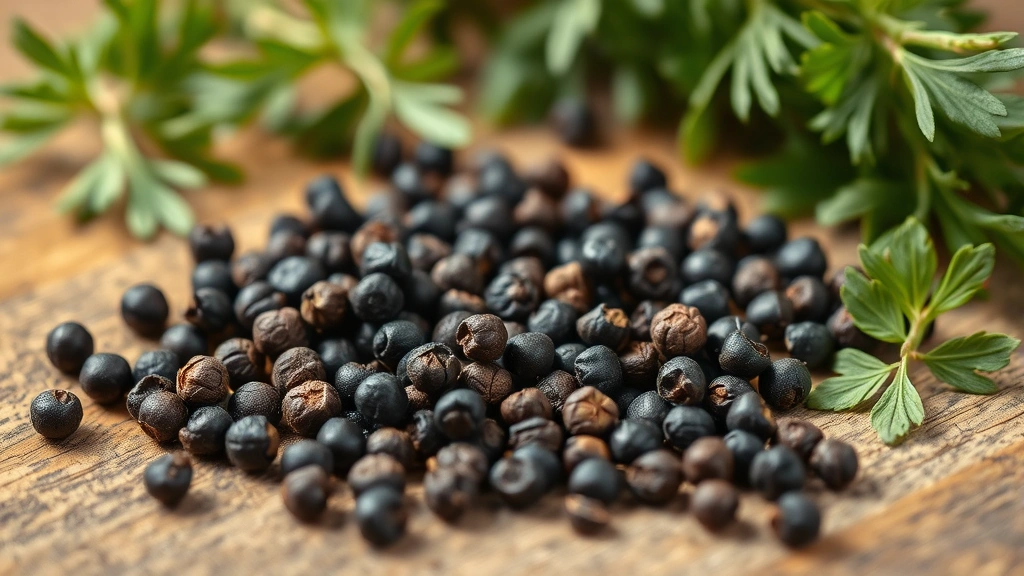
The short answer: peppercorns are not toxic to dogs in small quantities, but they’re not recommended. While a single peppercorn won’t likely cause serious harm, regularly feeding peppercorns to your dog or giving them large amounts can lead to digestive upset and discomfort.
According to the ASPCA’s Animal Poison Control Center, peppercorns aren’t listed as toxic, which technically means they won’t poison your dog. However, that doesn’t mean they’re a good idea to include in your pup’s diet. There’s a significant difference between something being non-toxic and something being safe or beneficial.
The primary concern with peppercorns is their potential to irritate your dog’s digestive system. Dogs have more sensitive gastrointestinal tracts than humans, and the compounds in peppercorns—particularly piperine—can cause inflammation and discomfort. When you’re exploring what dogs can eat regarding black pepper, it’s important to understand this distinction.
Additionally, peppercorns are often used as part of seasoning blends that may contain ingredients that are toxic to dogs, like garlic or onion powder. Always check the ingredient list before assuming a seasoned food is safe.
Why Peppercorns Can Be Problematic for Your Dog
Understanding the specific reasons peppercorns aren’t ideal for dogs helps you make better choices about what goes into your pup’s food bowl. Let’s break down the science behind why these little spicy spheres should stay off your dog’s menu.
Digestive Irritation
The main active compound in peppercorns is piperine, which gives pepper its characteristic spicy kick. While humans have evolved to enjoy and tolerate this sensation, dogs haven’t. Their digestive systems are designed to process whole foods, not spicy seasonings. When piperine irritates a dog’s stomach lining and intestines, it can cause:
- Vomiting
- Diarrhea
- Abdominal pain
- Loss of appetite
- Excessive drooling
Respiratory Issues
Beyond digestion, inhaling powdered pepper or pepper dust can irritate a dog’s respiratory system. If you’ve ever sneezed when someone used a pepper grinder nearby, imagine how that feels to a dog with a more sensitive respiratory tract. Ground black pepper is particularly problematic in this regard.
Risk of Aspiration
Whole peppercorns present a choking hazard for smaller dogs. Even medium-sized dogs might have trouble swallowing them, and they could potentially lodge in the throat or esophagus, requiring veterinary intervention.
Underlying Health Conditions
Dogs with existing gastrointestinal issues, pancreatitis, or sensitive stomachs are at higher risk of experiencing problems from peppercorns. If your dog has any digestive health concerns, it’s even more important to avoid spicy seasonings entirely.
Signs Your Dog Ate Peppercorn: What to Watch For
If your dog has managed to snag some peppercorn-seasoned food or accidentally ingested pepper, knowing what symptoms to watch for is crucial. Most dogs will show signs within a few hours of consumption.
Immediate Signs
Watch for these symptoms in the hours following peppercorn ingestion:
- Excessive sneezing or coughing: Usually occurs if pepper dust was inhaled
- Drooling more than usual: Indicates oral or throat irritation
- Pawing at the mouth: Your dog is trying to relieve discomfort
- Difficulty swallowing: Could indicate choking or esophageal irritation
- Wheezing or labored breathing: Respiratory irritation
Delayed Signs (Within 12-24 Hours)
These symptoms typically develop after the peppercorn has moved through the digestive tract:
- Vomiting: Often the first sign of digestive upset
- Diarrhea: May be loose or contain mucus
- Abdominal pain: Your dog may be reluctant to move, adopt a prayer position, or whine
- Loss of appetite: Discomfort makes eating unappealing
- Lethargy: Your dog seems tired or withdrawn
Most cases of peppercorn ingestion cause mild to moderate symptoms that resolve within 24-48 hours without treatment. However, if symptoms persist or worsen, veterinary attention is necessary.
Safe Seasoning Alternatives for Dogs
The great news? There are plenty of dog-friendly ways to make your pup’s meals more interesting and flavorful without resorting to peppercorns or other irritating spices. Before you start seasoning your dog’s food, check out our guide on what seasonings dogs can safely have.
Herbs and Spices That Are Generally Safe
When exploring what spices are good for dogs, you’ll find several options that add flavor without irritation:
- Turmeric: Contains curcumin, which has anti-inflammatory properties. Use in moderation
- Parsley: Fresh parsley can freshen breath and is safe in small amounts
- Basil: A small amount of fresh basil is non-toxic and adds flavor
- Oregano: In very small quantities, oregano is safe for dogs
- Thyme: Another herb that’s safe in minimal amounts
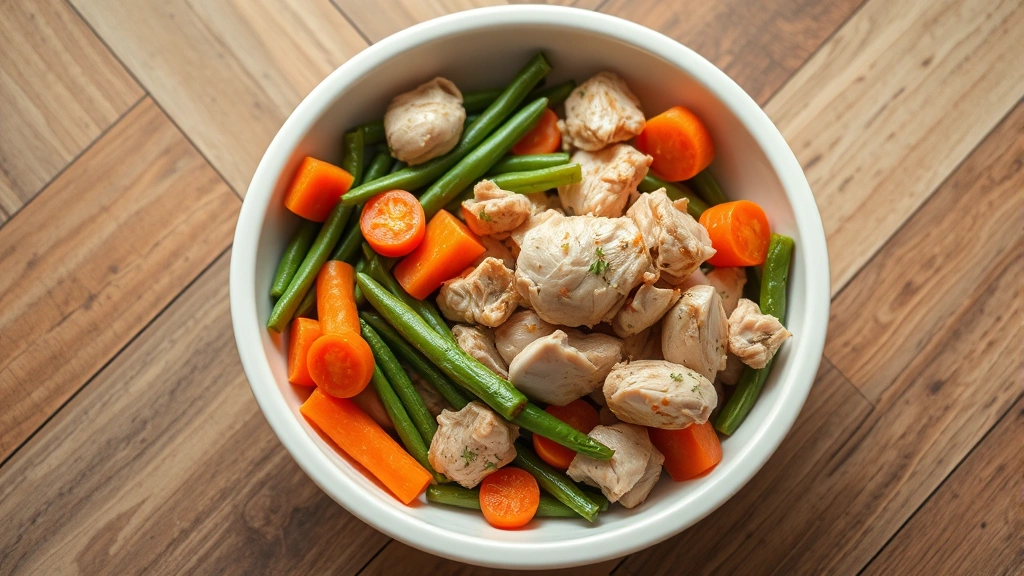
- Carrots: Add natural sweetness and texture without any seasoning
- Pumpkin: Adds flavor and aids digestion
- Sweet potato: Naturally sweet and nutritious
- Green beans: Plain, unsalted green beans add variety
What About Cinnamon and Ginger?
If you’re curious about other common kitchen seasonings, you might wonder if cinnamon is good for dogs. In small amounts, cinnamon is generally safe and can even have some benefits. Similarly, dogs can eat ginger in moderation, and it may help with nausea and inflammation.
The Best Approach to Dog Nutrition
The safest way to season your dog’s food is honestly not to season it at all. High-quality commercial dog food and plain, whole foods like chicken, beef, fish, and vegetables provide all the flavor and nutrition your dog needs. If you want to make homemade dog food, consult with a veterinary nutritionist to ensure you’re providing balanced nutrition without unnecessary additives.
Other Spices to Avoid Giving Your Dog
While we’re discussing peppercorns, it’s worth mentioning other common kitchen seasonings that are actually dangerous for dogs. Understanding the full landscape of what to keep away from your pup is essential for their safety.
Highly Toxic Spices and Seasonings
- Garlic powder: Garlic is toxic to dogs and damages their red blood cells
- Onion powder: Like garlic, onions are toxic to dogs
- Nutmeg: Can cause neurological issues in dogs
- Xylitol-containing seasonings: Xylitol is extremely toxic to dogs, even in small amounts
- Salt: Excessive salt can lead to sodium toxicity
- Chili powder: The capsaicin can irritate the digestive system severely
Moderately Problematic Seasonings
- Paprika: Can cause stomach upset
- Cayenne pepper: Similar irritation to black pepper but more intense
- Wasabi: Extremely irritating to the digestive and respiratory systems
- Mustard: Can cause gastrointestinal upset
The rule of thumb: if a seasoning is spicy, pungent, or heavily processed, it’s probably not appropriate for your dog. When in doubt, stick with plain, whole foods.
What to Do If Your Dog Eats Peppercorn
Despite your best efforts, accidents happen. Maybe your dog snatched some seasoned food off the counter, or someone didn’t know better and shared their spicy meal. Here’s what you should do:
Immediate Steps (First 30 Minutes)
- Stay calm: Your dog will pick up on your anxiety, which won’t help the situation
- Remove access: Ensure your dog can’t eat any more of the pepper-containing food
- Identify what was eaten: Determine exactly what your dog consumed. Was it pure peppercorn, or was it part of a seasoning blend?
- Estimate the amount: How much did your dog actually ingest? A few specks is very different from a handful
- Check for choking: Ensure your dog is breathing normally and can swallow
Monitoring Period (Next 24-48 Hours)
Keep a close eye on your dog for any of the symptoms we discussed earlier. Document any changes in behavior, appetite, or bathroom habits. Most cases resolve on their own, but tracking information helps your vet if professional care becomes necessary.
When to Call the Vet
Contact your veterinarian immediately if:
- Your dog is having difficulty breathing or wheezing persistently
- Your dog is choking or unable to swallow
- Vomiting or diarrhea is severe or doesn’t improve within 24 hours
- Your dog shows signs of extreme abdominal pain
- Your dog is lethargic and unresponsive
- You suspect your dog ate a seasoning blend containing garlic, onion, or other toxic ingredients
- Your dog has a pre-existing health condition affecting the digestive or respiratory system
When to Contact Poison Control
If you’re unsure whether the seasoning blend contained toxic ingredients like garlic or onion powder, contact the ASPCA Animal Poison Control Center at (888) 426-4435. They can provide immediate guidance based on the specific ingredients involved. Note that they may charge a consultation fee.
Treatment Options
If your dog requires veterinary care, treatment is typically supportive and symptomatic. Your vet might recommend:
- Activated charcoal (if administered early enough)
- IV fluids for hydration
- Anti-nausea medications
- Digestive protectants
- A bland diet for several days (plain chicken and rice)
- Monitoring for complications
The good news is that peppercorn ingestion rarely requires intensive treatment. Most dogs recover completely with time and supportive care.
Frequently Asked Questions
Can dogs have ground black pepper?
Ground black pepper is even more problematic than whole peppercorns because it’s easier to inhale and irritate the respiratory system. The fine powder can cause sneezing, coughing, and respiratory irritation. Avoid ground pepper entirely when feeding your dog.
What if my dog ate a small amount of pepper from seasoned food?
If your dog ate only a small amount of pepper as part of a larger meal, the risk is minimal. Monitor your dog for any signs of digestive upset over the next 24 hours. As long as the seasoned food didn’t contain toxic ingredients like garlic or onion, your dog will likely be fine.
Is white pepper safer than black pepper for dogs?
White pepper is essentially just black pepper with the outer hull removed. It contains the same active compound, piperine, and poses the same risks to dogs. There’s no meaningful difference in safety between white and black pepper.
Can puppies eat peppercorn?
Puppies should definitely avoid peppercorns. Their digestive systems are even more sensitive than adult dogs’, and they’re more prone to choking hazards. Stick with age-appropriate puppy food and plain, whole foods.
My dog has pancreatitis—is pepper especially dangerous?
Yes. Dogs with pancreatitis have extremely sensitive digestive systems, and spicy seasonings like pepper can trigger flare-ups. If your dog has pancreatitis or any digestive condition, avoid all seasonings and stick to a veterinarian-prescribed diet.
Can I give my dog pepper to help with digestion?
No. While some people believe pepper aids digestion in humans, it can actually irritate a dog’s digestive system. If your dog has digestive issues, work with your veterinarian on appropriate solutions. Options might include dietary changes recommended by the AKC or probiotic supplements.
What about pink or red peppercorns?
Pink and red peppercorns come from different plants than black pepper. While they’re less spicy, they can still irritate a dog’s digestive system and should be avoided. Stick with plain, unseasoned food for your pup.
Is there any nutritional benefit to feeding dogs peppercorn?
None that outweighs the risks. While peppercorns do contain some antioxidants and minerals, the amount a dog would need to consume for health benefits would far exceed what’s safe for their digestive system. Dogs get all the nutrients they need from complete and balanced commercial dog food or well-planned homemade diets.
My dog ate something with peppercorn—how long until they’re normal?
Most dogs recover completely within 24-48 hours. If symptoms persist beyond 48 hours, that’s when you should definitely call your vet. Some dogs may have lingering mild diarrhea for up to a week, but severe or worsening symptoms warrant professional attention.





