
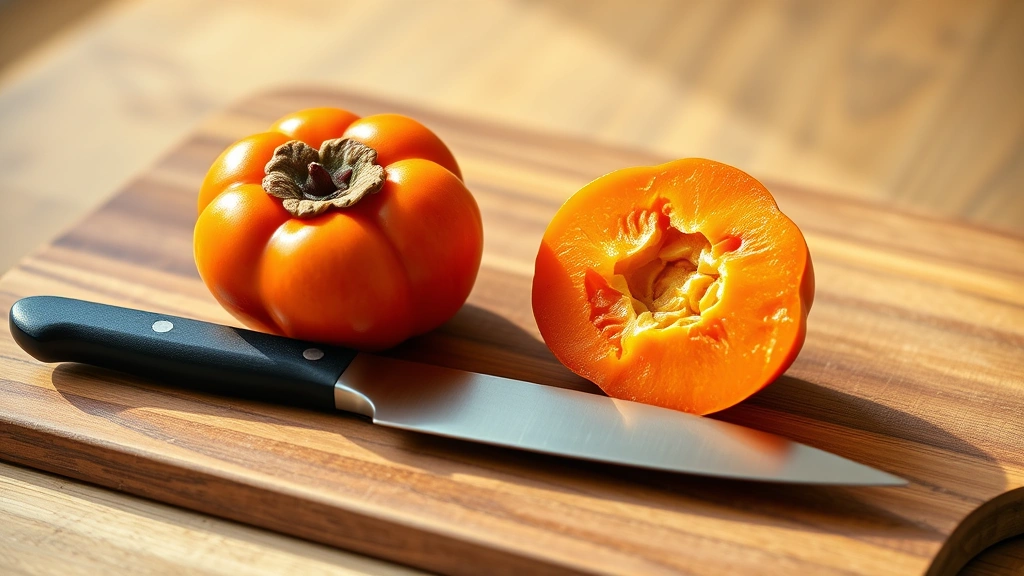
Can Dogs Have Persimmons? Safety Tips for Pet Owners
Picture this: you’re enjoying a juicy persimmon on a crisp autumn afternoon, and your furry best friend is giving you those irresistible puppy-dog eyes from across the room. It’s a scenario countless dog owners face when snacking on seasonal fruits, but before you share a bite, you need the real scoop on whether persimmons are safe for your canine companion.
The good news? Yes, dogs can have persimmons—but with some important caveats. Like many human foods, persimmons come with both benefits and potential hazards when it comes to our four-legged friends. Understanding how to safely introduce this fruit to your dog’s diet can help you make informed decisions about their nutrition and keep them happy and healthy.
In this comprehensive guide, we’ll explore everything you need to know about persimmons and dogs, from nutritional benefits to preparation methods and potential risks. Whether you’re a first-time dog owner or a seasoned pet parent, this information will help you navigate the world of canine nutrition with confidence.
Are Persimmons Safe for Dogs?
The short answer is yes—persimmons are generally safe for dogs when prepared correctly and given in moderation. However, the devil is in the details. Not all persimmons are created equal, and certain parts of the fruit pose more of a risk than others.
Persimmons contain no toxic compounds that would immediately poison your dog. According to the ASPCA Animal Poison Control Center, persimmons themselves aren’t listed among fruits that are dangerous to dogs. This is encouraging news for dog owners who want to share seasonal treats with their pets.
The real concern lies in how you prepare the fruit and what parts your dog actually consumes. The flesh of a ripe persimmon is perfectly fine, but seeds and the skin can create complications. Additionally, unripe persimmons have a high tannin content that can cause gastrointestinal distress, making the ripeness of the fruit critically important.
If you’re wondering about other seasonal fruits, you might also be curious about whether dogs can eat apricots, which share similar characteristics with persimmons in terms of preparation requirements.
Nutritional Benefits of Persimmons
Beyond being safe, persimmons actually offer some legitimate nutritional benefits for your canine companion. These vibrant orange fruits are packed with vitamins and minerals that can contribute to your dog’s overall health when given appropriately.
Vitamin C is one of the primary nutrients found in persimmons. While dogs can synthesize their own vitamin C, supplemental amounts from whole foods can support immune function and help reduce inflammation in aging dogs. This is particularly beneficial for senior pups who might benefit from extra immune support.
Persimmons are also rich in dietary fiber, which promotes healthy digestion. For dogs with sluggish digestive systems, a small amount of persimmon flesh can help encourage regular bowel movements. However, the fiber content is precisely why moderation is essential—too much fiber can have the opposite effect and cause digestive upset.
The fruit contains beta-carotene, a powerful antioxidant that converts to vitamin A in the body. This nutrient supports eye health, skin quality, and immune function. The orange color of persimmons is actually a visual indicator of this beneficial compound’s presence.
Additionally, persimmons contain manganese, a mineral that plays a crucial role in bone development and metabolism. While your dog should get most of these nutrients from their regular diet, persimmons can serve as a supplementary source of these beneficial compounds.

How to Prepare Persimmons for Dogs
Preparation is absolutely critical when it comes to sharing persimmons with your dog. The difference between a safe treat and a potential health hazard often comes down to how you prepare the fruit.
Step 1: Choose Ripe Persimmons – This is non-negotiable. Unripe persimmons contain high levels of tannins, which can cause severe constipation and gastrointestinal upset in dogs. A ripe persimmon should yield slightly to gentle pressure and have a deep orange color. If it feels hard or is still somewhat green, wait a few days before offering it to your pup.
Step 2: Remove All Seeds – Every single seed must go. Persimmon seeds can cause intestinal blockages, particularly in smaller dog breeds. Take the time to carefully remove all seeds, cutting the fruit open lengthwise to ensure you haven’t missed any hidden ones.
Step 3: Eliminate the Skin and Stem – While the skin isn’t toxic, it can be difficult to digest and poses a choking hazard. Remove the entire skin and the stem completely. You want to offer only the soft, seedless flesh to your dog.
Step 4: Cut Into Appropriate Sizes – Depending on your dog’s size, cut the persimmon flesh into small, manageable pieces. For small breeds, think pea-sized to chickpea-sized pieces. For larger dogs, you can go slightly bigger, but always err on the side of caution to prevent choking.
Step 5: Introduce Gradually – The first time you offer persimmon to your dog, give only a tiny piece and monitor them for the next 24 hours. Look for any signs of digestive upset before offering more.
If you’re looking for other fruit options to complement your dog’s diet, you might explore whether dogs can have papaya, which offers similar nutritional benefits with different preparation considerations.

Potential Risks and Concerns
While persimmons can be a healthy treat, several risks merit serious attention from responsible dog owners.
Intestinal Blockage is the most serious concern. Persimmon seeds can lodge in your dog’s intestines, creating a partial or complete blockage. This is a veterinary emergency that may require surgery. Symptoms include vomiting, loss of appetite, abdominal pain, and lethargy. This risk is why meticulous seed removal is absolutely essential.
Gastrointestinal Upset can occur from multiple causes. Unripe persimmons with their high tannin content are the primary culprit, but even ripe persimmons can cause diarrhea or constipation if given in excessive quantities. The fiber content, while generally beneficial, can be problematic in large amounts.
Choking Hazard shouldn’t be overlooked. The texture of persimmon flesh can be sticky and thick, and for dogs who don’t chew thoroughly before swallowing, it could potentially lodge in the throat. This is why proper sizing is crucial.
Sugar Content is another consideration. Persimmons are relatively high in natural sugars, making them inappropriate for dogs with diabetes or those prone to weight gain. Even for healthy dogs, the sugar content means persimmons should be an occasional treat, not a dietary staple.
If your dog accidentally consumes too much persimmon or experiences digestive issues afterward, you might find it helpful to learn about what to feed a dog with diarrhea to help their system recover.
Dogs with sensitive stomachs are particularly vulnerable to persimmon-related upset. If your dog has a history of dietary sensitivities or gastrointestinal issues, consult your veterinarian before introducing persimmons.
Portion Guidelines and Frequency
Knowing how much persimmon is safe requires understanding the “10% rule” that veterinarians often recommend for treats.
The 10% Rule Explained – Treats, including fruits, should comprise no more than 10% of your dog’s daily caloric intake. The remaining 90% should come from their regular, balanced dog food. This ensures your dog receives complete and balanced nutrition while still enjoying the occasional special treat.
For a typical 50-pound dog consuming approximately 1,000 calories daily, treats should total around 100 calories. A cup of persimmon flesh contains roughly 118 calories, so a small portion (about 2-3 tablespoons) would fit comfortably within this guideline.
Small Dogs (Under 20 pounds) – Limit persimmon offerings to 1-2 small pieces, no more than once per week. Their smaller digestive systems are more sensitive to changes in diet.
Medium Dogs (20-50 pounds) – Can safely enjoy 2-3 tablespoons of persimmon flesh, once or twice per week at most.
Large Dogs (Over 50 pounds) – May tolerate up to ¼ cup of properly prepared persimmon, though frequency should still remain limited to once or twice weekly.
Frequency matters as much as quantity. Persimmons should be an occasional treat, not something your dog enjoys daily. Rotating between different safe fruits and treats helps ensure dietary variety and prevents your dog from becoming dependent on a single food source.
For other fruit options with different nutritional profiles and preparation methods, consider exploring whether dogs can eat dates, which have unique considerations compared to persimmons.
Similar Fruits You Can Share
If your dog enjoys persimmons, they might also appreciate other dog-safe fruits that offer similar nutritional benefits. Understanding your options helps you create variety in your dog’s treat rotation.
Apples are an excellent alternative, offering fiber and vitamin C. Always remove seeds (which contain cyanide in small amounts) and cut into appropriate sizes. Many dogs love the crisp texture and natural sweetness.
Pumpkin is another fantastic option, particularly beneficial for dogs with digestive issues. Dogs can eat pumpkin in various forms—fresh, canned (unsweetened), or as a supplement—making it incredibly versatile for dietary inclusion.
Blueberries are nutritional powerhouses, packed with antioxidants and requiring minimal preparation. Their small size makes them perfect for training treats or simple snacking.
Watermelon is hydrating and low in calories, making it perfect for hot summer days. Remove all seeds and rind before offering.
Bananas provide potassium and B vitamins, though their higher sugar content means they should be given sparingly, particularly to weight-conscious pups.
Each of these fruits offers unique nutritional profiles, so rotating between them ensures your dog receives diverse nutritional benefits while keeping treat time exciting and engaging.
Signs Your Dog Has Eaten Too Much
Despite your best intentions, accidents happen. Knowing the warning signs that your dog has consumed too much persimmon—or the wrong type—helps you respond quickly.
Digestive Distress Symptoms are the most common indicators. Watch for vomiting, diarrhea, constipation, or abdominal discomfort. These symptoms typically appear within 6-24 hours of consumption. Mild cases often resolve on their own with rest and plenty of water.
Behavioral Changes can signal distress. If your normally active dog becomes lethargic, refuses food, or seems uncomfortable, something may be wrong. Dogs experiencing gastrointestinal upset often adopt a hunched posture or repeatedly try to defecate without success.
Loss of Appetite is never normal and warrants attention, especially if accompanied by other symptoms. A dog refusing their regular meals suggests something has disrupted their digestive system.
Straining or Constipation is particularly concerning with persimmons, especially if unripe fruit was consumed. If your dog is straining to defecate without producing results, or if they haven’t had a bowel movement for more than 24 hours, contact your veterinarian.
Respiratory Distress or Choking Signs require immediate emergency care. If your dog is coughing, gagging, drooling excessively, or having difficulty breathing, this could indicate a blockage or choking situation.
When in doubt, contact your veterinarian. They can assess your dog’s symptoms and determine whether observation at home is appropriate or if professional intervention is necessary. The American Kennel Club provides guidance on toxic foods and can help you determine if your situation requires urgent care.
Frequently Asked Questions
Can puppies eat persimmons?
Puppies have more sensitive digestive systems than adult dogs, so persimmons should be avoided until puppies are at least 6-8 months old. Even then, introduce them very gradually and in tiny portions. Always consult your veterinarian before introducing new foods to puppies, as their nutritional needs are specialized.
What about dried persimmons?
Dried persimmons are generally not recommended for dogs. The drying process concentrates sugars, making them much higher in calories and sugar per ounce compared to fresh persimmons. Additionally, dried persimmons can be choking hazards and may stick to teeth. Stick with fresh, properly prepared persimmons instead.
Can dogs eat persimmon leaves or bark?
No, dogs should not consume persimmon leaves, bark, or branches. While not acutely toxic, these parts are indigestible and could cause blockages. Keep your dog away from persimmon trees and ensure they can’t chew on fallen branches.
Are Japanese persimmons different from American persimmons for dogs?
Both varieties are safe when ripe and properly prepared. Japanese persimmons (Fuyu variety) tend to be fleshier and have fewer seeds, making them slightly easier to prepare safely. American persimmons are smaller and have more seeds. Regardless of variety, the same preparation rules apply.
What should I do if my dog swallowed a persimmon seed?
One or two seeds are unlikely to cause problems in most dogs, especially larger breeds. However, monitor your dog closely for signs of blockage (vomiting, constipation, abdominal pain, lethargy) over the next 48-72 hours. If you suspect multiple seeds were consumed or your dog shows any concerning symptoms, contact your veterinarian immediately.
Can dogs with diabetes eat persimmons?
Dogs with diabetes should avoid persimmons due to their sugar content. The natural sugars in persimmons can cause blood sugar spikes, complicating diabetes management. Always consult your veterinarian about appropriate treats for diabetic dogs.
Are there any breeds that shouldn’t eat persimmons?
Small breeds and brachycephalic breeds (flat-faced dogs like Bulldogs and Pugs) face higher risks due to choking hazards and their smaller digestive tracts. Additionally, dogs with sensitive stomachs or a history of gastrointestinal blockages should avoid persimmons entirely.
Can I give my dog persimmon juice?
Persimmon juice is not recommended. Juice removes the fiber and concentrates the sugars, making it less nutritious and potentially problematic for blood sugar levels. Additionally, commercial persimmon juice may contain added sugars or preservatives inappropriate for dogs. Stick with small pieces of fresh, whole persimmon flesh.





