
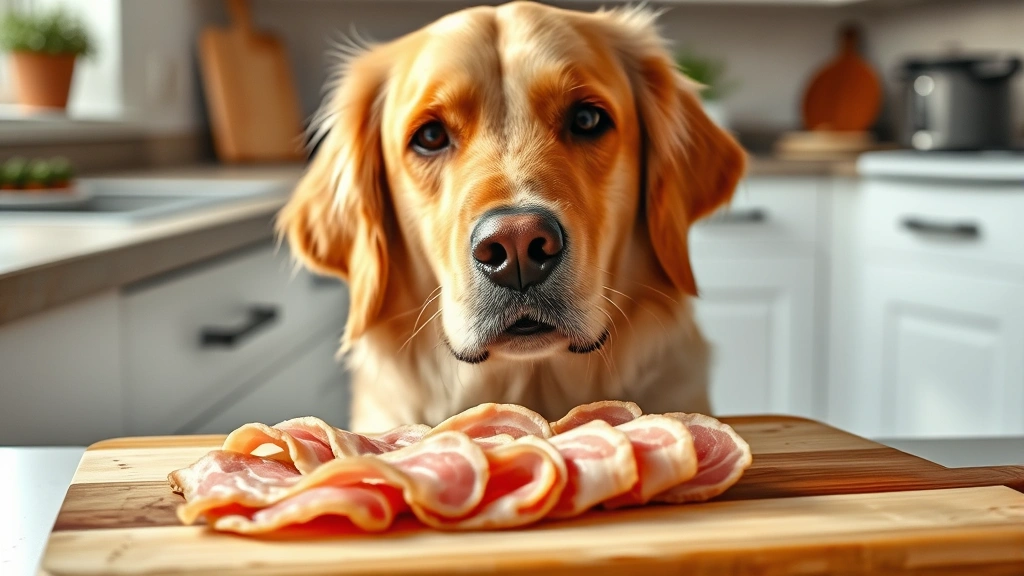
Can Dogs Eat Raw Bacon? What Experts Recommend
Your pup’s eyes light up the moment you crack open that package of bacon. The sizzle, the aroma, the promise of crispy deliciousness—it’s enough to make any dog (and honestly, most humans) weak in the knees. But here’s the million-dollar question that’s probably keeping you up at night: can dogs have raw bacon? The answer isn’t as straightforward as you might hope, and there’s definitely more to this meaty mystery than meets the eye.
Raw bacon has become increasingly popular in certain pet nutrition circles, with some advocates claiming it’s a natural, ancestral way to feed our furry friends. However, veterinarians and pet nutrition experts have some serious concerns about serving uncooked bacon to your canine companion. Before you toss that strip of raw pork to your eager pup, let’s dig into what the science actually says and what your dog’s health really needs.
In this comprehensive guide, we’ll explore the risks, the benefits (if any), and the expert recommendations for handling bacon in your dog’s diet. Whether you’re a raw feeding enthusiast or simply curious about what’s safe for your four-legged friend, you’ll find evidence-based answers right here.
Raw Bacon Basics: What You Need to Know
Before we dive into whether raw bacon is safe for dogs, let’s establish what we’re actually talking about. Raw bacon is uncooked pork belly that’s been cured with salt and nitrates or nitrites as preservatives. Unlike cooked bacon, which undergoes heat treatment that kills most pathogens, raw bacon retains all of its original microbiological profile—both the good and the very, very bad.
The curing process itself doesn’t eliminate all harmful bacteria. While salt does provide some preservation benefits, it doesn’t sterilize the meat. This is why raw bacon represents a unique food safety challenge. When we talk about whether dogs can eat bacon, we’re typically discussing cooked versions. Raw bacon introduces an entirely different set of considerations.
Many pet owners who follow raw feeding diets—sometimes called BARF (Biologically Appropriate Raw Food)—believe that raw meat is more natural for dogs. After all, wild canines eat raw prey. However, there’s a crucial difference: wild animals have different digestive systems adapted to their environment, and farm-raised pork is vastly different from wild game. Modern commercial pork production introduces variables that simply don’t exist in nature.
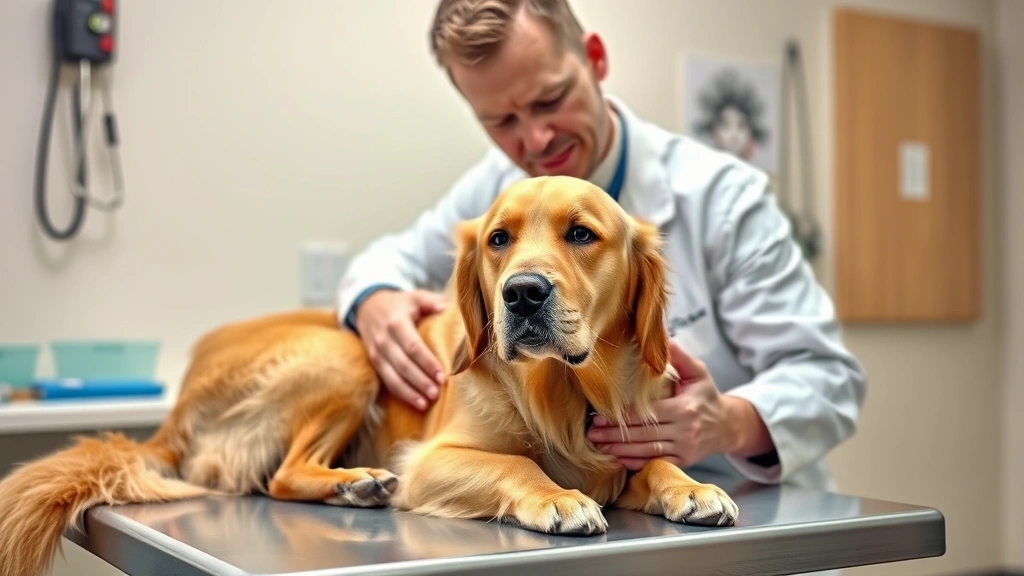
Health Risks of Raw Bacon for Dogs
The health risks associated with raw bacon for dogs are significant and shouldn’t be taken lightly. While your dog’s stomach acid is indeed more powerful than a human’s, it’s not a magical shield against all pathogens. Dogs can absolutely contract foodborne illnesses from contaminated raw meat products.
One of the primary concerns is trichinellosis, a parasitic infection caused by Trichinella spiralis. This parasite can cause severe muscle inflammation, fever, and gastrointestinal distress in dogs. Although trichinellosis is less common in commercial pork than it once was, the risk still exists, particularly with raw products. Infected dogs may experience lethargy, muscle pain, and in severe cases, neurological symptoms.
Another significant concern is salmonellosis. Salmonella bacteria can colonize raw pork products and cause severe intestinal infections in dogs. Symptoms include diarrhea (sometimes bloody), vomiting, fever, and abdominal pain. While healthy adult dogs may recover, puppies, senior dogs, and immunocompromised pets face much greater risks from salmonella exposure.
Additionally, raw bacon contains high levels of sodium and fat. Even though we’re discussing raw rather than cooked bacon, the salt content remains problematic. Excessive sodium intake can lead to hypernatremia (elevated blood sodium levels), which causes thirst, lethargy, and in severe cases, seizures and kidney damage. The high fat content poses its own risks, potentially triggering pancreatitis—a painful and potentially life-threatening inflammatory condition of the pancreas.
Bacterial Contamination and Foodborne Illness
Let’s talk specifics about bacterial contamination because this is where raw bacon really becomes problematic. Commercial pork processing, while regulated, cannot guarantee 100% pathogen elimination in raw products. Studies have consistently found that raw pork products carry higher contamination rates than cooked alternatives.
The most concerning bacteria found in raw pork include:
- E. coli: Can cause severe gastrointestinal disease and systemic illness
- Listeria monocytogenes: Particularly dangerous for puppies and senior dogs
- Staphylococcus aureus: Produces toxins that cause rapid-onset vomiting and diarrhea
- Campylobacter jejuni: A leading cause of bacterial gastroenteritis in dogs
When your dog ingests contaminated raw bacon, these bacteria multiply rapidly in the intestinal tract. The symptoms can appear within hours or take several days to manifest. During this time, your dog sheds bacteria through their feces, creating a contamination risk for your entire household—including other pets and human family members.
This is particularly concerning if you have immunocompromised family members, elderly relatives, or young children in your home. Cross-contamination can occur through shared surfaces, water bowls, or even petting your dog after they’ve eaten contaminated food.
According to the FDA’s guidance on raw pet food diets, raw meat products carry significantly higher risks of pathogenic contamination than processed alternatives. The agency has documented multiple disease outbreaks linked to raw pet food, with some resulting in severe illness and death.
Nutritional Value: Does Raw Bacon Offer Benefits?
One argument raw feeding advocates make is that raw bacon provides superior nutritional value compared to cooked bacon. They claim that heat processing destroys certain nutrients and enzymes. Let’s examine this claim with evidence-based perspective.
Raw bacon does contain slightly higher levels of certain B vitamins compared to cooked bacon, as heat does cause some nutrient degradation. However, the nutritional benefit is minimal and doesn’t outweigh the safety risks. Additionally, bacon—whether raw or cooked—shouldn’t be a primary protein source in your dog’s diet anyway.
Bacon is extremely high in fat and sodium, making it a poor nutritional choice for dogs. If your goal is to provide raw protein for your dog, there are far better options. Dogs can eat ground beef in controlled portions, and raw steak presents fewer contamination concerns than processed pork products (though it still carries risks that responsible raw feeders should understand).
The American Animal Hospital Association (AAHA) and the Association of American Feed Control Officials (AAFCO) both recommend against raw meat diets for pets due to safety concerns. These organizations have reviewed extensive research and concluded that the risks outweigh any potential nutritional benefits.
What Veterinary Experts Recommend
When it comes to professional recommendations, the consensus among veterinary organizations is clear: raw bacon is not recommended for dogs. The American Veterinary Medical Association (AVMA) specifically cautions against raw or undercooked meat products for pets, citing documented cases of serious illness.
Dr. Jennifer Larson, a board-certified veterinary nutritionist, emphasizes that while dogs have strong stomach acid, this doesn’t make them immune to foodborne pathogens. “Dogs can absolutely get sick from contaminated raw meat,” she explains. “We see cases of salmonellosis and other bacterial infections from raw diets regularly in veterinary practice.”
The ASPCA specifically lists bacon as a food to avoid or limit for dogs, with particular emphasis on the sodium and fat content. Their recommendation applies to both cooked and raw bacon.
If you’re interested in providing bacon for your dog and whether it’s truly bad, the professional recommendation is to limit it to occasional, small amounts of fully cooked, low-sodium bacon as a treat—never raw.
Veterinarians also recommend that if you do feed your dog bacon occasionally, it should be:
- Fully cooked to eliminate pathogens
- Cooled completely before serving
- Cut into small pieces to prevent choking
- Given infrequently (not as a regular treat)
- Part of a balanced diet where bacon doesn’t exceed 10% of daily calories
Safe Bacon Alternatives for Your Dog
If your dog loves the taste of bacon and you want to provide that savory satisfaction safely, there are better alternatives. These options provide similar flavor appeal without the health risks associated with raw bacon.
Cooked bacon (occasionally): If you absolutely want to share bacon with your pup, fully cooked bacon in small quantities is significantly safer than raw. The cooking process eliminates most pathogens. Just ensure you remove excess fat and don’t make it a regular occurrence.
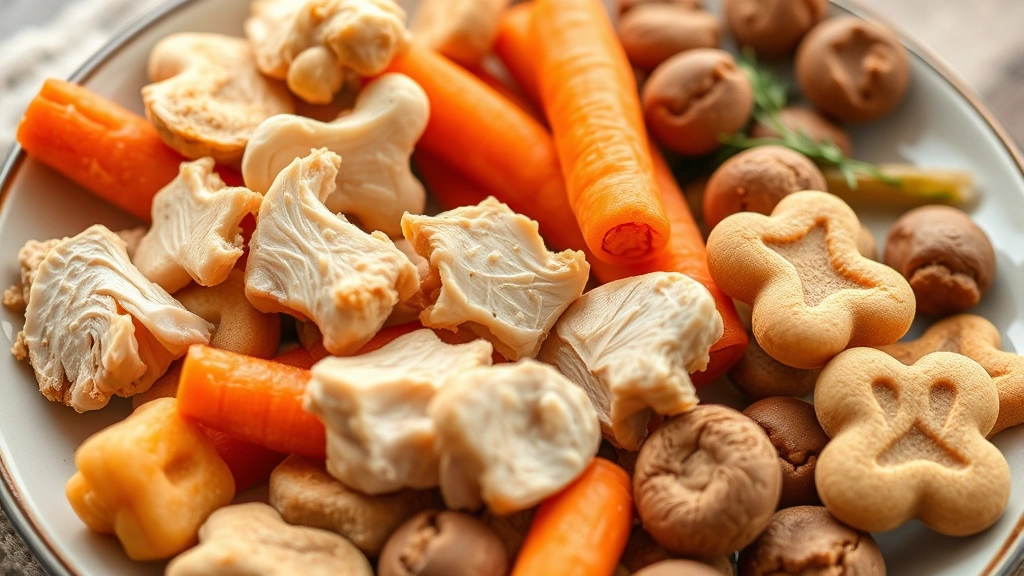
Lean cooked meats: Turkey, chicken breast, and lean beef provide protein without the excessive fat content of bacon. These can be offered regularly as part of a balanced diet.
Dog-specific bacon treats: Many pet food companies manufacture bacon-flavored treats formulated specifically for dogs. These provide the taste dogs love with appropriate nutrient ratios and food safety standards.
Pumpkin and sweet potato: While not bacon-flavored, many dogs find these treats satisfying and they’re packed with nutrients and fiber.
Carrots and green beans: Low-calorie options that satisfy the chewing instinct without health risks.
When considering whether dogs can have bacon at all, the key is moderation and proper preparation. Raw bacon simply isn’t worth the risk when safer alternatives exist.
Frequently Asked Questions
Is raw bacon safe for dogs at all?
No, veterinary experts do not recommend feeding raw bacon to dogs. The risk of bacterial contamination (including E. coli, Salmonella, and Listeria) outweighs any potential nutritional benefits. Raw bacon can cause serious foodborne illness in dogs and poses transmission risks to human family members.
What if my dog already ate raw bacon?
If your dog consumed raw bacon, monitor them closely for signs of illness over the next 3-5 days. Watch for vomiting, diarrhea, lethargy, fever, or abdominal pain. Contact your veterinarian immediately if any symptoms develop. Don’t panic if your dog shows no signs of illness—not all contaminated food causes immediate symptoms, but professional guidance is always wise.
Can dogs digest raw meat better than humans?
While dogs have stronger stomach acid than humans, this doesn’t mean they’re immune to pathogens. Dogs can absolutely contract foodborne illnesses from contaminated raw meat. Their digestive system is adapted for a diet that may include raw meat in nature, but commercial pork is very different from wild game and carries different contamination risks.
Is there a difference between raw bacon and raw pork?
Yes. Raw bacon is specifically cured pork belly with added salt and nitrates/nitrites. This curing process doesn’t eliminate pathogens, and the high sodium content makes it particularly problematic for dogs. While raw pork in general carries similar contamination risks, bacon’s specific preparation and additive profile makes it especially unsuitable for canine consumption.
What are signs my dog has foodborne illness?
Symptoms of foodborne illness in dogs include vomiting, diarrhea (sometimes bloody), abdominal pain or distension, fever, lethargy, loss of appetite, and in severe cases, dehydration and shock. Some dogs may show only mild symptoms, while others experience severe illness. Any concerning symptoms warrant veterinary attention.
Is raw feeding safe if I take precautions?
Raw feeding diets remain controversial in veterinary medicine. While some raw feeders report success with careful sourcing and handling, major veterinary organizations caution against raw diets due to documented health risks. If you’re committed to raw feeding, work closely with a board-certified veterinary nutritionist and follow strict food safety protocols.





