
Can Dogs Eat Raw Ground Beef? Safety Tips Every Pet Parent Should Know
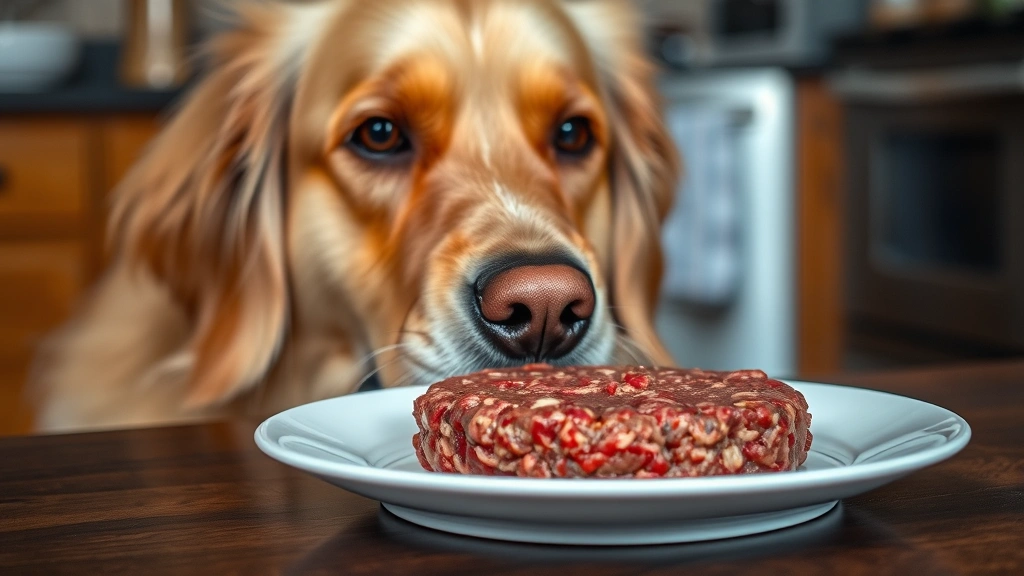
So your pup gives you those irresistible puppy-dog eyes while you’re prepping dinner, and you’re wondering: can dogs have raw ground beef? It’s a question that’s been bouncing around dog owner forums for years, and the answer is more nuanced than a simple yes or no. The truth is, while some raw meat advocates swear by it, there are significant safety considerations you need to understand before tossing that raw patty into your furry friend’s bowl.
Raw diets for dogs have gained popularity in recent years, with many pet parents believing they’re mimicking what their canine ancestors ate in the wild. However, domesticated dogs have evolved differently from their wolf counterparts, and their digestive systems don’t always handle raw meat the same way. Raw ground beef presents particular challenges because of how it’s processed and handled, making it a riskier option than whole cuts of meat.
In this comprehensive guide, we’re diving deep into the world of raw ground beef for dogs—exploring the potential benefits, the very real risks, and most importantly, the safety protocols you should follow if you decide to go this route. We’ll also look at safer alternatives that might give you peace of mind while still providing nutritious options for your beloved canine companion.
Understanding Raw Meat Diets for Dogs
The raw feeding movement, often called the BARF diet (Biologically Appropriate Raw Food), has been around for decades. Proponents argue that feeding dogs raw meat is more natural and closer to what their ancestors consumed. However, it’s crucial to understand that modern domesticated dogs are not the same as their wild predecessors. Their digestive systems have adapted over thousands of years to process cooked and processed foods.
Raw ground beef specifically refers to uncooked, ground muscle meat from cattle. Unlike whole cuts of raw meat, ground beef has been processed in ways that increase the surface area exposed to potential contaminants. The grinding process can distribute bacteria throughout the meat, making it particularly risky compared to whole steaks or other intact cuts.
Many veterinarians and pet nutrition experts have expressed concerns about raw feeding diets. The Association of American Feed Control Officials (AAFCO) doesn’t specifically endorse raw diets, and they caution pet owners about the risks involved. Before considering raw ground beef for your dog, you should understand both the theoretical benefits and the very real practical dangers.
Some dog owners report that their pets thrive on raw diets, showing shinier coats and better energy levels. Others have experienced serious health complications. The difference often comes down to proper handling, sourcing, and individual dog factors like age, health status, and immune function.
Benefits and Risks of Raw Ground Beef
Potential Benefits:
- Higher bioavailability of certain nutrients compared to cooked meat
- Natural enzymes that may aid digestion (though cooking doesn’t completely eliminate these)
- Some dogs with food sensitivities may tolerate raw meat better
- Proponents claim improved dental health and coat quality
- May provide variety in a dog’s diet when properly balanced
Significant Risks:
- Bacterial contamination (E. coli, Salmonella, Listeria)
- Parasitic infections from raw meat
- Nutritional imbalances if not carefully formulated
- Risk to human family members through cross-contamination
- Potential choking hazards with certain meat compositions
- Increased risk in puppies, elderly dogs, and immunocompromised pets
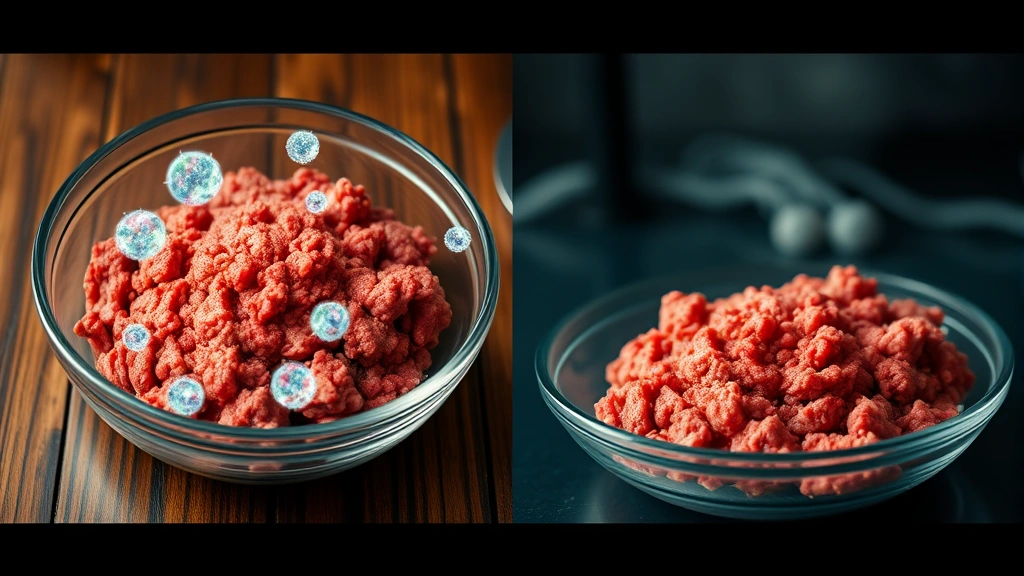
The risks associated with raw ground beef are not theoretical—they’re documented in veterinary literature. According to research published by veterinary health organizations, raw meat diets carry a significantly higher risk of bacterial contamination than cooked alternatives. This doesn’t just affect your dog; it can affect your entire household through cross-contamination in your kitchen.
Ground beef is particularly concerning because the grinding process exposes more surface area to bacteria. A whole steak might have bacteria only on the outer surface, which can be seared off during cooking. But with ground beef, bacteria can be distributed throughout the meat, making it nearly impossible to eliminate through any means other than cooking.
Bacterial Contamination: The Real Danger
Let’s talk about what really happens when your dog eats raw ground beef. While dogs do have stronger stomach acid than humans, they’re not immune to foodborne pathogens. In fact, the ASPCA warns that dogs can contract serious illnesses from contaminated raw meat.
The primary culprits in raw meat contamination include:
- E. coli: Can cause severe gastrointestinal distress and, in severe cases, systemic illness
- Salmonella: Often asymptomatic in dogs but can cause diarrhea, vomiting, and lethargy
- Listeria: Less common but potentially life-threatening
- Parasites: Including Toxoplasma and various worms
What makes this particularly tricky is that infected dogs might not show symptoms immediately. They can become carriers and shed bacteria through their feces, potentially contaminating your home and putting vulnerable family members—like infants, elderly relatives, or immunocompromised individuals—at risk.
If you’re considering feeding your dog ground beef, understanding these risks is essential. The CDC has documented cases where raw pet food diets led to serious human illnesses, particularly in households with vulnerable individuals.

Studies have shown that raw ground beef purchased from standard grocery stores has contamination rates that should give any pet owner pause. Some research indicates that up to 10-20% of raw meat samples contain pathogenic bacteria. While dogs’ digestive systems are more resilient than ours, they’re not invincible, and the risk increases with the amount consumed and the individual dog’s health status.
Safety Guidelines for Raw Feeding
If you’ve decided to feed your dog raw ground beef despite the risks, there are critical safety protocols you must follow. These guidelines won’t eliminate risk entirely, but they can significantly reduce it:
Sourcing and Selection:
- Purchase from reputable suppliers who maintain strict food safety standards
- Look for meat specifically labeled as human-grade
- Avoid meat from unknown sources or bulk bins
- Consider working with suppliers who specialize in raw pet food and follow HACCP (Hazard Analysis and Critical Control Points) protocols
- Check expiration dates and storage conditions
Storage and Handling:
- Keep raw meat in a separate freezer or clearly marked containers
- Store at 0°F (-18°C) or below
- Thaw in the refrigerator, never at room temperature
- Use thawed meat within 24-48 hours
- Never leave raw meat in your dog’s bowl for more than 15-20 minutes
- Wash all utensils, bowls, and surfaces that contact raw meat with hot, soapy water
Feeding Practices:
- Feed in a designated area away from food preparation surfaces
- Supervise your dog while eating
- Ensure proper nutritional balance with supplements and vegetables
- Rotate protein sources to reduce parasite risk
- Keep vulnerable family members away during feeding time
Health Monitoring:
- Watch for signs of illness including vomiting, diarrhea, or lethargy
- Have regular veterinary check-ups (ideally every 6 months)
- Test for parasites annually
- Keep your dog’s vaccinations current
It’s worth noting that even with these precautions, you’re not eliminating risk—you’re just reducing it. Some veterinarians argue that the hassle and danger simply aren’t worth it when you can achieve similar nutritional benefits through cooked meat options.
Safer Alternatives to Raw Ground Beef
If you’re interested in providing high-quality, protein-rich meals for your dog without the raw food risks, there are excellent alternatives. Many of these options provide similar nutritional benefits without the bacterial contamination concerns.
Lightly Cooked Ground Beef:
This is often the middle ground that many veterinarians recommend. Cooking ground beef to a safe internal temperature (160°F/71°C) kills harmful bacteria while preserving most nutrients. You can prepare it in bulk and freeze portions. This approach gives you many of the benefits raw advocates seek while eliminating most of the serious health risks.
Other Protein Options:
Consider raw steak as an alternative if you’re committed to raw feeding—whole cuts are generally safer than ground meat. You might also explore boiled chicken for dogs, which provides excellent protein without the contamination risks. Turkey, lamb, and fish are also nutritious options that can be cooked safely.
Commercial Raw Pet Food:
If raw feeding appeals to you, consider commercial raw pet food products that have been processed under strict safety standards. These companies use flash-freezing and other techniques to reduce bacterial loads. They’re more expensive than DIY raw feeding, but they offer better safety assurance.
High-Quality Commercial Dog Food:
Modern commercial dog foods are formulated to meet all of your dog’s nutritional needs. Look for brands that use whole meat sources and have strong quality control records. Many premium brands offer options that rival the nutritional profiles of raw diets.
Home-Cooked Diets:
Working with a veterinary nutritionist, you can develop balanced home-cooked meal plans that include meat, vegetables, and necessary supplements. This gives you control over ingredients while eliminating raw food risks. It requires more effort than commercial food but less risk than raw feeding.
When to Consult Your Veterinarian
Before making any significant dietary changes, including introducing raw ground beef, you should consult with your veterinarian. This is especially important if your dog has any of the following conditions:
- Compromised immune system or chronic illness
- Digestive issues or food sensitivities
- Puppyhood (under one year old)
- Senior status (over seven years old)
- Pregnancy or nursing
- History of gastrointestinal problems
Your vet can provide personalized recommendations based on your dog’s specific health profile. They might also suggest working with a veterinary nutritionist who understands AAFCO standards to ensure your dog’s diet is nutritionally complete and balanced.
If your dog does eat raw ground beef and develops symptoms like diarrhea, vomiting, or lethargy, contact your veterinarian immediately. Mention the raw meat consumption so they can test for appropriate pathogens. This information is also important for your family’s health, particularly if anyone in your household is immunocompromised.
Additionally, if your household includes vulnerable individuals—pregnant women, young children, elderly relatives, or immunocompromised family members—the risks of raw feeding become even more significant. The potential for cross-contamination could have serious health consequences beyond your dog.
Your vet can also advise you on whether feeding your dog bones alongside ground beef is appropriate, as this is another common raw feeding practice with its own set of concerns.
Frequently Asked Questions
Is raw ground beef safe for all dogs?
No. Puppies, senior dogs, and dogs with compromised immune systems are at higher risk from foodborne pathogens. Pregnant or nursing dogs also require special consideration. Even healthy adult dogs face increased risk compared to cooked meat options. If you’re considering raw ground beef, discuss your specific dog’s health status with your veterinarian first.
Can dogs get sick from raw ground beef?
Yes, absolutely. Dogs can contract bacterial infections, parasites, and other illnesses from raw ground beef. While they may tolerate it better than humans due to stronger stomach acid, they’re not immune. Symptoms might not appear immediately, and some dogs become asymptomatic carriers, shedding bacteria through their feces.
What’s the difference between raw ground beef and raw steak?
The main difference is surface area exposure to bacteria. Ground beef has been processed and broken apart, distributing any bacteria throughout the meat. Raw steak is a whole cut with bacteria primarily on the outer surface. This makes whole cuts somewhat safer than ground meat, though whole raw meat still carries contamination risks.
If my dog eats raw ground beef, what symptoms should I watch for?
Monitor for vomiting, diarrhea, lethargy, loss of appetite, abdominal pain, and fever. Some dogs show no symptoms while carrying harmful bacteria. This is why regular veterinary check-ups and parasite testing are important if you choose to feed raw meat. Also watch for any signs of illness in your family members, as cross-contamination can occur.
Can I reduce the risk by freezing raw ground beef?
Freezing slows bacterial growth and can kill some parasites, but it doesn’t eliminate the risk of bacterial contamination. Bacteria like Listeria can survive freezing. While freezing is better than nothing, it’s not a reliable safety measure. Proper cooking is the only truly effective way to eliminate foodborne pathogens.
Are there nutritional benefits to raw ground beef that cooked meat doesn’t have?
Raw advocates claim better enzyme availability and nutrient bioavailability, but the difference is minimal and can be achieved through other means. Lightly cooked or gently warmed meat retains most enzymes while eliminating bacterial risks. Nutritional benefits don’t outweigh the health and safety concerns for most dogs and households.
What if I want to feed raw but am concerned about safety?
Consider these alternatives: feed lightly cooked ground beef instead, purchase commercial raw pet food from reputable companies with strict safety standards, use whole cuts of meat rather than ground, or explore home-cooked diet plans developed with a veterinary nutritionist. These options provide similar benefits with substantially reduced risk.
Can raw ground beef cause issues for my family’s health?
Yes. Raw pet food can introduce bacteria into your home through cross-contamination. This poses particular risk to pregnant women, young children, elderly family members, and anyone with a compromised immune system. If anyone in your household falls into these categories, raw feeding is generally not recommended by health experts.





