

Can Dogs Have Rice Cakes? A Safe Snack Guide
Picture this: you’re munching on a rice cake while your pup gives you those irresistible puppy-dog eyes from across the room. It’s a moment every dog parent knows well. But before you break off a piece and toss it over, you’re probably wondering—can dogs have rice cakes safely? The good news is that plain rice cakes are generally considered safe for dogs, but there’s more to this snack story than meets the eye. Let’s dive into what you need to know to keep your furry friend happy and healthy.
Rice cakes have become a staple in many households, praised for being a low-calorie, convenient snack for humans. But when it comes to our four-legged companions, not all treats are created equal. Understanding what makes a snack appropriate for dogs—and what doesn’t—is crucial for responsible pet ownership. Whether you’re looking to share a snack with your pup or searching for alternatives, this comprehensive guide will walk you through everything you need to know about rice cakes and canine nutrition.
Your pup’s digestive system is quite different from yours, and what seems harmless to us might cause issues for them. That’s why we’re breaking down the facts, addressing common misconceptions, and providing you with practical guidance so you can make informed decisions about your dog’s diet.
Are Plain Rice Cakes Safe for Dogs?
The straightforward answer is yes—plain, unsalted rice cakes are generally safe for dogs in moderation. Unlike some human snacks that pose serious health risks to our canine companions, plain rice cakes don’t contain toxic ingredients. This makes them a reasonable occasional treat for your pup, assuming they’re prepared without any problematic additions.
When we say “plain,” we’re talking about rice cakes with absolutely nothing on them—no salt, no seasoning, no sugar, and no artificial flavoring. A plain rice cake is essentially just puffed rice that’s been compressed into a cake form. Your dog’s digestive system can handle this simple carbohydrate without much trouble.
However, plain rice cakes aren’t nutritionally dense for dogs. They’re mostly empty calories and carbohydrates, which means they don’t offer much in terms of health benefits. If you’re considering whether dogs can have rice in general, you’ll find that whole grain forms provide more nutritional value than the processed rice cake version. The puffing process used to create rice cakes removes much of the fiber and nutrients present in whole grains.
The key to safely offering rice cakes is ensuring they’re truly plain and monitoring your individual dog’s reaction. Some dogs have more sensitive stomachs than others, and what works for one pup might not work for another.
Flavored Rice Cakes: What to Avoid
This is where rice cakes become problematic for dogs. While plain varieties are okay, the moment you introduce flavoring, sweetening, or seasoning, you’re entering dangerous territory for your furry friend.
Chocolate-flavored rice cakes are absolutely off-limits. Chocolate contains theobromine, which is toxic to dogs and can cause serious health complications including vomiting, diarrhea, seizures, and in severe cases, death. Even small amounts of chocolate should never reach your dog’s mouth.
Salt-heavy flavored varieties are another concern. Excessive sodium can lead to dehydration, increased thirst, and potentially serious conditions like hypernatremia in dogs. Many flavored rice cakes contain significant amounts of salt, which exceeds what’s appropriate for canine consumption.
Artificially sweetened rice cakes containing xylitol are particularly dangerous. Xylitol is extremely toxic to dogs and can cause rapid insulin release, leading to hypoglycemia (dangerously low blood sugar), liver failure, and death. Always check ingredient labels carefully—xylitol appears in many “sugar-free” products.
Other problematic flavorings include cinnamon, garlic, onion, and excessive seasoning blends. These can upset your dog’s stomach or, in the case of garlic and onion, potentially damage their red blood cells.
Nutritional Value and Benefits
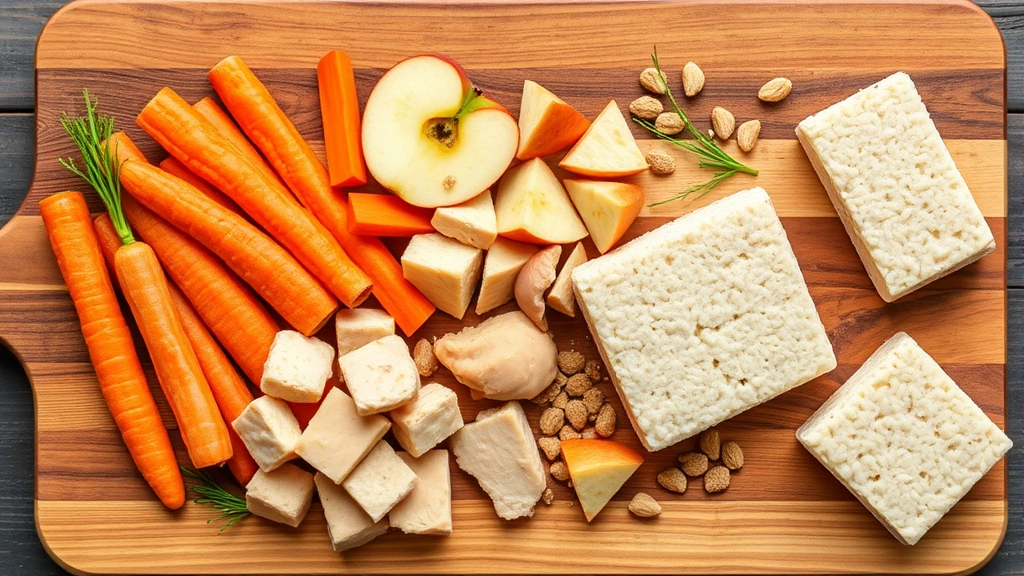
Let’s be honest: rice cakes aren’t a nutritional powerhouse for dogs. They’re primarily composed of carbohydrates and contain minimal protein, fat, or essential nutrients that your dog needs to thrive. A typical plain rice cake contains roughly 35 calories and is almost entirely carbohydrate-based with minimal fiber.
Compared to brown rice or white rice, rice cakes lose out significantly. Whole grains retain more nutritional integrity, including B vitamins, manganese, and fiber that support digestive health. When you puff rice into a cake, you’re essentially creating an empty-calorie snack.
That said, rice cakes do have some minor benefits. They’re gluten-free, which makes them suitable for dogs with gluten sensitivities. They’re also bland, making them potentially useful for dogs recovering from digestive upset—though what to feed a dog with diarrhea typically involves more nutritionally complete options like plain cooked chicken or bone broth.
The real value of rice cakes lies in their simplicity and low calorie content. If you’re looking for a low-calorie treat to use during training sessions or as an occasional snack, plain rice cakes can fill that role without contributing excessive calories to your dog’s daily intake. However, they should never replace nutritionally balanced dog food or more nutrient-dense treats.
Portion Control and Feeding Guidelines
If you decide to offer your dog a rice cake, moderation is absolutely essential. The general rule for treats in a dog’s diet is that they should comprise no more than 10% of their daily caloric intake, with the remaining 90% coming from complete and balanced dog food.
For most dogs, this means a small piece of rice cake—think a quarter to half cake—offered occasionally, not daily. A whole rice cake would represent a significant portion of a small dog’s daily caloric allowance and could contribute to weight gain if offered regularly.
Consider your dog’s size when determining appropriate portions:
- Toy breeds (under 10 lbs): A small piece, roughly the size of a postage stamp
- Small to medium breeds (10-50 lbs): A quarter to half of a rice cake
- Large breeds (50+ lbs): Up to a full rice cake as an occasional treat
Frequency matters too. Rice cakes should be an occasional treat, not a regular part of your dog’s diet. Once or twice a week is reasonable for dogs whose owners want to include them, but daily rice cake snacking is unnecessary and potentially problematic for weight management.
Always introduce new foods gradually. If you’re offering your dog rice cakes for the first time, start with a very small piece and monitor for any adverse reactions over the next 24-48 hours. Some dogs may experience mild digestive upset, loose stools, or vomiting if their stomachs aren’t accustomed to the food.
Healthier Snack Alternatives
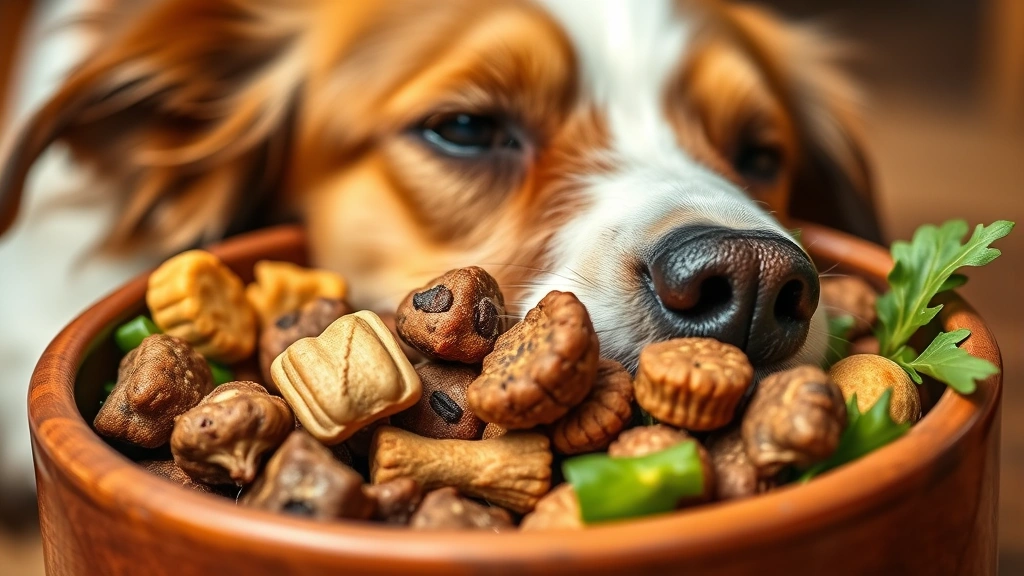
If you’re looking for snack options that pack more nutritional punch than rice cakes, you have plenty of dog-friendly alternatives. These options provide better health benefits while still being safe and enjoyable for your pup.
Carrots are excellent low-calorie treats packed with beta-carotene and fiber. They’re crunchy, which many dogs enjoy, and they help clean teeth naturally. Raw or cooked carrots are equally safe, though some dogs prefer cooked varieties for easier digestion.
Apples (without seeds) are refreshing and provide vitamin C. They’re particularly good for dogs during warmer months. Just remove the seeds, as they contain small amounts of cyanide, and offer them in moderation due to natural sugar content.
Plain cooked chicken is an excellent protein-rich treat that most dogs love. It’s nutritionally dense, supports muscle development, and can be used effectively during training. Simply boil chicken breast without seasoning and cut into appropriate-sized pieces.
Green beans are low-calorie, nutrient-rich treats that support digestive health. They contain vitamins A, C, and K along with beneficial fiber. Many dogs find them satisfying to chew.
For dogs seeking crunch similar to rice cakes, consider whether dogs can eat crackers made specifically for canine consumption, or offer whole grains like rice in its whole form. These provide better nutritional profiles than processed rice cakes.
Sweet potatoes are nutrient-dense treats loaded with beta-carotene, fiber, and vitamins. They support eye health and digestion. Offer them cooked and cut into appropriate sizes.
Pumpkin (plain, not pie filling) is excellent for digestive health and can help regulate bowel movements. It’s low in calories and most dogs enjoy the slightly sweet taste.
When selecting alternatives, always verify they’re safe for dogs. According to the ASPCA’s guide to foods to avoid, some common human foods are toxic to dogs, so research is important.
Digestive Concerns and Considerations
Every dog has a unique digestive system, and what one pup tolerates well might upset another’s stomach. Understanding potential digestive issues related to rice cakes helps you make informed decisions about your individual dog.
Rice cakes are highly processed and relatively low in fiber compared to whole grains. This can lead to digestive issues in some dogs, particularly those with sensitive stomachs or existing gastrointestinal conditions. If your dog has a history of digestive problems, consult your veterinarian before introducing rice cakes.
Some dogs may experience constipation from excessive rice cake consumption due to the low fiber content and high carbohydrate concentration. Others might develop loose stools if they’re sensitive to processed grains. Watch for changes in your dog’s bowel movements after introducing any new food.
Dogs with diabetes should avoid rice cakes, as the high carbohydrate content can cause blood sugar spikes. Similarly, overweight dogs benefit more from nutrient-dense, lower-calorie treats that don’t contribute empty calories to their diet.
For dogs with wheat allergies or gluten sensitivities, plain rice cakes are generally acceptable since rice is naturally gluten-free. However, always verify that your specific rice cake brand doesn’t contain gluten-containing ingredients or cross-contamination from processing facilities.
If your dog experiences vomiting, diarrhea, or other digestive upset after consuming rice cakes, discontinue offering them immediately and contact your veterinarian if symptoms persist.
According to the American Kennel Club’s comprehensive guide on what dogs can eat, always introduce new foods gradually and monitor your dog’s individual response, as tolerance varies significantly between individual animals.
Frequently Asked Questions
Can puppies have rice cakes?
While plain rice cakes aren’t toxic to puppies, they’re not ideal for young dogs. Puppies require nutrient-dense foods to support growth and development. Rice cakes are empty calories that don’t contribute to their nutritional needs. It’s better to focus on puppy-appropriate treats and complete puppy food formulas. If you want to offer a treat, choose something with more nutritional value.
Are rice cakes good for dogs with upset stomachs?
Rice cakes aren’t the best choice for dogs with digestive upset. While plain white rice is often recommended for dogs with stomach issues, whole grain rice or plain cooked chicken provides better nutrition. If your dog has diarrhea or vomiting, consult your veterinarian before offering any new foods, including rice cakes.
Can dogs have flavored rice cakes from the store?
Most commercial flavored rice cakes contain ingredients unsafe for dogs, including salt, sugar, artificial sweeteners (potentially xylitol), and various seasonings. Always stick to plain rice cakes without any flavoring, and carefully read ingredient labels to ensure there are no harmful additives.
How do rice cakes compare to other grain-based treats?
Rice cakes are less nutritious than whole grain treats. Compared to treats made from brown rice, oats, or other whole grains, rice cakes lose out significantly in terms of fiber, vitamins, and minerals. If you want a grain-based treat, look for options made from whole grains rather than processed, puffed varieties.
Can rice cakes cause weight gain in dogs?
While a single rice cake won’t cause weight gain, regular consumption as part of a dog’s diet can contribute to unwanted weight gain, especially in small breeds or dogs with lower activity levels. Since rice cakes are mostly empty calories without satiety-promoting nutrients, they don’t help your dog feel full and can lead to excessive calorie consumption if offered too frequently.
What should I do if my dog accidentally ate a flavored rice cake?
If your dog ate a small amount of a flavored rice cake, monitor them closely for signs of distress. Most cases of accidental consumption won’t cause serious problems, but watch for vomiting, diarrhea, or unusual behavior. If the rice cake contained chocolate or xylitol, contact your veterinarian immediately or call the ASPCA Animal Poison Control Center for guidance.
Are there any health benefits to giving dogs rice cakes?
Plain rice cakes are gluten-free and low in calories, which can be useful for dogs with gluten sensitivities or those requiring low-calorie treats during training. However, they lack significant nutritional benefits compared to other snack options. For maximum health benefits, choose treats that provide protein, fiber, vitamins, and minerals.
How often can I give my dog rice cakes?
Plain rice cakes can be offered occasionally—no more than once or twice weekly—as part of your dog’s 10% treat allowance. They shouldn’t be a regular part of your dog’s diet. Focus on more nutritionally complete treats and complete dog food for your pup’s primary nutrition.





