
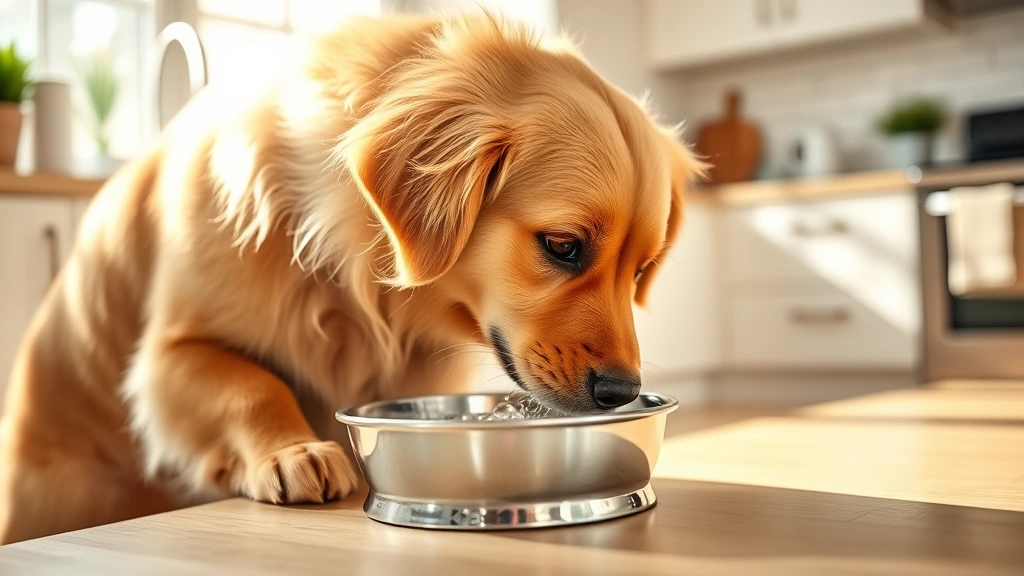
Can Dogs Drink Sparkling Water? Expert Insights
You’re sitting on the porch with your refreshing glass of sparkling water, and your furry best friend gives you those irresistible puppy dog eyes. It’s a question many dog owners grapple with: can dogs have sparkling water? While it might seem harmless to share a sip of your bubbly beverage, the answer requires a bit of nuance that could genuinely impact your pup’s health and happiness.
The short answer is that plain sparkling water is generally safe for dogs in small amounts, but it comes with important caveats and considerations that every responsible pet parent should understand. Unlike regular water, sparkling water contains carbonation that can cause digestive discomfort, and many commercial varieties include additives that are downright dangerous for our canine companions. Let’s dive deep into what you need to know before letting Fido take a sip.
This comprehensive guide will explore the science behind carbonation, identify which beverages are safe and which are absolute no-gos, and provide you with expert recommendations to keep your dog healthy and hydrated.
Is Plain Sparkling Water Safe for Dogs?
When we talk about plain sparkling water—the unflavored, unsweetened variety with nothing but water and carbonation—the verdict is cautiously optimistic. Plain sparkling water won’t poison your dog, and a small amount occasionally won’t cause serious harm. However, “safe” doesn’t mean “recommended,” and there are legitimate reasons veterinarians suggest sticking with still water.
The carbonation in sparkling water is created by injecting carbon dioxide gas into water under pressure. While this process doesn’t make the water toxic, it does create an environment that can trigger gastrointestinal distress in dogs. Think of it this way: you wouldn’t give your dog a can of soda, and sparkling water sits in a gray area between regular water and carbonated beverages.
Most veterinarians agree that if your dog accidentally laps up a small amount of plain sparkling water, there’s no need to panic. However, intentionally giving your dog sparkling water as a regular hydration source is unnecessary and potentially problematic. Your dog’s digestive system is optimized for plain water, and that’s what they should primarily consume.
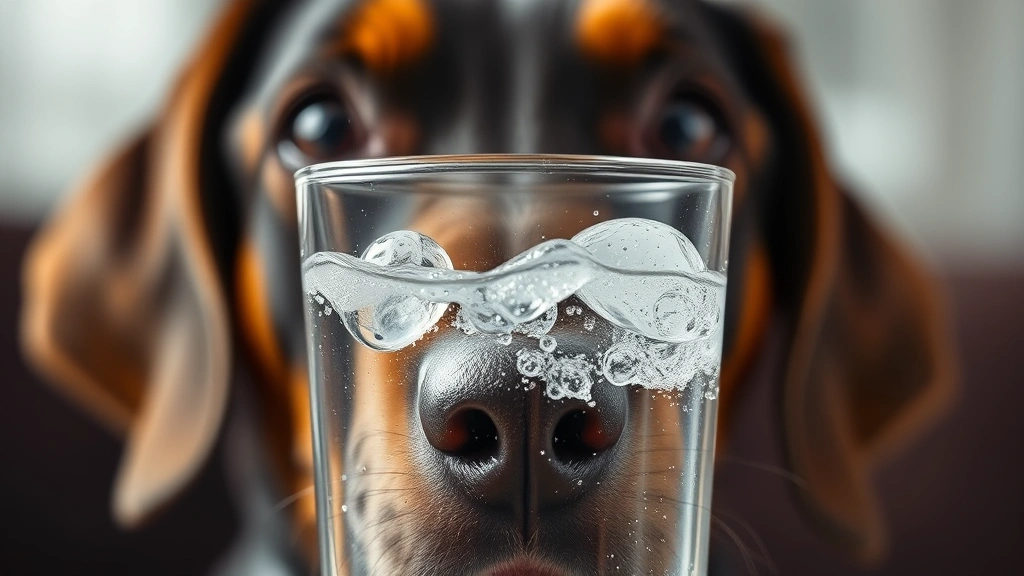
Understanding Carbonation and Your Dog’s Digestive System
Dogs’ digestive systems are remarkably different from ours, and carbonation affects them differently than it affects humans. When your dog ingests carbonated beverages, the gas bubbles can accumulate in the stomach and intestines, leading to several uncomfortable conditions.
Bloating and Gas: The primary concern with sparkling water is bloat, medically known as gastric dilatation-volvulus (GDV). While sparkling water alone is unlikely to cause severe bloat, it can contribute to gas accumulation that creates discomfort. Large breed dogs are particularly susceptible to bloat, which can be life-threatening in severe cases.
Digestive Upset: Many dogs experience mild to moderate digestive upset after consuming carbonated beverages. Symptoms can include:
- Excessive gas or flatulence
- Stomach cramping or discomfort
- Loose stools or diarrhea
- Decreased appetite
- Vomiting in severe cases
According to research from the American Kennel Club, carbonation can irritate the sensitive lining of a dog’s stomach, particularly in dogs with pre-existing digestive sensitivities or conditions like inflammatory bowel disease.
The severity of these symptoms depends on several factors: your dog’s size, age, overall health status, and how much sparkling water they consumed. A senior dog or one with existing gastrointestinal issues is much more likely to experience problems than a young, healthy pup.
Flavored Sparkling Water: Why It’s Risky
This is where the conversation shifts from “probably okay” to “definitely not okay.” Flavored sparkling waters present genuine health risks for dogs that go far beyond simple carbonation concerns.
Artificial Sweeteners: Many flavored sparkling waters contain artificial sweeteners like xylitol, which is extremely toxic to dogs. Even small amounts of xylitol can cause rapid insulin release, leading to hypoglycemia (dangerously low blood sugar), seizures, liver failure, and potentially death. If your dog ingests sparkling water containing xylitol, this is a veterinary emergency.
Other artificial sweeteners like aspartame and sorbitol can also cause digestive issues and other health problems in dogs. Always check ingredient labels carefully—xylitol is sometimes labeled as “sugar alcohol” or “birch sugar.”
Citric Acid and Natural Flavors: Flavored sparkling waters often contain citric acid or natural flavoring agents. While small amounts might not be immediately dangerous, they can irritate your dog’s stomach lining, damage tooth enamel over time, and contribute to digestive upset. Citric acid is particularly concerning because dogs lack the proper enzymes to process it efficiently.
Added Sodium: Some brands add sodium to enhance flavor, which can contribute to dehydration and electrolyte imbalances in dogs. This is particularly problematic for dogs with heart conditions, kidney disease, or hypertension.
What Dogs Really Need for Proper Hydration
Understanding your dog’s hydration needs is crucial for maintaining optimal health. The general rule is that dogs need approximately 1 ounce of water per pound of body weight daily, though this varies based on activity level, diet, and climate.
If you’re wondering about proper hydration options, it’s worth exploring what plain water provides compared to other beverages. Plain water is the gold standard because it:
- Contains no additives or chemicals
- Supports proper kidney function
- Aids digestion and nutrient absorption
- Regulates body temperature
- Lubricates joints and tissues
- Prevents urinary tract infections
Your dog’s water bowl should be filled with fresh, clean water and changed regularly throughout the day. Many dogs prefer running water, which is why some owners invest in dog water fountains—these encourage dogs to drink more and provide better hydration.
If you’re concerned about why your dog is drinking excessive amounts of water, this could indicate underlying health issues like diabetes, kidney disease, or urinary tract infections. Similarly, if your pup isn’t drinking enough, understanding how to encourage your dog to drink more water is essential for prevention of dehydration-related problems.
The ASPCA emphasizes that proper hydration is one of the most important factors in maintaining canine health, and nothing replaces the simplicity and safety of plain water.
Safe Alternatives to Sparkling Water
If you’re looking to provide variety in your dog’s hydration routine or want to offer something special, several safe alternatives exist that provide hydration without the risks of sparkling water.
Coconut Water (Unsweetened): If you’re curious about whether dogs can drink coconut water, the answer is yes—in moderation. Unsweetened, pure coconut water provides electrolytes and can be beneficial for dogs recovering from illness or dehydration. However, it should only be offered occasionally and in small amounts, as it contains natural sugars.
Bone Broth: Low-sodium bone broth designed for dogs is an excellent hydration option that also provides collagen, amino acids, and joint support. Many dogs find it more appealing than plain water, which can encourage better hydration.
Dog-Specific Sports Drinks: While regular sports drinks like Gatorade are not recommended for dogs, veterinarian-formulated electrolyte solutions designed specifically for canines can be helpful during hot weather or after strenuous exercise.
Watermelon and Cucumber: These water-rich fruits and vegetables (without seeds) can be frozen or offered fresh as occasional treats. They provide hydration along with vitamins and minerals, though they should never replace plain water.
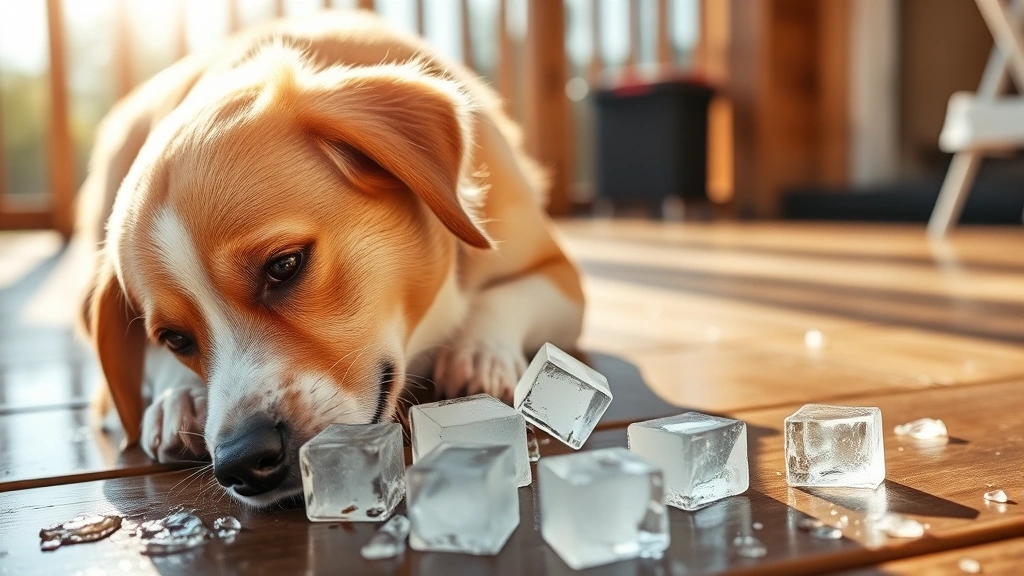
Ice Cubes: Many dogs enjoy playing with and chewing ice cubes, which provides hydration in a fun format. Some owners add low-sodium broth to ice cube trays for a flavorful alternative.
When considering any alternative to plain water, consult with your veterinarian first, especially if your dog has existing health conditions or dietary restrictions. What works wonderfully for one dog might be problematic for another.
What to Do If Your Dog Drinks Sparkling Water
If your dog accidentally ingests sparkling water, here’s what you should do based on the specific situation:
Small Amount of Plain Sparkling Water: If your dog had just a small taste or lapped up a small amount of plain, unflavored sparkling water, monitor them closely for the next few hours. Watch for signs of digestive distress like excessive gas, vomiting, or lethargy. Most dogs experience no symptoms at all from minimal exposure. Keep them calm and ensure they have access to fresh water.
Large Amount of Plain Sparkling Water: If your dog consumed a significant quantity of plain sparkling water, watch for bloating, restlessness, or signs of abdominal pain. These symptoms warrant a call to your veterinarian. If your dog shows severe symptoms like uncontrollable vomiting, inability to defecate, or signs of shock, seek emergency veterinary care immediately.
Flavored Sparkling Water (Especially with Xylitol): This is a potential emergency. If you know your dog consumed sparkling water containing xylitol or other artificial sweeteners, contact your veterinarian or an emergency animal poison control center immediately. The ASPCA Animal Poison Control Center operates 24/7 and can provide guidance. Have the product label available so you can provide ingredient information.
When to Seek Veterinary Care: Contact your vet if your dog exhibits:
- Persistent vomiting lasting more than a few hours
- Severe abdominal pain or distension
- Inability to defecate or urinate normally
- Lethargy or collapse
- Difficulty breathing
- Any symptoms that concern you
Your veterinarian may recommend supportive care, monitoring, or specific treatments depending on the situation. Early intervention can make a significant difference in outcomes.
Frequently Asked Questions
Is carbonated water bad for dogs?
Plain carbonated water isn’t necessarily “bad” in small amounts, but it’s not beneficial either. The carbonation can cause gas, bloating, and digestive discomfort. Regular plain water is always the better choice for your dog’s hydration needs.
Can dogs drink sparkling water with lemon?
No, sparkling water with lemon is not recommended for dogs. Lemons are acidic and can irritate your dog’s stomach and damage tooth enamel. Additionally, lemon contains compounds that can cause digestive upset in some dogs.
What if my dog drinks La Croix or other flavored sparkling water?
Most flavored sparkling water brands contain citric acid and natural flavoring agents that can upset your dog’s stomach. Some may also contain ingredients harmful to dogs. Monitor your dog closely for signs of digestive distress, and contact your veterinarian if symptoms develop. If the product contains xylitol, seek emergency veterinary care.
Is club soda safe for dogs?
Club soda is similar to plain sparkling water but often contains added minerals and sometimes sodium. It’s not recommended for dogs for the same reasons as sparkling water—the carbonation and potential additives make it an unnecessary choice when plain water is available.
Can puppies drink sparkling water?
Puppies have even more sensitive digestive systems than adult dogs and are more prone to bloating and digestive upset. It’s best to avoid giving puppies sparkling water entirely and stick exclusively to fresh, plain water.
My dog seems to like sparkling water—is it okay to give it occasionally?
While occasional small amounts of plain sparkling water won’t cause serious harm to most healthy dogs, there’s no real benefit to offering it. Since plain water is available and safer, there’s no good reason to make sparkling water a regular part of your dog’s routine, even occasionally.
Does sparkling water cause bloat in dogs?
Sparkling water alone is unlikely to cause severe bloat, but it can contribute to gas accumulation and mild to moderate bloating. Dogs at higher risk for bloat—particularly large breeds—should avoid carbonated beverages entirely. If you notice signs of bloat after your dog consumes sparkling water, seek immediate veterinary attention, as bloat can be life-threatening.
Can dogs drink milk instead of water?
While milk isn’t toxic to dogs, many adult dogs are lactose intolerant and experience digestive upset from dairy products. Milk should never replace water as a primary hydration source. Plain water remains the best and safest choice for keeping your dog properly hydrated.





