

Can Muslims Have Dogs? Cultural Insights & Guidelines
The question of whether Muslims can have dogs is more nuanced than a simple yes or no. For centuries, Islamic scholars have debated the role of dogs in Muslim households, and the answer varies depending on cultural context, regional traditions, and individual interpretations of Islamic teachings. What many people don’t realize is that the relationship between Muslims and dogs is deeply rooted in history, theology, and practical considerations that continue to evolve in modern times.
Today, millions of Muslims around the world live harmoniously with dogs as beloved pets, service animals, and working companions. From guard dogs protecting properties in rural communities to service dogs assisting people with disabilities in urban centers, dogs play important roles in many Muslim families’ lives. Understanding the religious, cultural, and practical dimensions of this topic helps bridge misconceptions and appreciate the diversity of Muslim perspectives on pet ownership.
Whether you’re a Muslim considering dog ownership, someone curious about Islamic traditions, or simply interested in learning how different cultures approach pet companionship, this comprehensive guide explores the theological foundations, practical guidelines, and real-world applications of dog ownership in Islam.
Islamic Teachings on Dogs: The Theological Foundation
To understand the contemporary Muslim perspective on dogs, we must first examine the primary Islamic sources: the Quran and the Hadith (sayings and actions of Prophet Muhammad). These foundational texts contain several references to dogs, some of which have been interpreted differently across Islamic schools of thought.
The Quran mentions dogs in several contexts, including the story of the People of the Cave (Surah Al-Kahf), where a dog is portrayed as a loyal and righteous companion. This narrative suggests that dogs possess qualities worthy of respect and protection. Additionally, the Quran acknowledges dogs’ practical utility, particularly in hunting and guarding, indicating their functional value in Islamic society.
The Hadith literature presents a more complex picture. Some traditions suggest that dogs are spiritually impure, while others describe specific scenarios where dog ownership is permissible or even encouraged. A famous hadith mentions that a woman was punished for keeping a dog locked up without food or water, implying that Muslims have a responsibility to care for animals humanely. Another tradition praises a woman who gave water to a thirsty dog, suggesting that kindness to dogs is a virtuous act.
According to Islamic religious scholars, the key to understanding these teachings is recognizing the distinction between different types of dogs and their purposes. Dogs used for hunting, herding, or guarding are generally viewed more favorably than dogs kept purely as pets, though this distinction has become increasingly blurred in modern interpretations.
Historical Context: Dogs in Islamic Civilization
Throughout Islamic history, dogs played significant roles in Muslim societies. During the Islamic Golden Age, sophisticated breeding programs produced specialized hunting dogs, and detailed treatises were written about dog care and training. Scholars and nobles kept hunting dogs, and these animals were subjects of considerable attention and investment.
In medieval Islamic cities, guard dogs protected homes and commercial establishments. The Bedouin tribes of the Arabian Peninsula relied on dogs for herding livestock and protecting encampments from predators. These practical applications demonstrate that dogs were never universally prohibited in Islamic societies; rather, their acceptability depended on their function and the context of their use.
Archaeological evidence and historical texts reveal that dogs were common in Islamic households and working environments. Artwork from various Islamic periods depicts dogs alongside humans, suggesting a level of acceptance and integration into daily life. This historical perspective challenges the modern misconception that Islam categorically forbids dog ownership.
Different Scholarly Interpretations
Islamic jurisprudence encompasses four major schools of thought (madhabs): Hanafi, Maliki, Shafi’i, and Hanbali. Each school has developed its own interpretations of Islamic teachings regarding dogs, resulting in diverse perspectives on dog ownership.
The Hanafi school, which is predominant in Central Asia, Turkey, and South Asia, generally permits dog ownership for practical purposes like hunting, herding, and guarding. However, many Hanafi scholars discourage keeping dogs purely as pets, though this view is not universal among contemporary Hanafi jurists.
The Maliki school, influential in North Africa and parts of West Africa, tends to be more permissive regarding dogs. Some Maliki scholars argue that dogs are not spiritually impure, and that keeping them as companions is acceptable as long as the owner maintains cleanliness and treats the animal well.
The Shafi’i school, prevalent in East Africa and Southeast Asia, traditionally held stricter views on dog ownership, though modern Shafi’i scholars increasingly recognize exceptions for service and working dogs. The emphasis is on the purpose of ownership rather than an absolute prohibition.
The Hanbali school, associated with contemporary Wahhabism and influential in Saudi Arabia and the Gulf states, has historically been the most restrictive. However, even within this school, many contemporary scholars acknowledge that dogs used for legitimate purposes (hunting, herding, guarding) are permissible.
Beyond these four schools, other Islamic traditions and contemporary scholars have offered fresh perspectives. Many modern Islamic jurists emphasize the ethical treatment of animals and argue that the Prophet Muhammad’s teachings on compassion extend to all creatures, including dogs. This evolving interpretation has led to greater acceptance of dog ownership, particularly when motivated by genuine care and responsibility.

Practical Guidelines for Muslim Dog Owners
For Muslims who choose to have dogs, several practical guidelines emerge from Islamic teachings and scholarly consensus:
- Purpose and Intention: Ownership should ideally serve a practical purpose such as protection, service, or assistance rather than pure companionship, though this distinction is increasingly being reconsidered by modern scholars.
- Cleanliness and Hygiene: Islamic law emphasizes ritual purity. If a dog licks you or your clothing, washing the affected area is recommended. This doesn’t mean the dog is “forbidden,” but rather that specific purification steps should be observed.
- Proper Care and Treatment: Dogs must be treated humanely, fed adequately, provided with shelter, and given medical care when needed. Neglecting a dog’s basic needs is considered sinful in Islam.
- Separation During Prayer: Some scholars suggest that dogs should not be in the immediate prayer space during Islamic prayer (Salah), though this is more about maintaining focus and ritual space than the dog being inherently impure.
- Training and Behavior Management: Dogs should be trained to behave appropriately and not pose dangers to neighbors or community members.
One important consideration for Muslim dog owners is understanding when dogs lick their paws, as this behavior might require additional hygiene precautions. Similarly, ensuring your dog’s diet is appropriate—such as avoiding harmful foods—is part of responsible ownership. Many Muslim pet owners wonder about dietary choices, such as whether dogs can have peanut butter, and maintaining proper grooming practices like learning how to clean dogs’ ears is essential for any dog owner’s responsibilities.
Dogs as Service and Working Animals
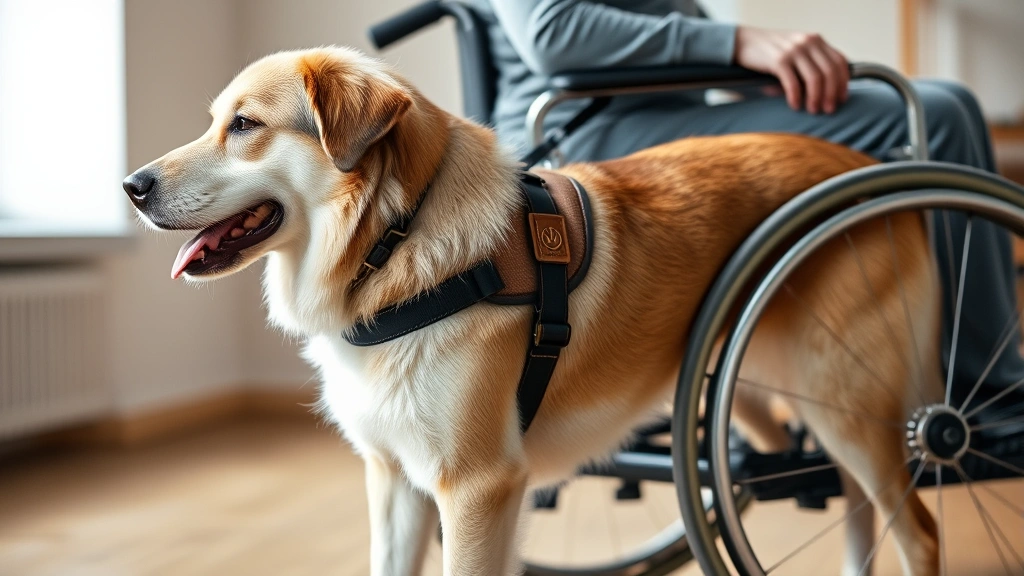
One area where Islamic consensus is strongest is regarding dogs used for legitimate working purposes. Service dogs, guide dogs for the blind, and therapy dogs are increasingly recognized as permissible—and even praiseworthy—in Islam.
A service dog that assists a person with a disability is performing a crucial function that aligns with Islamic values of community care and compassion. The American Kennel Club and various disability organizations have documented how service dogs transform the lives of people with mobility issues, diabetes, PTSD, and other conditions. From an Islamic perspective, enabling a person to live independently and participate fully in their community is a noble goal that justifies dog ownership.
Police dogs, military dogs, and search-and-rescue dogs similarly serve important protective and humanitarian functions. Many Muslim-majority countries employ dogs in these roles, and Islamic scholars have issued fatwas (religious rulings) supporting their use. The practical benefit to society outweighs traditional reservations about dog ownership.
Guard dogs protecting homes and businesses represent another widely accepted category. This application has deep historical roots in Islamic civilization and continues to be practiced throughout the Muslim world. The protection of property and safety of residents are values explicitly supported in Islamic teachings.
Modern Muslim Perspectives on Pet Ownership
Contemporary Muslim communities are increasingly embracing pet ownership, including dogs, particularly in Western countries where Muslims live as religious minorities. This shift reflects several factors: increased exposure to diverse cultural practices, reinterpretation of classical Islamic texts in modern contexts, and emphasis on the ethical dimensions of Islamic teachings.
Muslim veterinarians, animal rights advocates, and Islamic scholars have begun reframing the conversation around dog ownership. They argue that the core Islamic principle of treating animals with compassion and responsibility supersedes cultural taboos that may have served specific historical purposes but are less relevant today.
In countries like the United Kingdom, Canada, and the United States, Muslim families openly keep dogs as beloved pets. Muslim social media influencers share content about their dogs, Islamic scholars discuss pet ownership on podcasts and YouTube channels, and Muslim animal shelters work to match dogs with Muslim families seeking companions.
This evolution reflects a broader Islamic principle: maslaha (public interest). If keeping a dog serves the well-being of an individual or family, and the dog is treated ethically and humanely, many modern scholars argue that this aligns with Islamic values. The emotional and psychological benefits of pet ownership are now recognized as legitimate considerations in Islamic jurisprudence.
Additionally, Muslims are recognizing that dogs cry and experience emotions similar to humans, deepening empathy and understanding of our responsibilities toward them. Understanding canine behavior and psychology—such as why dogs sleep so much—helps Muslim owners provide better care. Even seemingly trivial questions like whether dogs are ticklish contribute to a more compassionate understanding of canine nature.
Health and Cleanliness Considerations
One of the primary concerns in Islamic teachings regarding dogs relates to cleanliness and ritual purity. However, these concerns should be understood in their proper context rather than as blanket prohibitions against dog ownership.
According to Islamic law, if a dog’s saliva comes into contact with a person, vessel, or clothing, specific washing procedures should be followed. Traditionally, this required washing seven times, with one washing using sand or soil. However, modern scholars have reinterpreted these requirements in light of contemporary understanding of hygiene. The underlying principle is cleanliness and disease prevention, not spiritual contamination.
From a practical standpoint, the same hygiene practices that apply to any pet ownership apply to Muslim dog owners: washing hands after petting your dog, ensuring your dog receives regular veterinary care, and maintaining a clean living environment. These practices align with Islamic values of cleanliness, which is considered “half of faith” according to Islamic teachings.
The ASPCA and American Kennel Club provide comprehensive guidelines on dog health and hygiene that Muslim dog owners can follow to ensure both their own well-being and their pets’ health. Regular veterinary checkups, vaccinations, and parasite prevention are standard practices that responsible Muslim dog owners should implement.
It’s also worth noting that public health organizations have found that dog ownership, when practiced responsibly, provides significant health benefits including reduced stress, lower blood pressure, and increased physical activity. These health benefits are consistent with Islamic values of self-preservation and well-being.
Frequently Asked Questions
Is it haram (forbidden) to have a dog in Islam?
The answer is nuanced and depends on the context and interpretation of Islamic teachings. Dogs used for legitimate purposes like guarding, herding, or assistance are generally permissible. Even keeping a dog as a pet is increasingly accepted by contemporary Islamic scholars, particularly in Western contexts. The key factors are proper care, humane treatment, and maintaining cleanliness standards. Different Islamic schools of thought have varying perspectives, so it’s best to consult with a scholar from your specific tradition.
What do Islamic scholars say about keeping dogs as pets?
Contemporary Islamic scholars hold diverse views. Many modern scholars argue that keeping dogs as pets is permissible if the dog is treated well and the owner maintains cleanliness. The emphasis has shifted from categorical prohibition to ethical responsibility. Scholars like Yusuf al-Qaradawi have written extensively on animal rights in Islam, arguing that compassion toward animals is a religious obligation. However, some traditional scholars still prefer that dogs be kept for practical purposes rather than companionship alone.
Do I need to perform special ablution (wudu) if I have a dog?
If a dog’s saliva comes into contact with you or your clothing, washing the affected area is recommended before prayer. However, simply having a dog in your home does not require additional ablution procedures. The requirement is specifically related to contact with the dog’s saliva, not the presence of the dog itself. Modern scholars often note that standard hygiene practices are sufficient for maintaining ritual purity.
Can Muslims work as veterinarians or in animal care professions?
Absolutely. Many Muslims work as veterinarians, dog trainers, and animal care professionals. These professions align with Islamic values of compassion and service to the community. Taking care of animals, including dogs, is considered a virtuous act in Islamic teachings. The Prophet Muhammad is reported to have said that “whoever is merciful, even to the creatures on the earth, God will be merciful to him on the Day of Judgment.”
What about guide dogs for blind Muslims?
Guide dogs for the blind are widely accepted in Islam, even among the most traditionally conservative scholars. The clear benefit to the person’s independence, safety, and quality of life makes this an obvious exception to any reservations about dog ownership. Many Muslim-majority countries have guide dog programs, and Islamic organizations actively support the use of service dogs.
Are there Muslim countries where dogs are common as pets?
Yes, in many Muslim-majority countries, dogs are kept as pets and working animals. In Turkey, Egypt, Morocco, and many other nations, dog ownership is common. The level of acceptance varies by region, urban versus rural settings, and individual family preferences. Western Muslim communities are increasingly embracing pet dog ownership as well.
How do I reconcile my Islamic faith with wanting a dog as a companion?
Many Muslims successfully reconcile faith and pet ownership by emphasizing the ethical and compassionate dimensions of Islamic teachings. Focus on providing excellent care for your dog, maintaining cleanliness standards, and viewing your dog as a responsibility and trust (amanah) from God. Consult with Islamic scholars in your community who can provide guidance tailored to your specific situation and local traditions.





