
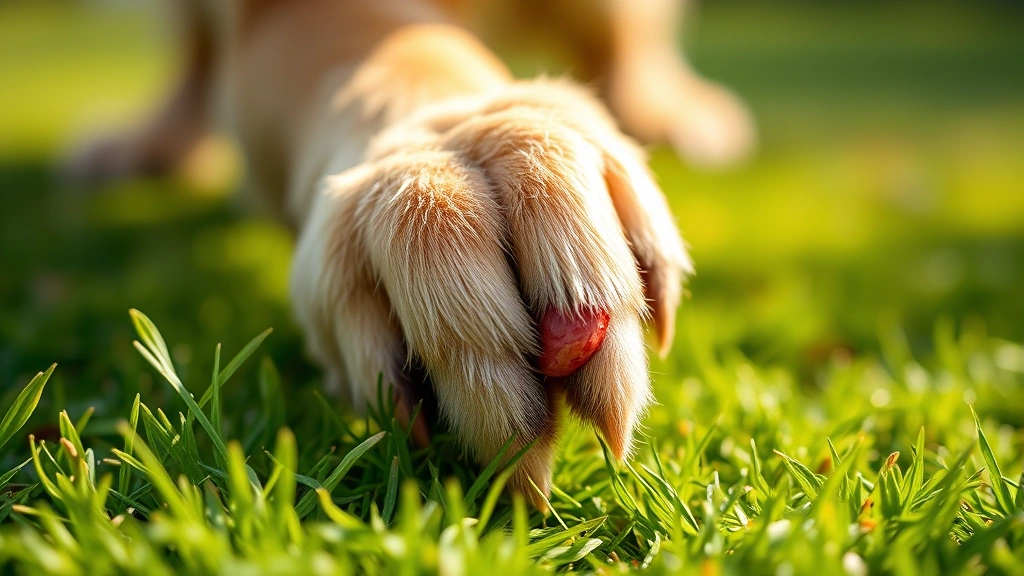
Is It Safe to Put Peroxide on Dogs? Vet Insights
As a dog owner, you’ve probably found yourself in that panicked moment when your furry best friend gets a cut, scrape, or minor wound. Your first instinct might be to grab the hydrogen peroxide from your medicine cabinet—after all, it’s been a household staple for treating human injuries for generations. But here’s the million-dollar question: can you put peroxide on dogs? The answer is more nuanced than a simple yes or no, and understanding the details could save your pup from unnecessary discomfort or complications.
In this comprehensive guide, we’re diving deep into the world of canine wound care with veterinary insights that’ll help you make informed decisions about your dog’s health. Whether your pooch has a minor scrape from playtime or a more serious injury, knowing what products are safe—and which ones to avoid—is crucial for responsible pet ownership.
Let’s unpack the science, explore safer alternatives, and get clear answers to the questions keeping you up at night about your dog’s wound care.
Understanding Hydrogen Peroxide and Dogs
Hydrogen peroxide has been used in human medicine for decades, primarily as an antiseptic and cleaning agent. When you apply it to a cut on your own skin, you’ve probably noticed that satisfying fizzing action—that’s the chemical reaction that helps break down bacteria and dead tissue. But dogs aren’t just small humans with fur, and their skin chemistry works differently than ours.
The standard household hydrogen peroxide (typically 3% concentration) works by releasing oxygen bubbles that mechanically cleanse wounds. In humans, this mechanism is generally considered safe and even beneficial for minor cuts and scrapes. However, veterinary professionals have long debated whether this same benefit applies to our canine companions. The American Veterinary Medical Association and numerous veterinary dermatologists have raised concerns about using peroxide on dogs, particularly regarding its effects on healthy tissue and wound healing.
When peroxide comes into contact with a dog’s wound, it doesn’t discriminate between harmful bacteria and healthy tissue—it can damage both. This indiscriminate action might seem beneficial on the surface, but it can actually slow down the natural healing process and cause unnecessary irritation to sensitive canine skin.
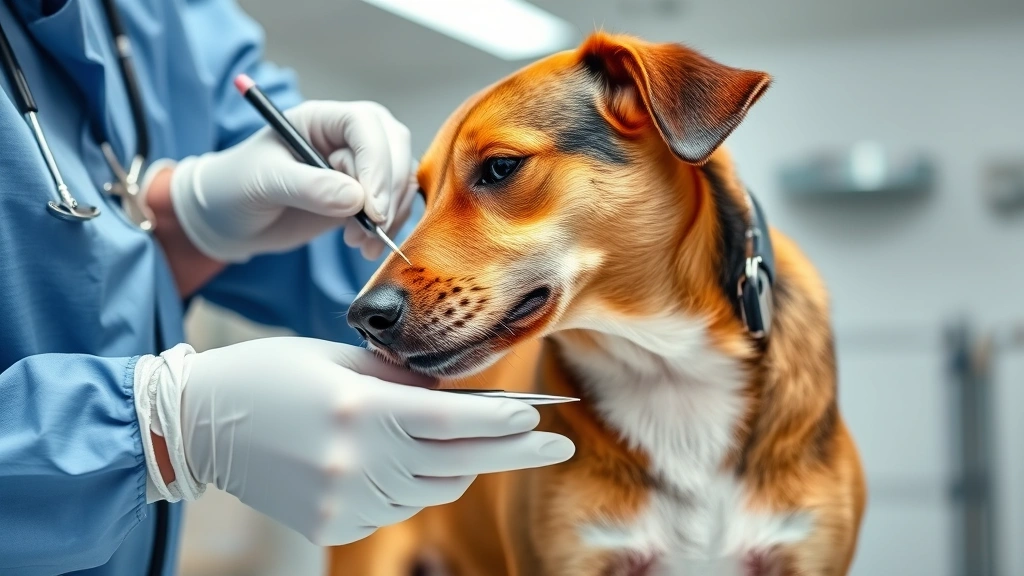
The Risks and Concerns
The primary concern veterinarians have about using peroxide on dogs relates to tissue damage and healing complications. Let’s break down the specific risks:
- Delayed Wound Healing: While peroxide effectively kills bacteria, it also damages healthy tissue cells that are essential for proper wound healing. This can actually prolong the recovery process and increase infection risk in the long run.
- Gas Embolism: In rare but serious cases, if peroxide is used on deep puncture wounds or cavities, the oxygen bubbles can become trapped in tissues, potentially causing a dangerous condition called gas embolism. This is a particularly important concern with deep bite wounds or punctures.
- Skin Irritation: Dogs have more sensitive skin than humans, with a different pH balance. Peroxide can disrupt this delicate balance and cause unnecessary irritation, redness, and inflammation.
- Toxicity with Ingestion: Dogs are notorious for licking their wounds. If your pup ingests hydrogen peroxide during the cleaning process, it can cause gastrointestinal upset, including vomiting and gas distension in the stomach.
- False Sense of Security: The fizzing action of peroxide can make wounds look cleaner than they actually are, potentially masking deeper infection or damage that requires professional attention.
Additionally, if you’re considering using peroxide to induce vomiting (a practice some pet owners have heard about), this is absolutely not recommended without explicit veterinary guidance. Modern veterinary toxicology has moved away from inducing vomiting in most poisoning cases, and doing so without professional supervision can cause serious harm.
When Peroxide Might Be Appropriate
While we’ve established that peroxide isn’t ideal for most dog wounds, there are limited situations where a veterinarian might recommend it. These scenarios are rare and should only be pursued under professional guidance:
- Specific Ear Infections: In some cases of bacterial or yeast ear infections, diluted peroxide solutions (specifically formulated for ears) might be recommended as part of a treatment protocol. However, this should only be done under veterinary supervision with proper instructions.
- Professional Wound Cleaning: Some veterinarians use peroxide as part of a professional wound cleaning procedure in clinical settings, where they can monitor the process and prevent complications.
- Specific Skin Conditions: Certain dermatological conditions might warrant peroxide use, but again, this would be prescribed and monitored by your veterinarian.
The key takeaway: just because something is safe for humans doesn’t automatically make it safe for dogs. Always consult with your vet before using any cleaning agents or medications on your dog’s skin or wounds.
Safer Alternatives for Dog Wounds
So if peroxide isn’t the answer, what should you reach for when your dog gets injured? Fortunately, there are several safer, vet-approved alternatives that are actually more effective for canine wound care:
Saline Solution: This is the gold standard for initial wound cleaning. A sterile saline solution (0.9% sodium chloride) gently cleanses wounds without damaging healthy tissue. You can purchase sterile saline at any pharmacy, or your vet can recommend a specific product.
Chlorhexidine: This antiseptic is commonly recommended by veterinarians for dog wound care. It’s gentler than peroxide while still being effective against bacteria. Products like Nolvasan are specifically formulated for use on canine skin and wounds.
Povidone-Iodine: Another veterinarian-approved antiseptic, povidone-iodine solutions can be used on dog wounds when diluted appropriately. Always follow your vet’s dilution instructions, as undiluted versions can be irritating.
When it comes to topical treatments after cleaning, you might wonder about whether Neosporin is safe for dogs. While some vets consider small amounts acceptable, there are better alternatives specifically formulated for dogs. Veterinary-approved antibiotic ointments are preferable because they’re designed with canine skin in mind and won’t cause issues if your dog licks them.
For general cleanliness and maintenance, you might also be curious about whether you can use baby wipes on dogs for regular grooming and cleaning. These can be useful for quick cleanups, but they’re not appropriate for wound care.
Proper Dog Wound Care Guidelines
Understanding how to clean a dog wound properly is essential for every responsible dog owner. Here’s a step-by-step guide for minor wounds:
- Safety First: If your dog is in pain or aggressive, don’t attempt to clean the wound yourself. Seek professional help immediately.
- Stop the Bleeding: Apply gentle pressure with a clean cloth for several minutes. Most minor wounds will stop bleeding on their own.
- Clip the Area: If hair surrounds the wound, carefully trim it away (don’t shave, as this can irritate skin). This helps prevent infection and allows you to monitor the wound.
- Gentle Cleaning: Use lukewarm sterile saline solution to gently rinse the wound. Avoid harsh scrubbing, which damages tissue.
- Pat Dry: Use a clean, soft cloth to gently pat the wound dry. Avoid rubbing.
- Apply Treatment: If recommended by your vet, apply an appropriate antiseptic or antibiotic ointment.
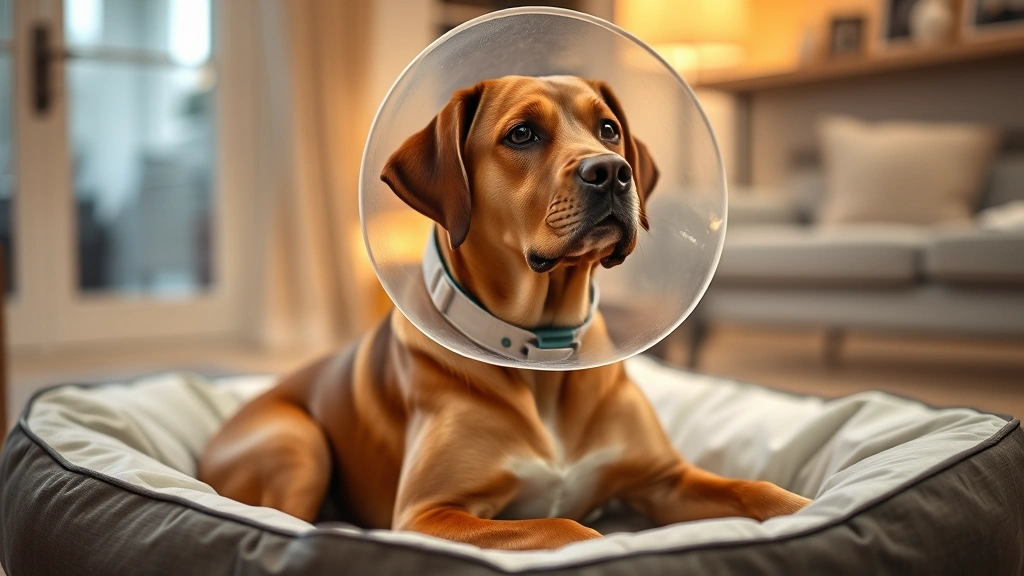
- Protect the Wound: Consider using a cone (Elizabethan collar) to prevent your dog from licking the wound, which can introduce bacteria and slow healing.
- Monitor Closely: Watch for signs of infection like increased redness, swelling, discharge, or odor.
For more serious wounds, punctures, bites, or any injury you’re unsure about, don’t hesitate to contact your veterinarian. Professional guidance on peroxide safety for dogs and other wound care questions should always be your first step when dealing with anything beyond minor scrapes.
If your dog has an ear infection and you’re considering home treatment, remember that treating dog ear infections without vet guidance can be risky. Ear infections often require professional diagnosis to determine the underlying cause—bacterial, fungal, or parasitic—and the wrong treatment can make things worse.
For comprehensive information about whether you can use peroxide on dogs in various situations, consult your veterinarian with specific details about your dog’s injury or condition.
According to the American Kennel Club’s guide to first aid and emergency care, proper wound management is crucial for preventing complications. The ASPCA also provides detailed wound care recommendations that emphasize the importance of using appropriate cleaning solutions.
Research published in veterinary dermatology journals has consistently shown that gentle saline solutions are superior to hydrogen peroxide for canine wound healing. Additionally, the Merck Veterinary Manual emphasizes evidence-based wound management practices that exclude peroxide for most canine applications.
Frequently Asked Questions
Can I use hydrogen peroxide to clean my dog’s ears?
While some diluted peroxide solutions are occasionally used for specific ear conditions, this should only be done under veterinary supervision. Undiluted peroxide in the ear canal can damage the delicate structures and cause severe irritation. If your dog has ear issues, consult your vet about safe cleaning solutions formulated specifically for canine ears.
What should I do if my dog accidentally ingests hydrogen peroxide?
If your dog has ingested hydrogen peroxide, contact your veterinarian or an emergency animal poison control center immediately. The ASPCA Animal Poison Control Center can be reached at (888) 426-4435. While small amounts of household peroxide are often not life-threatening, larger quantities can cause serious gastrointestinal issues. Provide your vet with the concentration and amount ingested so they can advise appropriately.
Is 3% hydrogen peroxide safer than higher concentrations for dogs?
While 3% household hydrogen peroxide is the most common concentration, it’s still not recommended for routine dog wound care. Higher concentrations (like 10% or 35% food-grade peroxide) are absolutely not safe for dogs under any circumstances. Even the 3% solution can cause tissue damage and other complications. Stick with vet-approved alternatives.
How can I tell if my dog’s wound is infected?
Signs of wound infection include increased redness, swelling, warmth, discharge (especially pus or bad-smelling fluid), excessive licking, or your dog showing signs of pain or discomfort. You might also notice your dog running a fever or acting lethargic. Any of these signs warrant immediate veterinary attention, as infected wounds can quickly become serious.
What’s the difference between antiseptic and antibiotic ointments?
Antiseptics (like chlorhexidine or povidone-iodine) kill or inhibit the growth of microorganisms on the skin surface. Antibiotic ointments (like veterinary-formulated triple antibiotic creams) contain actual antibiotics that kill bacteria. For dog wounds, your vet might recommend one or both depending on the wound type and severity. Antiseptics are typically used during cleaning, while antibiotics might be applied afterward.
Should I use a cone after treating my dog’s wound?
In most cases, yes. Dogs instinctively lick their wounds, which can introduce bacteria, remove protective ointments, and slow healing. An Elizabethan collar (cone) prevents this behavior while the wound heals. Your vet can advise on how long your dog should wear it based on the wound’s severity and location.
When should I take my dog to the vet for a wound?
Seek immediate veterinary care for: deep wounds, punctures, bite wounds, wounds that won’t stop bleeding after 10 minutes of pressure, wounds with torn or jagged edges, wounds larger than ¼ inch, or any wound showing signs of infection. Even seemingly minor wounds can become serious if not properly treated.





