

Can You Put Vaseline on Dogs? Safety Tips Every Pet Owner Should Know
Your furry best friend just came in from playtime with a scraped paw, and you’re standing in front of your bathroom cabinet wondering: can you put Vaseline on dogs? It’s a question that crosses the minds of many pet parents when their pups get minor cuts, dry patches, or irritated skin. The short answer is yes, but there’s definitely more to the story.
Vaseline, also known as petroleum jelly, is a common household product that’s been around since the 1870s. While it’s generally considered safe for dogs in small amounts, understanding how to use it properly is crucial for keeping your four-legged companion safe and healthy. In this comprehensive guide, we’ll explore everything you need to know about using Vaseline on your dog, from the benefits and risks to practical application tips and when you should skip it entirely.
Whether you’re dealing with a minor scrape, dry nose, or chapped paws, we’ve got you covered with expert advice and practical solutions.
Is Vaseline Safe for Dogs?
The answer to whether Vaseline is safe for dogs is nuanced. In moderation and under the right circumstances, Vaseline is generally considered safe for topical use on dogs. The American Kennel Club acknowledges that petroleum jelly is non-toxic to dogs, meaning it won’t poison your pup if ingested in small quantities. However, “safe” doesn’t mean it’s always the best choice for every situation.
Vaseline is inert, meaning it doesn’t react with the body or get absorbed into the bloodstream. This makes it a relatively low-risk option for minor skin issues. Unlike some human products that can be toxic to dogs, you won’t face dire consequences if your dog licks a small amount of Vaseline off their paw or nose. That said, the concern isn’t necessarily toxicity—it’s about effectiveness and potential complications.
The key to using Vaseline safely on dogs is understanding its properties and limitations. Petroleum jelly creates a waterproof barrier on the skin, which can be helpful in certain situations but problematic in others. Think of it as a protective coating rather than a healing treatment.
Benefits and Common Uses
So what can Vaseline actually do for your dog? There are several legitimate uses for this household staple in your pet care routine.
Paw Protection: One of the most popular uses for Vaseline on dogs is protecting their paws. If your dog has dry, cracked paws or you’re heading out into harsh winter conditions with salt and chemicals on the sidewalks, a thin layer of Vaseline can create a protective barrier. This is especially useful before walks in extreme weather.
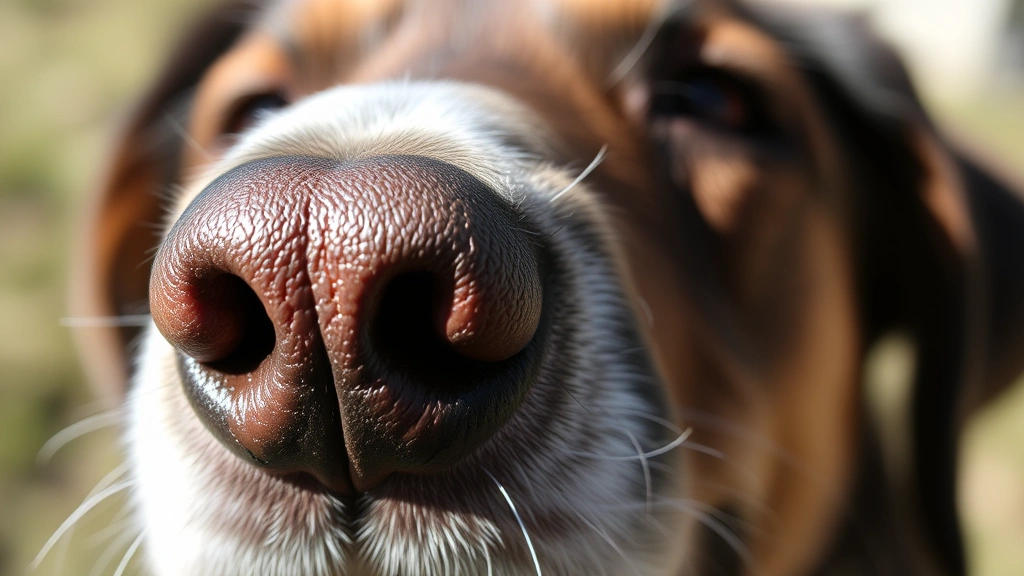
Nose Health: Dogs with dry, crusty noses can benefit from a small amount of Vaseline applied directly to their nose. This is particularly common in older dogs or those with naturally dry noses. The petroleum jelly helps retain moisture and prevents the nose from becoming overly dry and uncomfortable.
Minor Irritation Relief: For minor skin irritation or chafing, Vaseline can provide temporary relief. If your dog has been scratching an area raw or has mild friction-related irritation, the protective barrier can help prevent further damage while the skin heals naturally.
Medication Application: Sometimes vets recommend Vaseline as a base for applying other medications or as a way to help certain topical treatments stay in place longer. Always follow your veterinarian’s specific instructions in these cases.
Risks and Safety Concerns
While Vaseline is generally safe, there are several important considerations and potential risks you should understand before slathering it all over your pup.
Ingestion Issues: The biggest concern with Vaseline is what happens when your dog licks it off—and let’s face it, they will. While small amounts of petroleum jelly aren’t toxic, ingesting larger quantities can cause digestive issues. Dogs who consume significant amounts of Vaseline may experience loose stools, diarrhea, or greasy stools. This is especially problematic if your dog is prone to licking their own wounds or if you apply too much product.
Skin Suffocation: Petroleum jelly creates an occlusive barrier on the skin, which means it doesn’t allow the skin to breathe. For certain skin conditions, this can actually make things worse. If your dog has an infection or a condition that benefits from air exposure, Vaseline could trap moisture and bacteria, worsening the problem. This is why alternatives like Neosporin might be better for some situations.
Attracting Dirt: Because Vaseline is sticky and greasy, it attracts dirt, debris, and bacteria. If you apply it to your dog’s paws before a walk, they’re likely to pick up every speck of dirt and grime they encounter. This can actually increase the risk of infection rather than prevent it.
Staining and Mess: Let’s be practical—Vaseline is greasy. It will stain your furniture, bedding, and clothes. If your dog gets on your couch after you’ve applied Vaseline to their paws, you’ll have oily residue everywhere.
Choking Hazard: In rare cases, if a dog ingests a large amount of Vaseline, it could potentially cause a blockage or choking hazard, particularly in small breeds or puppies.

How to Safely Apply Vaseline to Your Dog
If you’ve decided that Vaseline is the right choice for your dog’s particular situation, here’s how to apply it safely and effectively.
- Use sparingly: Less is more when it comes to Vaseline on dogs. Apply only a thin layer—think of it as a light coating rather than a generous application. You want just enough to create a protective barrier without excess that your dog can easily lick off.
- Clean the area first: Before applying Vaseline, make sure the area is clean and dry. If your dog has a wound, follow proper wound cleaning procedures first. You can use warm water or a gentle antiseptic solution recommended by your vet.
- Apply with your finger: Use a clean finger or cotton swab to apply a thin layer directly to the affected area. Avoid using applicators that could break off and become a choking hazard.
- Consider a protective barrier: If you’re concerned about your dog licking the Vaseline off, you might want to cover the area with a bandage or protective wrap. Make sure it’s secure but not so tight that it restricts circulation.
- Monitor your dog: Watch your pup closely after application. If they’re obsessively licking the area, you may need to use a cone collar (also called an Elizabethan collar) to prevent excessive ingestion.
- Reapply as needed: Vaseline will wear off relatively quickly, especially if your dog is active or licking the area. You may need to reapply every few hours or as directed by your veterinarian.
- Wash your hands: Always wash your hands thoroughly after applying Vaseline to prevent transferring it to other surfaces or ingesting it yourself.
When You Should Avoid Using Vaseline
There are several situations where Vaseline is not the right choice for your dog, and you should consider alternatives or consult with your veterinarian.
Active Infections: If your dog has a bacterial or fungal infection, Vaseline will trap moisture and potentially make the condition worse. In these cases, Neosporin or other medicated treatments are better options.
Deep Wounds: Never use Vaseline on deep cuts, puncture wounds, or serious injuries. These require proper veterinary care and may need antibiotics or sutures. Covering a serious wound with Vaseline could trap bacteria and lead to serious infection.
Strong Allergic Reactions: If your dog shows signs of an allergic reaction to Vaseline—such as excessive itching, redness, or swelling—discontinue use immediately and contact your vet.
Digestive Issues: If your dog has a sensitive stomach or digestive problems, avoid using Vaseline where they can lick it off. The ingestion of petroleum jelly can exacerbate digestive issues.
Respiratory Issues: While unlikely, if your dog has respiratory problems, avoid applying Vaseline near their nose or mouth in large quantities, as it could potentially interfere with breathing.
When Your Dog Won’t Stop Licking: Some dogs are compulsive lickers. If your pup is constantly licking everything, including areas where you’ve applied Vaseline, it’s not a good choice. You’d be better off with a protective bandage or alternative treatment.
Safe Alternatives to Vaseline for Dogs
If Vaseline doesn’t seem like the right fit for your dog’s situation, there are several excellent alternatives worth considering.
Dog-Specific Paw Balms: Products specifically formulated for dogs are always a safer bet than human products. Dog paw balms are designed with canine skin in mind and often contain natural ingredients like beeswax, shea butter, and plant oils. These products provide similar protection to Vaseline without the same risks.
Aquaphor: Many pet owners wonder about using Aquaphor for dogs, and the answer is that it’s generally safe and often a better alternative to Vaseline. Aquaphor contains additional healing ingredients beyond petroleum jelly.
Coconut Oil: Raw, organic coconut oil is a natural alternative that many dogs tolerate well. It has natural antibacterial properties and is less likely to cause digestive upset if ingested in small amounts. However, some dogs may find it too oily.
Honey: Manuka honey, in particular, has natural antibacterial and healing properties. A small amount applied to minor wounds or dry patches can be beneficial. However, never use honey on dogs with diabetes.
Oatmeal-Based Products: For dry, irritated skin, oatmeal-based shampoos and treatments can provide relief without the risks associated with petroleum jelly.
Medicated Treatments: For specific conditions, your veterinarian might recommend hydrogen peroxide or other medicated solutions that actively treat the underlying problem rather than just creating a barrier.
Veterinary-Prescribed Products: If your dog has a persistent skin issue, your vet can prescribe specialized treatments designed specifically for their condition. These are always preferable to over-the-counter solutions when dealing with serious problems.
Frequently Asked Questions
Can I use Vaseline on my dog’s dry nose?
Yes, a small amount of Vaseline on your dog’s dry nose is generally safe. Many dogs develop crusty or dry noses, especially as they age. Apply a thin layer directly to the nose and monitor to ensure your dog doesn’t lick it off excessively. If the dryness persists or your dog’s nose becomes cracked or bleeding, consult your veterinarian as it could indicate an underlying health issue.
What happens if my dog licks Vaseline?
If your dog licks a small amount of Vaseline, don’t panic. It’s non-toxic and won’t cause serious harm. However, ingesting larger quantities can lead to loose stools, diarrhea, or greasy stools. If your dog consumes a large amount of Vaseline or shows signs of digestive distress, contact your veterinarian.
Can I use Vaseline on my dog’s paws before a walk?
You can apply a thin layer of Vaseline to your dog’s paws before a walk for protection, but be aware that it will attract dirt and debris. A better option might be dog booties or dog-specific paw balms that are designed to stay in place and protect against harsh conditions like salt and ice.
Is Vaseline toxic to dogs?
No, Vaseline is not toxic to dogs according to the ASPCA. However, non-toxic doesn’t mean it’s ideal for all situations. It’s safe in small amounts but can cause digestive issues if ingested in large quantities.
How often can I apply Vaseline to my dog?
You can apply Vaseline to your dog as often as needed, typically every few hours if necessary. However, if you find yourself reapplying frequently, it might be worth discussing alternative treatments with your veterinarian. Constant reapplication could indicate an underlying issue that needs attention.
Can Vaseline cause allergic reactions in dogs?
While allergic reactions to Vaseline are rare, they can occur. If your dog shows signs of an allergic reaction such as excessive itching, redness, swelling, or hives after you apply Vaseline, stop using it immediately and contact your vet.
Should I use Vaseline or Neosporin on my dog’s wound?
For minor cuts and scrapes, Neosporin is often preferable to Vaseline because it contains antibacterial ingredients that actively fight infection. However, always check with your veterinarian before using any product on your dog’s wounds. Some vets prefer other treatments, and serious wounds require professional attention.
Can puppies use Vaseline?
Puppies can technically use Vaseline safely in small amounts, but they’re more likely to lick it off due to their curious nature and higher activity levels. If you do use Vaseline on a puppy, use an even smaller amount than you would for an adult dog and monitor closely to prevent excessive ingestion.





