
Did They Use Dogs in the Civil War? A Historical Look at Our Canine Companions in Combat
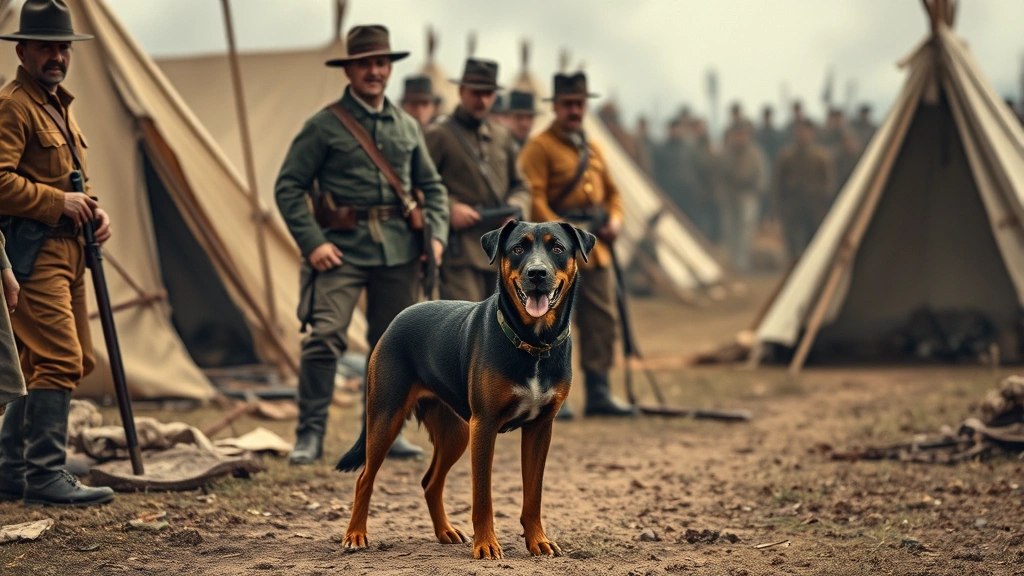
When we think about the American Civil War, we typically picture soldiers marching across battlefields, generals strategizing in tents, and the clash of armies that defined a nation. But there’s a fascinating and often overlooked aspect of this pivotal conflict: the crucial role that dogs played in military operations. From reconnaissance missions to morale-boosting companionship, canines were far more than just mascots during the Civil War—they were working soldiers in their own right.
The question “did they use dogs in the civil war?” opens a window into a lesser-known chapter of American history. These four-legged warriors served in various capacities, demonstrating intelligence, loyalty, and bravery that earned them a place alongside their human counterparts. Their contributions ranged from practical military applications to emotional support during the darkest hours of battle, making them invaluable assets to both Union and Confederate forces.
Whether you’re a history enthusiast, a dog lover, or simply curious about the intersection of these two worlds, this comprehensive exploration will shed light on how our beloved canine companions served during one of America’s most significant conflicts.
The Role of Dogs in Civil War Military Operations
The American Civil War (1861-1865) was a transformative period in military history, and dogs played a more significant role than many people realize. Military leaders on both sides recognized the value of canines for their acute senses, trainability, and unwavering loyalty. Unlike horses, which were extensively documented and celebrated, dogs operated somewhat behind the scenes, yet their contributions were equally vital to military operations.
Dogs served in multiple capacities throughout the conflict. They accompanied cavalry units, marched with infantry regiments, and performed specialized tasks that required their unique abilities. The American Kennel Club has documented various accounts of Civil War canines, though detailed records from that era remain somewhat fragmented. What we do know comes from soldiers’ letters, regimental histories, and period photographs that capture these remarkable animals in their service.
The practical benefits of having dogs on the battlefield were numerous. Their keen sense of smell could detect approaching enemies before human sentries spotted them. Their hearing surpassed human capabilities, allowing them to alert troops to danger. Perhaps most importantly, their presence provided psychological comfort to soldiers enduring the horrors of war. In an age before modern warfare technology, these natural abilities made dogs indispensable to military commanders.
Military Duties: More Than Just Mascots
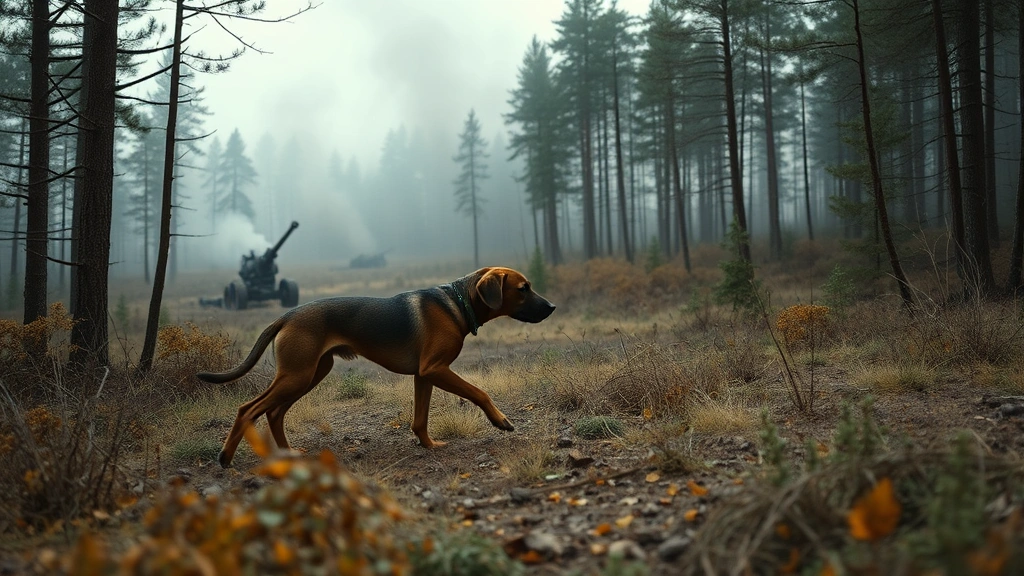
While many Civil War regiments did keep dogs as mascots—which certainly boosted morale—the animals often served far more practical purposes. Some dogs were trained to retrieve ammunition, carry supplies, or deliver messages between units. Others worked as scouts, ranging ahead of advancing troops to assess terrain and detect enemy positions. The versatility of canines made them adaptable to whatever challenges each military situation presented.
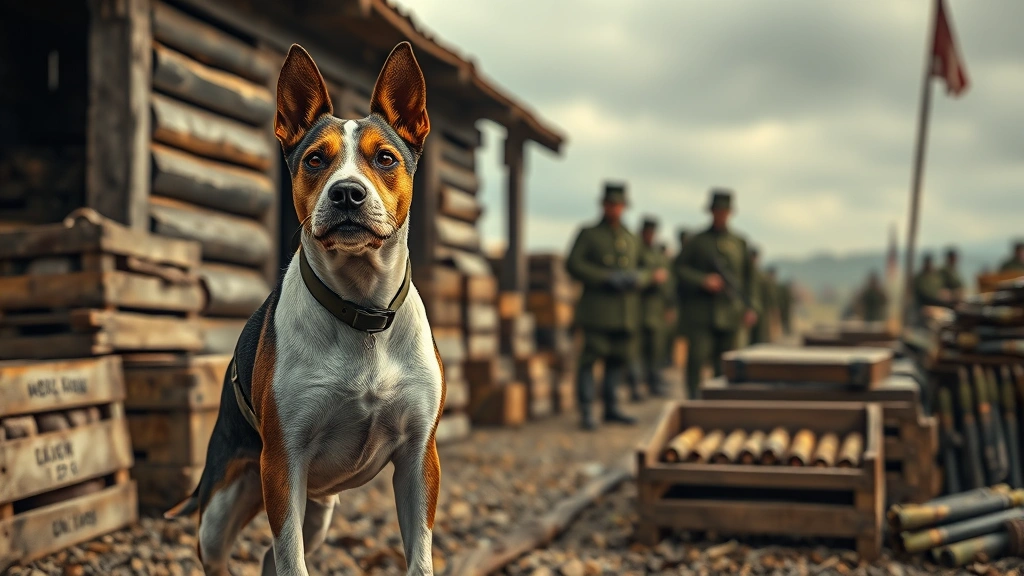
Sentries with dogs proved far more effective than those without. A dog could alert soldiers to approaching troops or intruders with barks that carried farther than human voices. Some accounts describe dogs being used to guard supply depots, protecting valuable food and ammunition from theft or sabotage. Their protective instincts, combined with their territorial nature, made them natural guardians for sensitive military installations.
One particularly important function involved tracking wounded soldiers after battles. Dogs with keen senses could locate men who had fallen in dense brush or smoke-covered fields. This capability, while seemingly simple, potentially saved countless lives by enabling medics to find and treat injured soldiers more quickly. The loyalty dogs demonstrated in searching for their human companions became legendary among soldiers who witnessed it.
It’s worth noting that while these duties sound straightforward, training dogs for military service required considerable skill and patience. Handlers developed bonds with their animals that often lasted throughout the war and beyond, similar to how we might wonder do dogs go to heaven—soldiers certainly hoped their fallen companions found peace.
Notable Canine Heroes of the Civil War
Several dogs achieved particular fame during the Civil War, their stories preserved in regimental records and soldiers’ memoirs. One of the most celebrated was a dog named Jack, who served with the 102nd Pennsylvania Infantry. Jack became legendary for his bravery during the Battle of Gettysburg, reportedly staying with wounded soldiers even as artillery shells exploded around them. His unwavering presence during that crucial battle earned him recognition from officers and enlisted men alike.
Another remarkable canine was Sallie Ann Jarrett, a Staffordshire Bull Terrier who served with the 11th Pennsylvania Infantry. Sallie Ann participated in numerous battles and earned the distinction of being present at major engagements including Gettysburg. Her loyalty to her regiment was so profound that she reportedly refused to leave the battlefield even when urged to safety by handlers. After the war, a monument was erected in her honor, recognizing her service and sacrifice.
Then there was Old Abe, though technically a bald eagle rather than a dog, his story illustrates the broader phenomenon of animal mascots serving with distinction. However, the canine companions deserve equal recognition. Dogs like those serving with the 1st Minnesota Infantry became symbols of their regiments’ pride and resilience. These animals endured the same hardships as their human companions—long marches, inadequate food, exposure to the elements—yet remained steadfastly loyal.
The stories of these dogs were often recorded by soldiers who witnessed their exploits firsthand. Letters home frequently mentioned a regiment’s canine mascot and its particular talents or endearing qualities. These personal accounts provide invaluable insight into how deeply soldiers valued their animal companions and how integral dogs had become to military life during the Civil War.
Breeds Preferred for Military Service
Not all dogs were equally suited for military service during the Civil War. Certain breeds demonstrated characteristics that military leaders found particularly valuable. The ASPCA has historical records indicating that larger, more robust breeds were preferred for their strength and endurance. Mastiffs, Bloodhounds, and various terrier mixes were commonly employed, each bringing different strengths to their roles.
Bloodhounds, with their legendary tracking abilities, proved invaluable for pursuing deserters or locating lost soldiers. Their sense of smell was so acute that they could follow a trail hours or even days old. These dogs were particularly valued by cavalry units that needed reliable tracking capabilities. The breed’s size and strength also made them suitable for the rigorous demands of military campaigns.
Terriers, smaller but fierce and determined, excelled at guard duties and sentry work. Their alertness and tendency to bark at disturbances made them excellent early-warning systems. Soldiers often favored terriers as personal companions because they were easier to transport than larger breeds and required less food—a significant consideration for armies perpetually short on supplies. Some soldiers wondered about canine behavior quirks like why do dogs eat poop, though such concerns were secondary to the practical demands of wartime service.
Mixed breeds also served admirably throughout the conflict. Many regiments simply adopted local dogs encountered during campaigns, and these scrappy animals often proved as valuable as any purebred. Their mixed heritage sometimes gave them hybrid vigor—greater strength, intelligence, and adaptability than their purebred cousins. The practical reality of Civil War service meant that any dog with suitable temperament and health could serve, regardless of pedigree.
The Human-Dog Bond During Wartime
Perhaps the most touching aspect of dogs’ service in the Civil War was the profound emotional connection they formed with soldiers. War is inherently dehumanizing and traumatic, and the presence of a loyal dog provided soldiers with a connection to normalcy and unconditional affection. Letters from soldiers frequently mention their regiment’s dog with obvious affection, often describing the animal’s personality and quirks in intimate detail.
Dogs offered soldiers something the military hierarchy could not: non-judgmental companionship. A soldier could confide fears and doubts to his canine companion without worrying about military discipline or social judgment. This psychological support was invaluable for men enduring the constant stress of combat, inadequate food and shelter, and the ever-present danger of death or serious injury.
The bond between soldiers and their dogs sometimes transcended military necessity. Accounts describe soldiers sharing their meager rations with their canine companions, even when food was desperately scarce. They fashioned protective coverings for dogs during cold weather and tended to their injuries with the same care they’d give a human comrade. This mutual devotion created bonds that lasted long after the war ended, with many soldiers maintaining relationships with their former canine companions.
Some soldiers took their dogs home after the war, integrating them into civilian life. Others were separated from their beloved companions when units disbanded, a source of genuine grief for many veterans. The deep attachment soldiers felt for their canine comrades speaks volumes about how powerfully these animals impacted those who served alongside them. It makes one ponder philosophical questions, such as do dogs go to heaven, which many soldiers probably contemplated when forced to leave their companions behind.
Dogs as Messengers and Sentries
One of the most sophisticated uses of dogs during the Civil War involved their employment as messengers. While this role was less common than guard or morale duties, it demonstrated the considerable intelligence of canines and the ingenuity of military handlers. Dogs trained to carry messages between units could navigate terrain more quickly than human couriers in some situations, and their smaller size made them less conspicuous targets for enemy fire.
The mechanics of canine message delivery required careful training. Dogs would be conditioned to recognize specific officers or locations and taught to carry pouches containing written orders or intelligence. A handler would show the dog an object associated with the recipient, give the command to deliver, and the dog would navigate to that person or location. Success rates varied, but documented accounts suggest that trained messenger dogs successfully completed their missions with reasonable frequency.
As sentries, dogs proved remarkably effective. Their superior hearing and smell allowed them to detect approaching enemies long before human sentries could perceive danger. Dogs were stationed around encampments and supply depots, their alertness providing security that exhausted human guards might fail to maintain. The presence of dogs also served a psychological function, reassuring soldiers that their camp was being actively monitored and protected.
An interesting parallel exists between Civil War military dogs and modern working dogs. Just as we might examine specific traits in contemporary canines—such as how many teeth do dogs have when considering breeding for specific tasks—Civil War handlers were increasingly aware that certain physical and temperamental characteristics made dogs better suited for particular military roles.
The Legacy of Civil War Canines
The service of dogs during the Civil War contributed significantly to the development of modern military dog programs. The success and value demonstrated by Civil War canines helped establish the precedent for formal military dog training and deployment that continues to this day. Modern military and law enforcement agencies owe a debt to the Civil War handlers and soldiers who first systematized the use of dogs in military operations.
The recognition of dogs’ military value influenced civilian attitudes toward the breed as well. After the Civil War, certain breeds gained enhanced reputation based partly on their wartime service. Accounts of canine bravery and loyalty captured public imagination, contributing to the growing interest in dog breeding and showing that would flourish in the late 19th century. The American Kennel Club was founded in 1884, just years after the Civil War ended, partly in response to growing public interest in dogs stimulated by their wartime achievements.
Historical documentation of Civil War canines remains somewhat scattered, but dedicated historians and dog enthusiasts continue to research and preserve these stories. Regimental histories, soldiers’ memoirs, and period photographs provide glimpses into the lives of these remarkable animals. Several monuments and memorials specifically honor dogs that served during the conflict, ensuring their contributions are not forgotten.
The emotional resonance of dogs’ Civil War service endures today. Modern readers find inspiration in stories of canine loyalty and bravery that transcended the horrors of warfare. These historical narratives remind us of the deep connections that can exist between humans and dogs, bonds that persist even in humanity’s darkest hours. Whether contemplating lighter topics like why do dogs love tennis balls or more profound questions about canine nature, we can appreciate how dogs have consistently demonstrated their value to human society.
Modern military and police K-9 units directly trace their lineage to the informal systems developed during the Civil War. Today’s military working dogs undergo rigorous training programs that would have amazed Civil War handlers, yet the fundamental purpose remains unchanged: leveraging dogs’ natural abilities to serve alongside humans in challenging and dangerous situations. The science behind dog training has advanced considerably, but the basic principles established during the Civil War remain relevant.
For dog lovers and history enthusiasts alike, the story of Civil War canines offers a unique perspective on a familiar conflict. These animals remind us that history is not solely the domain of human actors, but includes the creatures who shared in the experiences and sacrifices of their human companions. The American Kennel Club maintains historical records about Civil War era dogs, making this information increasingly accessible to modern researchers and interested readers.
Frequently Asked Questions
How many dogs served during the American Civil War?
Exact numbers are difficult to determine due to incomplete historical records, but historians estimate hundreds of dogs served with various regiments on both Union and Confederate sides. Many regiments kept multiple dogs, and countless unofficial canine companions accompanied soldiers throughout the war. The lack of formal military documentation for dogs makes precise counts impossible, but accounts suggest their presence was widespread and significant.
What specific tasks did Civil War dogs perform?
Civil War dogs served multiple functions including sentry duty, guarding supply depots, tracking enemies or deserters, locating wounded soldiers, carrying messages, and providing morale support to troops. Some dogs served with cavalry units, while others remained with infantry regiments. The specific duties often depended on a dog’s temperament, training, and the particular needs of the regiment it served.
Did Confederate and Union forces use dogs differently?
While both sides utilized dogs, specific tactical applications sometimes differed based on military strategy and regional resources. Confederate forces, often operating in familiar terrain, sometimes employed local dogs for scouting and tracking. Union forces, advancing through unfamiliar territory, frequently used dogs for reconnaissance and security. However, the fundamental roles remained similar across both armies.
What happened to military dogs after the Civil War ended?
Most Civil War dogs were simply released or returned to civilian life when regiments disbanded. Many soldiers who had formed deep attachments to their canine companions attempted to take them home, while others were separated from their dogs. Some dogs remained with military installations or were adopted by local civilians. Few received formal recognition or pensions, though some achieved local fame and were cared for by grateful communities.
Are there memorials to Civil War dogs?
Yes, several monuments and memorials honor dogs that served during the Civil War. The most notable is the monument to Sallie Ann Jarrett at Gettysburg National Cemetery. Various regimental histories and local historical societies also maintain records of their regiments’ canine mascots and service animals. These memorials ensure that the contributions of these remarkable animals are not forgotten.
How did Civil War dog training compare to modern military dog training?
Civil War dog training was largely informal and based on practical experience rather than systematic programs. Handlers learned through trial and error, developing techniques that worked in field conditions. Modern military dog training is far more sophisticated, involving specialized facilities, scientific approaches to behavior modification, and comprehensive curricula. However, the fundamental principles established during the Civil War—recognizing dogs’ natural abilities and training them to perform specific tasks—remain central to contemporary programs.
Why aren’t Civil War dogs more commonly discussed in historical accounts?
Dogs received less formal documentation than horses, which were extensively catalogued in military records. The informal nature of most Civil War dog service—many were unofficial mascots rather than formally enlisted animals—meant fewer official records were created. Additionally, historical focus has traditionally concentrated on human actors, with animal contributions receiving secondary attention. Modern historians increasingly recognize this gap and are working to preserve and publicize these important stories.





