

Do Dogs Ejaculate? Understanding Canine Reproduction
Ever wonder about the biological mechanics of your furry friend? Whether you’re a dog owner, breeder, or simply curious about canine biology, understanding reproductive processes is essential knowledge. The question of whether dogs ejaculate might seem straightforward, but the answer opens up a fascinating world of canine physiology that many pet parents never consider.
Unlike humans, dogs operate on a completely different reproductive timeline and cycle. Their bodies are finely tuned machines designed by evolution to ensure species survival, and every biological function—including ejaculation—serves a specific purpose in their reproductive strategy. Understanding these processes helps responsible dog owners make informed decisions about breeding, spaying, neutering, and overall pet health.
Let’s dive deep into the science of canine reproduction and answer all your burning questions about this natural but often misunderstood biological process.
Yes, Dogs Do Ejaculate: The Biological Basics
The short answer is absolutely yes—dogs do ejaculate. Male dogs are biologically programmed to reproduce, and ejaculation is a crucial component of their reproductive system. However, the specifics of canine ejaculation differ significantly from human reproduction in timing, frequency, and biological purpose.
When a male dog reaches sexual maturity—typically between six months and three years of age depending on breed—his body begins producing sperm. This reproductive capability continues throughout his entire life, unlike female dogs whose fertility follows a specific cyclical pattern. A male dog’s ejaculate serves the singular purpose of delivering sperm to a female for potential fertilization.
The ejaculate itself contains seminal fluid produced by the prostate gland and seminal vesicles, along with sperm cells produced in the testes. This fluid provides nutrients and protection for sperm during their journey, much like in human reproduction. Understanding this basic biology helps pet owners recognize that ejaculation is a completely natural physiological process, not something to be concerned about or embarrassed discussing with a veterinarian.
If you’re considering breeding your dog, it’s worth learning about whether dogs have periods, as understanding female reproductive cycles is equally important for responsible breeding decisions.
Understanding the Canine Reproductive Cycle
While male dogs can reproduce year-round once they reach maturity, female dogs operate on a different schedule entirely. This is where the reproductive biology becomes particularly interesting and somewhat complex. Female dogs typically go into heat twice per year, and understanding how long dogs stay in heat is crucial information for any dog owner.
The estrous cycle in female dogs lasts approximately 21 days and occurs roughly every six months, though this varies by individual and breed. During this time, females release pheromones that signal to males they’re ready to breed. Male dogs can detect these chemical signals from impressive distances, sometimes up to a mile away, which is why intact males may become restless or attempt to escape during breeding season.
Understanding this cycle is vital when considering breeding or managing an intact dog’s behavior. For those not planning to breed, spaying and neutering remain the most effective ways to prevent unwanted litters and reduce certain behavioral issues. If you’re wondering about the medical aspects, learn more about whether dogs can be spayed while in heat, as timing matters for surgical procedures.
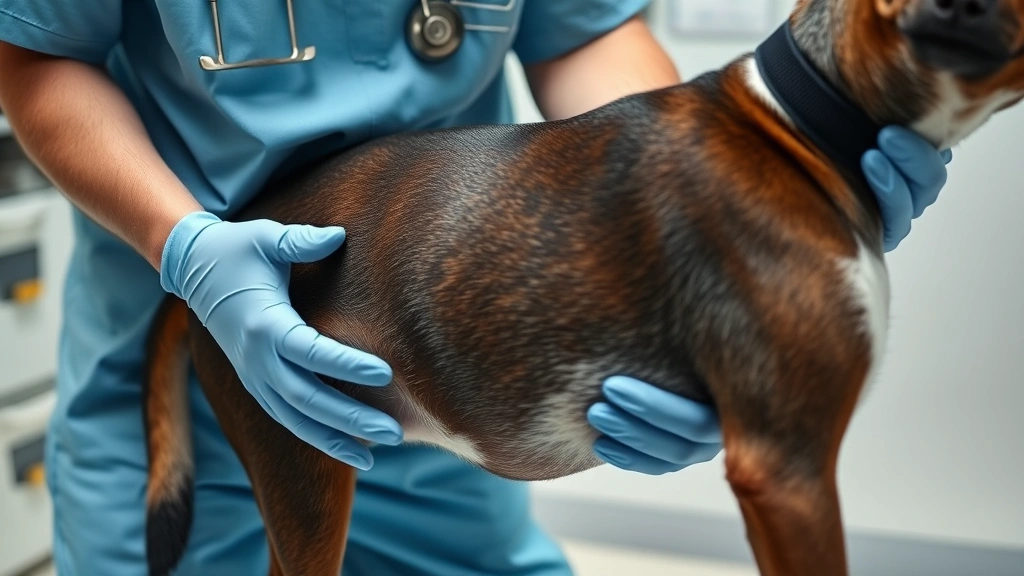
Male Dog Anatomy and Function
The male canine reproductive system is elegantly designed for one primary function: producing and delivering sperm. Understanding the anatomical components helps explain why and how ejaculation occurs in dogs.
The primary reproductive organs include:
- Testes: These two glands produce sperm and testosterone. Located in the scrotum, they maintain optimal temperature for sperm production.
- Epididymis: A coiled tube where sperm mature and are stored until needed.
- Vas deferens: Muscular tubes that transport sperm from the epididymis toward the urethra during ejaculation.
- Prostate gland: Produces seminal fluid that comprises the majority of ejaculate. This gland can become enlarged or infected, leading to health issues.
- Seminal vesicles: Contribute additional fluid to the ejaculate.
- Penis and prepuce: The external genitalia used for mating and urination.
During sexual arousal or mating, muscular contractions push sperm and seminal fluid through the urethra in a process called ejaculation. This is an involuntary reflex in dogs, meaning the dog’s body responds automatically to mating stimuli without conscious control. The entire process happens relatively quickly in dogs, often within seconds.
According to the American Kennel Club, understanding male dog anatomy is essential for breeders and owners alike, as reproductive health directly impacts overall wellness.
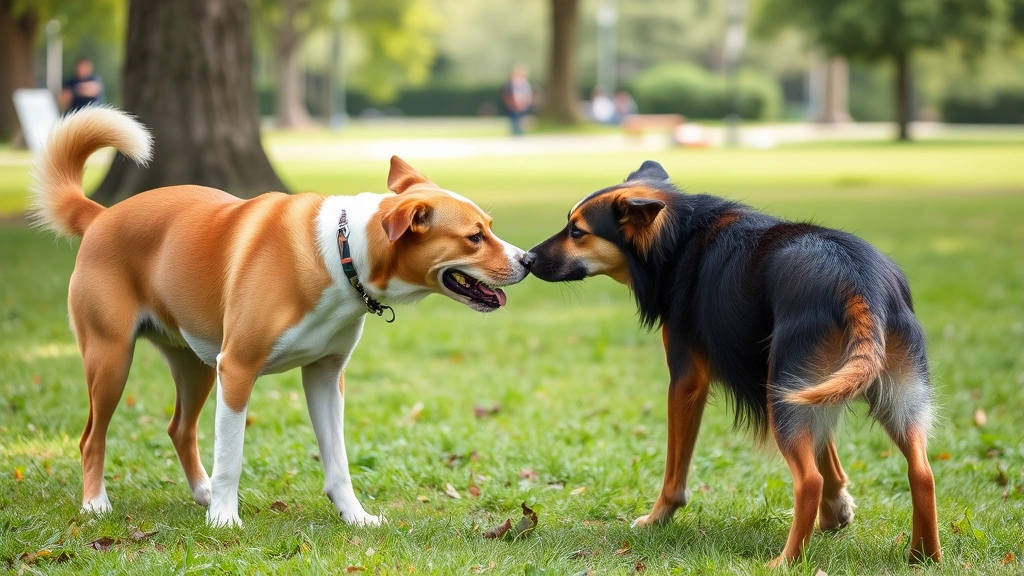
The Mating Process Explained
When a female dog enters heat, males instinctively respond to her pheromones. The mating process in dogs is quite different from human reproduction and involves specific behavioral and physiological stages.
The typical mating sequence includes:
- Courtship: The male becomes attracted to the female’s scent and displays interest through play and physical contact.
- Mounting: The male positions himself on the female’s back, which is called mounting or riding.
- Intromission: The male’s penis becomes erect and enters the female’s vagina.
- Ejaculation: Muscular contractions propel sperm and seminal fluid into the female.
- The tie: A unique feature of dog mating where the male’s penis becomes temporarily locked inside the female due to swelling of the bulbous glandis. This tie typically lasts 5-30 minutes and is completely normal.
- Separation: After the tie ends, the male dismounts and both dogs separate.
The entire mating process might seem brief, but it’s evolutionarily optimized for reproductive success. The tie ensures maximum sperm transfer and increases the likelihood of successful fertilization. This is why attempting to separate mating dogs is dangerous and unnecessary—they will separate naturally once the physiological process completes.
Sperm Production and Fertility in Dogs
Male dogs reach sexual maturity at different ages depending on breed size. Small breeds typically mature between 6-12 months, while large and giant breeds may not reach full maturity until 18-24 months. Once mature, a healthy male dog produces sperm continuously throughout his life.
The quality and quantity of sperm can be affected by several factors:
- Age: Young males just reaching maturity and very old males may have reduced fertility.
- Health status: Infections, hormonal imbalances, and chronic diseases can impact sperm production.
- Nutrition: A balanced diet rich in proteins, vitamins, and minerals supports healthy sperm production.
- Exercise: Regular physical activity maintains overall reproductive health.
- Environmental factors: Excessive heat can temporarily reduce sperm quality.
- Breeding frequency: Dogs bred too frequently may experience temporary reduced fertility.
For breeders, veterinarians can perform semen analysis to evaluate sperm count, motility, and morphology. This testing helps determine if a male dog is suitable for breeding and can identify potential reproductive issues early. The ASPCA recommends regular veterinary check-ups for all dogs, including reproductive health assessments for breeding animals.
Behavioral Changes During Reproductive Season
When female dogs enter heat, intact males often display noticeable behavioral changes. These aren’t signs of misbehavior—they’re biological responses to powerful chemical signals their bodies are programmed to recognize.
Common behavioral changes in intact males include:
- Increased restlessness: Males may pace, whine, or seem anxious.
- Escape attempts: Driven by reproductive urges, males may try to break through barriers or escape yards to find females.
- Reduced appetite: Some males eat less when females are in heat nearby.
- Urine marking: Increased frequency of marking territory with urine.
- Aggression toward other males: Competition for female attention can increase tension between male dogs.
- Excessive vocalization: Barking, howling, or whining becomes more frequent.
These behaviors underscore why responsible pet ownership often includes spaying and neutering. These procedures eliminate the hormonal drives behind reproductive behaviors and provide significant health benefits. If you’re curious about other behavioral mysteries, you might wonder whether dogs understand death or explore other canine behaviors through our comprehensive guides.
Health Considerations for Intact Males
Keeping a male dog intact has both advantages and disadvantages that owners should carefully consider. While reproduction is natural, there are specific health implications of maintaining an intact male dog.
Potential health risks of intact males include:
- Prostate disease: Enlarged prostate, prostatitis, and prostatic cancer are more common in intact males.
- Testicular cancer: Intact males are at higher risk for testicular tumors.
- Perianal fistulas: These painful anal gland conditions occur more frequently in intact males.
- Behavioral issues: Aggression and roaming behaviors can lead to injuries and accidents.
- Unwanted breeding: Accidental litters create overpopulation in shelters and rescues.
Benefits of neutering include:
- Elimination of testicular cancer risk
- Reduced prostate problems
- Decreased aggression toward other males
- Reduced roaming and escape attempts
- Prevention of accidental breeding
- Potential reduction in certain behavioral problems
According to veterinary research published through the Veterinary Partner, neutering before sexual maturity provides the greatest health benefits. However, recent studies suggest waiting until growth plates close in large breed dogs, as early neutering may increase orthopedic issues. Your veterinarian can recommend the optimal timing for your individual dog based on breed, size, and health status.
The decision to keep a dog intact should involve serious discussion with your veterinarian. Unless you’re a responsible breeder with appropriate health testing, genetic knowledge, and homes lined up for puppies, neutering provides substantial health and behavioral benefits. The overpopulation crisis in shelters makes responsible breeding practices essential—millions of dogs are euthanized annually in shelters due to overpopulation.
Frequently Asked Questions
How often do male dogs ejaculate naturally?
Male dogs don’t ejaculate on a schedule like female dogs go into heat. Ejaculation occurs only during mating or in response to sexual stimulation. Outside of breeding situations, intact males may experience occasional spontaneous ejaculation, particularly during dreams or times of excitement, but this is relatively uncommon.
Can neutered dogs still ejaculate?
No, neutered dogs cannot ejaculate because the procedure removes the testes, which produce sperm. Neutering eliminates the hormonal drives and physical capability for ejaculation. This is one reason neutering is so effective at reducing reproductive behaviors.
At what age do male dogs start ejaculating?
Male dogs begin producing sperm and are capable of ejaculation once they reach sexual maturity. This typically occurs between 6-18 months of age, depending on breed size. Small breeds mature faster than large breeds.
Is it normal for male dogs to have discharge?
A small amount of clear or slightly cloudy discharge from the penis can be normal, particularly in intact males. However, excessive discharge, discoloration, or foul odor may indicate infection and warrants veterinary attention. Conditions like balanitis (inflammation of the prepuce) require professional treatment.
Do all male dogs ejaculate the same amount?
No, the volume of ejaculate varies among individual dogs. Larger dogs generally produce more ejaculate than smaller dogs. Age, health status, and time since last mating also affect volume. A healthy male dog’s ejaculate volume typically ranges from 0.5 to 2 milliliters.
What should I do if my male dog is constantly trying to mate?
Persistent mating attempts indicate your dog is likely responding to a female in heat nearby or is experiencing hormonal urges. If you’re not planning to breed, neutering is the most effective solution. If you notice this behavior and have no female dogs in heat nearby, consult your veterinarian to rule out medical issues like prostate disease.
Can female dogs get pregnant from a single mating?
Yes, female dogs can become pregnant from a single mating. However, multiple matings during the fertile period increase the likelihood of pregnancy. This is why the tie in dogs is significant—it helps ensure sperm transfer and increases reproductive success.
How long does a dog’s ejaculation last?
Canine ejaculation occurs very quickly, typically lasting just a few seconds. The entire process from mounting to ejaculation might take anywhere from 15 seconds to a few minutes in total, though the actual ejaculation reflex is nearly instantaneous.





