

Can Dogs Get Colds? What Vets Say
There’s nothing quite like watching your beloved furry friend sniffle, sneeze, and generally look miserable. As a pet parent, you might find yourself wondering: do dogs get a cold just like humans do? The short answer is yes—but with some important caveats. Dogs can absolutely develop cold-like symptoms, though the viruses that cause canine colds differ significantly from the rhinoviruses that plague us humans during winter months.
The tricky part? Distinguishing between a simple cold and something more serious. While most doggy colds are mild and self-limiting, they can occasionally indicate underlying health concerns that warrant veterinary attention. Understanding what’s normal, what’s concerning, and when to call your vet can help you keep your pup comfortable and healthy.
In this comprehensive guide, we’ll explore everything you need to know about canine colds, from what causes them to how you can help your four-legged friend feel better. We’ll also cover when it’s time to seek professional help and what you can do at home to support recovery.
What Is a Cold in Dogs?
A cold in dogs is essentially an upper respiratory infection (URI) caused by various viral or bacterial pathogens. Unlike humans, who are susceptible to thousands of cold-causing rhinoviruses, dogs contract infections from species-specific viruses and bacteria. These infections primarily affect the nose, throat, and upper respiratory tract, causing inflammation and the characteristic symptoms we associate with being under the weather.
The good news? Most canine colds are mild and resolve on their own within 7-10 days. Your dog’s immune system is remarkably efficient at fighting off these common infections. However, certain breeds, puppies, senior dogs, and immunocompromised pups may experience more severe symptoms or longer recovery periods.
It’s worth noting that dogs can’t catch human colds from us—our viruses simply don’t infect them. However, they can catch their own version of respiratory infections from other dogs or contaminated environments.
What Causes Colds in Dogs?
Several pathogens can cause cold-like symptoms in dogs. Understanding these culprits helps you recognize why your pup might be under the weather and what precautions to take around other dogs.
Viral Causes: The most common viral offenders include canine parainfluenza virus, canine adenovirus, and canine coronavirus. These viruses spread through respiratory droplets when infected dogs cough, sneeze, or share food and water bowls. Canine parainfluenza is particularly common in multi-dog households and boarding facilities.
Bacterial Causes: Secondary bacterial infections can develop after an initial viral infection. Bordetella bronchiseptica is notorious for causing “kennel cough,” a highly contagious condition characterized by a persistent, hacking cough. This bacterium thrives in crowded environments like shelters, boarding facilities, and dog parks.
Environmental Factors: Cold weather, stress, poor ventilation, and exposure to smoke or other irritants can increase your dog’s susceptibility to respiratory infections. Dogs who spend time in shelters, boarding facilities, or dog parks face higher exposure risks.
Interestingly, dogs can get the flu as well, which presents similarly to a common cold but may be more severe. The canine influenza virus is a separate concern from standard URIs.
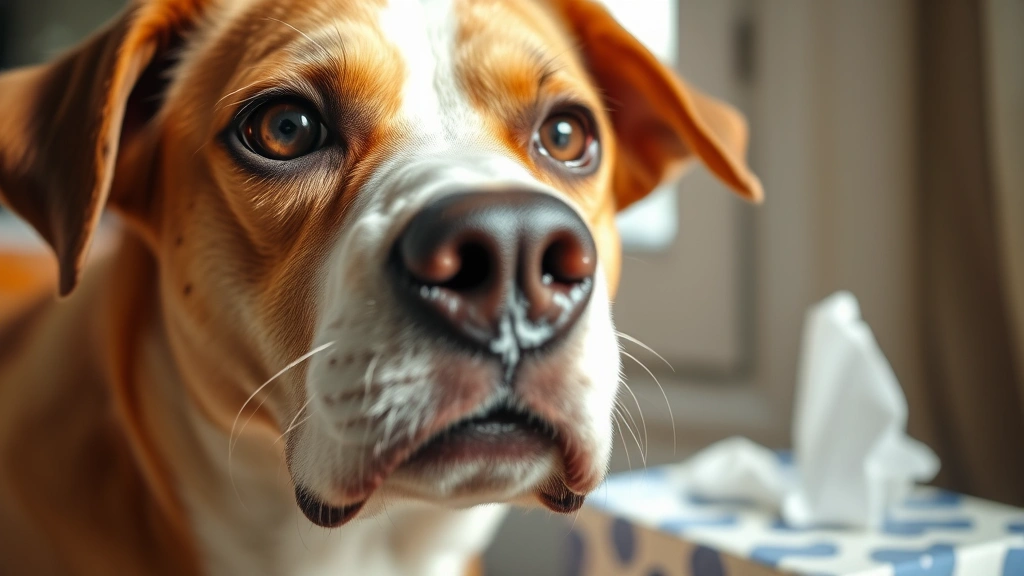
Common Symptoms of Canine Colds
Recognizing the signs of a cold helps you determine whether your dog needs rest at home or veterinary attention. Cold symptoms in dogs typically mirror those in humans, though dogs can’t tell us exactly how they feel.
Primary Symptoms Include:
- Sneezing and nasal congestion: Your dog might sneeze more frequently than usual or seem to have difficulty breathing through their nose. This is often the first sign pet parents notice.
- Coughing: A mild, occasional cough is common, though persistent coughing warrants closer observation.
- Nasal or ocular discharge: You might notice clear to slightly cloudy discharge from your dog’s nose or eyes. This typically starts clear and may become thicker as the infection progresses.
- Excessive sneezing: While an occasional sneeze is normal, frequent sneezing episodes suggest upper respiratory involvement.
- Lethargy: Your normally energetic pup might seem less interested in play or walks. This is your dog’s way of conserving energy for immune system function.
- Reduced appetite: Congestion can affect your dog’s ability to smell food, which impacts appetite. Some dogs eat less when they’re under the weather.
- Low-grade fever: If you’re concerned about whether your dog has a fever, take their temperature—normal is 101-102.5°F for dogs.
Most dogs with colds continue to eat and drink reasonably well, maintain normal bathroom habits, and don’t show signs of severe distress. If your dog displays any alarming symptoms, contact your veterinarian promptly.
How Vets Diagnose Colds
Your veterinarian will diagnose a canine cold primarily through physical examination and symptom assessment. Since most colds are viral and self-limiting, extensive testing isn’t usually necessary.
The Diagnostic Process:
Your vet will typically listen to your dog’s lungs and heart with a stethoscope, check for nasal discharge, examine the throat, and take your dog’s temperature. They’ll ask questions about symptom onset, whether your dog has been around other sick dogs, and any recent changes in behavior or appetite.
In some cases, particularly if symptoms persist beyond two weeks or seem severe, your vet might recommend laboratory tests. These could include throat cultures, chest X-rays, or blood work to rule out more serious conditions like pneumonia or canine influenza.
According to the American Kennel Club, most uncomplicated upper respiratory infections in dogs resolve without specific treatment, making diagnosis relatively straightforward for experienced veterinarians.
Treatment and Home Care
Most canine colds don’t require prescription medications, though your vet might recommend supportive care measures to help your pup feel more comfortable during recovery.
Supportive Care at Home:
- Rest and recovery time: Limit strenuous activity and give your dog plenty of opportunities to sleep. Short, gentle walks are fine if your dog feels up to them.
- Hydration: Ensure fresh water is always available. Some dogs appreciate warm (not hot) broth or water to help clear congestion.
- Humidification: Running a humidifier in the room where your dog spends time can help ease congestion. Some people find benefit from brief exposure to steam from a hot shower (with proper supervision).
- Nutritious food: Offer your dog’s regular diet, but don’t force eating if they’re not interested. Warm, easily digestible foods can be appealing when your dog isn’t feeling well.
- Isolation: Keep your sick dog away from other dogs to prevent transmission of contagious pathogens.
When Medications Are Appropriate:
If your dog seems uncomfortable, your vet might recommend over-the-counter pain relievers or cough suppressants. However, never give your dog any medication without veterinary approval. If you’re wondering about specific medications like whether dogs can have Benadryl, always consult your vet first, as dosing varies based on your dog’s size and health status.
For bacterial infections like kennel cough, your veterinarian might prescribe antibiotics. The ASPCA emphasizes that antibiotics are only effective against bacterial infections and won’t help with viral colds, so your vet will determine whether they’re necessary.
Prevention Strategies
While you can’t completely prevent your dog from catching a cold, several strategies significantly reduce infection risk.
Vaccination: The most effective prevention tool is keeping your dog’s vaccinations current. The DHPP vaccine (distemper, hepatitis, parvovirus, parainfluenza) protects against several common respiratory pathogens. Additionally, the canine influenza vaccine is available for dogs at higher risk of exposure.
Environmental Management:
- Avoid crowded spaces like dog parks during cold season if your dog is particularly susceptible
- Ensure good ventilation in areas where multiple dogs congregate
- Regularly clean food and water bowls, toys, and bedding
- Wash your hands after handling other dogs
- Avoid boarding facilities during peak illness seasons if possible
Lifestyle Factors:
- Maintain a healthy diet rich in immune-supporting nutrients
- Ensure regular exercise appropriate to your dog’s age and health status
- Minimize stress through consistent routines and positive interactions
- Keep your home at a comfortable temperature and humidity level
- Avoid exposing your dog to smoke and other respiratory irritants
Senior dogs, puppies, and dogs with compromised immune systems benefit particularly from these preventive measures.
When to Call Your Veterinarian
While most colds are minor inconveniences that resolve independently, certain symptoms warrant professional evaluation.
Contact your vet if your dog experiences:
- Symptoms lasting longer than two weeks without improvement
- High fever (over 103°F) or persistent low-grade fever
- Severe lethargy or collapse
- Difficulty breathing or labored breathing
- Loss of appetite lasting more than a day
- Thick, yellow, or bloody nasal discharge
- Vomiting or diarrhea accompanying respiratory symptoms
- Wheezing or rattling sounds when breathing
- Symptoms in very young puppies, senior dogs, or immunocompromised dogs
These symptoms might indicate complications like pneumonia, bronchitis, or more serious conditions requiring prompt treatment. According to veterinary medicine experts at the University of Florida, early intervention for complicated respiratory infections significantly improves outcomes.
Trust your instincts as a pet parent. If something feels wrong, it’s always better to have your vet evaluate your dog than to worry at home. A quick phone call can help you determine whether an office visit is necessary.
Frequently Asked Questions
How long does a cold last in dogs?
Most canine colds resolve within 7-10 days with supportive care. However, some dogs may show mild symptoms for up to two weeks. If your dog’s symptoms persist beyond this timeframe or worsen, contact your veterinarian.
Can I catch a cold from my dog?
No, you cannot catch a cold from your dog. The viruses that cause canine respiratory infections are species-specific and don’t infect humans. However, you should practice good hygiene (handwashing) to avoid spreading pathogens between dogs.
Is my dog’s cough contagious?
It depends on the cause. If your dog has kennel cough (caused by Bordetella bronchiseptica), it’s highly contagious to other dogs. Most other viral colds are moderately contagious. Keep your sick dog away from other dogs for at least 7-10 days.
Should I take my dog to the vet for a cold?
Not necessarily. If your dog has mild symptoms and is otherwise acting normally, eating well, and maintaining normal bathroom habits, home care is usually sufficient. However, a vet visit is wise if your dog is very young, very old, immunocompromised, or showing severe symptoms.
Can dogs get colds in warm weather?
While colds are more common in cold months when dogs spend more time indoors, they can occur year-round. Air conditioning, indoor crowding, and exposure to other dogs in summer settings can still lead to respiratory infections.
What’s the difference between a cold and kennel cough?
Kennel cough is a specific type of highly contagious respiratory infection caused by Bordetella bronchiseptica, typically characterized by a persistent, hacking cough. A general cold refers to milder upper respiratory infections caused by various viruses. Kennel cough is more contagious and may require antibiotic treatment.
Can I give my dog over-the-counter cold medicine?
Never give your dog any medication without veterinary approval. Many human cold medicines are toxic to dogs. If your vet determines medication is appropriate, they’ll prescribe dog-safe options at proper dosages.
How can I help my dog feel more comfortable?
Provide a quiet, comfortable resting space, ensure adequate hydration, offer nutritious food, use a humidifier to ease congestion, and limit strenuous activity. Your calm, supportive presence also helps reduce stress during recovery.





