
Do Dogs Get Hairballs? What Pet Experts Say
If you’ve ever owned a cat, you’re probably familiar with the delightful surprise of finding a hairball on your carpet at 3 AM. But here’s a question that might have crossed your mind: do dogs get hairballs too? The answer is more nuanced than a simple yes or no, and understanding this phenomenon can help you keep your furry friend healthy and comfortable.
While dogs don’t typically develop hairballs the same way cats do, they absolutely can experience similar issues related to hair ingestion. In fact, many pet owners are shocked to learn that their dogs might be dealing with hair-related digestive problems without ever coughing up a visible hairball. This comprehensive guide explores everything you need to know about hairballs in dogs, what causes them, and how to prevent them from becoming a problem.
Whether your pup is a long-haired breed prone to shedding or a short-haired companion, understanding the risks and warning signs could save you a trip to the veterinarian and spare your dog unnecessary discomfort.
Can Dogs Actually Get Hairballs?
The short answer is: yes, dogs can get hairballs, but it’s relatively uncommon compared to cats. When dogs do develop hairballs, the experience is quite different from what felines go through. Unlike cats, which have a specialized grooming reflex that causes them to cough up hairballs regularly, dogs typically swallow hair and their digestive systems work to process it naturally.
According to the American Kennel Club, hairballs in dogs are generally a minor concern unless your pup has excessive shedding or compulsive grooming habits. Most dogs can pass ingested hair through their digestive tract without incident. However, when problems do occur, they can range from mild gastrointestinal upset to more serious blockages requiring veterinary intervention.
The key distinction is that dogs lack the same gag reflex mechanism that allows cats to expel hairballs. Instead, ingested hair either passes through the digestive system naturally or accumulates and causes internal issues. This is why monitoring your dog’s digestive health becomes especially important if you have a breed known for heavy shedding.
Why Dogs Are Different From Cats
Understanding the anatomical and behavioral differences between dogs and cats helps explain why hairballs affect them so differently. Cats are meticulous self-groomers who spend a significant portion of their day licking their fur. Their tongues are covered in backward-facing barbs that collect loose hair, which they inevitably swallow. When enough hair accumulates in their stomach, cats trigger a gag reflex that expels the hairball.
Dogs, on the other hand, don’t groom themselves as extensively. While they do engage in some self-grooming—especially when licking their paws—they’re generally not consuming the massive quantities of hair that cats do. Additionally, a dog’s digestive system is more equipped to handle hair passage, with stronger stomach acid and more efficient intestinal movement.
Another critical difference is behavioral. Cats groom compulsively as part of their natural routine, while dogs only groom when necessary or when stressed. This behavioral distinction means that unless your dog has developed a compulsive licking habit or is excessive shedding, hairball formation is unlikely.

What Causes Hairballs in Dogs
When hairballs do develop in dogs, specific circumstances usually trigger their formation. Understanding these causes can help you identify whether your dog is at risk.
Excessive Shedding
Long-haired breeds like Golden Retrievers, German Shepherds, and Huskies shed considerably, especially during seasonal coat changes. When your home is covered in tumbleweeds of fur, your dog is likely ingesting more hair than usual. This is the most common culprit behind hairball formation in dogs.
Compulsive Licking and Grooming
Some dogs develop anxiety-driven grooming habits that lead to excessive hair ingestion. Dogs experiencing stress, boredom, or medical conditions like allergies may lick themselves excessively. This behavior can quickly lead to significant hair accumulation in the stomach.
Allergies and Skin Conditions
Dogs suffering from allergies or dermatological issues often scratch and lick their skin more frequently. The ASPCA notes that itchy skin conditions can trigger compulsive grooming behaviors that increase hair ingestion. If you notice your dog scratching more than usual, addressing the underlying allergy might prevent hairball problems.
Behavioral Issues
Anxiety, separation anxiety, or boredom can manifest as excessive grooming. Dogs left alone for long periods or those without adequate mental stimulation may engage in self-soothing behaviors that involve licking and chewing their fur.

Signs Your Dog Might Have a Hairball
Recognizing the warning signs of hairballs in dogs is crucial for early intervention. While dogs rarely cough up hairballs like cats, they may show other concerning symptoms.
- Persistent Vomiting: If your dog is vomiting multiple times per week, hairballs could be the culprit. This is often the most obvious sign.
- Retching Without Producing Anything: Dogs may retch or gag without successfully expelling anything. This uncomfortable behavior suggests something is irritating their throat or stomach.
- Loss of Appetite: A dog experiencing digestive discomfort from accumulated hair may lose interest in food or eat more slowly than usual.
- Lethargy and Fatigue: Digestive issues can drain your dog’s energy. If your normally active pup suddenly seems tired, it’s worth investigating.
- Constipation or Diarrhea: Hair blockages can disrupt normal bowel movements. You might notice diarrhea in dogs or, conversely, difficulty defecating.
- Abdominal Discomfort: Watch for signs like whimpering, restlessness, or reluctance to move. Your dog might assume a “play bow” position frequently.
- Weight Loss: If your dog isn’t keeping food down, weight loss may follow.
If you notice your dog throwing up regularly, it’s essential to consult with your veterinarian. While hairballs might be the cause, vomiting can indicate numerous other health issues that require professional evaluation.
Prevention Strategies That Work
The best approach to hairballs in dogs is prevention. By implementing these strategies, you can significantly reduce the risk of hair accumulation in your dog’s digestive system.
Regular Brushing and Grooming
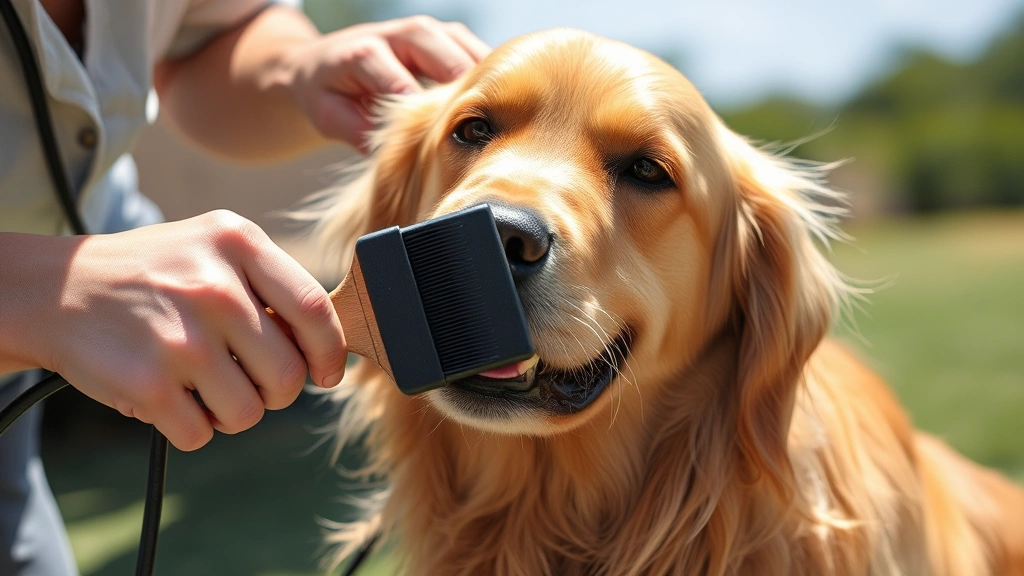
This is the most effective preventative measure. Brushing your dog several times per week removes loose hair before it ends up in their stomach. For long-haired breeds, daily brushing during shedding season is ideal. Invest in quality tools like slicker brushes, undercoat rakes, or de-shedding tools designed for your dog’s coat type.
Professional Grooming
Professional groomers can remove massive quantities of loose hair during baths and grooming sessions. Many owners find that scheduling grooming appointments every 6-8 weeks significantly reduces shedding at home.
Dietary Adjustments
A high-quality diet supports healthy skin and coat, potentially reducing excessive shedding. Additionally, fiber-rich foods can help move hair through the digestive tract more efficiently. Pumpkin for dogs is a popular natural remedy that provides fiber and digestive support.
Address Underlying Allergies
If your dog has allergies causing excessive scratching and licking, work with your veterinarian to identify and manage the allergens. This might involve dietary changes, medications, or environmental modifications.
Reduce Stress and Anxiety
Provide adequate exercise, mental stimulation, and interactive play. Dogs that are properly exercised and mentally engaged are less likely to develop compulsive grooming habits. Consider puzzle toys, training sessions, and regular playtime.
Monitor Licking Behaviors
If you notice your dog engaging in excessive licking, redirect their attention to appropriate toys or activities. Some dogs benefit from wearing a cone or protective clothing if they’re targeting specific areas.
Treatment Options
If you suspect your dog has a hairball or is experiencing digestive issues related to hair ingestion, several treatment options are available.
Veterinary Evaluation
Your first step should always be a consultation with your veterinarian. They can perform a physical examination, take X-rays if necessary, and determine whether a hairball is actually present. The Merck Veterinary Manual outlines diagnostic procedures for gastrointestinal foreign bodies in dogs.
Dietary Modifications
Your vet might recommend a bland diet temporarily to reduce stomach irritation while the hair passes through the system. Boiled chicken and rice are common recommendations during digestive upset.
Fiber Supplements
Adding fiber to your dog’s diet can help move hair through the digestive tract. Psyllium husk or specially formulated digestive supplements designed for dogs can be effective. Always consult your vet before adding supplements.
Laxatives and Stool Softeners
In some cases, veterinarians prescribe mild laxatives to help move hair through the system more efficiently. These should only be used under professional guidance.
Surgical Intervention
In rare cases where a hairball causes a complete blockage, surgery may be necessary. This is uncommon in dogs but possible if a large mass of hair obstructs the intestines. If your dog shows signs of severe abdominal pain, complete loss of appetite, or inability to defecate, seek emergency veterinary care immediately.
Managing Underlying Conditions
If allergies or anxiety are driving excessive grooming, treating these conditions is essential. This might involve antihistamines, prescription medications, behavioral training, or environmental changes.
For digestive issues beyond hairballs, you might explore how to treat dog diarrhea and other gastrointestinal concerns with professional guidance. Some dogs also experience hiccups, which while usually harmless, can sometimes indicate underlying issues worth monitoring.
Frequently Asked Questions
How often do dogs get hairballs?
Most healthy dogs rarely develop hairballs. However, dogs with excessive shedding, compulsive grooming habits, or anxiety may experience them more frequently. If your dog is having hairball issues regularly, it indicates an underlying problem that needs addressing.
Can hairballs be fatal in dogs?
While rare, severe hairballs can become life-threatening if they cause a complete intestinal blockage. This is why seeking veterinary attention for persistent vomiting or signs of digestive distress is crucial. Early intervention prevents complications.
What’s the difference between a hairball and a blockage?
A hairball is specifically accumulated hair in the stomach or digestive tract. A blockage refers to any obstruction preventing normal passage of food or waste. Hairballs can cause blockages, but blockages can also result from other foreign objects, tumors, or strictures.
Is it normal for dogs to cough up hairballs?
No, it’s not normal. If your dog is regularly coughing up hairballs, it suggests significant hair accumulation and warrants veterinary evaluation. This is more typical of cats and unusual in dogs.
Which dog breeds are most prone to hairballs?
Long-haired and double-coated breeds are at higher risk, including Golden Retrievers, German Shepherds, Huskies, Malamutes, and Newfoundlands. Breeds with dense undercoats shed excessively, particularly during seasonal changes.
Can I prevent hairballs completely?
You can significantly reduce the risk through regular grooming, addressing allergies, and managing stress and anxiety. However, complete prevention isn’t always possible, especially for heavy-shedding breeds. Consistent preventative care is your best defense.
When should I call the vet about hairballs?
Contact your veterinarian if you notice persistent vomiting, retching, loss of appetite, lethargy, or abdominal discomfort. If your dog shows signs of severe distress, inability to eat, or complete constipation, seek emergency care immediately.
Are there supplements that help with hairballs?
Yes, fiber supplements, omega-3 fatty acids, and digestive enzymes can support digestive health and coat quality. However, always consult your veterinarian before introducing supplements to ensure they’re appropriate for your dog’s specific situation.





