
Do Dogs Know We Love Them? Understanding Canine Emotions
If you’ve ever locked eyes with your dog while they’re wagging their tail uncontrollably, you’ve probably wondered: does my furry best friend actually understand that I love them? It’s one of the most heartwarming questions pet parents ask themselves, and the answer might surprise you. The truth is, while dogs may not comprehend love in the same philosophical way humans do, scientific evidence suggests they absolutely understand the emotional connection we share with them.
The bond between humans and dogs is genuinely special. Dogs have evolved alongside us for thousands of years, developing an almost supernatural ability to read our emotions, interpret our body language, and respond to our affection in ways that feel deeply personal. When your pup bounds toward you after a long day, or rests their head on your lap during a quiet evening, something real is happening in their brain—something that goes far beyond simple conditioning or learned behavior.
In this comprehensive guide, we’ll explore the fascinating science behind canine emotions, decode the signals your dog uses to show affection, and answer the question that’s likely brought you here: does your dog truly know you love them?
The Science of Canine Emotions
For decades, scientists debated whether dogs were capable of experiencing genuine emotions or if they were simply responding to stimuli through instinct. Today, the consensus is clear: dogs do experience emotions, and they’re more complex than many people realize. Research from respected institutions like the American Kennel Club and various university studies confirm that dogs have emotional capacities comparable to a human toddler.
Dogs experience a range of emotions including joy, fear, anger, and yes—affection. Brain imaging studies have shown that when dogs are exposed to familiar human scents or see their owners, the same brain regions activate that light up when humans experience love and bonding. This isn’t anthropomorphizing; it’s neuroscience.
The key to understanding canine emotions lies in recognizing that dogs evolved differently than wild wolves. Domestication fundamentally changed how dog brains are wired. Their ability to bond with humans, read our facial expressions, and respond to our emotional states is the result of thousands of years of selective breeding. In essence, dogs are evolutionarily designed to connect with us emotionally.
How Dogs Process Human Love
So how exactly do dogs understand that we love them? It’s a combination of factors working together in their remarkable canine minds. First, dogs are incredibly observant creatures. They notice your tone of voice, your body language, your facial expressions, and even your scent. When you come home excited to see your dog, they’re picking up on all of these cues simultaneously.
Dogs also have an extraordinary ability to recognize patterns. If you consistently show up, provide food, comfort, and play, your dog begins to recognize you as a source of all things positive. But it goes deeper than that. Your dog isn’t just thinking, “This person gives me food.” They’re forming an emotional association with your presence that triggers a cascade of neurochemical responses in their brain.
One of the most fascinating aspects of how dogs process our love is their ability to recognize individual humans. Your dog knows you specifically—not just “a human” but YOU. They can distinguish your voice from other voices, recognize your unique scent among thousands of others, and even anticipate your arrival based on patterns they’ve learned. This level of individual recognition is foundational to emotional bonding.
When you engage in activities like playing fetch, going for walks, or simply sitting together, you’re reinforcing this emotional bond. Your dog learns that you’re the source of joy, adventure, and comfort. This is what creates the deep connection that makes dogs seem like they truly understand our love.

Signs Your Dog Knows You Love Them
If you want concrete evidence that your dog understands your affection, look for these unmistakable signs of canine love and attachment:
- The tail wag: Not just any tail wag, but the full-body wiggle that happens when you walk through the door. This is pure joy at your presence.
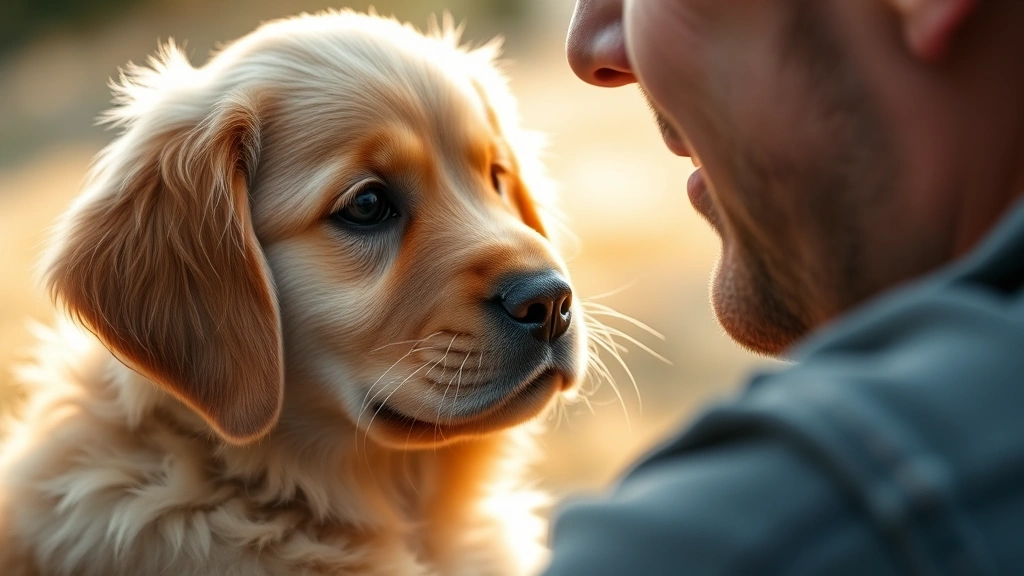
- Eye contact: When your dog maintains soft eye contact with you, they’re communicating trust and affection. This is especially meaningful if they do it while you’re petting them.
- Sleeping near you: Dogs are vulnerable when they sleep. If your pup chooses to nap near you, they’re showing they feel safe and comfortable in your presence.
- Leaning against you: This physical closeness is a dog’s way of saying, “I like being near you.”
- Bringing you toys: When your dog brings you their favorite toy, they’re inviting you to engage with them and share in their joy.
- Following you around: If your dog shadows you from room to room, they’re demonstrating that they want to be near you and consider you important to their wellbeing.
- Greeting rituals: The excited greeting your dog gives you when you come home is a powerful indicator of attachment and affection.
Understanding how to know if your dog loves you is about recognizing these behavioral patterns. Each of these signs represents your dog’s way of communicating their emotional connection to you.
Many dog owners also notice that their dogs respond to their emotions. If you’re sad, your dog might come sit with you. If you’re excited, they mirror your energy. This emotional mirroring is another piece of evidence that dogs genuinely understand and respond to human emotions.
The Role of Oxytocin in Dog-Human Bonds
Here’s where things get really interesting from a biochemical perspective. When you interact with your dog—especially through petting and affectionate touch—both you and your dog experience a surge of oxytocin, often called the “love hormone.” This is the same neurochemical that bonds mothers to babies and partners to each other.
Research published in peer-reviewed journals has shown that dogs’ oxytocin levels increase when they’re with their owners, and the effect is even stronger in dogs that have secure, loving bonds with their humans. Even more fascinating, your oxytocin levels increase when you pet your dog or make eye contact with them. This creates a literal biochemical feedback loop of love between you and your pet.
This oxytocin response isn’t learned behavior—it’s a biological reality. Your dog’s brain is literally flooded with the same chemical associated with love when they’re with you. This is why why dogs like to be pet goes beyond simple comfort; petting triggers this powerful neurochemical cascade.
The ASPCA recognizes this biological connection as fundamental to the human-animal bond. Understanding that your affection literally changes your dog’s brain chemistry helps explain why dogs seem so devoted to their owners. They’re not just behaving affectionately; they’re experiencing genuine neurochemical reward from your presence and touch.
Building a Stronger Emotional Connection
Now that we’ve established that dogs do understand love, the question becomes: how can you strengthen this bond and ensure your dog feels your affection? Here are evidence-based strategies for deepening your emotional connection with your canine companion:
- Consistent routine: Dogs thrive on predictability. When you maintain consistent feeding times, walk schedules, and play sessions, your dog learns they can depend on you, which strengthens trust.
- Quality time: Dedicated one-on-one time with your dog matters. This doesn’t have to be structured; sometimes just sitting together quietly communicates that you value their presence.
- Positive reinforcement: When your dog displays good behavior, reward them enthusiastically. This creates positive associations with your presence and approval.
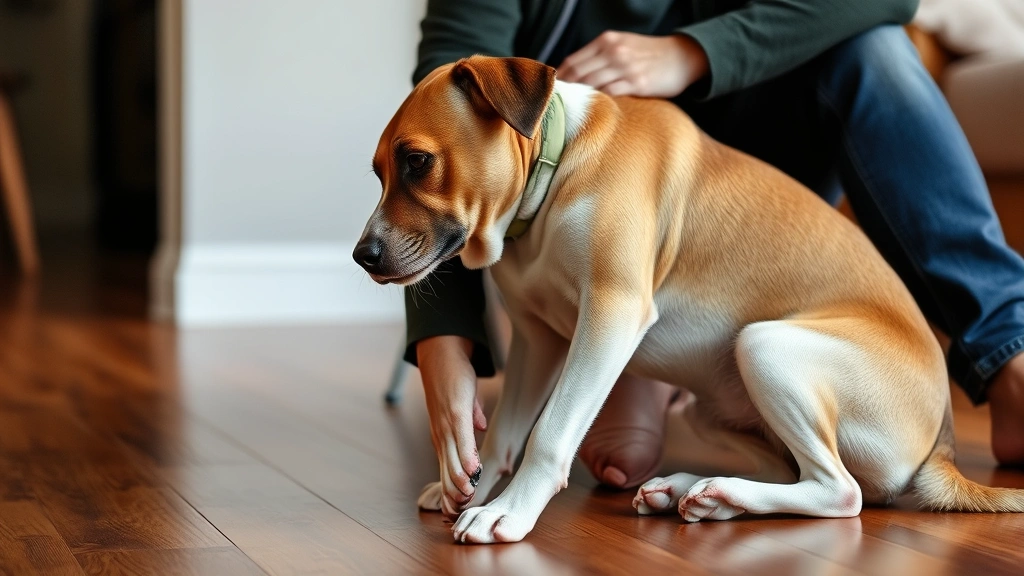
- Physical affection: Petting, gentle massage, and appropriate hugging (if your dog enjoys it) all trigger oxytocin release. Why dogs like belly rubs is partly because this vulnerable area touch creates deep feelings of trust and safety.
- Verbal communication: Dogs respond to your tone of voice. Speaking to your dog in warm, encouraging tones reinforces your emotional bond.
- Respect their boundaries: Allowing your dog to have space when they need it, and respecting their comfort level with affection, shows that you understand and value their needs.
- Interactive play: Games that require cooperation and engagement strengthen your bond while providing mental and physical stimulation.
These practices work because they communicate consistency, care, and reliability—the foundations of any strong emotional relationship.
Common Misconceptions About Dog Love
Despite growing scientific evidence, several misconceptions persist about canine emotions and their capacity for love. Let’s debunk some of the most common ones:
Misconception 1: “Dogs only love their owners for food.” While food is certainly important to dogs, the love they display goes far beyond nutrition. Studies show that dogs prefer their owners’ company even when food isn’t involved. They actively seek out human interaction and show signs of distress when separated from their owners—behaviors not explained by hunger alone.
Misconception 2: “All dogs are equally affectionate.” Just like humans, dogs have different personality types and attachment styles. Some dogs are naturally more reserved, while others are effusively affectionate. A less demonstrative dog isn’t necessarily less bonded to you; they may simply express affection differently. Understanding your specific dog’s personality helps you recognize their unique way of showing love.
Misconception 3: “Dogs can’t understand kisses as affection.” While whether dogs like kisses varies by individual dog, many dogs do recognize kissing as a sign of affection, especially when paired with other positive interactions. Some dogs may not enjoy face-level contact, but they can understand the intent behind the gesture when you explain it through consistent, positive interactions.
Misconception 4: “Licking means your dog is showing submission, not love.” While why your dog licks you can have multiple explanations, affection is definitely one of them. Licking releases endorphins in dogs’ brains, making it pleasurable. When your dog licks you, they’re often combining comfort-seeking with affection.
Misconception 5: “Dogs can’t experience the same love humans do.” While it’s true that dogs don’t experience love exactly as humans do, the emotional experience isn’t inferior—it’s just different. Dogs’ love is more immediate, less complicated, and perhaps more pure in its expression. The fact that it’s different doesn’t make it less real or meaningful.
Understanding these nuances helps you appreciate your dog’s emotional life more fully and whether your dog knows you love him becomes less of a question and more of an observable reality.
Frequently Asked Questions
Can dogs understand the concept of love the way humans do?
Dogs don’t have the complex philosophical understanding of love that humans possess, but they absolutely experience the emotional and biochemical components of bonding and affection. Their love is expressed through attachment, trust, and genuine pleasure in your presence. Research from Veterinary Partner confirms that dogs experience real emotional bonds with their owners that parallel human attachment in many ways.
At what age do puppies start to understand their owners’ love?
Puppies begin forming attachments to their caregivers from as early as 3-4 weeks of age. By 8-12 weeks, they show clear signs of recognizing their primary caregivers and displaying attachment behaviors. However, the depth of their emotional understanding continues to develop throughout their first year and beyond.
Can my dog feel hurt if I don’t show them affection?
Yes, dogs can experience emotional distress when they don’t receive adequate attention and affection. Neglected dogs may develop anxiety, behavioral problems, or depression. Conversely, dogs that receive consistent affection show better overall health and behavioral outcomes. This is why regular interaction and affection aren’t just nice—they’re essential to your dog’s wellbeing.
Do all breeds show love in the same way?
Different breeds have been selectively bred for different purposes, which influences how they express affection. Some breeds like Golden Retrievers are naturally more demonstrative, while others like Akitas tend to be more reserved. Additionally, individual personality plays a huge role. Your specific dog may have a unique way of showing love that differs from breed stereotypes.
What should I do if my dog doesn’t seem to show affection?
If your dog seems emotionally distant, consider several factors: Are they getting enough exercise? Do they have underlying health issues? Have they had traumatic experiences? Sometimes dogs need more time to build trust, especially if they’ve experienced neglect or abuse. Consulting with a veterinary behaviorist can help identify whether there’s a medical or behavioral issue affecting your dog’s ability to bond.
Is it possible to have too much affection with a dog?
While dog love is wonderful, it’s important to respect your dog’s boundaries. Some dogs can become anxious or overstimulated with excessive attention. Learning to read your dog’s body language and respecting when they need space actually strengthens your bond by showing you understand and value their needs.
How can I tell the difference between a dog that loves me and one that’s just learned to expect rewards?
A dog that loves you will seek your company even when no rewards are involved. They’ll greet you enthusiastically after short absences, want to be near you during downtime, and respond to your emotional state. A dog motivated purely by rewards will be attentive primarily when they expect treats or activities. Most dogs are motivated by both, but genuine affection is demonstrated through seeking your presence regardless of immediate reward.





