

Do Dogs Like Being Pet? Understanding Canine Affection
If you’ve ever wondered whether your furry best friend actually enjoys those ear scratches and belly rubs you lavish upon them, you’re not alone. The question of whether dogs like being petted is one of the most common inquiries dog owners have, and the answer is more nuanced than a simple yes or no. While most dogs do enjoy physical affection, the reality is that canine preferences vary widely from pup to pup, and understanding these differences can deepen your bond with your four-legged companion.
The relationship between humans and dogs has evolved over thousands of years, creating a unique dynamic where dogs have developed specific responses to our touch. However, not every dog is a cuddle enthusiast, and some may actually find certain types of petting stressful or uncomfortable. By learning to read your dog’s body language and respecting their individual preferences, you can ensure that your affectionate gestures are truly appreciated rather than merely tolerated.
In this comprehensive guide, we’ll explore the science behind canine affection, decode what your dog’s behavior is telling you, and discover the best techniques for petting that most dogs find genuinely rewarding. Whether you’re a new dog owner or a seasoned pet parent looking to strengthen your connection, understanding the nuances of how dogs experience touch will transform the way you interact with your beloved companion.
The Science Behind Why Dogs Like Being Pet
When you pet your dog, you’re not just performing a casual gesture—you’re triggering a complex cascade of neurochemical reactions in their brain. Research published by the American Kennel Club demonstrates that gentle petting releases oxytocin in both you and your dog, often called the “bonding hormone.” This same chemical is released in mothers and their babies, creating a biological foundation for the deep connection we feel with our canine companions.
The act of petting stimulates your dog’s nerve endings and activates the parasympathetic nervous system, which is responsible for the “rest and digest” response. This is why many dogs become visibly relaxed when petted—their heart rate slows, their breathing deepens, and their stress hormone cortisol levels decrease. According to research from ASPCA behavioral specialists, this physiological response is one reason why petting is often recommended as a stress-relief technique for both dogs and their owners.
However, it’s crucial to understand that not all petting is created equal. The pressure, speed, and location of your touch all matter significantly. Dogs have different sensory preferences, and what feels pleasurable to one dog might feel overwhelming or even painful to another. The key is recognizing that your dog’s enjoyment of being petted depends on multiple factors, including their individual temperament, past experiences, and current emotional state.

Reading Your Dog’s Body Language
One of the most important skills a dog owner can develop is the ability to interpret canine body language. Your dog is constantly communicating with you through subtle physical cues, and understanding these signals is essential for determining whether they’re genuinely enjoying your affection or merely tolerating it. When a dog truly enjoys being pet, their body language will display several telltale signs.
A happy, content dog typically has soft, relaxed facial features with slightly squinted eyes and a gentle expression. Their ears will be in a natural, relaxed position—not pinned back against their head. If your dog leans into your hand while you’re petting them, seeks out your touch, or positions their body closer to you, these are excellent indicators that they’re enjoying the experience. Many dogs will also display what’s known as a “soft mouth” or “soft eyes,” which indicates genuine contentment.
The tail is one of the most expressive parts of a dog’s body, though many people misinterpret tail wagging as a universal sign of happiness. In reality, a dog’s tail position and the speed of its wag convey different messages. A relaxed, slightly curved tail wagging at a moderate pace suggests your dog is content. Conversely, a tail held stiffly upright or tucked between the legs indicates stress or discomfort. Additionally, why your dog licks you can also indicate affection and enjoyment of physical contact.
Pay attention to how your dog positions their body relative to yours. If they voluntarily remain close to you while you pet them and don’t attempt to move away, this suggests they’re enjoying the interaction. Some dogs will also “make biscuits” with their paws or knead the air, a behavior inherited from their puppyhood that indicates deep relaxation and contentment. Others might rest their head on your lap or lean their full body weight against you, which are clear signs of trust and enjoyment.
The Best Spots to Pet Your Dog
Not all areas of your dog’s body are equally sensitive to touch, and understanding which spots your dog most enjoys can significantly enhance your bonding experience. Generally speaking, most dogs enjoy being petted on their chest, shoulders, and the base of their neck. These areas tend to be less sensitive and more universally appreciated across different dogs.
The head and face can be tricky territory. While many dogs enjoy gentle strokes on the top of their head or behind their ears, some find it uncomfortable or even threatening. If your dog enjoys head touches, gentle, slow strokes are preferable to vigorous rubbing. The ears themselves are particularly sensitive, and many dogs appreciate gentle ear massages, though this varies by individual preference and ear sensitivity.
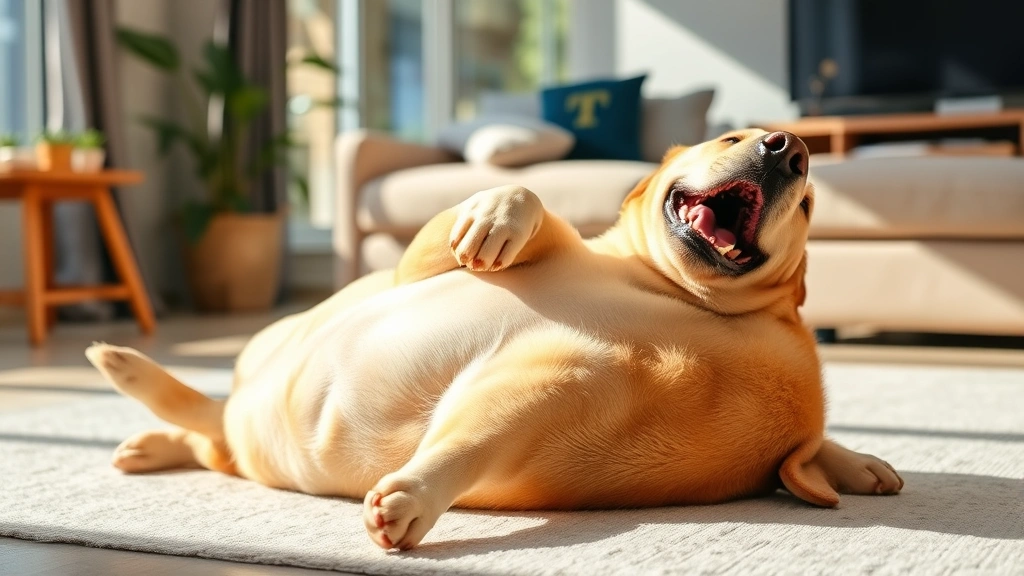
One of the most universally loved petting locations is the shoulders and the area along the sides of the ribcage. Long, gentle strokes in these areas tend to be calming and pleasurable for most dogs. Many dogs also enjoy belly rubs and scratches, though this is highly individual. Some dogs will roll over and expose their belly as an invitation for affection, while others find belly touches uncomfortable or even threatening because the vulnerable underside of their body is exposed.
Areas to generally avoid include the tail, paws, and hindquarters. These regions are often more sensitive, and many dogs find touching in these areas stressful. The base of the tail is particularly sensitive for some dogs, and excessive petting there can actually cause irritation. If you notice your dog pulling away when you touch their paws or tail, respect that boundary and focus on areas they clearly enjoy.
Individual Preferences and Breed Differences
Just like humans, every dog has unique preferences when it comes to physical affection. Some dogs are naturally more tactile and crave constant physical contact, while others are more independent and prefer limited petting. These differences often correlate with breed tendencies, but individual personality plays an equally important role.
Breeds that were historically developed for close work with humans, such as Golden Retrievers and Labrador Retrievers, tend to be more touch-oriented and generally enjoy frequent petting. Conversely, breeds developed for independent work, such as many terrier breeds or sighthounds, may be less interested in constant physical affection. However, it’s important not to assume that all dogs of a particular breed will fit the stereotype. Your individual dog’s preferences are what matter most.
Age also plays a significant role in petting preferences. Puppies are often more enthusiastic about physical contact as they’re exploring their world and building bonds with their caregivers. However, as dogs mature, some may become more selective about when and how they want to be touched. Senior dogs might actually appreciate gentle petting more than their younger selves did, as it can help soothe aching joints and provide comfort.
Past experiences significantly shape a dog’s relationship with touch. Dogs who were handled frequently and gently during their critical socialization period (typically between 3 and 14 weeks of age) tend to be more comfortable with petting throughout their lives. Conversely, dogs who had limited positive exposure to human touch may need more time to build trust and comfort with affection. Additionally, whether your dog knows you love him can influence their receptiveness to physical affection and touch.
Signs Your Dog Dislikes Being Pet
Understanding the warning signs that your dog is uncomfortable with petting is just as important as recognizing when they’re enjoying it. Many dog owners misinterpret subtle stress signals, which can lead to escalating tension in the relationship. Learning to recognize these signs early can prevent negative associations with touch and keep your dog feeling safe and respected.
One of the most common signs of discomfort is the “whale eye,” where you can see the whites of your dog’s eyes. This typically occurs when a dog is feeling anxious or threatened. If you see this while petting your dog, it’s a clear signal to stop and give them space. Similarly, if your dog’s ears are pinned back against their head or rotated backward, this indicates stress or fear.
Lip licking, yawning, and turning their head away are subtle but important stress signals. When a dog repeatedly licks their lips or yawns while you’re petting them, they may be experiencing anxiety rather than contentment. Turning their head away from your hand is a polite way of saying “please stop.” If your dog does this, respect that boundary immediately.
More obvious signs of discomfort include growling, snapping, or attempting to move away from your touch. A dog who stands rigidly still while you pet them, with a tense body posture and held breath, is likely uncomfortable rather than content. Some dogs may also shake or tremble when being petted in ways they dislike. Additionally, excessive paw licking can sometimes indicate stress or anxiety related to physical contact.
If your dog consistently avoids your touch or shows signs of discomfort during petting, consult with a certified professional dog trainer or veterinary behaviorist. They can help you understand your dog’s specific needs and develop strategies for building positive associations with touch.
Proper Petting Techniques
Now that you understand what your dog enjoys, let’s discuss the mechanics of effective petting. The way you touch your dog matters just as much as where you touch them. Research from veterinary behaviorists suggests that slow, gentle strokes are generally more calming and pleasurable than quick, vigorous petting.
The ideal petting technique involves long, smooth strokes that follow the direction of your dog’s fur growth. Use gentle to moderate pressure—not so light that it tickles, but not so firm that it feels aggressive. Most dogs prefer strokes that move along their body rather than circular motions, which some find overstimulating. Think of it as mimicking the grooming behavior that dogs engage in with each other.
Pay attention to your dog’s response as you pet them. If they lean into your hand, seek more contact, or display relaxed body language, you’re doing it right. If they seem to tolerate rather than enjoy it, or if they show any stress signals, adjust your technique or stop petting and try again later.
One important consideration is overstimulation. Some dogs genuinely enjoy petting but can only tolerate it for a limited time before becoming irritable or overstimulated. This is particularly common in dogs with lower sensory thresholds or those prone to anxiety. If you notice your dog becoming restless, attempting to move away, or showing other signs of irritation after extended petting sessions, limit your petting duration.
Temperature also matters. Your hands should be warm but not hot. Cold hands can startle a dog, while excessively warm hands might feel uncomfortable. Additionally, avoid petting your dog immediately after they’ve been exercising or are overheated, as they may find additional tactile stimulation overwhelming when their nervous system is already activated.
Remember that why dogs like to be petted is fundamentally about building trust and connection. Every petting session is an opportunity to strengthen your relationship and communicate to your dog that they are safe, valued, and loved in your presence.
Frequently Asked Questions
Do all dogs like being petted?
No, not all dogs enjoy being petted equally. While most dogs appreciate some form of physical affection, individual preferences vary widely based on temperament, breed tendencies, past experiences, and current emotional state. Some dogs are highly tactile and crave constant contact, while others prefer limited petting. The key is learning to read your specific dog’s body language and respecting their unique preferences.
What should I do if my dog doesn’t like being petted?
If your dog seems to dislike petting, start by respecting their boundaries and not forcing physical contact. Instead, let them initiate interactions and reward them for seeking your touch. You can gradually build positive associations with gentle touch through short, pleasant sessions. Consider consulting a certified professional dog trainer or veterinary behaviorist if your dog shows significant aversion to touch, as this could indicate anxiety, past trauma, or other behavioral issues that require professional support.
Is it okay to pet my dog while they’re eating or sleeping?
Generally, it’s best to avoid petting your dog while they’re eating, as this can create resource guarding issues and make them feel defensive about their food. When dogs are sleeping, it’s also wise to let them rest undisturbed. However, gently petting your dog as they’re settling down for sleep can be calming and help them relax. Always be mindful of your dog’s state and respect their need for uninterrupted eating and rest time.
Why does my dog sometimes enjoy petting and other times seem to avoid it?
A dog’s receptiveness to petting can vary based on numerous factors, including their energy level, stress level, health status, and current emotional state. Dogs who are tired, anxious, or experiencing pain may be less interested in physical contact. Additionally, hormonal changes, overstimulation, or environmental stressors can affect your dog’s desire for affection. If you notice significant changes in your dog’s petting preferences, consult your veterinarian to rule out underlying health issues.
Are there specific breeds that don’t like being petted?
While certain breeds have historical tendencies toward independence, individual personality matters far more than breed. That said, breeds like Siberian Huskies, Alaskan Malamutes, and some terrier breeds may be less interested in constant physical affection than breeds like Golden Retrievers or Cavalier King Charles Spaniels. However, you’ll find independent-minded dogs within affectionate breeds and cuddle-loving dogs within more independent breeds. Get to know your individual dog’s preferences.
Can petting help calm an anxious dog?
For many dogs, gentle petting can be calming and help reduce anxiety. However, this varies by individual. Some anxious dogs find touch soothing, while others find it overstimulating. According to research from veterinary behaviorists, the key is ensuring that the petting is gentle, predictable, and in areas your dog enjoys. If your dog has significant anxiety, work with a professional trainer or veterinary behaviorist to develop a comprehensive anxiety management plan.
How often should I pet my dog?
There’s no universal answer to this question, as it depends entirely on your dog’s preferences and your lifestyle. Some dogs are content with petting several times throughout the day, while others prefer limited physical contact. The best approach is to follow your dog’s lead. If they seek out your touch and display signs of enjoyment, reciprocate their affection. If they prefer independence, respect that preference while still maintaining a warm, connected relationship.
What’s the difference between petting and cuddling?
Petting typically involves stroking or touching your dog for brief to moderate periods, while cuddling usually refers to prolonged physical contact and close proximity. Some dogs enjoy both, others prefer only petting, and some enjoy cuddling but not constant petting. Understanding your dog’s preferences for each type of physical affection will help you provide the kind of touch they most appreciate and enjoy.





