

How Can I Tell If My Dog Has Fleas? A Simple Guide
Nobody wants to think about fleas infesting their beloved furry friend, but the reality is that these tiny parasites are one of the most common issues pet owners face. If you’re wondering whether your dog might have fleas, you’re not alone—and the good news is that spotting the signs early can make all the difference in keeping your pup comfortable and healthy.
Fleas are more than just an annoying nuisance. These blood-feeding insects can cause serious health problems for dogs, including anemia, tapeworms, and allergic reactions. The tricky part? Sometimes the signs of a flea infestation aren’t immediately obvious, especially if your dog has a thick coat or if the infestation is still in its early stages. That’s why knowing what to look for is absolutely essential for responsible pet ownership.
In this comprehensive guide, we’ll walk you through everything you need to know about identifying fleas on your dog, understanding the symptoms, and taking action if you discover an infestation. Let’s dive in!
Visible Signs of Fleas
The most straightforward way to determine if your dog has fleas is to actually see them. While this might sound simple, it’s not always easy—fleas are incredibly fast and can be hard to spot, especially on dogs with darker coats. However, if you know what do fleas look like on dogs, you’ll have a much better chance of catching them.
Adult fleas are tiny insects, typically about the size of a sesame seed or smaller. They’re usually dark brown or reddish-brown in color, with flat, elongated bodies designed perfectly for navigating through fur. If you spot small insects jumping around your dog’s skin or fur, especially in areas like the groin, armpits, or base of the tail, you’ve likely found fleas.
The jumping ability is actually one of the most telltale signs. Fleas can leap up to 8 inches vertically and 16 inches horizontally, which is why they seem to disappear as soon as you try to catch them. If you notice small brown bugs bouncing around your dog’s coat, that’s a pretty clear indication of a flea problem.

Behavioral Symptoms and Changes
Beyond what you can actually see, your dog’s behavior often provides crucial clues about a potential flea infestation. Dogs with fleas typically display very noticeable behavioral changes that are hard to miss if you know what you’re looking for.
The most common behavioral sign is excessive scratching and biting at the skin. Your dog might focus on particular areas, such as the back legs, tail base, or rear end. If your pup has suddenly become obsessed with gnawing at their fur or constantly scratching themselves throughout the day, do dogs get itchy due to fleas is a question you should be asking yourself immediately.
You might also notice your dog licking their paws more than usual or seeming restless and agitated. Some dogs will scoot their rear end along the ground—a behavior called scooting—which often indicates discomfort in the anal area, another favorite flea hangout. Additionally, your dog might display signs of anxiety, have trouble sleeping, or seem generally uncomfortable and irritable.
It’s worth noting that why do dogs scratch their beds can have multiple causes, but when combined with other symptoms, it might indicate fleas are the culprit. Pay attention to the intensity and frequency of these behaviors—a sudden change is usually more significant than occasional scratching.
Skin Conditions and Reactions
Fleas don’t just cause itching—they can trigger serious skin reactions and conditions that go well beyond simple irritation. Understanding these secondary skin issues is crucial for identifying whether your dog has fleas, even if you haven’t spotted the parasites themselves.
One of the most common skin reactions is flea allergy dermatitis (FAD), which occurs when dogs develop an allergic reaction to flea saliva. Ironically, it only takes one flea bite to trigger this allergic response in sensitive dogs. The result? Intense itching that can lead to hair loss, red and inflamed skin, scabs, and even secondary bacterial infections.
You might notice your dog’s skin becoming increasingly red, irritated, or developing small bumps and pustules. In severe cases, the constant scratching and biting can lead to open sores and infections. Some dogs develop can dogs get skin tags or other skin irregularities, though this is less commonly a direct result of fleas.
Hair loss, particularly in the areas where your dog scratches most frequently, is another telltale sign. You might notice patchy areas of missing fur or a generally unkempt appearance despite regular grooming. The skin in these areas may appear darker or have a raw, inflamed appearance.
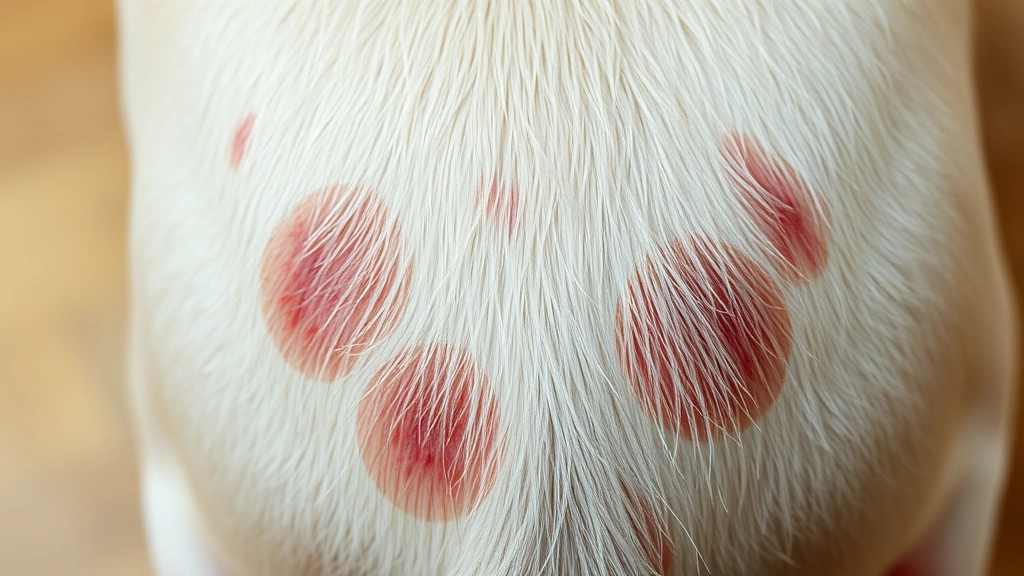
Additionally, some dogs develop hot spots—localized areas of inflamed, infected skin that the dog has licked or chewed excessively. These can develop quickly and become quite painful. If your dog has developed any of these skin conditions seemingly out of nowhere, fleas should be high on your list of suspects.
Understanding Flea Dirt
Here’s a detective trick that many pet owners don’t know about: flea dirt. If you suspect your dog has fleas but haven’t actually seen any live insects, looking for flea dirt might provide the evidence you need.
Flea dirt is essentially flea feces—it’s the digested blood that fleas leave behind as they feed on your dog. It looks like tiny black or dark brown specks, almost like pepper or dirt, scattered throughout your dog’s fur. The key to identifying flea dirt is understanding that it’s different from regular dirt or debris.
To check for flea dirt, use a fine-toothed comb and brush it through your dog’s fur, focusing on areas like the base of the tail, the groin, and the armpits. Collect any specks you find on a white paper towel or cloth. If you suspect it’s flea dirt, add a drop of water to the specks. If they turn reddish or dark red, you’ve found flea feces—a sure sign that fleas are present on your dog.
This test works because flea dirt is mostly composed of blood. When you add water, the blood dissolves and creates that telltale red color. This is one of the most reliable ways to confirm a flea infestation, even if you haven’t spotted actual fleas.
How to Inspect Your Dog for Fleas
Now that you understand what signs to look for, let’s talk about the best way to actually inspect your dog for fleas. A systematic approach will give you the best chance of finding evidence of an infestation.
Start by choosing a well-lit area and having your dog lie down in a comfortable position. Use a fine-toothed flea comb—these are specifically designed with teeth close enough together to catch fleas. Beginning at your dog’s head, comb through sections of fur, working your way down the body. Pay special attention to the areas where fleas love to hide: the base of the tail, the groin area, under the armpits, and behind the ears.
As you comb, watch carefully for any small brown insects. Have a bowl of water nearby; if you spot anything suspicious, dip the comb into the water to trap any fleas and see them more clearly. You can also place a white paper towel under the comb to catch debris and make it easier to spot both fleas and flea dirt.
Take your time during this inspection. Fleas are fast and can escape easily, so patience is key. If you’re having trouble seeing clearly, consider using a magnifying glass to get a better view of what you’re finding in the comb.
It’s also a good idea to inspect your dog’s sleeping areas, bedding, and favorite spots around your home. Fleas spend about 90% of their life off the dog, in your home environment. Finding flea evidence in these areas can confirm that an infestation has spread beyond just your dog’s body.
Secondary Health Issues
Sometimes, the first sign of fleas isn’t the fleas themselves or even the itching—it’s a secondary health problem that develops as a result of the infestation. Being aware of these complications can help you catch a flea problem before it becomes severe.
One serious concern is tapeworms. Dogs can contract tapeworms by ingesting infected fleas while grooming themselves. If you notice rice-like segments in your dog’s stool or around their rear end, this could indicate tapeworms acquired from fleas. This is why treating fleas promptly is so important—it prevents a cascade of additional health problems.
Anemia is another potential complication, particularly in puppies, senior dogs, or dogs with compromised immune systems. A heavy flea infestation can cause enough blood loss to make your dog anemic. Signs of anemia include pale gums, lethargy, weakness, and shortness of breath. If you notice how to stop dog from licking paws excessively, combined with these other symptoms, it’s time to see a veterinarian immediately.
Some dogs develop bacterial or fungal skin infections as a result of the constant scratching and open sores caused by fleas. These secondary infections can be quite serious and may require additional treatment beyond flea control.
Understanding how how do dogs get fleas in the first place can help you prevent future infestations. Fleas can come from wildlife, other animals, contaminated environments, or even be brought into your home on clothing or shoes.
Frequently Asked Questions
How quickly can fleas multiply on my dog?
Fleas reproduce at an alarming rate. A single female flea can lay up to 50 eggs per day, and these eggs can hatch into larvae within 24-48 hours under ideal conditions. This means an infestation can explode from a few fleas to hundreds within just a week or two. This is why prompt action is so important when you suspect fleas.
Can I get fleas from my dog?
The good news is that dog fleas don’t typically bite humans or live on human skin. However, fleas can certainly bite you while moving between your dog and the environment. Additionally, if your home becomes heavily infested, you might experience flea bites even without having fleas living on you. This is another reason to treat an infestation quickly and thoroughly.
What’s the difference between fleas and other parasites?
Fleas are distinct from other common dog parasites like ticks, lice, and mites. Fleas are smaller, faster-moving, and cause different symptoms than these other parasites. According to the American Kennel Club’s guide to parasites, proper identification is crucial for effective treatment. If you’re unsure what you’re dealing with, your veterinarian can help identify the specific parasite.
Can indoor dogs get fleas?
Absolutely. While outdoor dogs are at higher risk, indoor dogs can still get fleas. Fleas can be brought into your home on your clothing, shoes, or by other pets. They can also enter through open windows or doors. No dog is completely safe from fleas, which is why year-round prevention is recommended for most dogs.
When should I call my veterinarian?
Contact your vet if you suspect fleas, especially if your dog is very young, very old, pregnant, nursing, or has underlying health conditions. You should also seek immediate veterinary attention if your dog shows signs of anemia, severe skin infections, or if the scratching and discomfort seem extreme. The ASPCA provides important information about flea treatment safety, and your vet can recommend the best options for your specific dog.
Are over-the-counter flea treatments effective?
Over-the-counter flea treatments vary widely in effectiveness and safety. While some are reasonably effective, prescription treatments from your veterinarian are often more reliable and safer, especially for dogs with health conditions or those taking other medications. Your vet can recommend products that are both effective and appropriate for your dog’s individual needs. According to VCA Animal Hospitals, professional guidance is often the best approach to flea management.
How long does it take to eliminate a flea infestation?
Treating your dog is usually quick—most modern flea treatments kill adult fleas within hours. However, completely eliminating an infestation from your home typically takes longer because you’re dealing with eggs and larvae in your environment. Most veterinarians recommend treating your dog monthly for at least 2-3 months to break the flea life cycle and prevent reinfestation. Your home may also need thorough cleaning and possibly professional pest control treatment.
Can I prevent fleas naturally?
While some natural remedies like essential oils or diatomaceous earth are popular, their effectiveness is questionable and some can be harmful to dogs. The FDA recommends discussing flea prevention options with your veterinarian rather than relying solely on unproven natural methods. Modern prescription flea preventatives are highly effective and designed to be safe for your dog when used as directed.





