
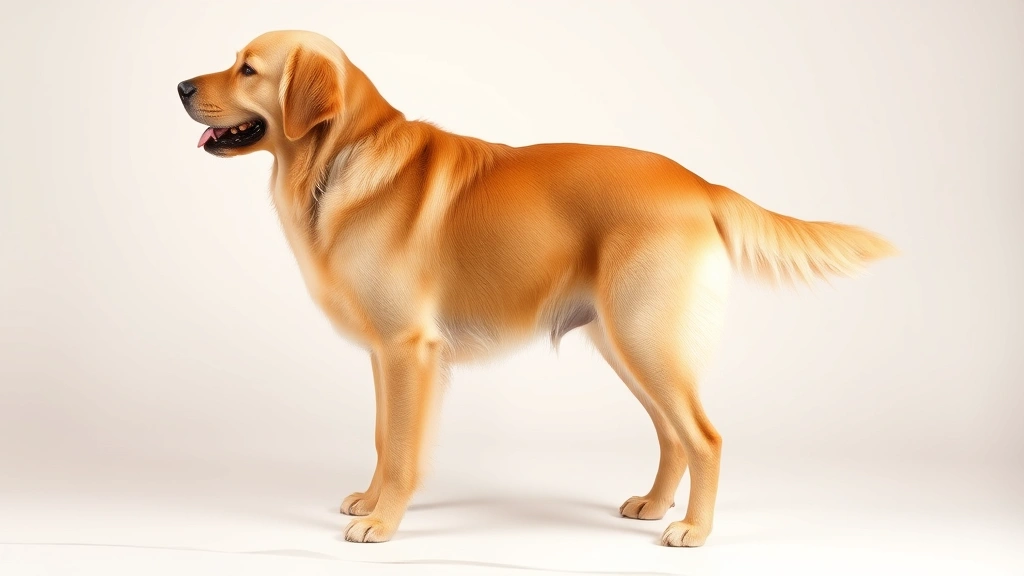
How Many Bones Do Dogs Have? A Quick Guide
Ever wondered what’s holding your furry best friend together? Dogs are remarkably complex creatures, and their skeletal system is absolutely fascinating! While we humans have 206 bones in our adult bodies, our canine companions have quite a different setup. The answer to “how many bones do dogs have” might surprise you—and it’s way more interesting than you’d think.
Understanding your dog’s skeletal structure isn’t just trivia for impressing friends at the dog park. It helps you better care for your pup, understand their movements, and recognize potential health issues before they become serious problems. Whether you’re curious about why your dog can twist in seemingly impossible ways or you want to know more about their physical capabilities, we’ve got all the bone-related knowledge you need right here.
So let’s dig into this skeletal mystery and discover what makes your dog’s body such an incredible machine!
The Exact Number of Bones Dogs Have
Here’s the straightforward answer: adult dogs have approximately 270 bones in their bodies. Yes, that’s significantly more than humans! This number can vary slightly depending on the breed, size, and individual dog, but 270 is the standard count for a fully mature canine.
Now, here’s where it gets really interesting. Puppies actually start life with even more bones than adult dogs—around 300 bones! As puppies grow and mature, many of these bones fuse together, resulting in the lower count we see in adult dogs. This process is similar to what happens in human development, though the final numbers are quite different.
The reason dogs have more bones than humans relates to their evolutionary design. Dogs developed as hunters and runners, and their skeletal structure reflects this purpose. More bones mean more joints, which translates to greater flexibility and mobility. This is especially true in their spine and limbs, which give dogs that incredible ability to bend, twist, and move in ways that seem to defy physics.
Different dog breeds can have slight variations in bone count. Large breed dogs might have slightly different bone distributions than small breeds, and dogs with longer tails will have more tail vertebrae than their shorter-tailed counterparts. Understanding your specific dog’s anatomy can help you appreciate their unique physical capabilities.
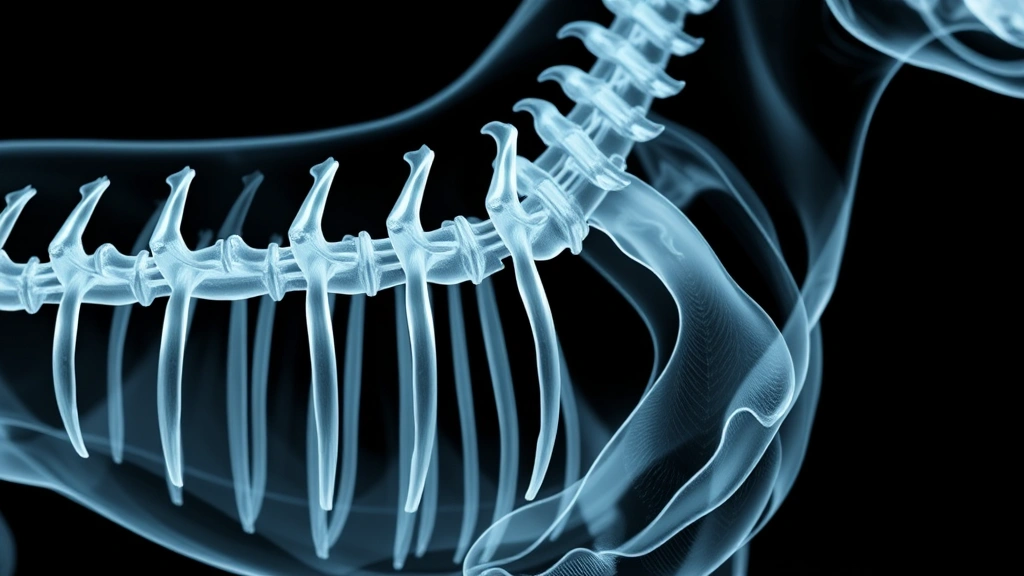
Understanding Different Types of Dog Bones
Not all bones are created equal! Your dog’s skeleton contains several different types of bones, each serving specific purposes and designed for particular functions. Let’s break down the main categories.
Long bones are found primarily in the limbs and include the femur (thighbone), tibia (shinbone), and humerus (upper foreleg bone). These bones are built for strength and support, allowing your dog to run, jump, and bear weight. They contain a hollow center filled with marrow, which produces red and white blood cells—crucial for your dog’s overall health.
Your dog’s short bones include those in the wrists, ankles, and paws. These bones are roughly cube-shaped and provide stability and support while still allowing movement. They’re particularly important for shock absorption when your dog lands from a jump or runs at high speed.
Flat bones like the shoulder blade (scapula) and rib bones protect vital organs and serve as attachment points for muscles. The ribs form a protective cage around the heart and lungs, while the shoulder blade allows for the incredible range of motion dogs have in their front legs.
Irregular bones include the vertebrae of the spine and the pelvis. These uniquely shaped bones are designed for specific functions—vertebrae allow for spinal flexibility while protecting the spinal cord, and the pelvis provides support and serves as an attachment point for the hind legs.
Understanding these bone types helps explain why dogs are so flexible and athletic. The combination of different bone structures allows them to achieve movements that seem impossible to our human eyes.
The Spine and Vertebral Column
Your dog’s spine is absolutely incredible—and it’s a major reason why they can contort themselves into seemingly impossible positions. Dogs have 53 vertebrae in total, compared to the 33 that humans have. This extra spinal flexibility is one of the most distinctive features of canine anatomy.
The vertebral column is divided into five regions: cervical (neck), thoracic (chest), lumbar (lower back), sacral (pelvis area), and coccygeal (tail). Each region has a different number of vertebrae and serves different purposes. The cervical region has 7 vertebrae (same as humans, interestingly), while the thoracic region has 13, the lumbar has 7, the sacral has 3 fused vertebrae, and the coccygeal region has varying numbers depending on tail length—typically 5 to 23 vertebrae.
This vertebral arrangement is why your dog can twist around to lick their own back or seemingly fold in half to reach an itch. The numerous vertebrae and the flexibility of the discs between them allow for movements that would be impossible for humans. However, this flexibility also means the spine is vulnerable to injury, which is why protecting your dog’s back and spine is so important.
The spine also protects the spinal cord, which carries signals between the brain and the rest of the body. Damage to the vertebrae can potentially affect nerve function, so keeping your dog from jumping excessively or from heights is an important part of spinal health maintenance.

Limbs, Joints, and Skeletal Flexibility
Dogs have four limbs, each containing multiple bones that work together to create fluid, powerful movement. The front legs contain the humerus, radius, ulna, and carpal bones (wrist), along with metacarpals and phalanges (finger bones). The hind legs contain the femur, tibia, fibula, and tarsal bones (ankle), plus metatarsals and phalanges.
One of the most common questions dog owners ask is about dog knees. You might be surprised to learn that dogs do have knees, and they’re actually quite similar to ours. However, their knee structure and the way they use their legs is different from human anatomy, which is why dogs can achieve such impressive athletic feats.
The joints where bones meet are crucial for movement and flexibility. Dogs have several types of joints: ball-and-socket joints (hip and shoulder), hinge joints (elbow and knee), and gliding joints (between vertebrae and in the wrist and ankle). This variety of joint types allows dogs to move in multiple planes and directions.
When it comes to chewing and feeding, many owners wonder about bone safety. The question of whether dogs can eat bones is complex—while dogs are naturally drawn to bones, certain types can splinter and cause serious internal injuries. Raw meaty bones are generally safer than cooked bones, but it’s always important to supervise and choose appropriate options.
If you’re looking for safer chewing alternatives, bully sticks are often recommended as a safer option for dogs who love to chew. They provide the satisfaction of gnawing without the splintering risk associated with actual bones.
Keeping Your Dog’s Bones Healthy
Now that you understand how many bones your dog has and how they’re structured, let’s talk about maintaining their skeletal health. Strong, healthy bones are essential for your dog’s quality of life and longevity.
Nutrition is fundamental to bone health. Dogs need adequate calcium, phosphorus, and vitamin D to develop and maintain strong bones. High-quality dog food formulated for your dog’s age and size should provide these essential nutrients. Puppies especially need proper nutrition during their growth phase when bones are still developing and fusing.
Exercise is crucial but must be age-appropriate. Young puppies shouldn’t engage in excessive jumping or running on hard surfaces, as their bones are still developing. Adult dogs benefit from regular exercise that strengthens muscles supporting the skeleton. However, senior dogs may need modified exercise to protect aging joints.
Understanding your dog’s teeth is also part of their overall health picture. Just as dogs have a specific number of teeth that develop in stages, their skeletal development follows a specific timeline that owners should respect.
Weight management is incredibly important for bone health. Excess weight puts strain on joints and bones, accelerating wear and tear. Keeping your dog at a healthy weight reduces stress on their skeletal system and can prevent or delay onset of arthritis and other degenerative conditions.
Regular veterinary check-ups help catch bone and joint problems early. Your vet can assess your dog’s gait, check for signs of pain or mobility issues, and recommend preventive measures. Conditions like hip dysplasia, which is common in certain breeds, can be managed more effectively with early detection.
Supplements may help in some cases. Glucosamine and chondroitin are commonly recommended for joint health, particularly in senior dogs or those with joint concerns. Always consult your veterinarian before starting any supplement regimen.
Environmental modifications can also protect your dog’s bones. Providing ramps or stairs to help dogs get on and off furniture reduces impact on joints. Orthopedic dog beds offer support for aging bones and joints. Keeping your dog from jumping excessively, especially from heights, prevents unnecessary strain on the skeletal system.
Some owners notice their dogs frequently lick their paws, which can sometimes indicate joint discomfort or bone-related issues. If you notice excessive licking, it’s worth discussing with your veterinarian.
For authoritative information on canine skeletal health, the American Kennel Club provides excellent resources on breed-specific health concerns. The ASPCA also offers valuable information on pet health and wellness. For scientific research on canine orthopedics, the Osteoarthritis Research Society International publishes peer-reviewed studies on joint and bone health in dogs.
Frequently Asked Questions
How many bones do puppies have compared to adult dogs?
Puppies are born with approximately 300 bones, many of which are made of cartilage. As puppies grow, many of these bones fuse together, resulting in the 270 bones found in adult dogs. This fusion process is complete by the time dogs reach skeletal maturity, which varies by breed but typically occurs between 12 to 18 months of age.
Do all dog breeds have the same number of bones?
While the standard count is around 270 bones for adult dogs, there can be slight variations between breeds. Dogs with longer tails will have more coccygeal vertebrae, while dogs with shorter tails have fewer. Large breed dogs might have slightly different proportions than toy breeds, but the overall number remains fairly consistent across all dog breeds.
Can dogs break their bones easily?
Dogs have strong bones, but they can certainly break them. Trauma from accidents, falls, or impacts can result in fractures. Smaller dogs are sometimes more prone to fractures due to their lighter bone density. Senior dogs and those with certain health conditions may also have more brittle bones. Proper care, nutrition, and exercise help maintain bone strength.
Why do dogs have more bones than humans?
Dogs evolved as hunters and runners, and their extra bones provide greater flexibility and range of motion. The additional vertebrae in particular allow dogs to twist and bend in ways humans cannot. This skeletal structure is perfectly adapted for their ancestral hunting lifestyle and natural movement patterns.
What’s the best way to protect my dog’s skeletal health?
Maintain proper nutrition with calcium and vitamin D, provide age-appropriate exercise, keep your dog at a healthy weight, avoid excessive jumping from heights, provide orthopedic support as needed, and schedule regular veterinary check-ups. Early detection and prevention are key to maintaining healthy bones throughout your dog’s life.
Is it safe for dogs to chew on bones?
This depends on the type of bone. Raw meaty bones are generally safer than cooked bones, which can splinter and cause internal injuries. However, supervision is always necessary. Many veterinarians recommend safer alternatives like specially designed chew toys or dental chews that provide similar satisfaction without the risk of splintering.
How can I tell if my dog has a bone or joint problem?
Signs include limping, reluctance to jump or climb stairs, stiffness (especially after rest), swelling around joints, decreased activity level, or signs of pain when touched. If you notice any of these symptoms, contact your veterinarian for evaluation. Early intervention can prevent progression and improve your dog’s quality of life.





