
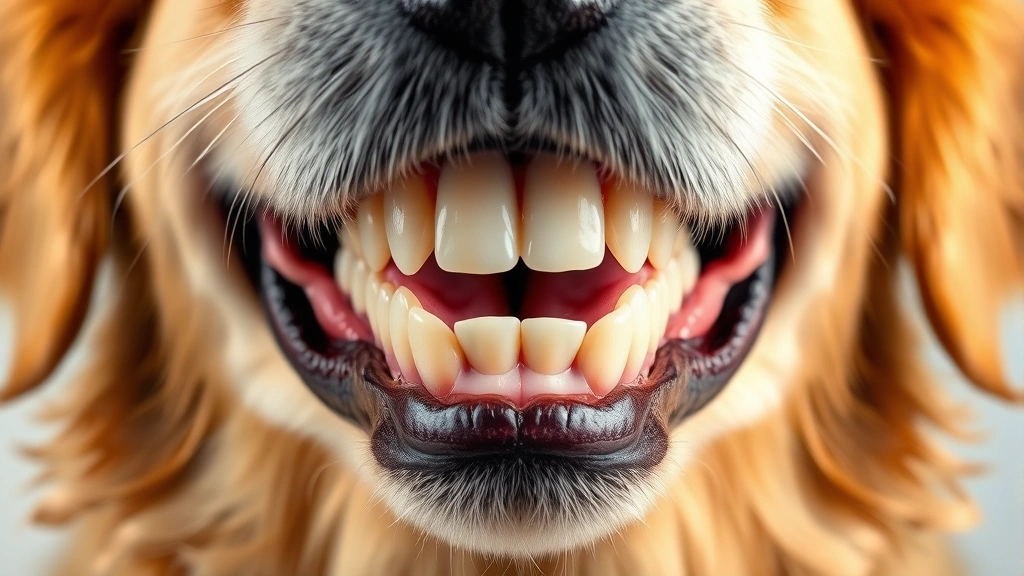
How Many Dogs Die from Teeth Cleaning? Safety Insights Every Pet Owner Should Know
If you’re a dog parent, you’ve probably heard that dental care is important for your furry friend. But have you also heard the horror stories about dogs dying during professional teeth cleaning? It’s enough to make any loving pet owner pause before scheduling that appointment with their veterinarian. The truth is, while complications during canine dental procedures do occur, the actual statistics might surprise you—and hopefully put your mind at ease.
Professional teeth cleaning for dogs is one of the most common veterinary procedures performed today. Millions of dogs undergo anesthesia for dental cleanings every year, and the vast majority come through the procedure without incident. However, understanding the real risks, what causes complications, and how to minimize those risks is essential for making informed decisions about your dog’s oral health.
In this comprehensive guide, we’ll explore the facts behind dental cleaning safety, examine the actual statistics, discuss what can go wrong, and provide you with practical steps to ensure your pup has the safest possible experience. Let’s dig into the data and separate myth from reality.
Understanding the Statistics: How Many Dogs Actually Die?
Let’s address the elephant in the room: how many dogs die from teeth cleaning? The short answer is that serious complications and deaths are exceptionally rare. According to research from veterinary anesthesia specialists, the mortality rate for routine dental cleanings under anesthesia ranges from approximately 1 in 1,000 to 1 in 100,000 procedures, depending on the study and population examined.
To put this in perspective, the American Animal Hospital Association (AAHA) reports that anesthesia-related deaths in healthy dogs undergoing routine procedures is less than 0.1%. This means that if you have your dog’s teeth professionally cleaned at a reputable veterinary clinic, the chances of a fatal outcome are extraordinarily low—comparable to or lower than many routine medical procedures in humans.
The risk increases slightly for older dogs, those with pre-existing health conditions, or dogs with certain breed predispositions to anesthesia sensitivity. However, even in these higher-risk groups, complications remain uncommon when proper screening and precautions are taken. Understanding how many teeth dogs have and why they need professional cleaning can help you appreciate the importance of this procedure despite the minimal risks involved.
A study published in the Journal of Veterinary Dentistry examined over 10,000 dental procedures and found that serious complications occurred in fewer than 2% of cases, with fatal outcomes representing a fraction of that already small percentage. Most complications that do occur are manageable and non-life-threatening when addressed promptly by trained veterinary professionals.
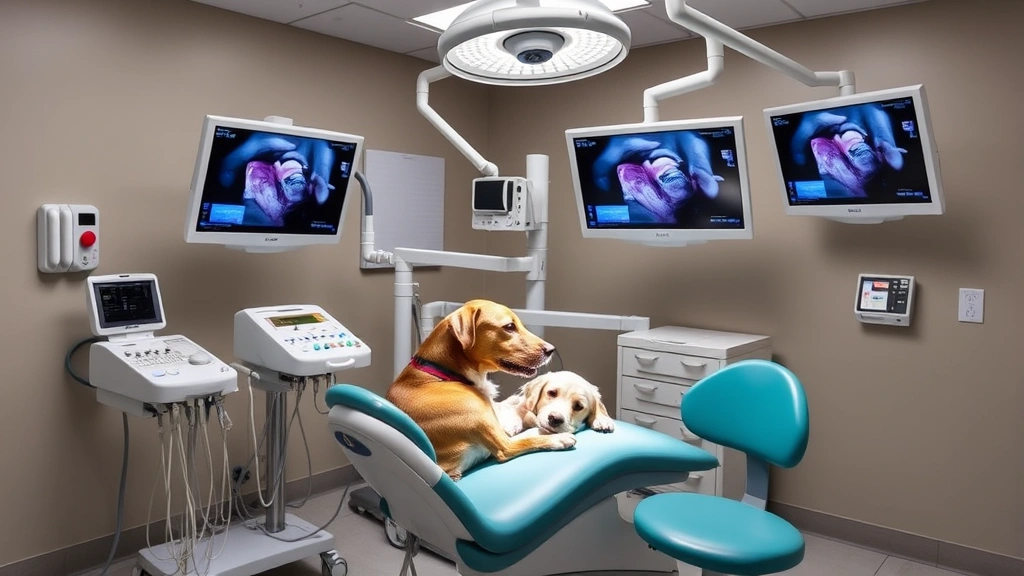
Why Anesthesia is Necessary for Dental Cleaning
Many dog owners wonder why anesthesia is even necessary for dental cleaning. The answer is straightforward: dogs cannot cooperate with the cleaning process while conscious, and attempting to clean their teeth without anesthesia would be ineffective, stressful, and potentially dangerous for both the dog and the veterinarian.
During a professional cleaning, veterinarians need to:
- Access all surfaces of every tooth, including beneath the gum line where the most problematic tartar and plaque accumulate
- Use ultrasonic scalers and other instruments that could injure the mouth if the dog moved unexpectedly
- Perform thorough polishing and examination for signs of dental disease
- Extract any teeth that are beyond saving
Conscious sedation alone isn’t sufficient for these tasks because dogs retain their reflexes and may move suddenly. General anesthesia allows the veterinarian to work safely and thoroughly while keeping your dog completely still and comfortable. The irony is that proper anesthesia actually reduces stress on your dog’s system compared to attempting the procedure while they’re conscious and anxious.
Modern veterinary anesthesia has become remarkably safe, with protocols specifically designed for dogs and constantly monitored throughout the procedure. Veterinarians use the same types of monitoring equipment found in human operating rooms, tracking heart rate, blood pressure, oxygen levels, and carbon dioxide levels in real-time.
Risk Factors That Increase Complications
While the overall risk of serious complications from dental cleaning is minimal, certain factors can increase that risk. Understanding these factors helps you work with your veterinarian to mitigate potential problems:
Age: Senior dogs (typically those over 7-8 years old) have a slightly elevated risk, though age alone isn’t a contraindication for dental cleaning. Many senior dogs successfully undergo the procedure with appropriate pre-operative screening.
Underlying Health Conditions: Dogs with heart disease, kidney disease, liver disease, or respiratory conditions face higher risks. These conditions can complicate anesthesia and recovery. If your dog has any of these issues, your veterinarian may recommend additional testing and monitoring.
Breed Predispositions: Some breeds, particularly brachycephalic dogs (flat-faced breeds like Bulldogs and Pugs), have anatomical features that can complicate anesthesia and recovery. These breeds may require special anesthetic protocols and increased monitoring.
Obesity: Overweight dogs may have more difficulty with anesthesia and recovery. Weight management is one of the most important preventative health measures you can take for your dog’s overall wellbeing.
Medication Interactions: Certain medications your dog takes regularly can interact with anesthetic agents. Always inform your veterinarian about any medications, supplements, or herbal products your dog is currently taking.
Dehydration and Electrolyte Imbalances: Dogs that haven’t had adequate water intake or have electrolyte imbalances are at higher risk. This is why pre-operative fasting guidelines are so important—they help ensure your dog is in optimal condition for anesthesia.

Pre-Cleaning Health Screening: Your First Line of Defense
The best way to minimize any risk associated with dental cleaning is to ensure your dog is in the best possible health before the procedure. This starts with comprehensive pre-operative screening, which is why reputable veterinary clinics require bloodwork before anesthetizing older dogs or those with health concerns.
A thorough pre-operative evaluation should include:
- Physical Examination: Your veterinarian will listen to your dog’s heart and lungs, check for signs of illness, and assess overall health status.
- Bloodwork: A complete blood count (CBC) and chemistry panel can reveal underlying issues like anemia, kidney disease, liver disease, or electrolyte imbalances that might affect anesthesia safety.
- Urinalysis: This can detect urinary tract infections or kidney problems that might complicate recovery.
- Blood Pressure Measurement: High blood pressure can increase anesthetic risk and should be managed before the procedure.
- Cardiovascular Assessment: For older dogs or those with heart murmurs, an EKG or ultrasound might be recommended.
The cost of pre-operative screening might seem like an unnecessary expense, but it’s actually one of the best investments you can make in your dog’s safety. These tests often reveal underlying health issues that need to be managed regardless of whether your dog undergoes dental cleaning, so they provide value beyond just the dental procedure.
If screening reveals concerning findings, your veterinarian might recommend delaying the procedure, adjusting anesthetic protocols, or treating underlying conditions first. This conservative approach is exactly what you want—it means your vet is prioritizing your dog’s safety above all else.
What Happens During a Professional Dental Cleaning
Understanding the step-by-step process of a professional dental cleaning can help demystify the procedure and explain why it requires anesthesia. Here’s what typically happens:
Pre-Anesthetic Preparation: Your dog will have an IV catheter placed, allowing the veterinarian to administer medications and fluids directly into the bloodstream. This is crucial for maintaining blood pressure and hydration during the procedure. If you notice why your dog’s breath stinks, professional cleaning will address the underlying dental disease causing this issue.
Anesthesia Induction: Your dog will receive sedation followed by general anesthesia, typically through IV injection. An endotracheal tube will be placed in the windpipe to protect the airway and deliver oxygen and anesthetic gas throughout the procedure.
Monitoring: Throughout the entire procedure, trained veterinary technicians continuously monitor your dog’s vital signs—heart rate, blood pressure, blood oxygen levels, body temperature, and carbon dioxide levels. Any concerning changes are immediately reported to the veterinarian.
Scaling and Polishing: The veterinarian uses ultrasonic scalers to remove plaque and tartar from tooth surfaces, including below the gum line. After scaling, teeth are polished to smooth the surface and help prevent future plaque accumulation.
Examination and Extractions: The veterinarian carefully examines each tooth for signs of disease. Teeth that are too damaged to save are extracted. This is actually an important part of the procedure because severely diseased teeth can harbor bacteria that cause systemic infections.
Recovery: After the cleaning is complete, anesthesia is discontinued and your dog is carefully monitored as they wake up. The endotracheal tube is removed once your dog regains the ability to protect their own airway.
Post-Operative Care and Recovery
The recovery period after dental cleaning is crucial for ensuring your dog heals properly and experiences minimal discomfort. Here’s what to expect and how to support your pup during this time:
Immediate Post-Operative Period (First 24 Hours): Your dog may feel groggy, disoriented, or nauseous as the anesthesia wears off. Some drooling is normal. Offer small amounts of water and soft food only after your dog is fully alert and the gag reflex has returned. Many veterinarians recommend waiting several hours before offering food.
Pain Management: Your dog’s mouth may be sore after cleaning, especially if extractions were necessary. Your veterinarian will likely prescribe pain medication. It’s important to administer this as directed to keep your dog comfortable during healing.
Activity Restriction: For the first few days after the procedure, keep your dog calm and restrict strenuous activity. Avoid running, jumping, or playing rough to prevent complications and allow the body to focus on healing.
Oral Care: Your veterinarian will provide specific instructions for post-operative oral care. Generally, you should avoid brushing the teeth for several days after cleaning to allow gums to heal. Soft food is recommended for at least a week.
Monitoring for Complications: Watch for signs of infection or complications, such as excessive drooling, difficulty eating, swelling, or fever. If you’re unsure whether how to tell if a dog has a fever, contact your veterinarian immediately if you notice your dog seems ill.
Most dogs recover completely within 24-48 hours and feel noticeably better within a few days. Many owners report that their dogs seem more energetic and comfortable after healing because they’re no longer dealing with the pain of dental disease.
Alternative Preventative Measures
While professional dental cleaning is the gold standard for treating existing dental disease, there are several preventative measures you can take to reduce the frequency of cleanings and maintain your dog’s oral health between professional procedures:
Daily Tooth Brushing: This is the single most effective preventative measure. Brushing your dog’s teeth daily (or at least 3-4 times per week) removes plaque before it hardens into tartar. Use a dog-specific toothbrush and toothpaste—never use human toothpaste, which can be toxic to dogs.
Dental Chews and Toys: Products designed to promote dental health can help mechanically remove plaque. Look for toys and chews approved by the Veterinary Oral Health Council (VOHC).
Prescription Dental Diets: Some commercial dog foods are specifically formulated to promote dental health through their texture and chemical composition. Your veterinarian can recommend options appropriate for your dog.
Water Additives: Certain additives can be added to your dog’s water bowl to help reduce bacteria in the mouth. Ask your veterinarian which products they recommend.
Regular Veterinary Examinations: Professional dental assessments during regular wellness exams allow your veterinarian to catch problems early. Early intervention is always easier and safer than waiting until dental disease is advanced.
Diet and Nutrition: A high-quality diet supports overall health, including oral health. Avoid feeding table scraps and sticky foods that can contribute to plaque accumulation.
Even with excellent preventative care, most dogs will eventually need professional cleaning at some point in their lives. The good news is that regular preventative measures can significantly extend the time between cleanings and reduce the overall number of procedures your dog requires.
Frequently Asked Questions
Is anesthesia-free dental cleaning a safe alternative?
Anesthesia-free dental cleaning has become increasingly popular, but veterinary organizations, including the American Veterinary Dental College and the AAHA, do not recommend this approach. Without anesthesia, veterinarians cannot properly clean beneath the gum line where most dental disease occurs. Additionally, the stress of the procedure without anesthesia can be harmful to your dog. Anesthesia-free cleaning may provide cosmetic improvement to visible tooth surfaces, but it doesn’t address the underlying dental disease that causes serious health problems.
At what age should dogs have their first professional cleaning?
This depends on your individual dog and their oral health status. Some dogs may need cleaning as early as 2-3 years old, while others might not need one until later in life. Your veterinarian can assess your dog’s teeth and recommend an appropriate timeline. Regular brushing and preventative care can delay or eliminate the need for early cleaning in many dogs.
How often does my dog need professional cleaning?
The frequency varies depending on your dog’s breed, age, diet, and oral hygiene habits. Some dogs may need cleaning annually, while others might go several years between procedures. Your veterinarian will recommend an appropriate schedule based on your dog’s individual needs and the condition of their teeth.
What should I do if my dog has bad breath?
Bad breath is often a sign of underlying dental disease. While you might wonder why your dog’s breath stinks, the most important step is to have your veterinarian examine your dog’s mouth. They can determine whether professional cleaning is necessary and address any underlying health issues that might be contributing to the odor.
Can I brush my dog’s teeth at home instead of getting professional cleaning?
Home tooth brushing is excellent for preventative care and can significantly reduce plaque accumulation, but it cannot replicate professional cleaning. Brushing only cleans the visible surfaces of teeth; professional cleaning removes tartar from beneath the gum line, which is where the most problematic bacteria accumulate. Most dogs will benefit from a combination of home care and professional cleaning.
What are the signs of dental disease in dogs?
Common signs include bad breath, yellow or brown buildup on teeth, swollen or bleeding gums, difficulty eating, drooling, and behavioral changes related to mouth pain. If you notice any of these signs, contact your veterinarian. Early detection of dental disease allows for more conservative treatment options.
Are certain dog breeds more prone to dental disease?
Yes, small breeds and brachycephalic breeds (flat-faced breeds) tend to have higher rates of dental disease. This is partly due to genetics and partly due to the crowding of teeth in smaller mouths. These breeds may require more frequent dental care and preventative measures.
What should I ask my veterinarian before scheduling dental cleaning?
Ask about their pre-operative screening protocol, the specific anesthetic agents they use, how they monitor dogs during the procedure, their experience with your dog’s breed, what post-operative care instructions they’ll provide, and their complication rates. A good veterinarian will welcome these questions and provide detailed answers.





