

How Much Pepto to Give a Dog? Vet Recommendations and Safety Guidelines
If your furry friend has been dealing with an upset stomach, you’ve probably wondered whether you could reach for that trusty bottle of Pepto-Bismol sitting in your medicine cabinet. It’s a natural instinct—after all, this pink liquid has been a go-to remedy for human digestive woes for over a century. But here’s the thing: what works for us doesn’t always work for our four-legged companions, and dosing is absolutely critical when it comes to keeping your pup safe.
The question of how much Pepto to give a dog is more nuanced than simply dividing the human dose by your dog’s weight. Before you even think about administering this medication, you need to understand whether it’s appropriate for your specific dog, what the correct dosage is, and when you should skip it entirely and call your vet instead. Getting this wrong could lead to serious complications, so let’s dive into what every responsible dog owner needs to know.
Your dog’s health is precious, and making informed decisions about their care is one of the most important things you can do as a pet parent. In this comprehensive guide, we’ll break down everything you need to know about using Pepto-Bismol safely for your canine companion.
Can Dogs Have Pepto-Bismol?
The short answer is: yes, dogs can have Pepto-Bismol, but with significant caveats. Before you assume it’s safe for your dog, you’ll want to understand the nuances. Whether dogs can have Pepto-Bismol depends on several factors including your dog’s age, health status, and current medications.
Pepto-Bismol contains bismuth subsalicylate, which is the active ingredient that helps reduce inflammation in the digestive tract and has mild antimicrobial properties. In humans, this ingredient is generally recognized as safe when used as directed. However, dogs metabolize medications differently than humans do, which means the same dose that helps your stomach might not be appropriate—or safe—for your pup.
The American Kennel Club and various veterinary organizations have acknowledged that Pepto-Bismol can be used in dogs under specific circumstances, but it’s not a first-line treatment for most digestive issues. Many vets prefer other options because they have more predictable effects in canines and fewer potential complications.
Whether you can give your dog Pepto-Bismol also depends on whether your dog has any underlying health conditions or is taking other medications that might interact with it. This is why consulting with your veterinarian before administering any over-the-counter medication is so important.
The Correct Dosage for Dogs
Now we get to the heart of your question: how much Pepto should you actually give your dog? The standard veterinary recommendation for Pepto-Bismol dosing in dogs is 1 teaspoon per 10 pounds of body weight, given every 6 to 8 hours. However, this is a general guideline, and your specific dog might need adjustments based on their individual situation.
Let’s break this down with some practical examples. If you have a small dog weighing 20 pounds, you’d give approximately 2 teaspoons per dose. A medium-sized 50-pound dog would receive about 5 teaspoons (or roughly 1 tablespoon and 2 teaspoons) per dose. For larger breeds weighing 80 pounds, you’re looking at about 8 teaspoons per dose. The dosing can also be calculated as approximately 1 milliliter (ml) per pound of body weight, which some people find easier to measure with a syringe.
The maximum duration for giving Pepto-Bismol to your dog should not exceed 5 to 7 days without veterinary guidance. If your dog’s symptoms persist beyond this timeframe, it’s time to contact your vet. Additionally, never exceed the calculated dose, as more is definitely not better when it comes to this medication.
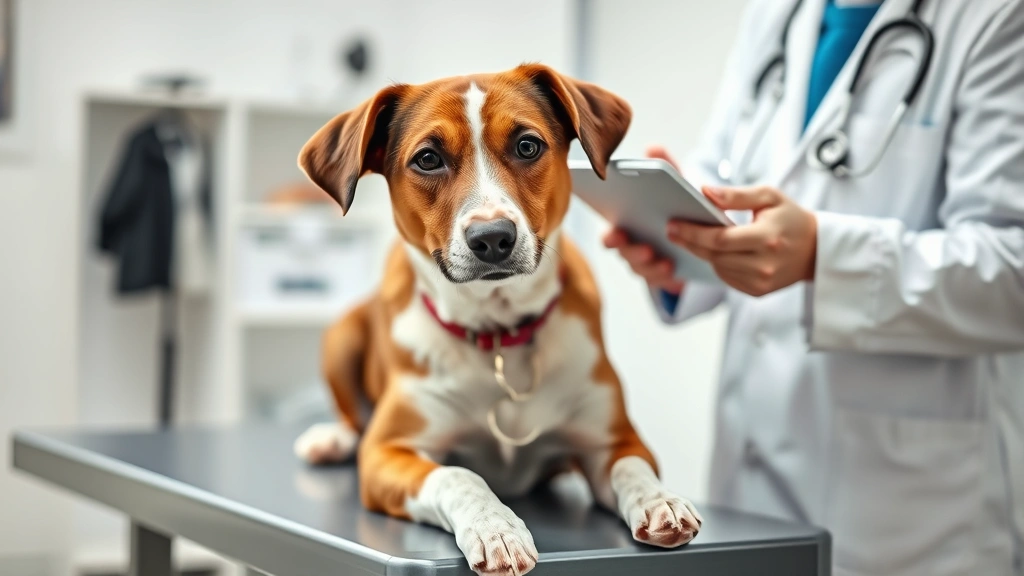
It’s worth noting that there are different formulations of Pepto-Bismol available—the original liquid, tablets, and caplets. The liquid formulation is generally easiest to dose accurately for dogs since you can measure out precise amounts. The tablets and caplets can be more challenging because you might need to crush them or break them into smaller pieces, which can affect absorption and make dosing inconsistent.
How to Administer Pepto-Bismol to Your Dog
Administering medication to a dog can be tricky, and Pepto-Bismol is no exception. The liquid formulation has a distinct pink color and somewhat medicinal taste, which many dogs find unpleasant. Here are some practical strategies for getting your dog to take their dose without too much of a battle:
- Mix with food: The most straightforward approach is to mix the Pepto-Bismol with a small amount of food your dog loves. A spoonful of wet dog food, a bit of pumpkin puree, or even a small amount of honey (if your dog isn’t allergic to bee products) can help mask the taste and make administration easier.
- Use a syringe: If you have a syringe (ask your vet for one if you don’t have it), you can measure out the exact dose and squirt it directly into your dog’s mouth, toward the back of the throat. This ensures they get the full dose without spitting it out.
- Hide it in treats: Soft treats or pill pockets can work well for hiding medication, though you’ll need to ensure your dog swallows the entire treat.
- Offer it with bone broth: Low-sodium bone broth can be an enticing vehicle for medication and is generally gentle on upset stomachs.
Whichever method you choose, try to stay calm and patient. Dogs can sense anxiety, and a stressed dog is less likely to cooperate with taking medication. Make the experience as positive as possible, and consider rewarding your dog after they’ve taken their dose.
Potential Side Effects and Risks
While Pepto-Bismol is generally considered safe for dogs when dosed appropriately, it’s not without risks. Understanding potential side effects helps you monitor your dog and know when to seek veterinary care.
One of the most common side effects is darkened or blackened stool. This occurs because bismuth subsalicylate can cause the stool to turn dark gray or black, which can be alarming if you’re not expecting it. This is typically harmless and will resolve once you stop giving the medication, but it’s good to know in advance so you don’t panic.
Some dogs may experience constipation after taking Pepto-Bismol, while others might have the opposite reaction. Mild nausea or loss of appetite can also occur in sensitive dogs. If your dog shows signs of vomiting, severe constipation, or worsening diarrhea, discontinue the medication and contact your vet.
More serious concerns arise with certain dog populations. Dogs with bleeding disorders, ulcers, or those taking blood thinners should not receive Pepto-Bismol because bismuth subsalicylate has mild anticoagulant properties. Additionally, dogs with salicylate sensitivity (which some dogs have) can experience adverse reactions.
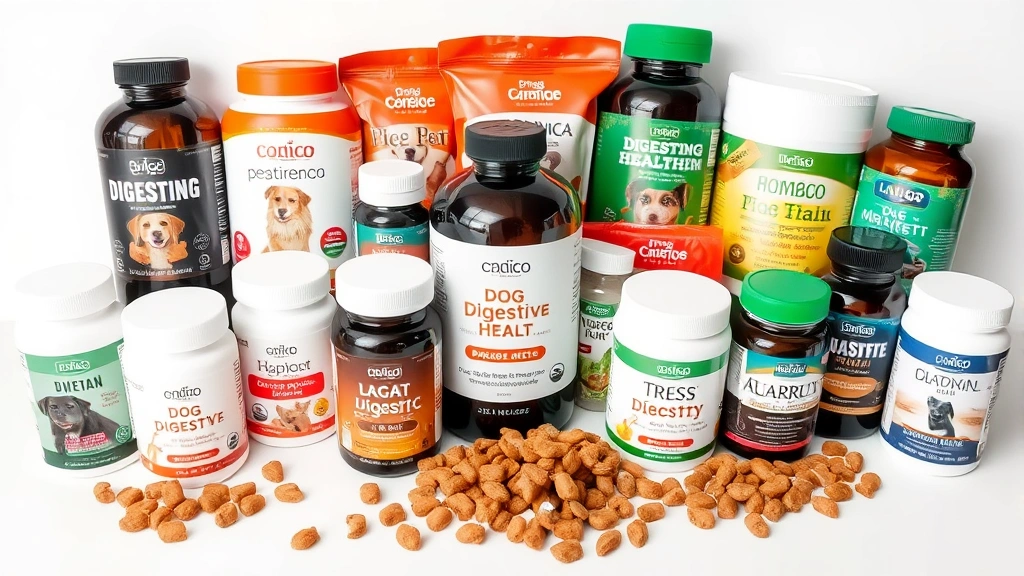
There’s also a small risk of bismuth toxicity with prolonged use, though this is rare at recommended dosages. Dogs with kidney disease or liver problems should avoid Pepto-Bismol unless specifically approved by their veterinarian, as these organs help process and eliminate the medication from the body.
When to Avoid Pepto-Bismol Entirely
Certain situations call for avoiding Pepto-Bismol altogether, even if your dog has an upset stomach. Understanding these contraindications is crucial for your dog’s safety.
Puppies under 8 weeks old should never receive Pepto-Bismol. Their digestive systems and organs are still developing, and they’re more susceptible to adverse effects. Similarly, senior dogs with existing health conditions should be evaluated by a vet before receiving any over-the-counter medication.
If your dog has a fever, bloody stools, or signs of severe illness, Pepto-Bismol is not appropriate. These symptoms warrant immediate veterinary attention, not home treatment. Your vet needs to diagnose the underlying cause before any treatment can be recommended.
Dogs with a history of aspirin sensitivity or salicylate sensitivity should avoid Pepto-Bismol entirely, as it contains salicylates. If your dog has ever had an adverse reaction to aspirin or NSAIDs, inform your vet before considering Pepto-Bismol.
Pregnant or nursing dogs should avoid Pepto-Bismol unless explicitly approved by their veterinarian. The medication can pass into breast milk and potentially affect nursing puppies.
Safe Alternatives to Consider
Before jumping to Pepto-Bismol, consider whether other options might be safer or more effective for your dog’s specific situation. How to stop diarrhea in dogs involves multiple approaches, and medication is just one tool in your toolkit.
Probiotics designed for dogs are often a first-line recommendation from veterinarians. These beneficial bacteria can help restore the natural balance of your dog’s gut flora, which is often disrupted when digestive issues occur. Quality dog-specific probiotics are generally safer than Pepto-Bismol and have fewer side effects.
Pumpkin puree (plain, not pie filling) is a gentle, natural remedy that many vets recommend. It’s high in fiber and can help with both diarrhea and constipation by regulating bowel movements. Most dogs find it palatable, and it’s something you likely already have in your pantry.
Slippery elm bark is an herbal supplement that coats the digestive tract and can soothe irritation. It’s been used for centuries in traditional medicine and is increasingly recommended by holistic veterinarians.
What to feed a dog with diarrhea is another important consideration. Often, adjusting your dog’s diet is more effective than medication. A bland diet of boiled chicken and rice, or a prescription digestive diet recommended by your vet, can work wonders for upset stomachs.
Bone broth (low-sodium) provides hydration and gentle nutrition while being easy on the digestive system. It’s particularly helpful if your dog has been vomiting or has diarrhea, as it helps replace lost electrolytes and fluids.
For dogs with chronic digestive issues, your vet might recommend prescription medications like metronidazole or other antibiotics if a bacterial infection is suspected, or medications specifically formulated for canine digestive health that work better than over-the-counter options.
When to Contact Your Veterinarian
Knowing when to call your vet versus when home care is appropriate is an important part of responsible pet ownership. If your dog’s digestive upset is mild and otherwise seems healthy, monitoring at home with dietary adjustments might be sufficient. However, several situations warrant immediate veterinary attention.
Contact your vet if your dog shows signs of severe illness including persistent vomiting, bloody or black stools, abdominal pain, fever, lethargy, or loss of appetite lasting more than a day. Why is my dog throwing up can range from minor issues to serious conditions, and your vet can help determine the cause.
If your dog is a puppy, senior, or has existing health conditions, consult your vet before giving any over-the-counter medication, including Pepto-Bismol. Your veterinarian knows your dog’s complete medical history and can recommend the safest options.
If your dog’s symptoms don’t improve after 48-72 hours of home care, or if they worsen despite treatment, it’s time for professional evaluation. Some conditions require prescription medications or diagnostic testing to identify the underlying cause.
Never hesitate to call your vet if you’re unsure about dosing, administration, or whether Pepto-Bismol is appropriate for your dog. A quick phone call can save you from potential complications and might actually save you money by catching problems early.
Frequently Asked Questions
Can I give my dog the same Pepto-Bismol I use?
While the active ingredient is the same, the formulation might differ slightly between human and veterinary products. It’s safest to use a product specifically formulated for dogs if available, or to get approval from your vet before using human Pepto-Bismol. Always check the label to ensure there are no added ingredients that might be harmful to dogs.
How long does it take for Pepto-Bismol to work in dogs?
Most dogs show improvement within 1-2 hours of receiving Pepto-Bismol, though this varies based on the underlying cause of the digestive upset. If you don’t see improvement within 24 hours, contact your veterinarian.
Can I give Pepto-Bismol to my dog every day?
Pepto-Bismol is not intended for long-term daily use in dogs. It should be used for acute digestive upset for no more than 5-7 days. If your dog needs digestive support beyond this timeframe, work with your vet to identify the underlying cause and find a more appropriate long-term solution.
What should I do if my dog overdoses on Pepto-Bismol?
If you accidentally give your dog too much Pepto-Bismol, contact your veterinarian or ASPCA Animal Poison Control immediately. Provide information about the dose given and your dog’s weight. While overdose is rare, it’s better to err on the side of caution.
Are there any drug interactions I should know about?
Yes. Pepto-Bismol can interact with certain medications including blood thinners, aspirin, and some antibiotics. Always inform your veterinarian about any medications your dog is currently taking before administering Pepto-Bismol.
Is Pepto-Bismol safe for dogs with allergies?
Dogs with food allergies or sensitivities might react to Pepto-Bismol, particularly if they have salicylate sensitivity. If your dog has known allergies, discuss this with your vet before giving any new medication.
Can I use Pepto-Bismol tablets instead of liquid for my dog?
While tablets are available, the liquid formulation is generally preferred for dogs because it’s easier to dose accurately and measure partial doses if needed. Tablets can be difficult to divide evenly and may be harder for dogs to swallow.
What’s the difference between Pepto-Bismol and other anti-diarrheal medications for dogs?
Different anti-diarrheal medications work through different mechanisms. Pepto-Bismol reduces inflammation and has mild antimicrobial properties, while other options like AAFCO-approved medications might work differently. Your vet can recommend the best option for your dog’s specific situation.
My dog ate Pepto-Bismol tablets by accident. Should I be concerned?
A small number of tablets is unlikely to cause serious harm, but monitor your dog for side effects like darkened stool, constipation, or vomiting. If your dog shows signs of distress or if you gave a large quantity, contact your vet or poison control.





