
How to Clean Dog Teeth Without Brushing: Tips & Tricks
Let’s be honest—getting your furry friend to sit still while you brush their teeth is about as easy as teaching a cat to fetch. If you’ve ever attempted the traditional toothbrush approach with your pup, you know it can feel like wrestling an alligator in your bathroom. But here’s the good news: keeping your dog’s teeth clean doesn’t have to involve a daily battle of wills. There are plenty of creative, effective alternatives that your dog might actually enjoy!
Dental health is seriously important for our canine companions. Just like humans, dogs can develop plaque buildup, tartar, and other dental issues that lead to serious health problems down the road. The tricky part? Many dogs absolutely despise traditional tooth brushing. That’s why we’re diving into the best methods to keep those pearly whites sparkling without ever touching a toothbrush to their teeth.
Whether your dog is a stubborn senior, an anxious rescue, or just plain refuses to cooperate with conventional dental care, we’ve got you covered. These tried-and-true alternatives will help you maintain your pup’s oral hygiene while keeping the peace in your household.
Dental Chews and Treats
Dental chews are one of the easiest ways to support your dog’s oral health without any brushing involved. These specially formulated treats are designed to mechanically clean teeth as your dog chews, reducing plaque and tartar buildup naturally. The best part? Your pup gets to enjoy a delicious treat while their teeth get cleaner. It’s basically a win-win situation.
Look for dental chews that have been approved by the Veterinary Oral Health Council (VOHC), which means they’ve actually been tested and proven to reduce plaque and tartar. Brands like Greenies, Virbac C.E.T., and Milk-Bone Brushing Chews are popular options that many dogs genuinely look forward to receiving.
The texture of these chews is key—they need to be firm enough to create friction against the tooth surface without being so hard that they risk breaking teeth. When your dog chews, the abrasive action helps scrub away plaque buildup, much like a natural toothbrush would. For maximum benefit, aim to give your dog one dental chew daily, preferably one that matches their size and chewing power.
If you’re wondering whether these chews are truly effective, the science backs it up. Studies show that regular use of VOHC-approved dental chews can reduce plaque by up to 60% in some cases. That’s significant! Plus, they’re way less stressful than traditional brushing for both you and your furry friend.
Raw Bones and Natural Chewing Options
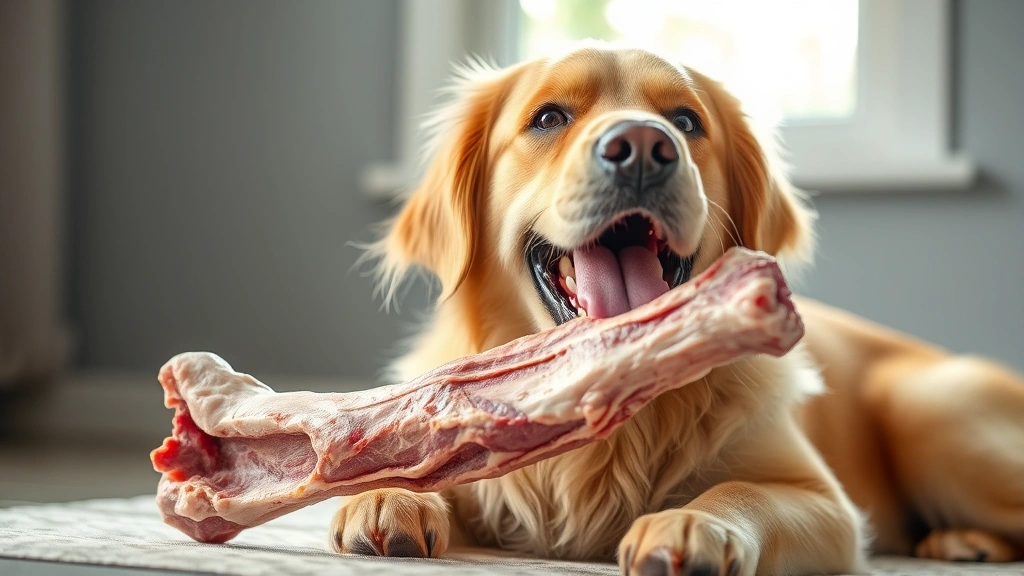
Now, let’s talk about one of nature’s most effective teeth cleaners: bones. Many dog owners swear by raw bones as a natural cleaning tool for their pup’s teeth. The gnawing action required to work on a raw bone creates the perfect friction to remove plaque and tartar buildup. It’s how dogs have been cleaning their teeth for thousands of years!
Raw meaty bones like chicken necks, turkey necks, or beef knuckle bones are excellent choices. The key word here is “raw”—never give your dog cooked bones, as they can splinter and cause serious digestive issues. Raw bones are softer and more pliable, making them safer for chewing. Always supervise your dog when they’re working on a bone, and choose appropriately sized bones for your dog’s breed and jaw strength.
If you’re concerned about food safety or bacteria, this is understandable. However, dogs have incredibly strong stomach acid that helps them digest raw bones safely. That said, if you have a senior dog, a dog with compromised immunity, or you’re simply not comfortable with raw bones, there are alternatives. Bully sticks offer similar benefits with a slightly lower risk profile and are easier to manage.
Another fantastic natural option is yak cheese chews, also known as Himalayan dog chews. These hard cheese treats provide excellent mechanical cleaning action and are long-lasting, giving your dog extended chewing time. They’re fully digestible (mostly), though you’ll want to soften the last little nub in the microwave before your dog swallows it.
Antlers and olive wood chews are also great alternatives that provide the mechanical cleaning benefits without being consumable. They’re designed to last for months, making them a cost-effective option for aggressive chewers.
Diet and Nutritional Approaches
What your dog eats directly impacts their dental health. Switching from soft, wet food to a high-quality dry kibble can make a noticeable difference in plaque accumulation. The harder texture of kibble naturally creates more friction against teeth as your dog chews, providing some degree of mechanical cleaning action.
Look for kibble brands that prioritize dental health in their formulation. Some premium dog foods are specifically designed with larger kibble sizes and rougher textures to maximize the cleaning benefit. Brands like Hill’s Prescription Diet t/d and Royal Canin Dental are formulated specifically for dental support.
Beyond the physical texture of food, certain nutrients support oral health from within. Calcium, phosphorus, and vitamin D are essential for maintaining strong teeth and healthy gums. Some dog foods are fortified with these minerals specifically to support dental health. Additionally, incorporating supplements like apple cider vinegar can help maintain a healthier pH balance in your dog’s mouth, potentially reducing bacterial growth.
Adding raw or cooked vegetables to your dog’s diet can also help. Carrots, especially when given raw and cold, act as natural abrasive cleaners and can help freshen breath. Celery and apples also provide similar benefits, though always remove apple seeds first due to their cyanide content. These whole foods are much better alternatives to processed treats and provide additional nutritional benefits.
Consider incorporating bone broth into your dog’s meals, which supports not only dental health but overall wellness. The collagen in bone broth supports gum health, while the minerals contribute to stronger teeth.

Water Additives and Supplements
Water additives designed for canine dental health are a simple, hands-off way to support your dog’s oral hygiene. These products are added directly to your dog’s drinking water and work to reduce bacteria in the mouth and freshen breath throughout the day. Brands like Oxyfresh and Healthymouth offer veterinarian-approved formulas that are tasteless and odorless, so they won’t affect your dog’s water consumption.
These additives typically contain ingredients that inhibit bacterial growth and reduce plaque formation. Some use chlorhexidine or other antimicrobial compounds, while others rely on natural ingredients like grapefruit seed extract. The beauty of water additives is that they require zero effort from you or your dog—just add and forget.
Dental powder supplements are another option that can be sprinkled directly onto your dog’s food. These powders often contain enzymes and minerals that support oral health and are particularly helpful if your dog has sensitive teeth or gum issues. Many contain probiotics specifically selected for oral health, which help maintain a healthy balance of bacteria in the mouth.
Omega-3 fatty acids are also excellent for supporting gum health and reducing inflammation. Fish oil supplements or foods rich in omega-3s can help keep gums strong and reduce the risk of periodontal disease. Always consult with your veterinarian before starting any new supplement regimen to ensure it’s appropriate for your dog’s individual health needs.
Professional Dental Care
While we’re focusing on non-brushing methods, it’s important to acknowledge that professional veterinary dental cleanings are sometimes necessary and shouldn’t be avoided out of fear or inconvenience. If your dog has significant tartar buildup or develops cavities, a professional cleaning under anesthesia may be required.
Professional cleanings are thorough and address issues that home care alone cannot fix. Your veterinarian can identify and treat dental disease early, preventing serious complications like tooth loss or infection. Think of professional cleanings as the dental equivalent of getting your car serviced—preventive maintenance that keeps everything running smoothly.
The frequency of professional cleanings depends on your individual dog. Some dogs may need them annually, while others might need them every few years. Your veterinarian can assess your dog’s dental health and recommend an appropriate schedule. Regular home care using the methods discussed in this article can help extend the time between professional cleanings.
Natural Remedies and Home Solutions
If you prefer a more natural approach to canine dental care, there are several home remedies that can support oral health. Coconut oil has antimicrobial properties and can be rubbed on gums or added to food. Some dog owners report fresher breath and healthier gums after incorporating coconut oil into their routine.
Turmeric is another natural ingredient with anti-inflammatory and antimicrobial properties. A small amount mixed into food can help reduce gum inflammation and support overall oral health. However, use it sparingly and consult your vet, as turmeric can interact with certain medications.
Cinnamon has been used for centuries for its antimicrobial properties and can help freshen breath. A tiny pinch added to food occasionally is generally safe, though you should avoid cinnamon essential oil, which is too concentrated for dogs.
Peppermint is another breath-freshening option that many dogs enjoy. You can steep peppermint in water and use it as a mouth rinse after meals, though most dogs won’t cooperate with this method. Adding a tiny amount of peppermint extract to water is a more practical approach.
Probiotics specifically formulated for canine oral health are gaining popularity among holistic veterinarians. These beneficial bacteria help maintain a healthy oral microbiome and reduce the growth of harmful bacteria that contribute to plaque and tartar formation. Look for probiotics that contain strains specifically studied for oral health benefits.
Enzymatic cleaners are another interesting option. Some products contain naturally occurring enzymes that help break down plaque-forming bacteria. These can be applied directly to the gums or incorporated into treats and chews.
Frequently Asked Questions
Are dental chews really effective at cleaning dog teeth?
Yes, when you choose VOHC-approved dental chews, they can be quite effective. Studies show they can reduce plaque by up to 60% when used regularly. However, they work best as part of a comprehensive oral health routine rather than as a standalone solution. For dogs with significant dental disease, professional cleaning may still be necessary.
Can I give my dog raw bones safely?
Raw bones can be safe when handled properly. Always choose raw, never cooked bones, and supervise your dog during chewing. Avoid bones that are too small and could be swallowed whole. Raw meaty bones like chicken necks are generally considered safer than large beef bones. If you’re uncomfortable with raw bones, bully sticks and yak chews offer similar benefits with less risk.
How often should I give my dog dental chews?
Most dental chews are designed for daily use. One chew per day is typically recommended for optimal results. However, always follow the manufacturer’s guidelines based on your dog’s size and weight, as some chews are calorie-dense and could contribute to weight gain if overused.
Does dry food really clean teeth better than wet food?
Dry kibble does provide more mechanical cleaning action than soft, wet food due to its harder texture. However, the difference is relatively modest. A combination of dry food and additional dental care methods will be more effective than relying on kibble alone. Some premium dental-specific kibbles are formulated with larger pieces and rougher textures for enhanced cleaning benefits.
What should I do if my dog has bad breath?
Bad breath in dogs often indicates dental disease or oral health issues. While understanding why your dog’s breath stinks is the first step, you should have your veterinarian examine your dog to rule out underlying health problems. Once dental health is confirmed or treated, the methods discussed in this article can help maintain freshness.
Are water additives safe for all dogs?
Most veterinarian-approved water additives are safe for healthy dogs. However, if your dog has kidney disease, certain allergies, or other health conditions, you should consult your veterinarian before adding anything to their water. Some additives contain ingredients that might not be suitable for dogs with specific health concerns.
How can I tell if my dog’s teeth are healthy?
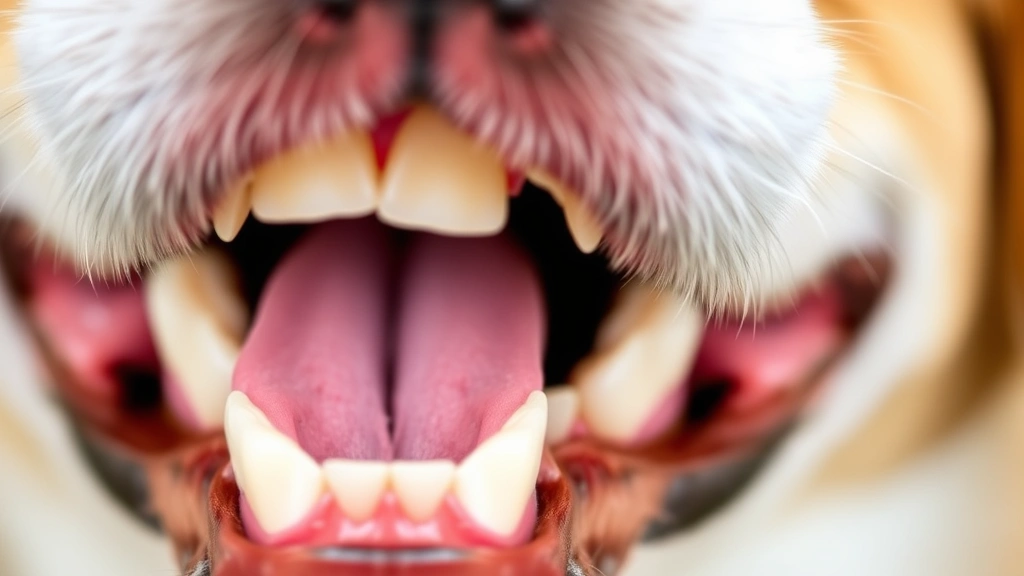
Healthy dog teeth should be white or slightly off-white with minimal visible tartar. The gums should be pink (not red or pale) and firm, not swollen or bleeding. If you notice bad breath, excessive drooling, difficulty eating, loose teeth, or dark deposits on teeth, schedule a veterinary exam. Early detection of dental problems can prevent serious complications.
Is it ever too late to start a dental care routine?
It’s never too late! Even senior dogs can benefit from improved dental care routines. However, older dogs with significant existing dental disease may require professional intervention first. Once any serious issues are addressed, maintaining oral health with the methods discussed in this article can prevent further deterioration.





