

How to Cook Chicken for Dogs: A Simple Guide
If you’re looking to add a nutritious boost to your furry friend’s diet, cooking chicken for dogs is one of the easiest and most rewarding things you can do. Whether your pup is recovering from an upset stomach, needs a protein-packed treat, or you’re simply looking to supplement their kibble with something wholesome, homemade chicken is a game-changer. It’s affordable, versatile, and your dog will absolutely love you for it.
The beauty of preparing chicken for your canine companion is that it requires minimal effort and just a few basic ingredients. No fancy culinary skills needed—just your kitchen, some chicken, and a little know-how. In this guide, we’ll walk you through everything you need to know about safely cooking chicken for dogs, from preparation methods to portion sizes and storage tips.
Your pup deserves the best, and homemade chicken is a simple way to show them you care while keeping their tail wagging and their belly happy.
Why Chicken Is Great for Dogs
Chicken is one of the most popular protein sources for dogs, and for good reason. It’s lean, digestible, and packed with essential amino acids that support muscle development and maintenance. Chicken is good for dogs because it provides high-quality protein without excess fat, making it ideal for weight management and overall health.
According to the Association of American Feed Control Officials (AAFCO), chicken meets or exceeds nutritional standards for canine diets. It’s also highly palatable, meaning most dogs find it absolutely delicious. Whether your pup is a picky eater or a garbage disposal, chicken tends to be a winner across the board.
Beyond basic nutrition, chicken offers specific health benefits. It contains B vitamins for energy metabolism, selenium for immune function, and niacin for skin and coat health. For dogs recovering from illness or dealing with digestive issues, plain cooked chicken can be particularly beneficial as part of a bland diet.
Preparation Before Cooking
Before you start cooking, proper preparation is essential for your dog’s safety and health. Begin by selecting high-quality chicken from a reputable source. Boneless, skinless chicken breasts are the easiest option for beginners, though thighs work well too. If you’re using bone-in chicken, you’ll need to remove all bones before serving, as dogs cannot safely consume chicken bones even after cooking.
Rinse your chicken under cool running water and pat it dry with paper towels. This removes surface bacteria and excess moisture. Trim any visible fat from the chicken, as excessive fat can cause digestive upset in some dogs. You don’t need to remove all fat—a small amount is actually beneficial—but trim the obvious chunks.
Inspect the chicken carefully for any skin, feathers, or other debris. Make sure your cutting board and utensils are clean before beginning. Wash your hands thoroughly before and after handling raw chicken to prevent cross-contamination. These simple steps help ensure your homemade dog food is as safe as possible.
Cooking Methods for Dog Chicken
There are several safe and effective ways to cook chicken for your dog. Each method has its advantages, so choose based on your schedule and preferences.
Boiling
Boiling is perhaps the simplest method and produces the most digestible chicken for sensitive tummies. Place boneless, skinless chicken breasts in a large pot and cover with water. Bring to a boil, then reduce heat and simmer for 12-15 minutes until the internal temperature reaches 165°F (74°C). The chicken should be completely cooked through with no pink inside.
One advantage of boiling is that you can save the cooking water to make chicken broth for dogs, which adds extra flavor and hydration. Just ensure the broth contains no added salt or seasonings. Many dog owners freeze this broth in ice cube trays for convenient meal toppers.
Baking
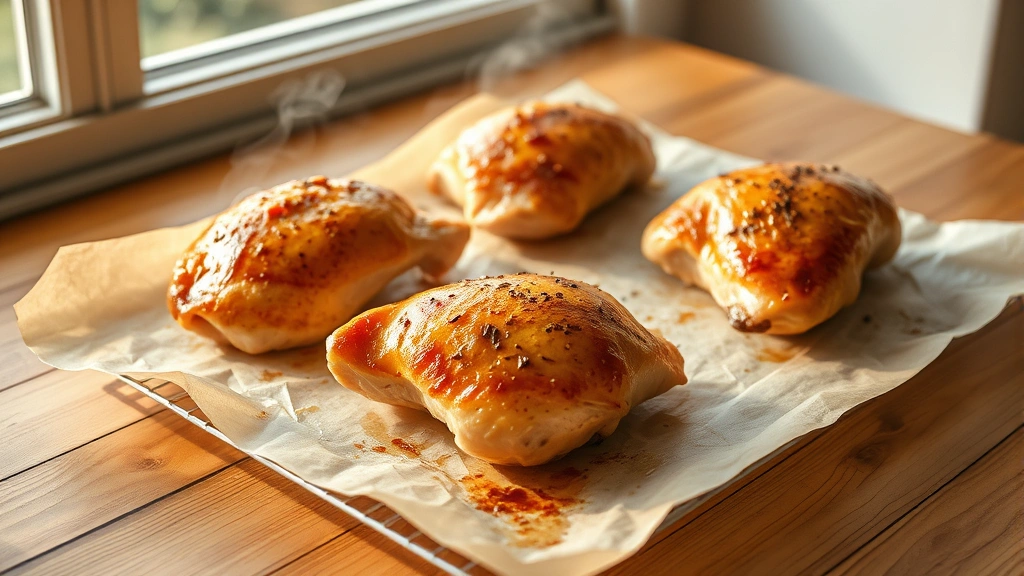
Baking is ideal if you’re cooking larger quantities. Preheat your oven to 350°F (175°C). Place chicken breasts on a baking sheet lined with parchment paper and bake for 20-25 minutes until the internal temperature reaches 165°F. This method requires no added water or oil, making it quick and mess-free.
Baked chicken is slightly firmer than boiled, which some dogs prefer. The exterior develops a light golden color that appeals to both canines and their humans. This method is particularly useful if you’re meal-prepping for the week.
Slow Cooking
For the ultimate convenience, use a slow cooker. Place chicken breasts in your slow cooker with just enough water to barely cover them. Cook on low for 6-8 hours or high for 3-4 hours. The result is incredibly tender, fall-apart chicken that dogs absolutely adore.
The slow cooker method is perfect for busy pet parents who want to come home to ready-made dog food. The gentle cooking process preserves nutrients and creates a naturally flavorful meal without any additives.

What NOT to Add: Seasoning Safety
This is crucial: never add salt, garlic, onion, or any spices to chicken intended for your dog. Many common seasonings are toxic to canines. Garlic and onions contain compounds called thiosulfates that damage red blood cells and can cause hemolytic anemia in dogs. Excessive salt can lead to sodium ion poisoning.
Even “dog-friendly” seasonings should be used sparingly and only when you’re certain they’re safe. Stick to plain, unseasoned chicken. Your dog doesn’t need fancy flavoring—the natural taste of chicken is exciting enough for their palate. If you’re cooking chicken for both your family and your dog, prepare your dog’s portion plain before adding seasonings to the rest.
Avoid cooking chicken in oils or butter unless specifically recommended by your veterinarian. Plain cooked chicken is safest and easiest for your dog’s digestive system to process. If your dog has a sensitive stomach or is recovering from illness, plain boiled chicken is the gold standard.
Portion Sizes and Feeding Guidelines
Determining the right amount of chicken depends on your dog’s size, age, activity level, and overall diet composition. As a general rule, cooked chicken should constitute no more than 10% of your dog’s daily caloric intake when used as a supplement to commercial dog food.
For a typical medium-sized dog (50 pounds), this translates to roughly 1-2 ounces of cooked chicken per day as a treat or topper. Smaller dogs need proportionally less, while larger dogs can handle more. If you’re using chicken as a complete meal replacement—such as feeding chicken and rice to your dog—you’ll need to ensure nutritional balance by combining it with appropriate vegetables and supplements.
Always consult with your veterinarian about appropriate portions for your individual dog, especially if your pup has specific health conditions. The ASPCA provides detailed nutrition guidelines that can help you make informed decisions about your dog’s diet.
Storage and Shelf Life
Proper storage ensures your homemade dog food stays fresh and safe. Cooked chicken can be refrigerated in an airtight container for up to 3-4 days. Store it on the lowest shelf of your refrigerator to prevent any drips onto other foods.
For longer storage, freeze cooked chicken in portions. Cut the chicken into serving-sized pieces and place in freezer bags or ice cube trays for portion control. Frozen chicken keeps for 2-3 months. Label containers with the date so you know when you prepared them. Thaw frozen chicken in the refrigerator overnight before serving—never leave it on the counter where bacteria can multiply.
When storing chicken broth, freeze it in ice cube trays, then pop cubes into freezer bags once solid. These convenient portions can be added to your dog’s regular meals for extra nutrition and flavor. Most frozen chicken broth maintains quality for 2-3 months.
Simple Recipes to Try
Basic Boiled Chicken
Ingredients:
- 2-3 boneless, skinless chicken breasts
- Water
Instructions:
- Place chicken in a large pot and cover with water
- Bring to a boil, then reduce to a simmer
- Cook for 12-15 minutes until fully cooked (165°F internal temperature)
- Remove chicken and let cool completely
- Cut into appropriate bite-sized pieces for your dog
- Serve plain or refrigerate for later
Chicken and Rice Meal
This combination is excellent for dogs with upset stomachs. When feeding a dog with diarrhea, this bland meal is often recommended by veterinarians.
Ingredients:
- 2 cups cooked plain chicken, diced
- 2 cups cooked white rice (no salt or butter)
Instructions:
- Cook chicken using any method above
- Cook white rice according to package directions, using water only
- Mix cooled chicken and rice together
- Serve in appropriate portions based on your dog’s size
- Store refrigerated for up to 4 days or freeze for later
Chicken and Vegetable Mix
Ingredients:
- 2 cups cooked plain chicken, diced
- 1 cup cooked sweet potato, cubed
- 1 cup cooked carrots, chopped
- 1/2 cup cooked green beans
Instructions:
- Cook all ingredients separately without salt, oil, or seasonings
- Cool everything completely
- Mix together in a large bowl
- Portion into serving sizes
- Serve fresh or refrigerate for 3-4 days
Note: Before introducing new vegetables, ensure they’re safe for dogs. Consult your veterinarian about any dietary changes, especially if your dog has existing health conditions.
Chicken Broth for Hydration
Ingredients:
- 3-4 chicken breasts
- Water
Instructions:
- Place chicken in a pot and cover completely with water
- Bring to a boil, then reduce to simmer
- Simmer for 20-30 minutes
- Remove chicken (use for other recipes)
- Strain broth through a fine mesh strainer
- Cool completely before serving
- Freeze in ice cube trays for convenient portions
Frequently Asked Questions
Can I cook chicken with the skin on for my dog?
While chicken skin isn’t toxic to dogs, it’s high in fat and can cause digestive upset, especially in dogs prone to pancreatitis or obesity. It’s best to remove the skin before cooking for your dog. If you’re cooking chicken for yourself, simply remove the skin from your dog’s portion before serving.
Is rotisserie chicken safe for dogs?
Store-bought rotisserie chicken often contains garlic, onion, and excessive salt, making it unsafe for dogs. Never share rotisserie chicken from restaurants or grocery stores with your pup. If you want rotisserie-style chicken, cook it yourself at home without seasonings.
What temperature should chicken be cooked to for dogs?
Chicken should reach an internal temperature of 165°F (74°C) to be considered fully cooked and safe. Use a meat thermometer to check the thickest part of the meat. This temperature kills harmful bacteria like salmonella and campylobacter.
Can I give my dog raw chicken?
Raw chicken diets (BARF diets) are controversial and carry risks of bacterial contamination. The American Animal Hospital Association (AAHA) advises caution with raw diets due to potential health hazards. If you’re interested in raw feeding, consult your veterinarian first.
How do I know if my dog is allergic to chicken?
Signs of chicken allergies include itching, rashes, vomiting, diarrhea, and ear infections. If you suspect your dog has a chicken allergy, eliminate it from their diet and consult your veterinarian. They can perform tests to confirm allergies and recommend alternative protein sources.
Can puppies eat cooked chicken?
Yes, puppies can eat cooked plain chicken. It’s an excellent protein source for growing dogs. However, ensure portions are appropriate for their age and size, and that chicken is part of a balanced diet meeting their specific nutritional needs. Puppies require different nutrient ratios than adult dogs, so consult your vet about dietary composition.
Is chicken better than other meats for dogs?
Chicken is excellent for dogs, but so are other lean meats like turkey and beef. The best choice depends on your individual dog’s needs, preferences, and any health conditions. Variety can be beneficial, but consult your veterinarian about balancing your dog’s diet.
Can I use chicken as a training treat?
Absolutely! Small pieces of cooked chicken make excellent high-value training treats. Cut into tiny cubes for portion control, especially during intensive training sessions. Just remember to account for training treats in your dog’s daily caloric intake to prevent overfeeding.





