

How to Crate Train an Older Dog: Expert Tips
Think crate training is only for puppies? Think again! Many dog parents assume that teaching an older dog to embrace their crate is an uphill battle, but the truth is far more encouraging. Whether you’ve just adopted a senior rescue or your adult companion never received proper crate training, it’s absolutely possible to help them feel safe and secure in their own den. The key lies in patience, positive reinforcement, and understanding that older dogs can learn new habits—they just need a different approach than their younger counterparts.
Crate training an older dog offers incredible benefits beyond just having a safe space. A well-crate-trained dog becomes easier to manage during vet visits, travel, and times when you need them to stay put. It also provides them with a sanctuary where they can retreat when feeling overwhelmed or anxious. Many senior dogs actually prefer having a designated space where they can relax undisturbed, making the crate a genuine comfort rather than a punishment.
The misconception that you can’t teach old dogs new tricks has prevented countless older pups from enjoying the security and structure a crate provides. This comprehensive guide will walk you through proven strategies for successfully crate training your mature furry friend, complete with troubleshooting tips and expert advice to make the process smooth and stress-free.
Why Crate Training Matters for Older Dogs
Many people wonder why they should invest time in crate training an older dog when they’ve managed without it this long. The answer is simple: a crate becomes invaluable as dogs age and face new life circumstances. Whether dealing with mobility issues, behavioral changes, or simply needing a safe space during household chaos, a properly trained crate offers security and comfort.
For rescue dogs and adoptees, crate training provides structure during the critical adjustment period. It helps prevent destructive behaviors that stem from anxiety and gives both dog and owner clear boundaries. According to the American Kennel Club, crate training is one of the most effective tools for managing dog behavior and creating a sense of security.
Senior dogs particularly benefit from having a designated retreat space where they can rest without interruption. This becomes especially important if you have younger pets, children, or a busy household. The crate serves as a signal to everyone: “This dog needs peace and quiet right now.” Additionally, understanding how to bond with your dog is essential during this training period, as trust forms the foundation of successful crate training.
A crate-trained dog also becomes infinitely easier to travel with and manage during emergency situations. If your home requires evacuation or you need to visit the veterinarian, a dog comfortable in their crate experiences far less stress than one who’s never been confined. This peace of mind alone makes the training investment worthwhile.
Choosing the Right Crate
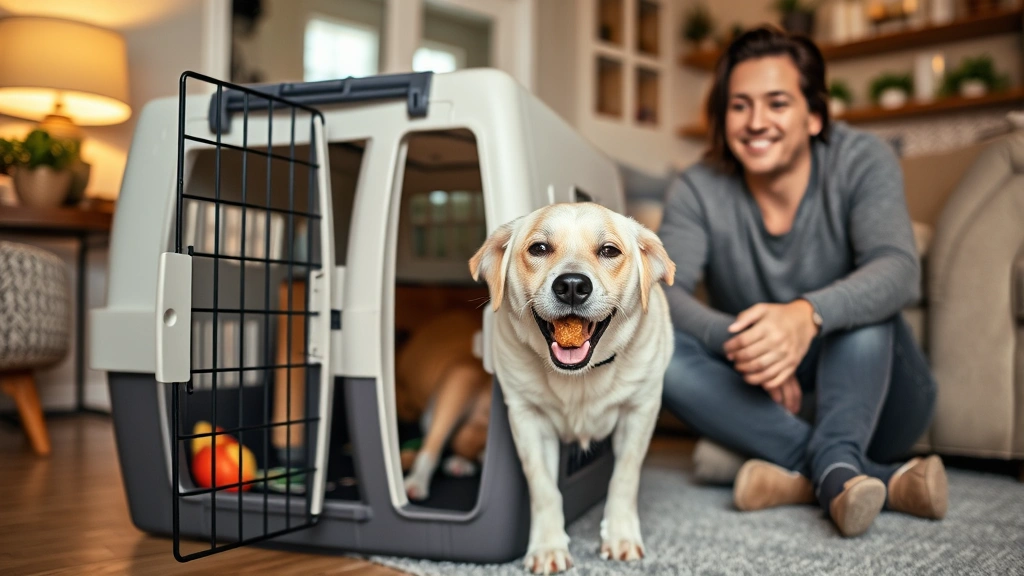
Selecting an appropriate crate is your first critical decision. Unlike puppies, older dogs don’t need to grow into their crate—they need one that fits them right now. The ideal crate allows your dog to stand, turn around, and lie down comfortably without excessive extra space that encourages them to eliminate in one corner and sleep in another.
For older dogs, consider these crate options:
- Wire crates: Provide good ventilation and visibility, allowing your dog to see their surroundings. They’re durable and often collapsible for travel.
- Plastic crates: Offer den-like enclosure that some dogs find comforting. They’re excellent for anxious dogs and travel situations.
- Fabric crates: Lightweight and portable, though less durable. Best for calm, well-trained dogs who won’t attempt to escape.
- Heavy-duty crates: Necessary for larger or particularly anxious dogs who might otherwise damage standard crates.
Size matters tremendously. A crate that’s too large defeats the purpose of creating a den-like space, while one that’s too small causes discomfort and resentment. Measure your dog from nose to tail, add a few inches, and use that as your guide. Many retailers offer sizing guides, and don’t hesitate to ask staff for recommendations.
The ASPCA provides detailed guidance on crate selection and setup. Location matters too—place the crate in a family living area where your dog can feel included rather than isolated. A basement or closed-off room sends the message that the crate is punishment, which works against your training goals.
Preparing Your Dog and Space
Before introducing the crate itself, set realistic expectations about your dog’s background. An older dog who’s spent years in a shelter or experienced trauma may have particular anxieties around confinement. Take time to understand your dog’s history if available, and adjust your approach accordingly. Patience becomes your greatest asset.
Make the crate inviting by adding comfortable bedding—orthopedic mats are excellent for older dogs with joint issues. Include a water bowl if you plan extended crate time, though remove it during training sessions to prevent accidents. Some dogs respond well to calming aids like anxiety-reducing supplements or pheromone diffusers.
Establish a positive association with the crate before any training begins. Leave the door open and allow your dog to explore at their own pace. Toss treats inside randomly throughout the day so they discover pleasant surprises in this new space. Never force your dog into the crate—let curiosity and positive rewards guide them.
Consider your dog’s daily routine. Understanding why dogs sleep so much helps you recognize that older dogs need more rest anyway. Schedule crate time during their natural nap periods rather than forcing them inside during their most active hours. This creates a natural rhythm where the crate becomes associated with relaxation.

Step-by-Step Training Process
Phase 1: Introduction (Days 1-3)
Leave the crate door open and allow your dog complete freedom to investigate. Place their bed, toys, and treats inside. Sit nearby without pushing them to enter. Some dogs will wander in immediately; others need more time. There’s no rush. Your goal is simply to make the crate feel like part of the household, not a scary unknown object.
Feed meals near the crate, then gradually move the bowl inside with the door still open. This creates positive associations without any pressure. Praise and reward any voluntary entry with treats and verbal encouragement.
Phase 2: Building Comfort (Days 4-7)
Once your dog freely enters the crate, begin closing the door briefly while they’re inside eating. Open it immediately after they finish. Gradually extend the time with the door closed while you’re present. Start with just 30 seconds and build from there. Your dog should never feel trapped or abandoned during this phase.
Practice the “leave it” command near the crate entrance, rewarding your dog for ignoring the door. You’re teaching them that a closed door doesn’t mean panic—it’s just part of normal life. This connects well with teaching them to lay down on command, which creates calm behavior before crating.
Phase 3: Extended Confinement (Week 2-3)
Begin closing the door while you’re in the room but not directly nearby. Start with 5-10 minutes and gradually increase. Use a calm command like “kennel” or “crate” paired with a hand signal. Reward entry with high-value treats. Never use the crate as punishment—this is absolutely critical for success with older dogs who may already have trust issues.
During this phase, occasional whining is normal. Resist the urge to let your dog out if they’re whining—this teaches them that noise opens the door. Only open it when they’re quiet. If they panic, you’ve progressed too quickly. Go back a step and move forward more slowly.
Phase 4: Independence (Week 4+)
Begin leaving the room for short periods with your dog crated. Start with just a few minutes and gradually extend to 30 minutes, then an hour. Your dog should now be comfortable with the door closed and your absence. Establish a routine: use a specific command, give a treat, and leave calmly without fanfare. Dramatic departures and greetings increase anxiety.
Once your dog successfully handles an hour alone, you can confidently extend to longer periods based on your dog’s age and needs. Remember that how long a dog can be left alone depends on individual factors, so adjust accordingly. Older dogs may need more frequent bathroom breaks than younger ones.
Overcoming Common Challenges
Excessive Whining and Crying
This is the most common issue with older dogs. The key is consistency: never reward whining by letting them out. Wait for even a brief moment of quiet, then open the door. This teaches the correct behavior. Use white noise, music, or a crate cover to reduce visual stimulation and create a den-like atmosphere.
If your dog has anxiety that manifests as destructive behavior in the crate, consider whether they’re experiencing genuine distress or testing boundaries. Genuine anxiety may require consultation with a veterinary behaviorist. Destructive testing typically resolves with consistent training.
Accidents Inside the Crate
An older dog having accidents in their crate usually indicates you’ve extended confinement time too long. Most dogs won’t eliminate where they sleep, so accidents suggest your dog is panicking or their bladder capacity is being exceeded. Reassess timing and ensure regular bathroom breaks before crating.
If your dog has underlying incontinence issues, consider consulting your veterinarian. Some medical conditions affect older dogs’ ability to control their bladder. This isn’t a training problem—it’s a health issue requiring different solutions.
Resistance to Entering the Crate
If your dog refuses to enter voluntarily, you’ve likely moved too quickly or used negative associations. Return to leaving the door open and making the crate irresistibly appealing. High-value treats (small pieces of chicken, cheese, or special training treats) work better than regular kibble. Make entering the crate their idea, not your command.
Some dogs benefit from a crate with multiple entry points, reducing the feeling of being trapped. Others respond well to having a familiar item inside—perhaps a blanket that smells like you or a favorite toy. Experiment to find what motivates your specific dog.
Destructive Behavior
If your older dog damages the crate or bedding while confined, this indicates anxiety rather than boredom. Remove soft bedding and use a sturdy crate. Consider whether something specific triggers the behavior—certain times, sounds, or situations. Address the underlying anxiety rather than punishing the behavior.
Interestingly, some dogs who engage in anxious crate behavior also develop habits like licking their paws excessively. Both behaviors stem from stress and may benefit from similar interventions: anxiety management, exercise, and mental stimulation before crating.
Realistic Timeline and Expectations
How long does crate training take for an older dog? It depends on their background, temperament, and previous experiences. A well-adjusted adult dog with no prior trauma might be comfortable with extended crating within 2-3 weeks. A rescue dog with significant anxiety might need 2-3 months or longer.
Don’t compare your progress to others. Some dogs are naturally den-oriented and take to crates quickly. Others are naturally resistant to confinement. Both are normal. Your job is consistent, patient training tailored to your individual dog’s needs.
Expect plateaus where your dog seems stuck at a particular stage. This is normal and temporary. Continue the current phase for another week or two before progressing. Rushing causes setbacks that ultimately delay your timeline.
Throughout the process, maintain realistic expectations about duration. Even a fully crate-trained dog shouldn’t spend excessive hours confined daily. The general guideline is one hour per year of age (so a 5-year-old dog can handle about 5 hours), though many dogs do better with more frequent breaks.
Consider incorporating other training elements that support crate training success. Teaching your dog to settle and lay down on command creates a foundation for calm crating. Additionally, understanding proper nutrition for adult dogs ensures your dog’s physical comfort during confinement—a hungry or uncomfortable dog is a difficult dog to train.
Frequently Asked Questions
Is it ever too late to crate train a dog?
Absolutely not. Dogs of any age can learn crate training. While it may take longer with an older dog, especially one with previous negative experiences, the process is entirely possible. The key is adjusting your expectations and approach to match your dog’s individual needs and history.
Should I use the crate as punishment?
Never. Using the crate as punishment destroys all your training progress and creates negative associations that are extremely difficult to overcome. The crate should always be a positive, safe space. If your dog misbehaves, address the behavior separately—never by crating them as punishment.
How often should I crate my older dog?
This depends on your lifestyle and your dog’s needs. Some people use crates primarily for travel and vet visits. Others incorporate brief crating into daily routines. There’s no “right” answer—use the crate as needed for your situation while ensuring your dog gets adequate exercise, mental stimulation, and social interaction.
What if my dog has never been confined before?
Dogs who’ve never experienced confinement may initially struggle more than those with some prior experience. Move even more slowly through the training phases. Spend extra time on the introduction phase, and don’t rush to closing the door. Your patience now pays dividends in a successfully trained dog later.
Can anxiety medication help with crate training?
In some cases, yes. If your dog experiences severe anxiety that prevents training progress, consult your veterinarian. They may recommend short-term anti-anxiety medication to help your dog feel calm enough to learn. Medication works best as a supplement to training, not a replacement.
What’s the best time to start crate training?
The best time is whenever you decide it’s necessary. Whether your older dog is newly adopted or you’re just now addressing this gap in their training, starting today is better than waiting. The sooner you begin, the sooner you’ll enjoy the benefits of having a crate-trained companion.
How do I know if my dog is truly comfortable in their crate?
A comfortable, crate-trained dog will enter voluntarily, settle down without excessive whining, and rest peacefully. They won’t panic when the door closes or show signs of stress. Over time, many dogs actually prefer their crate as a safe retreat space, choosing to nap there even when the door is open.





