
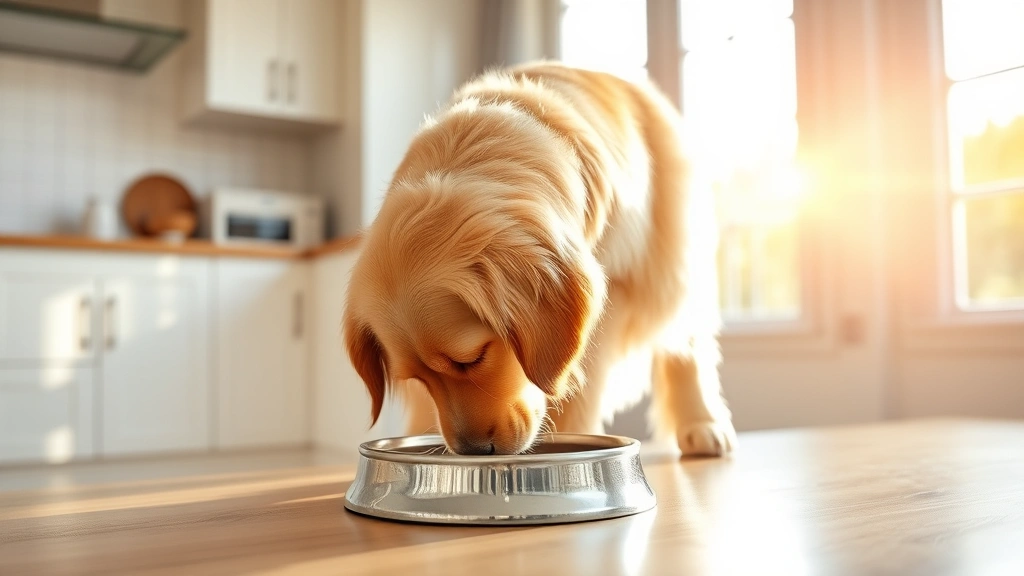
How to Get a Dog to Drink Water: Expert Tips
Let’s face it—getting your furry friend to drink enough water can feel like herding cats. Except you have a dog. And it won’t drink. Water is absolutely essential for your pup’s health, regulating everything from body temperature to nutrient absorption, yet some dogs seem determined to ignore their water bowls entirely. Whether your canine companion is being picky, stressed, or just plain stubborn, we’ve got the solutions you need.
The frustration is real. You set out a pristine bowl of fresh water, and your dog walks past it like it’s yesterday’s kibble. But here’s the good news: with the right strategies and a little patience, you can encourage your dog to stay properly hydrated. In this comprehensive guide, we’ll explore proven methods to get your dog drinking water consistently, understand why they might be refusing it, and help you recognize when it’s time to call the vet.
Proper hydration isn’t just about quenching thirst—it’s about maintaining your dog’s overall health and preventing serious complications. Let’s dive into the practical solutions that actually work.
Why Hydration Matters for Dogs
Water is the foundation of your dog’s biological functions. Without adequate hydration, your pup’s body can’t properly regulate temperature, transport nutrients, remove waste, or cushion joints. Dogs depend on water intake to maintain healthy kidney function, support digestion, and keep their skin and coat in top condition.
The amount of water your dog needs depends on several factors: their size, activity level, diet, and climate. Generally, dogs should drink about 0.5 to 1 ounce of water per pound of body weight daily. A 50-pound dog, for example, should consume roughly 25-50 ounces (about 3-6 cups) of water each day. During hot weather or after exercise, this requirement increases significantly.
Dehydration in dogs can lead to serious health consequences including urinary tract infections, kidney disease, and heat stroke. Even mild dehydration can cause lethargy, dry gums, and decreased appetite. This is why encouraging consistent water intake isn’t just a preference—it’s a health necessity. If you’re concerned about excessive water consumption, our article on why your dog might be drinking too much water provides detailed insights into abnormal drinking patterns.
Why Your Dog Might Be Refusing Water
Before you can solve the problem, you need to understand what’s causing it. Dogs refuse water for various reasons, and identifying the root cause is crucial to finding an effective solution.
Water Quality Issues: Dogs can be surprisingly picky about their water. Tap water with high mineral content, chlorine, or an unfamiliar taste might turn them off. Some dogs prefer filtered water or water from specific sources. If your tap water smells or tastes unusual to you, imagine how it might affect your dog’s sensitive nose and palate.
Bowl Problems: The vessel matters more than you’d think. Plastic bowls can absorb odors and flavors, metal bowls might feel cold or make noise, and dirty bowls are obvious turnoffs. Some dogs are sensitive to the material or size of their bowl, preferring ceramic or stainless steel options instead.
Environmental Stress: Changes in your home environment—new pets, moving, loud noises, or household tension—can stress your dog and suppress their thirst drive. Dogs are creatures of habit, and disruptions can temporarily affect their drinking behavior.
Medical Conditions: Dental problems, mouth infections, nausea, or underlying illnesses can make drinking uncomfortable or unappealing. If your dog suddenly stops drinking, this should be your first concern and warrants a veterinary visit.
Temperature Preferences: Some dogs prefer slightly cool water over room temperature, while others are indifferent. Water that’s been sitting in the sun or has warmed up might be less appealing than freshly filled bowls.
Understanding these factors helps you troubleshoot effectively. If your dog’s water refusal is accompanied by other behavioral changes, check out our comprehensive guide on how long dogs can survive without water to understand the urgency of the situation.
Practical Strategies to Encourage Drinking
Now that we’ve identified potential causes, let’s explore actionable solutions that encourage your dog to drink more water consistently.
Refresh the Water Frequently: Change your dog’s water bowl at least twice daily, ideally three times. Fresh water tastes better and removes any dust, hair, or debris that accumulates. Many dogs respond better to frequently refreshed water than to water that’s been sitting for hours.
Use Multiple Water Bowls: Place water bowls in different locations throughout your home. Some dogs drink more when water is conveniently located near their favorite resting spots. Try placing bowls in the bedroom, living room, and kitchen to increase accessibility.
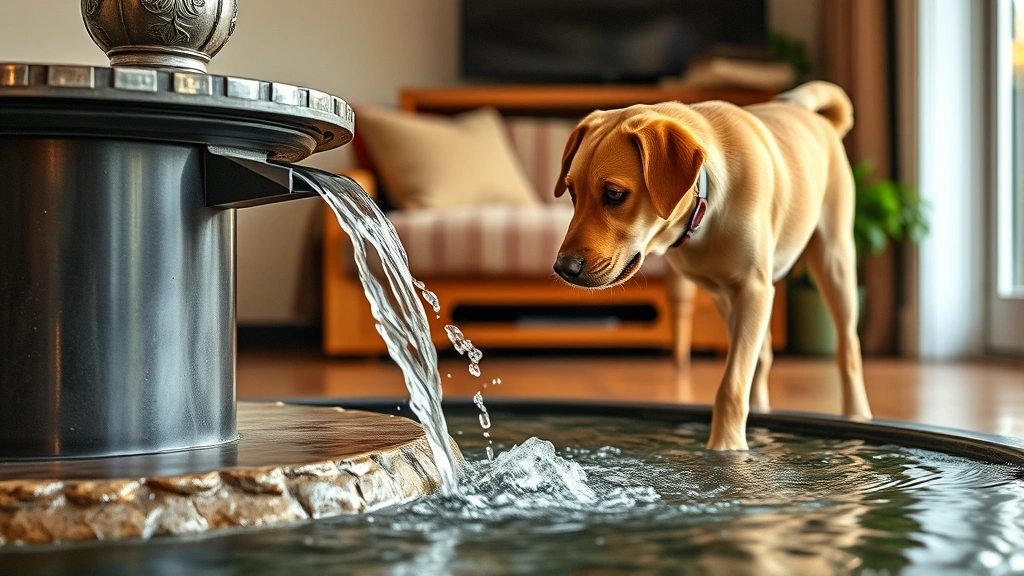
Try a Water Fountain: Many dogs are attracted to moving water. Pet water fountains provide continuous circulation and aeration, making the water more appealing. The sound and movement trigger a dog’s natural curiosity and drinking instinct. Plus, fountains keep water fresher longer.
Adjust Water Temperature: Experiment with different temperatures. Some dogs prefer cooler water, especially during warm months. Try offering water at room temperature, slightly chilled, or even slightly warm to see what your dog prefers.
Add Moisture to Meals: While not a direct water solution, adding broth or water to dry kibble increases overall fluid intake. Low-sodium chicken or beef broth (with no onion or garlic) makes food more appealing and hydrating. This indirect approach can help dogs who struggle with drinking from bowls.
Incorporate Water-Rich Foods: Foods like watermelon, cucumbers, and carrots have high water content and can supplement your dog’s hydration. Always verify these are safe for your dog—while most are fine in moderation, our article on whether dogs can safely consume alternative water options explores this topic in detail.
Establish Drinking Routines: Take your dog to their water bowl at consistent times throughout the day. After meals, playtime, and walks are ideal moments to encourage drinking. Make it a habit, and your dog’s body will adapt to expect water at these times.
Make It a Game: Some dogs respond to playful encouragement. Gently guide them to the bowl, dip your fingers in the water, or create positive associations with drinking time. Praise enthusiastically when they drink, reinforcing the behavior.
Address Stress: If environmental changes are causing your dog to avoid water, work on reducing stress. Maintain consistent routines, provide safe spaces, and use calming techniques like gentle music or anxiety wraps if needed.
Choosing the Right Water Bowl
The container holding your dog’s water is more important than many pet owners realize. The right bowl can significantly impact your dog’s willingness to drink.
Material Matters: Stainless steel and ceramic bowls are superior to plastic. Plastic bowls can retain odors, leach chemicals, and develop scratches that harbor bacteria. Stainless steel is durable, easy to clean, and neutral-tasting. Ceramic bowls are also excellent but can break if dropped.
Size Considerations: The bowl should be appropriately sized for your dog. Too large, and your dog might feel uncomfortable putting their head down. Too small, and their whiskers brush the sides, which many dogs find irritating. A good rule of thumb: the bowl should allow your dog’s muzzle to fit comfortably without their ears dragging in water.
Elevation Matters: Raised or elevated bowls can make drinking easier, especially for senior dogs, large breeds, or those with joint issues. Elevated feeders reduce strain on the neck and back. Consider your dog’s age and size when choosing bowl height.
Keep It Clean: Wash the bowl daily with hot soapy water. Bacteria, algae, and mineral deposits accumulate quickly. A clean bowl encourages drinking far more than a neglected one. For stubborn deposits, use a bottle brush or soak the bowl in white vinegar.
Placement Location: Position the bowl away from food and litter boxes. Dogs naturally prefer drinking water away from where they eat, mimicking their wild instincts. Place it in a quiet, accessible area where your dog feels safe and comfortable.
Safe Flavored Water Options
Sometimes plain water just won’t cut it. Fortunately, there are safe ways to make water more appealing to your picky pup.
Bone Broth: Low-sodium, dog-safe bone broth adds flavor and nutrients. You can purchase commercial dog bone broth or make your own by simmering bones for 24 hours. Mix a small amount into water to create an enticing drink. According to ASPCA nutrition guidelines, bone broth can be a safe supplement when prepared properly.
Low-Sodium Broths: Chicken or beef broth (with absolutely no onion, garlic, or excessive salt) can be diluted in water. Use only a small amount to flavor the water without making it too rich or salty.
Diluted Wet Food: Mix a small amount of wet dog food with water to create a flavorful, hydrating mixture. This combines nutrition with increased fluid intake.
Coconut Water (Carefully): Plain, unsweetened coconut water in small amounts can be added to regular water. However, moderation is key due to its electrolyte content. For more details on alternative water options, see whether coconut water is appropriate for dogs.
Watermelon or Cucumber Juice: Blend these water-rich fruits and add small amounts to your dog’s water bowl. They’re naturally hydrating and safe for most dogs.
What to Avoid: Never add sugar, artificial sweeteners, salt, caffeine, or alcohol. These can be harmful or toxic. Avoid flavored human beverages, energy drinks, and anything containing xylitol (a common artificial sweetener that’s toxic to dogs).
Monitoring Your Dog’s Hydration
Knowing whether your dog is properly hydrated is crucial for early problem detection. Here are reliable methods to assess hydration status.
The Skin Turgor Test: Gently pull the skin on your dog’s shoulder or neck upward. In a well-hydrated dog, the skin snaps back immediately into place. If the skin returns slowly or stays tented, your dog may be dehydrated.
Gum Color and Moisture: Healthy gums should be pink and moist. Press your finger on the gum and release—it should quickly return to pink. If gums are pale, sticky, or dry, your dog needs fluids.
Urine Color: Monitor your dog’s urine color. Light yellow to clear urine indicates good hydration. Dark yellow or amber-colored urine suggests dehydration.
Nose Condition: A well-hydrated dog typically has a moist nose. A dry nose isn’t always a sign of dehydration (dogs’ noses naturally vary), but combined with other symptoms, it’s worth noting.
Energy Levels: Dehydrated dogs often seem lethargic or less interested in activities. If your dog is unusually tired or unresponsive, dehydration could be a factor.
Track Water Intake: Keep a simple log of how much water your dog drinks daily. Measure the water you provide and note how much remains. This objective data helps you and your veterinarian identify trends and concerns.
Understanding normal hydration helps you spot problems early. If you’re concerned about your dog’s overall health and nutrition, our guide on proper feeding amounts for dogs covers related dietary considerations.
When to Contact Your Veterinarian
While most water-drinking issues can be solved with the strategies above, certain situations require professional veterinary attention immediately.
Sudden Changes in Drinking Habits: If your dog abruptly stops drinking or dramatically increases water consumption, schedule a vet visit. These changes often indicate underlying medical conditions like diabetes, kidney disease, urinary tract infections, or hormonal imbalances.
Accompanying Symptoms: If your dog’s water refusal is paired with vomiting, diarrhea, lethargy, loss of appetite, or unusual behavior, contact your vet. These combinations suggest illness rather than simple pickiness.
Signs of Dehydration: Severe lethargy, sunken eyes, excessive panting, or collapse require immediate emergency veterinary care. Don’t wait—go to an emergency clinic if you suspect severe dehydration.
Mouth or Dental Problems: If your dog shows pain while drinking, drools excessively, or has visible mouth lesions, dental disease or infection might be preventing drinking. Your vet can diagnose and treat these issues.
Recent Medication Changes: Some medications affect thirst and drinking behavior. If you’ve recently started your dog on new medication and noticed drinking changes, mention this to your vet.
Age-Related Changes: Senior dogs may have different hydration needs and abilities. If your older dog is struggling to drink, discuss this with your veterinarian about potential solutions like elevated bowls or more frequent water changes.
The American Kennel Club provides breed-specific health information that can help identify predispositions to certain conditions affecting hydration. Additionally, veterinary medicine resources from UC Davis offer evidence-based information on canine health.
Your instincts matter. If something feels wrong with your dog’s drinking or overall health, trust that feeling and reach out to your veterinarian. It’s better to have one unnecessary checkup than to miss something serious. Remember, your dog can’t tell you they’re sick—you have to watch for behavioral changes and act accordingly.
Frequently Asked Questions
How much water should my dog drink daily?
Dogs should drink approximately 0.5 to 1 ounce of water per pound of body weight daily. A 50-pound dog should consume about 25-50 ounces (3-6 cups) daily. Activity level, diet, and climate significantly affect these requirements. Wet food provides additional moisture, reducing the amount of water needed from drinking alone.
Why is my dog suddenly not drinking water?
Sudden changes in drinking habits warrant veterinary attention. Common causes include medical conditions (kidney disease, diabetes, infections), dental problems, stress, or medication side effects. However, if your dog has always been a light drinker, this might simply be their normal pattern. Track the change and consult your vet if accompanied by other symptoms.
Can I give my dog tap water or should I use filtered water?
Most dogs can safely drink tap water in areas with good water quality. However, if your tap water has a strong chlorine smell or taste, or if you have concerns about water quality, filtered water is a good alternative. Some dogs simply prefer the taste of filtered water. Ensure any water you provide is clean and fresh, changed daily.
Is a water fountain better than a regular bowl?
Water fountains can be beneficial, especially for dogs that enjoy moving water. The circulation keeps water fresher, and the movement appeals to many dogs’ natural instincts. However, not all dogs prefer fountains. Some do better with traditional bowls. Try both options to see what your dog prefers. Learn more by checking our detailed guide on comprehensive strategies to encourage water consumption.
What signs indicate my dog is dehydrated?
Signs of dehydration include dry gums, loss of skin elasticity (skin that doesn’t snap back when pulled), sunken eyes, lethargy, dark-colored urine, and excessive panting. Severe dehydration can cause collapse and requires immediate emergency care. Use the skin turgor test and gum check regularly to monitor your dog’s hydration status.
Can I add anything to my dog’s water to make them drink more?
Yes, but stick to dog-safe options. Low-sodium bone broth, diluted wet food, or small amounts of watermelon juice can flavor water appetizingly. Avoid anything with sugar, artificial sweeteners (especially xylitol), salt, caffeine, or alcohol. When in doubt, ask your veterinarian about safe water additives.
How do I know if my dog is drinking enough?
Monitor your dog’s hydration through skin turgor tests, gum color and moisture, urine color (should be light yellow to clear), and energy levels. Track the amount of water provided versus what remains. If your dog’s urine is consistently dark or their skin stays tented when pulled, they may not be drinking enough. Consult your vet if you’re concerned.
Should I be worried if my dog doesn’t drink immediately after eating?
Not necessarily. Some dogs drink immediately after meals, while others wait. As long as your dog drinks adequate amounts throughout the day and shows normal hydration signs, occasional delays in drinking aren’t concerning. However, if your dog never drinks after meals and shows signs of dehydration, investigate further.
Can diet affect how much water my dog needs to drink?
Absolutely. Dogs on wet or raw food diets consume more moisture through food and need less water from drinking. Dogs on dry kibble diets need more water intake to compensate. Adjust your expectations based on your dog’s diet type. Our article on understanding your dog’s appetite and eating patterns explores how diet affects overall nutrition and hydration needs.





