
How to Get a Dog to Drink Water: Tips and Tricks
Is your furry friend turning their nose up at their water bowl? You’re not alone! Many dog owners face the challenge of getting their pups to drink enough water throughout the day. While it might seem like a minor issue, proper hydration is absolutely crucial for your dog’s health, energy levels, and overall well-being. Dehydration in dogs can lead to serious complications, from urinary tract infections to kidney problems, so ensuring your canine companion stays adequately hydrated should be a top priority.
The good news? There are plenty of creative and effective strategies to encourage your dog to drink more water. Whether your pup is a picky drinker, recovering from an illness, or simply not interested in their current water setup, we’ve got you covered with practical solutions that actually work. In this comprehensive guide, we’ll explore everything from environmental adjustments to tasty water enhancements that will have your dog lapping up water like never before.
Understanding why your dog might not be drinking enough water is the first step toward solving the problem. Dogs have different hydration needs based on their age, activity level, diet, and overall health. Some dogs naturally drink less water, while others might be discouraged by stale water, an unappealing bowl location, or even the temperature of their water. Let’s dive into the strategies that can make a real difference.
Why Hydration Matters for Dogs
Water is literally the essence of life for your dog. It comprises about 60% of an adult dog’s body weight and plays a vital role in nearly every physiological function. From regulating body temperature during those hot summer walks to facilitating digestion and nutrient absorption, water is non-negotiable for your pet’s health. According to the American Kennel Club, proper hydration is essential for maintaining healthy kidney function.
Dogs need approximately one ounce of water per pound of body weight daily, though this can increase significantly during exercise or warm weather. Without adequate water intake, your dog faces risks including kidney disease, urinary tract infections, and dangerous conditions like heat stroke. The consequences of chronic dehydration can be severe, making it absolutely essential to ensure your dog drinks enough water every single day.
If you’re wondering about the extreme end of the spectrum, you might be curious about how long a dog can go without water in emergencies. While dogs are more resilient than humans in some ways, they can only survive a few days without water, making consistent hydration a non-negotiable part of pet care.
Water Bowl Solutions and Placement
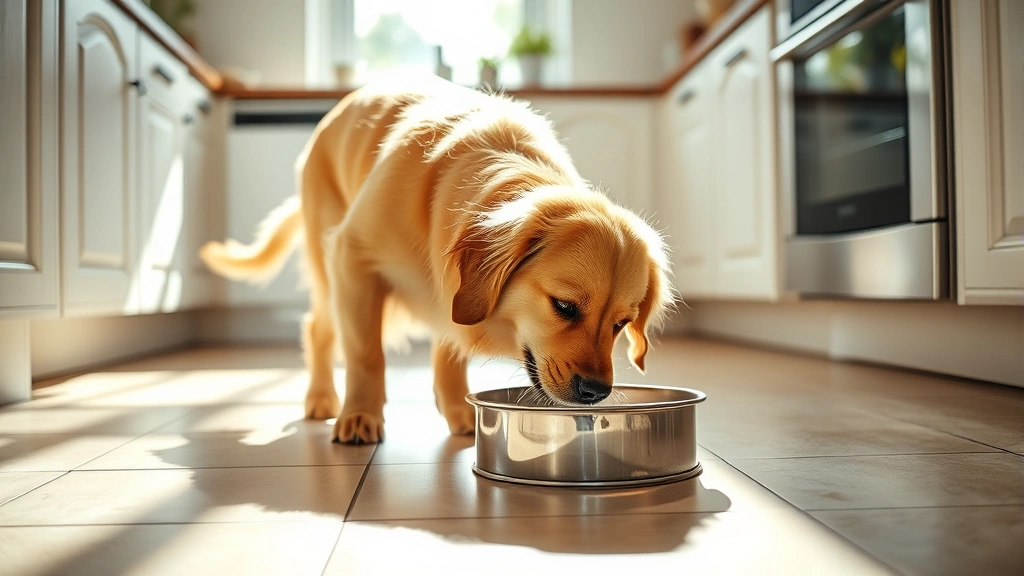
Sometimes the simplest solution is the most effective one. The type of water bowl you’re using and where you place it can dramatically impact your dog’s drinking habits. Many dogs are surprisingly particular about their water bowls, and changing either the bowl itself or its location might be exactly what you need to do.
Bowl Material Matters: Dogs can be sensitive to the material of their bowls. Plastic bowls, while convenient, can sometimes impart an unpleasant taste or smell, especially if they’re old or scratched. Stainless steel and ceramic bowls are often better options because they don’t retain odors or flavors. Some dogs have even been found to prefer certain bowl colors or shapes. If your dog has been drinking from the same plastic bowl for months, try switching to different bowl options to encourage more water consumption.
Strategic Placement: Water bowl location is surprisingly important. Dogs prefer having their water bowl in a quiet, easily accessible location away from their food bowl. Placing water in multiple locations throughout your home increases the likelihood that your dog will drink more frequently. Consider putting bowls in high-traffic areas where your pup naturally spends time. Some dogs prefer their water bowl away from their sleeping area, as they naturally avoid urinating near where they rest.
Bowl Cleanliness: Fresh water in a clean bowl is absolutely essential. Many dogs won’t drink from bowls that have algae buildup, mineral deposits, or yesterday’s stale water. Change your dog’s water at least twice daily, and wash the bowl thoroughly with hot water. This simple habit can significantly improve your dog’s water intake.
Flavoring Options to Entice Your Dog
If your dog simply won’t drink plain water, adding subtle flavors can work wonders. The key is using dog-safe options that appeal to their natural instincts without introducing harmful ingredients.
Bone Broth: Low-sodium bone broth is a game-changer for picky drinkers. The savory flavor naturally appeals to dogs, and it adds beneficial nutrients like collagen and gelatin. Simply add a small amount to your dog’s water bowl to make it more enticing. Many pet stores sell dog-specific bone broth, or you can make your own by simmering bones for extended periods.
Chicken or Beef Broth: Similar to bone broth, a splash of unsalted chicken or beef broth can make water irresistible to your pup. Ensure there’s no onion, garlic, or excessive sodium in the broth, as these can be harmful to dogs.
Apple Slices or Watermelon: Some dogs love the subtle sweetness of fruit-infused water. You can add thin apple slices or small watermelon pieces to their water bowl. This creates a refreshing treat while increasing hydration. Just ensure you remove the seeds and pits, which can be choking hazards.
Coconut Water: If you’re wondering about alternatives like whether dogs can drink coconut water, the answer is yes in moderation! Plain, unsweetened coconut water can be added to your dog’s regular water for a hydration boost. However, it should only be an occasional supplement, not a replacement for regular water.
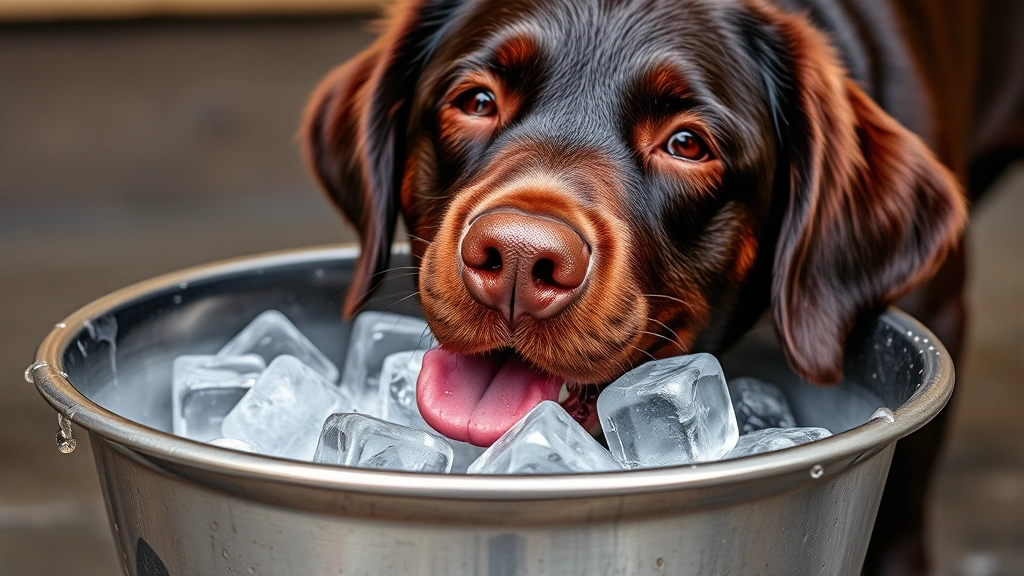
Ice Cubes: Many dogs find ice cubes irresistible and will happily crunch on them. You can even make flavored ice cubes by freezing bone broth or diluted fruit juice (like apple or cranberry juice) in ice cube trays. This turns hydration into a fun, engaging activity.
Hydrating Foods and Wet Diets
Water intake doesn’t have to come exclusively from the bowl. Incorporating hydrating foods into your dog’s diet is an excellent way to boost overall fluid consumption. This is particularly helpful for dogs who simply won’t drink enough water on their own.
Wet Dog Food: Switching from dry kibble to wet dog food can significantly increase your dog’s water intake. Wet food typically contains 70-80% moisture compared to dry food’s 10-12%. If you’re concerned about appropriate feeding amounts, note that wet food portions are typically larger by volume but contain similar calorie counts to dry food.
Dog-Safe Vegetables: Many vegetables are excellent for hydration. Watermelon, cucumber, green beans, and carrots are all water-rich and safe for dogs. These can be served as treats or mixed into their regular meals. The high water content combined with the crunchy texture makes them doubly appealing to most dogs.
Plain Pumpkin: Canned pumpkin (not pumpkin pie filling) is not only hydrating but also excellent for digestive health. It contains about 90% water and can be mixed into your dog’s food to boost both hydration and nutrition.
Homemade Treats: You can make frozen treats by mixing dog-safe ingredients like plain yogurt, peanut butter, and pumpkin, then freezing them in ice cube trays. These provide hydration while being irresistibly tasty to your pup.
Environmental Factors and Temperature
The environment plays a crucial role in how much your dog drinks. Temperature, humidity, and activity level all impact hydration needs significantly.
Cool Water Temperature: Many dogs prefer cool water to room temperature water. During hot months, try refrigerating your dog’s water or adding a few ice cubes. Some dogs will drink significantly more if their water is cool and refreshing.
Seasonal Adjustments: During summer months when your dog is more active and the weather is hotter, they’ll naturally need more water. Make sure you’re providing fresh water more frequently and consider leaving water bowls out during outdoor activities. Winter can be tricky too, as dogs sometimes drink less when it’s cold, so monitor their intake carefully.
Exercise and Activity: Active dogs need more water than sedentary ones. If your dog has been playing, running, or exercising, they’ll need access to water immediately afterward. Always bring water on walks, hikes, or outdoor adventures.
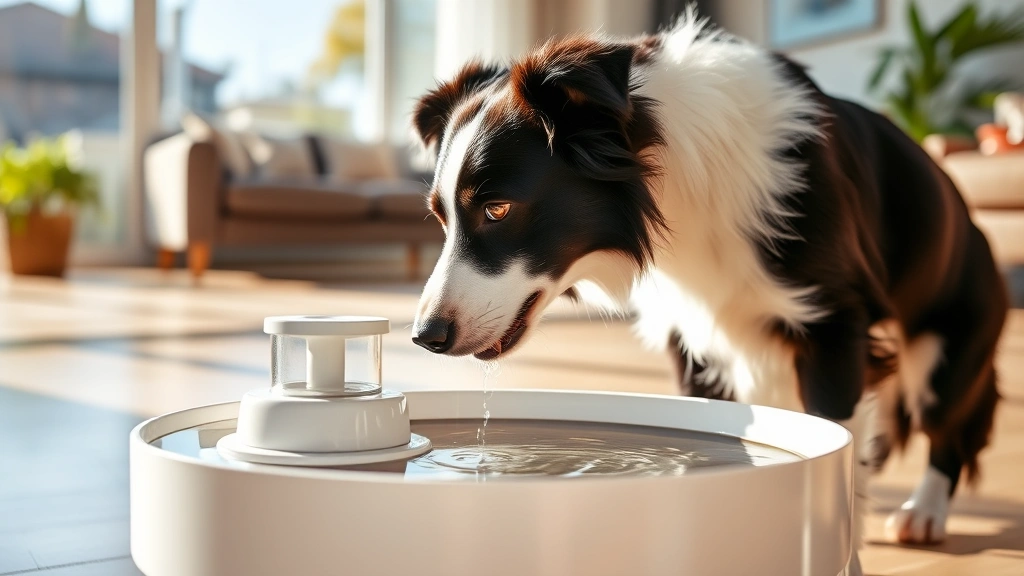
Water Fountain Appeal: Some dogs are fascinated by moving water and will drink more from a water fountain than a static bowl. The circulating water is often cooler and fresher, and the novelty factor appeals to many pups. This can be particularly effective for dogs who are less interested in their regular water bowl.
Training Techniques and Positive Reinforcement
You can actually train your dog to drink more water using positive reinforcement and behavioral techniques. This might sound unusual, but dogs respond well to encouragement and rewards.
Verbal Cues: Use a specific command like “drink” when your dog approaches the water bowl. Immediately reward them with praise or a small treat when they drink. Over time, they’ll associate the command with the action and may drink more frequently on cue.
Reward-Based System: Offer a small, low-calorie reward immediately after your dog drinks. This creates a positive association with the water bowl and encourages repeat behavior. Just ensure the rewards don’t add excessive calories to their diet.
Scheduled Drinking Times: Establish regular times throughout the day when you encourage your dog to drink. Taking them to their water bowl after meals, playtime, and before bedtime creates a predictable routine they’ll come to expect.
Social Drinking: Some dogs are encouraged to drink when they see other dogs or their owners drinking. If you have multiple dogs, they may copy each other’s drinking habits. You can also try drinking from a glass near your dog to pique their curiosity.
When to Worry: Health Concerns
While most dogs simply need a little encouragement to drink more water, sometimes insufficient water intake can indicate underlying health issues. It’s important to distinguish between a picky drinker and a dog with a medical problem.
Signs of Dehydration: If your dog shows signs of dehydration—such as excessive panting, dry gums, lethargy, or loss of appetite—contact your veterinarian immediately. According to the ASPCA, severe dehydration is a medical emergency.
Excessive Thirst: Conversely, if your dog suddenly starts drinking much more water than usual, this could indicate diabetes, kidney disease, or other serious conditions. This is worth discussing with your vet. We have a detailed guide on why dogs drink excessive amounts of water that covers these concerns in depth.
Behavioral Changes: If your dog’s water consumption changes suddenly along with other behavioral shifts, this warrants veterinary attention. Your vet can rule out infections, hormonal imbalances, or other health issues.
Age Considerations: Senior dogs sometimes drink less water, which can be concerning. Older dogs may have dental issues that make drinking uncomfortable, or they may simply have decreased thirst responses. Talk to your vet about strategies specific to aging dogs.
Frequently Asked Questions
How much water should my dog drink daily?
The general rule is approximately one ounce of water per pound of body weight. A 50-pound dog should drink about 50 ounces (roughly 6-7 cups) of water daily. However, this varies based on diet, activity level, age, and health status. Dogs on wet food diets may need less from their water bowl since they’re getting moisture from their food.
Can I give my dog other beverages instead of water?
Plain water should always be your dog’s primary beverage. While you can occasionally offer dog-safe options like unsalted broth or plain coconut water in moderation, these should never replace regular water. Avoid giving your dog milk, sugary drinks, caffeine, or alcohol, as these can be harmful.
Is my dog drinking too much water?
If your dog suddenly starts drinking significantly more water than usual, this could indicate a health issue. Excessive thirst can be a symptom of diabetes, kidney disease, urinary tract infections, or hormonal imbalances. Contact your veterinarian if you notice this sudden change.
Why won’t my dog drink from their water bowl?
Possible reasons include the bowl material, bowl location, water staleness, temperature preferences, or underlying health issues. Try changing the bowl type, location, or water temperature. If nothing works, consult your vet to rule out medical problems.
What about sparkling water or flavored water?
Most plain sparkling water is safe for dogs in small amounts, though we have detailed information on whether dogs should drink sparkling water. However, flavored or carbonated beverages with artificial sweeteners, especially xylitol, are dangerous and should never be given to dogs. Stick with plain water as the safest option.
Should I use a water bowl or water fountain?
Both work well for different dogs. Some dogs prefer the simplicity of a bowl, while others are more attracted to the flowing water in a fountain. Try both options to see what your dog prefers. Water fountains have the added benefit of keeping water fresher and cooler.
How can I encourage my dog to drink more water during summer?
During hot months, provide cool or cold water, use a water fountain, add ice cubes, offer hydrating treats like watermelon, and ensure water is always available. Bring water on walks and outdoor activities, and monitor your dog for signs of overheating or dehydration.





